Every forklift operator knows the feeling. You’re carrying a load that blocks part of your view, navigating a busy warehouse, watching for pedestrians, avoiding stock damage, keeping productivity moving, and trying to stay aware of everything happening around while you race against the clock. It really is a job that demands constant judgment from one moment to the next. According to the US Bureau of Labor Statistics, warehousing has one of the highest injury rates in logistics – well above the national average – and many of those incidents involve operating heavy machinery, such as forklifts.
Part of the reason is that modern workplaces have become significantly more complex. Facilities are moving more product than ever; labor shortages continue to put pressure on operations, and many sites now run around the clock to keep up with increasing demand. On any given shift, forklifts, pedestrians, automated systems, contractors, visitors, and temporary workers all occupy the same busy floor space, and workers are expected to absorb huge amounts of information that can carry real safety consequences. It’s a tough burden to carry, and no matter how robust safety protocols become, they don’t fix the “awareness problem” – the idea that operators are expected to maintain near-perfect vigilance during long, busy shifts.
The limits of human awareness
Most incidents don’t happen because somebody ignores a procedure or deliberately takes a risk. They tend to emerge from ordinary moments in busy environments where dozens of things compete for attention at once. An operator might be concentrating on positioning a load safely while somebody enters the area unexpectedly, or visibility may change as vehicles, stock, and people move through the same space. None of these situations is unusual in itself, which is precisely why they’re so difficult to eliminate entirely through training and procedures alone.
According to the Occupational Safety and Health Administration (OSHA), industrial sectors in the US experience approximately 150 fatal machine-related incidents each year involving heavy equipment such as cranes, forklifts, excavators, and bulldozers. Many of these incidents are categorized as “struck by” or “caught-in/between” accidents, in which pedestrians and operators are injured or killed during routine work, such as performing maintenance or moving heavy loads. The industry understands the risks well. What is becoming increasingly clear is that awareness has practical limits. Even highly experienced operators can only absorb so much information at once. The more variables a worker is asked to manage simultaneously, the greater the risk that something important will go unnoticed.
Why more alarms aren’t the answer
Many safety technologies were introduced with good intentions. The thinking was straightforward – if operators had more information about what was happening around them, they’d be better equipped to avoid danger. In busy industrial environments, however, operators are already processing a constant stream of information as they move through their shift. Equipment sounds, vehicle movements, changing traffic patterns, radio calls, pedestrians, and the task immediately in front of them all compete for attention simultaneously. Every warning is effectively asking for a share of the operator’s focus. Some alerts genuinely signal danger, while others relate to situations that never develop into anything meaningful. Over time, workers naturally learn to prioritize certain signals over others, particularly when they encounter the same warnings repeatedly without seeing a corresponding risk. This creates a “boy who cried wolf” situation in which alarms simply fade into the noise because they’re interrupting rather than supporting operators.
The industry needs to move toward systems that actively support situational awareness rather than simply reminding people to stay alert. Advances in machine vision, edge computing, and real-time environmental sensing are enabling equipment to better understand what’s happening around it. Instead of treating every movement as a threat, these technologies can help identify situations that genuinely require attention while allowing normal operations to continue uninterrupted.
The strongest safety cultures are built when workers trust the tools around them, and that trust comes only from systems that behave predictably, communicate clearly, and support the realities of day-to-day operations rather than creating additional friction.
About the Author:
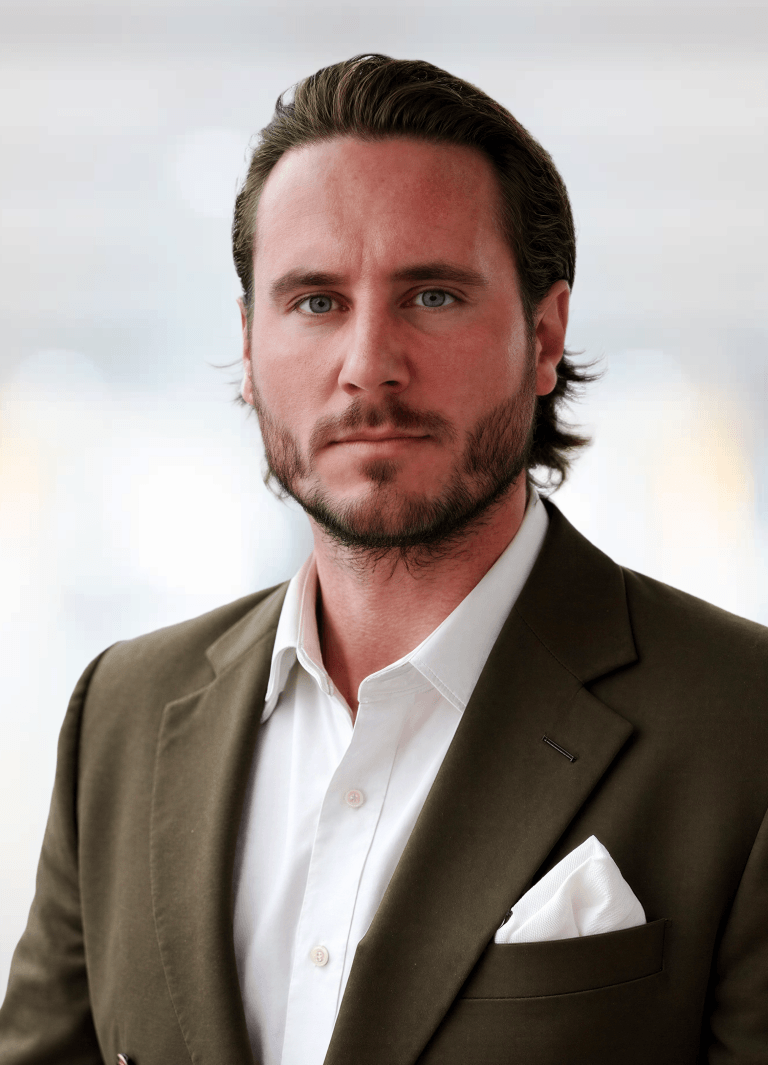
Nathan McKenzie is the Chief Executive Officer of Speedshield Technologies, where he has spent more than two decades designing and deploying safety systems for industrial environments. He joined the company in 2003 as an engineer, later serving as Engineering Manager and Chief Technology Officer, and played a central role in developing one of the industry’s first forklift-specific telemetry platforms. A Bachelor of Engineering graduate from Deakin University, Nathan now focuses on advancing practical, operator-centric safety technologies that improve visibility, reduce risk, and work seamlessly on the industrial floor.