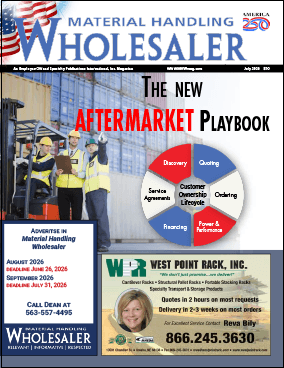
While it is easy to look years down the road and wonder what the dealership of the future will look like, many of the changes shaping that future are already here. Customers are more informed, equipment is more connected, and expectations around speed, communication, and uptime continue to rise. At the same time, dealers are navigating technician shortages, supplier challenges, pricing pressure, and new technology that is changing how work gets done. Aftermarket leaders cannot wait for some far-off version of the industry to start preparing. The work starts now, inside the service department, the parts department, the rental fleet, and every customer interaction that happens after the original equipment sale.
For today’s dealership, success in the Aftermarket will depend on four key areas: customer focus, supplier relationships, data discipline, and the ability to adapt to market disruption.
Customer Focus Still Comes First
The customer has always been at the center of the Aftermarket, but the definition of good customer service has changed. It is no longer enough to simply answer the phone, quote a part, or dispatch a technician. Customers expect communication, visibility, and solutions that help them keep their operations moving.
A customer who calls your dealership for a down truck does not just want to know when your technician might arrive. They want to know the next steps, whether the part is available, how long the repair may take, and what options they have if the equipment cannot be fixed quickly. That may involve a rental unit, a temporary repair, an alternate part, or a proactive conversation about replacing a unit that has become too costly to maintain.
Aftermarket leaders can set their dealership apart from the competition by using every customer interaction to better understand the customer’s operation, including which equipment is most critical, which units cause the most downtime, and which parts are most frequently needed. Review these pain points by account, along with missed response times, backorders, open quotes, complaints, and recurring repairs. Then bring your parts, service, rental, and sales departments together to act on what the data is showing. Customers do not see separate departments. They see one dealership, and your Aftermarket team should operate that way.
Supplier Relationships Matter More Than Ever
No dealership can deliver strong Aftermarket support on its own. Supplier relationships play a major role in fill rate, part availability, pricing, technical support, and speed to the customer. When supply chains are tight or customer expectations are high, the strength of those relationships becomes even more important.
Price and availability still matter, but the strongest suppliers bring more to the relationship by offering alternative parts, better stocking guidance, training, technical expertise, and faster support when customers have urgent needs. Aftermarket leaders should identify which suppliers are truly strategic, focusing on those that support key product categories, solve problems, reduce backorders, and help the dealership improve.
Dealers should also be willing to share more information with key suppliers. If a dealership is seeing increased demand in certain product groups, higher failure rates in certain applications, or consistent customer issues, that information can help suppliers respond more effectively. Strong supplier relationships are built on communication, not just purchase orders.
Identify your top suppliers that have the greatest impact on your customer experience. Schedule regular reviews with them, not just to talk about pricing, but to discuss fill rates, backorders, lead times, product quality, warranty trends, and opportunities to grow together. A strong supplier relationship can become a competitive advantage for your dealership.
Data Must Become Part of the Daily Rhythm
Most dealerships have more data than they realize. The challenge is not whether data exists. The challenge is whether it is being used in a way that helps people make better decisions.
Aftermarket leaders should look beyond total parts sales or total service revenue. Those numbers matter, but they only tell part of the story. The stronger questions are more operational. How quickly are service calls being opened and closed? How many jobs are waiting on parts? Which parts are creating the most lost sales? How often are quotes followed up? How long does it take to invoice completed work? Which customers are experiencing the most downtime?
When leaders review this information consistently, patterns begin to appear. A slow invoice process may be hurting cash flow. A low parts fill rate may be causing service delays. A high number of repeat repairs may point to training needs. A growing list of open quotes may reveal missed sales opportunities.
Data should sharpen leadership judgment by giving managers the visibility to act faster and coach more effectively. Start with a focused weekly Aftermarket scorecard tracking key measures such as response time, first-time fix rate, parts fill rate, open work orders, jobs waiting on parts, quote follow-up, and time from job completion to invoicing. Review it with the team each week and focus on one question: what needs attention now?
Market Disruption Is Not Slowing Down
The material handling industry is facing several disruptions at once. Electrification, automation, telematics, e-commerce, rising customer expectations, and labor shortages are changing how dealers support equipment throughout its life cycle. These shifts require new technical skills, more proactive maintenance, and easier ways for customers to buy, and better use of limited technician and support resources. For Aftermarket leaders, the challenge is not simply keeping up with each trend, but understanding how they work together and adjusting the dealership’s service model accordingly.
The dealers that struggle will be the ones that wait until disruption forces them to change. The dealers that lead will be the ones that build flexibility into their Aftermarket strategy now.
This does not require every dealership to overhaul its entire business overnight. It does require leaders to ask better questions. Are our technicians being trained for the equipment our customers are buying today? Are we prepared to support battery and charger needs? Can customers easily do business with us online? Are we using telematics data where available? Are we helping customers plan instead of only reacting when something breaks?
Bringing It Back to the Aftermarket Leader
You do not have to wait for the future to arrive before making your Aftermarket departments stronger. The opportunity is already in front of you in how your team communicates with customers, works with suppliers, uses data, and prepares for the changes already appearing in the market.
The mission of the Aftermarket has not changed. It is still about keeping customers running. What has changed is the speed, complexity, and expectation around how that support is delivered. Customers want answers faster, equipment requires more specialized knowledge, and the best dealers are becoming more proactive.
Take a step back and look at your Aftermarket departments through the customer’s eyes. Are you easy to do business with? Are your teams aligned? Are your supplier relationships and reports helping you act faster? The dealers who answer those questions honestly will be stronger today and better prepared for tomorrow.
About the Author:
Chris Aiello is the Business Development Manager at TVH Parts Co. He has over 20 years of experience in the equipment industry, including service, quality assurance, and business development roles. Chris now manages a national outside sales team selling replacement parts and accessories across equipment markets, including material handling, equipment rental, and construction and earthmoving dealerships.