
Flux Power to exhibit at MODEX 2024 Tradeshow March 11-14 at the Georgia World Congress Center in Atlanta

Company to Showcase its New G2 Product Line of Heavy-Duty Battery Packs and SkyBMS® Telematics Solution Flux Power Holdings, Inc., a developer of advanced lithium-ion energy storage solutions for the electrification of commercial and industrial equipment, has announced it will exhibit at MODEX 2024 in Hall C Booth C4085 at Georgia’s World Congress Center March 11-14. Flux Power will showcase its next-generation battery packs, including lithium-ion solutions for Class I-III material handling equipment. These next-generation lithium-ion battery packs are equipped with newer technology and more capacity for fleet operations with a heavy workload. Along with showcasing the new line of heavy-duty products, Flux Power will also conduct demonstrations of its SkyBMS® telematics solution, which helps operation managers better manage their fleet by providing them with real-time data and actionable insights. ”We look forward to showcasing our complete line to new and existing customers,” said Tod Kilgore, VP of Sales at Flux Power. “Our state-of-the-art lithium-ion solutions solve a variety of existing performance challenges with a common theme: longer run times, sustained high power performance, limited maintenance, and a more sustainable solution. Flux Power delivers these advantages at price points that significantly lower the total cost of ownership compared to conventional battery offerings.”
Hyster honored with design award for A Series forklifts
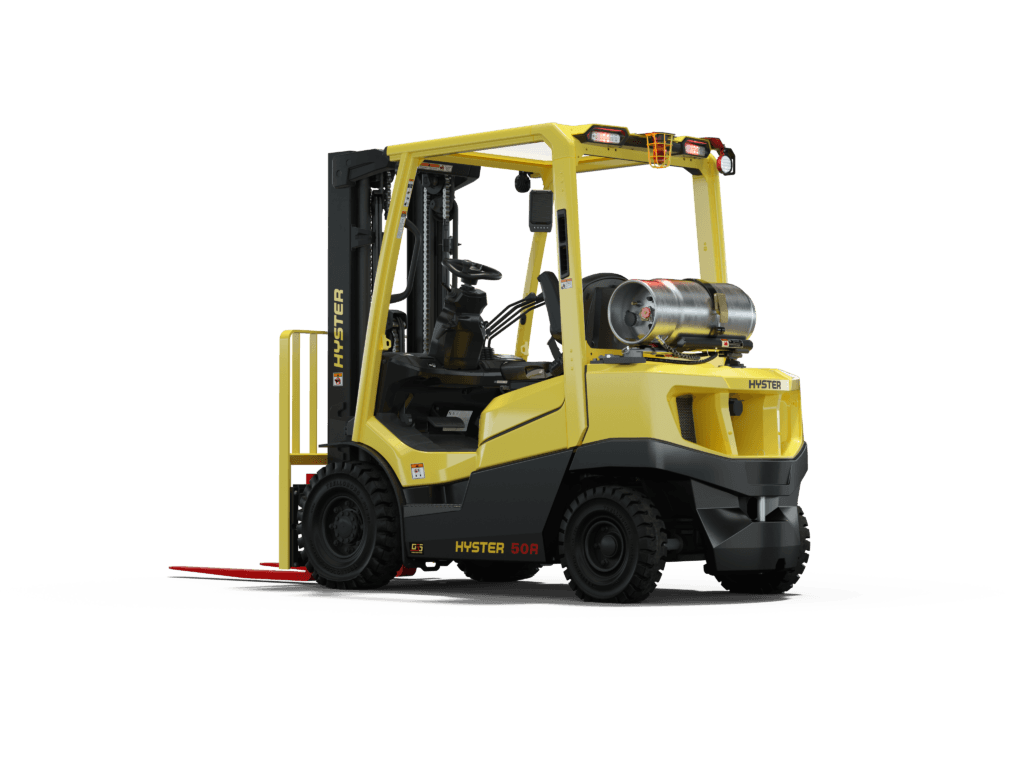
Hyster Company announces the Hyster® H40-70A forklift series is a winner of the prestigious 2023 GOOD DESIGN® Award. The configurable internal combustion engine-powered forklifts are the first in the A Series, which offers robust ergonomic features, a low total cost of ownership and an innovative technology engineered to help reduce the likelihood of forklift tip-overs. The H40-70A models, which are available with 4,000-to-7,000-pound lift capacities, are designed around a singular base configuration derived from direct feedback from operators, managers, technicians, safety coordinators, and other professionals. From there, operations can tailor additional features, creating a forklift based on their specific application. “While every operation faces its unique challenges, some are common across industries – strained forklift operators, safety concerns, and rising operating costs,” says Jimmy Anderson, Product Manager, Hyster. “Hyster is dedicated to designing solutions that address these widespread problems, while also helping operations tackle challenges specific to their business.” To support operator comfort and productivity all shift long, the H40-70A models are designed for ergonomics and convenience. In particular, the operator compartment enables easy entry and exit with a lowered seat, contoured hood, increased floor space, and generous head and shoulder clearance. A foot-activated, hand-released parking brake requires less effort than a hand-applied brake to minimize operator lean and back strain, while dynamic seat adjustment provides up to 25% more forward and backward seat adjustability than the leading competitive model. Several features help boost visibility, including a low dash and wide mast design that provide excellent forward visibility. A high-strength laminated glass roof is available to provide operators with an unobstructed upward view to help place loads at height. The forklifts are also available with the Hyster Dynamic Stability System (DSS), a solution that continually monitors truck performance to help reduce the likelihood of forward and sideways tip-overs and reinforces operating best practices. When it detects the truck exceeding designated thresholds while carrying a load, DSS automatically implements measures like limiting truck speed and tilt range. None of the DSS sensors require maintenance, and the trucks’ durable components and extended service intervals are designed to help control maintenance spend and bolster reliability and uptime.
Murata Machinery USA celebrates 50 Years of automation in North America

Murata Machinery USA (Muratec), a manufacturer of game-changing industrial automation, celebrates its 50th anniversary across North America. Various activities are planned throughout 2024 to commemorate Muratec’s golden year. Operating as a subsidiary of Kyoto, Japan-based Murata Machinery Ltd., Murata Machinery USA provides sales, service, and support for the Muratec brand. Muratec has a rich history of innovation and leadership in North America, revolutionizing the automation landscape with groundbreaking solutions that are often the first of their kind, the only ones available, or the world’s fastest. “Murata Machinery USA has been a beacon of excellence, driving industrial innovation and achieving continental success,” said Toshiyuki Komori, President and CEO, Murata Machinery USA. “Unwavering in our commitment, we aim to propel the Muratec brand of end-to-end automation to new heights across North America, helping customers maintain their competitive edge with automation.” In May 1974, Murata Machinery Ltd. established Murata of America, Inc. in Charlotte, NC, initially focusing on textile machinery. In October 1989, it acquired the Wiedemann Division from the Warner & Swasey Company, creating Murata Wiedemann, Inc. The unified brand “Muratec” was introduced in October 1991. By June 2002, the company consolidated its U.S. subsidiaries, Murata of America, Inc. and Murata Wiedemann, Inc., into Murata Machinery USA, Inc. Throughout North America, Muratec expanded its automation portfolio to encompass material handling, machine tools, fabrication technology, and cleanroom automation solutions, showcasing a broadened range of offerings. Historic Innovation Across Four Divisions For over five decades, Muratec’s breakthroughs have marked many turning points in automation, helping our customers enhance their competitive efficiencies across diverse industries. Some of these significant innovations in automation advances include: Textiles: Muratec revolutionized textile manufacturing with Spinning, Winding, Twisting, and Texturizing Machines. This led to the invention of Air-Jet Spinning, which utilized high-pressure air to enhance the texture and bulkiness of yarns at higher production speeds. Other advancements supporting textile manufacturing included the Automatic Winder that seamlessly linked with Ring Spinning Machines. The game-changing VORTEX machine was introduced in 1997 and evolved into the VORTEX 870 in 2011, creating the world’s fastest spinning machine that eliminated Roving and Winding with over 6,000 units installed globally. Logistics & Automation (L&A): In the 1990s, Muratec revolutionized North American Automotive Stamping with an integrated turnkey solution, effortlessly combining Die Handling, Blank Processing, Stamping Warehousing, and Transport Control. This streamlined processes and minimized waste by integrating Automated Storage and Retrieval Systems (ASRS) and Automated Guided Vehicles (AGV), reshaping the automotive sector’s logistics and material handling approach. Muratec positioned itself as a key industry influencer of versatile automation systems covering high-rise warehouses, unmanned transporting systems, robotic automation, and cutting-edge factory automation. Clean Factory Automation (CFA): As a cleanroom industry leader, Muratec invented cutting-edge floor and overhead transport systems (OHTs) to optimize fabrication processes, maximize space, and ensure product integrity with minimal vibration. These solutions set industry benchmarks that smoothly interfaced with customer Manufacturing Execution Systems (MES) and tools, establishing a new standard in boosting productivity, reliability, and operational excellence. Muratec is one of the world’s largest semiconductor clean room automated manufacturers. Machine Tools Division (MTD): In 1980, Muratec revolutionized CNC machining with the MW25, the inaugural twin-spindle automated chucker lathe that seamlessly integrated automation with an industry-first gantry loader. Then, in 1994, Muratec set a new industry standard by inventing the world’s first electric servo motor CNC turret punch press. The MOTORUM 2000 was known for its eco-friendly design, low noise, and highly productive hydraulic oil-less operation, inspiring numerous imitations and knockoffs. Muratec’s machine tools, spanning turning, sheet metal fabrication, and automated handling systems combine high speed and precision through cutting-edge control technology. In 2024, Muratec will mark 50 years of automation innovation with initiatives. In September, new innovative machinery will be introduced along with ten (10) cutting-edge machine demonstrations at the 2024 International Manufacturing Technology Show, Sept. 9-14, at McCormick Place in Chicago, Booth 338844.
Borgman Capital sells Aerial Work Platforms, Inc. to Herc Rentals Inc.
Borgman Capital, a lower middle market private equity firm, announced the sale of its portfolio company Aerial Work Platforms, Inc. (“AWP”), an equipment rental company, to Herc Rentals Inc. Terms of the transaction were not disclosed. Founded in 1979, AWP specializes in the rental, service, and sale of aerial lift equipment including scissor lifts, boom lifts, telehandlers, and forklifts. Borgman Capital acquired AWP in December 2020 from the company’s founder, Pat Barney. AWP has locations in Sussex, Janesville, Neenah, and Kenosha, Wisconsin, and is the number one independent rental equipment company in the state based on fleet size. During the three-year investment period, AWP’s growth was driven by strategic equipment purchases, fleet diversification, operational improvements, geographic expansion to Kenosha, and increasing market share. Following Mr. Barney’s planned retirement, Borgman Capital hired rental equipment industry veteran Robert Rivera as president. “We executed many new growth initiatives during the investment period. At the end of the day, AWP’s success comes down to Robert’s leadership and the strong customer service culture he built,” said Sequoya Borgman, founder and CEO of Borgman Capital. “AWP is an example of what’s possible when the right leader is put in place to build on a founder’s legacy after an ownership transition. It was a pleasure to partner with Robert and the team over the last three years and we will be cheering everyone on in their next phase of growth.” Rivera said: “The outstanding success we achieved is a direct result of the incredible talent at AWP. The team’s dedication to customer service will remain our focus as part of Herc Rentals. I am appreciative of Borgman Capital’s support and the latitude I was given to lead, set ambitious goals, and make the pivotal decisions needed to grow the business.” Founded in 1965, Herc Rentals is one of the leading equipment rental suppliers in North America with 2023 total revenues of approximately $3.3 billion. Herc Rentals’ parent company, known as Herc Holdings Inc., was listed on the New York Stock Exchange on July 1, 2016, under the symbol “HRI.” Herc Rentals serves customers through approximately 400 locations and has about 7,200 employees in North America. Reinhart Boerner van Deuren served as Borgman Capital’s legal counsel on the transaction.
Analysis of the Top Nine misunderstandings about forklift lithium-ion batteries
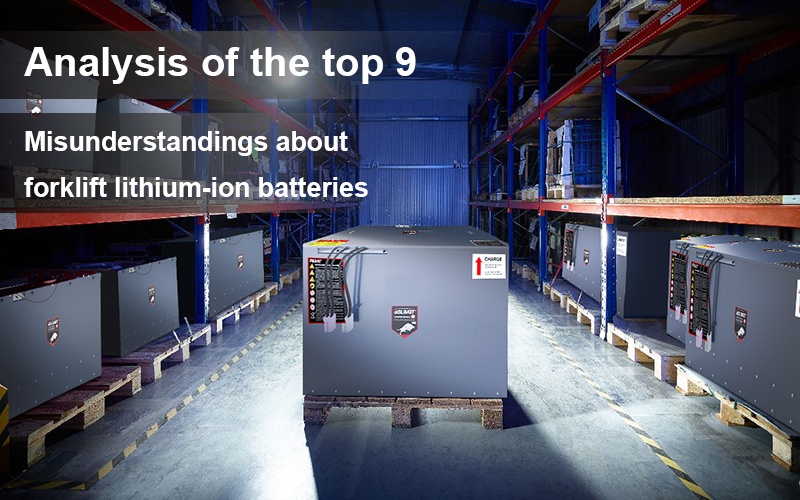
Interest in and use of lithium-ion batteries in industrial trucks is growing. There are many advantages to this revolutionary technology, most notably its fast charging and ability to charge “on the go” rather than “charge to full” all at once. However, there remains widespread confusion and misunderstanding about battery technology and its suitability for material handling applications. Visit our Forklift Lithium Battery website or read on for what BSL Battery – Industrial technical experts have to say about some misconceptions. 1. We do a lot of heavy lifting that electric machines can’t handle With modern battery-operated equipment, lifting capacity is not an issue. If the capacity plate rating is the same as the equivalent internal combustion engine (ICE) model, the ability to lift heavier loads is also the same. For example, Hyster®’s updated J2.5-3.0XNL trucks are designed to match hydrostatic IC trucks. Also, remember that while lifting uses a lot of energy, electric forklifts are more energy efficient than IC forklifts, so the only real potential drawback is the machine’s ability to store and use that energy. This means the end user must consider whether there are sufficient opportunities to recharge the battery throughout the day. This video provides an in-depth look at how lithium-ion technology works and how Hyster® can replace multiple lead-acid batteries depending on truck power requirements while increasing productivity! 2. You can get all the benefits by replacing your lead-acid batteries with lithium-ion batteries Of course, aftermarket lithium-ion batteries are a huge improvement over lead-acid batteries, but to enjoy the real benefits, you should consider a forklift factory-approved OEM lithium-ion battery manufacturer, which has inherent advantages. For example, the integrated battery has CANbus connectivity, which means the truck’s factory BDI still works accurately. The OEM technician can connect to the battery and diagnose any issues through the truck software, eliminating the need to call a 3rd party provider. In addition, BSL Battery is a major lithium battery supplier in China. It serves Toyota Material Handling, Combilift Forklift, Clark Forklift, Xilin Forklift and Raniero Forklift. When considering a swap solution (lead-acid batteries replacing equivalent lithium-ion batteries), users must determine whether their application allows sufficient time to charge the batteries. They also need to consider additional energy infrastructure costs, such as cables and sockets capable of handling higher power consumption. In addition, they need to install new power points closer to work areas or break rooms to avoid unnecessary trips to existing lead-acid charging room distances. 3. Lithium-ion batteries are very expensive It’s imperative to think about long-term costs. Although lithium-ion batteries have a higher initial purchase price than lead-acid batteries, their cost per cycle is lower due to their longer lifespan, making them the most cost-effective solution in the long run. BSLBATT’s lithium-ion batteries, in particular, have extremely low internal resistance and the most efficient technology, which means less grid energy is wasted and saves 30% (charging and CO2 emissions) compared to lead-acid batteries. Therefore, in the long run, with the decline of lithium carbonate, now comparing the prices of lithium-ion batteries and lead-acid batteries, purchasing a lithium battery with the same capacity only costs 1.5 times that of a lead-acid battery. Lithium batteries are cheaper in the long run. 4. We need to replace our entire lead-acid fleet with lithium-ion machines Of course, it often makes sense to replace the entire fleet so that operators don’t have to switch between different charging regimes and operating procedures. It also makes sense for the aging fleet, which has decided to retire all existing machines and “start over.” Replacement is also recommended when a business has an incentive to replace. This could be a commitment to reduce overall CO2 emissions or a desire to eliminate hazardous battery replacement or reduce ongoing maintenance requirements. However, if the utilization of certain trucks is not sufficient to warrant lithium-ion batteries, a mixed fleet is possible and we have helped many customers with phased rollouts. If you operate a mixed fleet, you need to know that lead-acid and lithium-ion batteries often require different chargers, so charging areas may need to be marked and instructions provided to staff. 5. Our power supply must be upgraded Yes, lithium-ion battery chargers have higher output, which means they require higher input current than lead-acid chargers. However, BSL Battery – Industrial offers a variety of battery/charger combinations based on utilization, application intensity, and available charging window. At the same time, to reduce customers’ charger investment, we have communicated with the world-renowned SPE, Fronius, and Delta-Q, which means that customers do not need to purchase additional chargers when switching to BSLBATT lithium batteries using chargers from these three brands. Charger! 6. Our drivers must be retrained and change their work habits Agreed, retraining is required as standard AS2359:2 practice states that each user should have a safe work systems policy in place, including supervisory practices, on-the-job training, and ongoing regularly updated training. Therefore, users must maintain records of ongoing training. The good news is that lithium-ion batteries are easy to use The battery management system communicates with the charger to prevent overcharging. It manages power delivery to prevent excessive discharge. It does not require charging or watering to work properly. The operator must simply know how to plug it into the charger when not used. Our clients found that their work habits needed to change, but for the better. Battery maintenance tasks are virtually eliminated, as are hazardous battery replacement and battery damage due to battery misuse. Unlike lead-acid batteries, lithium-ion batteries thrive on opportunistic charging, meaning operators can charge the forklift during breaks. The charging process will be faster and easier since there is no longer a need to open the hood to connect the charger to the truck. 7. Lithium-ion batteries are not as stable as lead-acid batteries and pose safety threats This is a common myth, but lithium-ion batteries are safer than traditional lead-acid batteries. Although the energy density is higher than that of lead-acid batteries, BSLBATT lithium-ion batteries have multi-level safety systems such as cells, modules, and casings, as well as a battery management system (BMS) with comprehensive protection functions.
Gordon Report: The current U.S. Labor-market conundrum

The February 2024 BLS jobs report showed a surge of 353,000 jobs added in January, more than double than what was predicted in economic surveys. This follows a gain of 330,00 jobs in December. Another surprise in this February report is that average hourly wages grew rather than holding steady. Over the past year, they have grown 4.5 percent. What factors may be behind these unexpected numbers? An average of 10,000 workers from the large baby-boomer population have been retiring each day. This year the average will grow as the baby-boomer retirements peak. This flood of retirees will continue until 2030. Therefore, this year and until the end of this decade, many job openings will arise from the need to replace retirees. In at least some sectors of the economy, it appears that employers are raising wages to find workers with the skills they need. Chief Economist Bill Dunkelberg of the NFIB (an association of small business owners) reported on their January survey, “Owners continue to raise compensation to retain and attract workers with the skills and willingness to do the job, but hiring remains a struggle in a tight labor market.” So far, this strategy has not been very successful. In that same survey, 39 percent of the respondents reported having unfilled job openings. Members of the Association of General Contractors also have high levels of unfilled jobs despite providing a wage premium of almost 19 percent over that of the average for private-sector production employees. In some cases, higher wages may attract people who have not been participating in the labor force to seek a job if the pay level would offset the costs of childcare, a long commute, or obtaining additional training. A recent Korn Ferry survey of job seekers, however, found that many applicants do not have the skills required for open jobs. In some cases, this is due to the development of new types of jobs with recently updated skill sets. The above data points to a current labor market with a significant skills-jobs mismatch. However, the Training Industry Annual Survey of 2023 reported that business investment in employee training remained flat. Going forward, predictions are that companies will cut their training budgets. The irony is that one way or the other business will have to pay more to find skilled workers either through continuing to raise wages or by investing in more in-house or collaborative training programs. About the Author: Edward E. Gordon is the founder and president of Imperial Consulting Corporation in Chicago. His firm’s clients have included companies of all sizes from small businesses to Fortune 500 corporations, U.S. government agencies, state governments, and professional/trade associations. He taught in higher education for 20 years and is the author of numerous books and articles. More information on his background can be found at www.imperialcorp.com. As a professional speaker, he is available to provide customized presentations on contemporary workforce issues.
US Cutting Tool orders totaled $187.9 Million in December 2023 which brings the Year-to-Date total up 6.9% from 2022

December 2023 U.S. cutting tool consumption totaled $187.9 million, according to the U.S. Cutting Tool Institute (USCTI) and AMT – The Association For Manufacturing Technology. This total, as reported by companies participating in the Cutting Tool Market Report collaboration, was down 7.3% from November’s $202.7 million and down 0.3% when compared with the $188.4 million reported for December 2022. With a year-to-date total of $2.45 billion, 2023 is up 6.9% when compared to the same period in 2022. “With 2024 comes change and challenge,” stated Steve Boyer, president of USCTI. “The U.S. cutting tool industry will continue to see growth opportunities in aerospace, automotive, medical, and computer-related segments but slowing and declines in other markets. While forecasts initially anticipated interest rate declines as we moved into 2024, recent inflation indicators appear to temper those expectations. We enter the new year with a guarded view anticipating continued challenges and uneven growth.” Mark Killion, director of U.S. industries at Oxford Economics, added: “After a strong start to 2023, shipments of cutting tools weakened in the last quarter of the year, falling 7.3% in December. As a result, shipments ended the year near their 2022 levels.” The Cutting Tool Market Report is jointly compiled by AMT and USCTI, two trade associations representing the development, production, and distribution of cutting tool technology and products. It provides a monthly statement on U.S. manufacturers’ consumption of the primary consumable in the manufacturing process – the cutting tool. Analysis of cutting tool consumption is a leading indicator of both upturns and downturns in U.S. manufacturing activity, as it is a true measure of actual production levels. Historical data for the Cutting Tool Market Report is available dating back to January 2012. This collaboration of AMT and USCTI is the first step in the two associations working together to promote and support U.S.-based manufacturers of cutting tool technology. The graph below includes the 12-month moving average for the durable goods shipments and cutting tool orders. These values are calculated by taking the average of the most recent 12 months and plotting them over time.
Smart Vision Lights unveils LHI-DO Lightgistics with hidden strobe technology

Smart Vision Lights has introduced the LHI-DO Lightgistics series light, which is available in 300 mm and 600 mm models designed to deliver intense linear light in high-speed scan tunnel systems. Equipped with Hidden Strobe technology, the light delivers the benefits of LED strobing while minimizing the disruption and disorientation associated with bright, pulsing lights. Hidden Strobe technology enables LEDs to rapidly self-trigger thousands of times per second at rates imperceivable to the human eye — giving off an illusion of continuous illumination. The novel technology helps logistics companies maximize the capabilities of machine vision systems while protecting employees against the harmful and disorienting effects of continuous flashing lights. “High-speed machine vision systems often use pulsating LEDs to capture images of objects moving at rapid speeds, but without a shield, the strobing can be disorienting and distracting for nearby workers,” said Steve Kinney, director of training, compliance, and technical solutions at Smart Vision Lights. “Machine vision lights such as the LHI-DO leverage Hidden Strobe technology to remove this nuisance and allow the machine vision system to safely and effectively leverage strobed LEDs for challenging high-speed applications.”Lighting the Way for Improved Track-and-Trace Machine vision systems attempting to perform accurate high-speed barcode scanning or optical character recognition (OCR) on packages with reflective plastic wraps or shipping bags run into significant issues with glare. Polarizers can overcome the glare problem, but this comes at a cost, with reduced light output and decreased clarity. Lightigistic lights featuring Dual OverDrive™ technology are designed specifically to overcome these issues. Dual OverDrive™ technology combines SVL’s Deca OverDrive™ and standard OverDrive™ engines to deliver lighting that is 10 times brighter than standard continuous mode. “Lights featuring Dual OverDrive™ technology, like the LHI-DO, produce enough brightness that end users can attach polarizers that retain exceptional light output while handling any speed,” said Kinney. “For applications involving polybags or plastic shrink wrap, this means the machine vision system does not have to slow down and decrease overall throughput.” The LHI-DO’s OverDrive™–only light source can be used to create tunnel systems capable of illuminating any package — ensuring perfect readability no matter the shape or material. With an integrated camera mount compatible with most machine vision cameras, the light can be directly connected and controlled through a camera’s trigger output. With onboard charging capacitors, the LHI-DO delivers powerful bursts of energy with a low consistent electrical draw. The IP65-rated LHI-DO can be used at working distances between 500 mm and 2000 mm with 10-, 14-, and 30-degree lens options.
SUN Automation Group® announces Amit Nayak as new Product Manager

SUN Automation Group, providing innovative solutions to the global corrugated industry, has announced that Amit Nayak has been hired as the new Product Manager for SUN’s IIoT solution, Helios. Amit brings a wealth of expertise in business analytics and product management, positioning him to significantly expand Helios’ market presence and enhance its offerings to meet the evolving demands of box plants worldwide. Amit comes to SUN with a robust background in business intelligence and identifying customer needs through research and analytics. Amit earned his Bachelor of Science in Applied Mathematics and Master of Science in Business Analytics from George Washington University. Before joining SUN, Amit was instrumental in developing strategic product initiatives at MicroStrategy in Virginia, where he excelled in optimizing gateway solutions. “Amit’s exceptional skills in data analytics and product management make him a valuable addition to our team,” said Gokul Gopakumar, Vice President of Technology and Business Development at SUN. “His insights will be pivotal as we continue to advance Helios and better serve the needs of the corrugated sector.” In his new role, Amit will focus on optimizing the capabilities of Helios, SUN’s OEM-agonistic technology which is designed to minimize unplanned downtime and maximize output through advanced machine learning. In addition, Amit will work to drive sales and marketing strategies to expand SUN’s reach across the corrugated industry. “Amit’s ability to navigate and interpret business intelligence data, coupled with a keen understanding of customer needs, positions us for continued success in expanding Helios’ reach and capabilities,” says Greg Jones, Executive Vice President at SUN. “We look forward to Amit’s leadership as we elevate our IIoT solutions to meet the evolving demands of box plants globally.” Amit’s arrival marks a significant step in SUN’s ongoing effort to enrich its knowledge base and team, reinforcing the company’s commitment to delivering cutting-edge solutions to its customers. As the corrugated industry increasingly embraces artificial intelligence, SUN remains dedicated to leading the charge in equipping clients with the tools necessary for their operational success.
Episode 463: Insights into the heart of fulfillment with Jeff Kaiden from Capacity
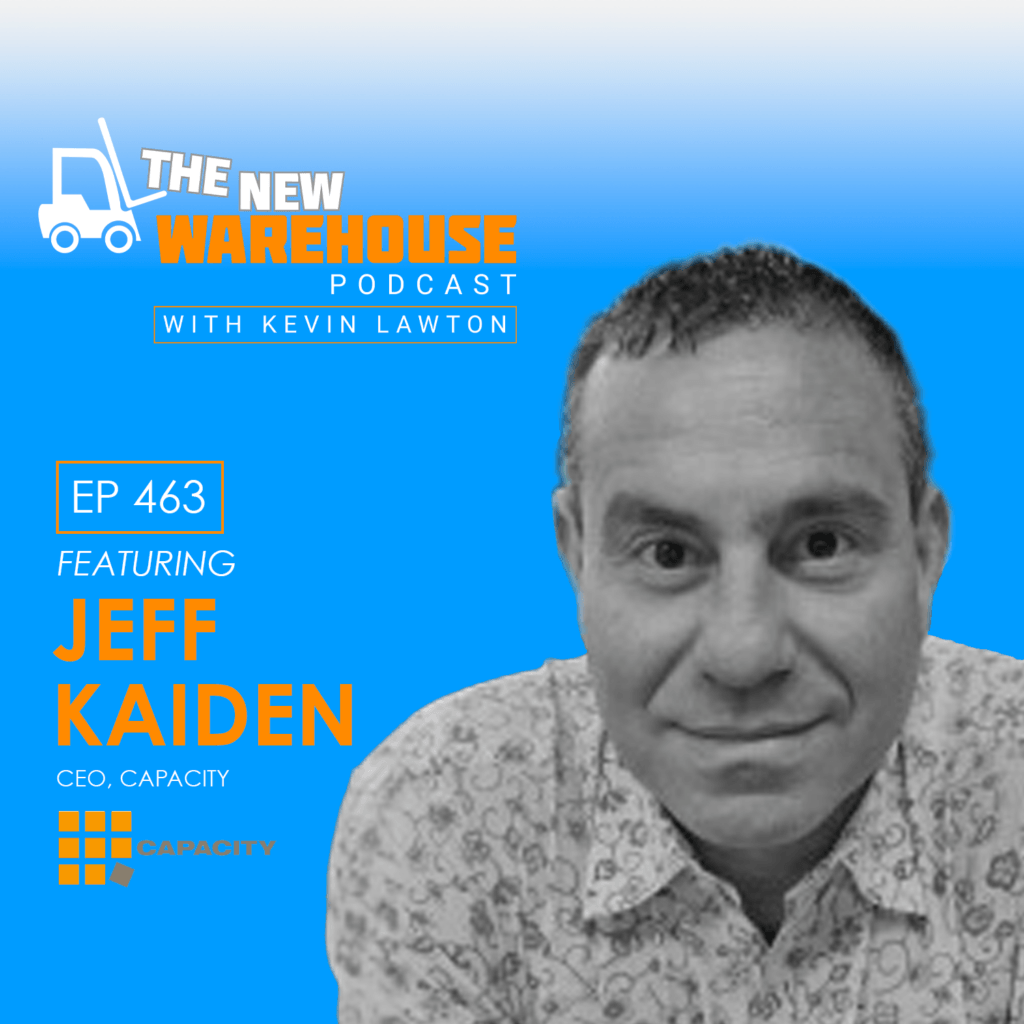
In this episode of The New Warehouse Podcast, we had the privilege of visiting Capacity’s headquarters in North Brunswick, New Jersey, where we were warmly welcomed by Jeff Kaiden, Capacity’s founder and CEO. Capacity, known for its omnichannel fulfillment services, has grown remarkably under Jeff’s leadership, servicing an array of significant brands with a keen focus on e-commerce and B2B fulfillment. The episode delves into Jeff’s fascinating journey in the fulfillment industry, the inception of Capacity, and the innovative technologies that have propelled the company to the forefront of warehousing and logistics. A Deep Dive into Capacity’s Innovative Edge The company’s investment in a bespoke, engineering-based approach and in-house IT solutions has enabled it to stay agile and responsive to customer needs. Jeff shares, “We have our own software development team… constantly adding value.” he adds, “To be in control of your own IT destiny is super important.” This strategy highlights Capacity’s commitment to leveraging technology for operational efficiency and agility. With a robust team of in-house developers, Capacity can swiftly adapt to the ever-evolving needs of its clients, ensuring that solutions are nimble and cost-effective. The team of approximately 20 developers is constantly “adding value” through process improvements and custom integrations, demonstrating a proactive stance in leveraging technology to enhance operational efficiencies. The Human Element in Fulfillment Capacity’s technological evolution is not merely about adopting new tools; it’s a holistic strategy encompassing data analysis, engineering excellence, and a profound understanding of the human element. “The most important people in this company are the ones who are doing the work,” Jeff Kaiden remarked, emphasizing the value of human capital in the logistics sector. By maintaining a close-knit environment and fostering a sense of community, Capacity ensures high levels of employee satisfaction and operational excellence. Moreover, Jeff’s anticipation of scalability challenges, particularly highlighted by the fluctuations between regular operation days and peak times like Black Friday, underlines the significance of scalable technology. “Our people are the key to all this,” Jeff asserts, acknowledging that while technology provides the framework, the human element within Capacity propels its success. This blend of cutting-edge technology and human ingenuity ensures that Capacity remains at the forefront of the fulfillment industry, ready to handle any volume surge with grace and efficiency. Mastering Data for Inventory Excellence Kaiden emphasizes the essential role of data management in precisely navigating the complexities of inventory and SKU management. Data First: It is essential to have detailed product data (dimensions, weight, hazard status) for efficient logistics. Inventory Readiness: Ensure ample stock before retail expansion to avoid fulfillment failures. Navigate Retail Complexities: Prepare for retailer-specific requirements and potential deductions. Balance Inventory: Avoid overstock and stockouts through careful planning and SKU management. SKU Strategy: Manage SKU proliferation to keep operations and inventory manageable. These insights offer a concise roadmap for brands to effectively manage their inventory and SKU portfolio, emphasizing the critical role of data management, preparation for retail expansion, and the strategic balance needed in inventory planning. Key Takeaways: Jeff believes automated put walls on the hardware side, along with AI and planning on the software side, provide the most bang for the buck in warehouse technology. The company places a high value on its workforce, fostering a culture of respect and teamwork to drive operational efficiency. Despite the rapid evolution of the e-commerce landscape, Capacity has adapted by focusing on customer service, scalable technology, and efficient inventory management. The New Warehouse Podcast EP 463: Insights into the Heart of Fulfillment with Jeff Kaiden from Capacity
Cimcorp promotes supply chains through automation

Equipped with Cimcorp’s material handling solutions, grocery retailers and tire manufacturers are maximizing efficiency and minimizing their environmental impact Cimcorp, a robotic handling solution, is helping customers in its core sectors, the fresh food and tire industries, achieve their sustainability goals through automation. When installed within tire factories and grocery distribution centers, Cimcorp’s automated material handling solutions enable greater energy efficiency, significantly reduce waste, and support greener overall supply chain operations. “Sustainability is increasingly important in both of our key sectors: grocery retail and tire manufacturing. These industries face growing pressure from consumers, shareholders, and governments alike to limit natural resource consumption and reduce waste across the supply chain. And one of the best ways to create more eco-friendly production, warehousing, and distribution operations is through automation,” said Adam Gurga, National Manager of Grocery and Retail Partnerships, Cimcorp. Cimcorp’s advanced robotics and intelligence software are designed with sustainability in mind. By leveraging Cimcorp’s solutions, clients benefit from: Energy efficiency: Cimcorp’s gantry robot solutions offer low energy consumption. The structure of each gantry robot is formed from aluminum, making the robots lightweight yet robust. They accelerate and move fast, optimizing the potential handling capacity for products moved in the distribution center (DC). Cimcorp’s gantry robots can carry multiple crates or cases simultaneously, instead of just one. Cimcorp’s crate solutions can carry a maximum of 250 kilograms at a time and can create stacks up to 2.5 meters tall. High volumes can be moved and handled quickly and efficiently. In addition, Cimcorp’s gantry robots reuse energy through regenerative braking. Braking energy is recovered to the power grid, making the robots even more energy efficient. Approximately 30% of energy is gathered and fed back. Optimized truckloads: Cimcorp’s Warehouse Control System (WCS) optimizes the loading of delivery vehicles, helping customers utilize truck space more efficiently. Space optimization creates fuller trucks, so fewer trucks are needed. This leads to fewer miles being driven, less pollution and exhaust fumes, and a greener supply chain. Reduced food waste: In grocery retail, the longer it takes fresh food to travel through the supply chain, the higher the chances of spoilage and waste. By optimizing distribution operations, grocery retailers can move produce from field to store in half the time. Today, Cimcorp has successfully accelerated distribution for grocery retail customers around the world. For example, Cimcorp’s solutions are helping Mercadona, Spain’s biggest grocery retailer, move produce to stores in under 24 hours. Reusable packaging: Cimcorp’s solutions are designed to match perfectly with reusable plastic crates (RPCs), which many modern grocers are now choosing over cardboard options. RPCs can be used thousands of times, replacing cardboard boxes as the method of transport for fresh produce from the farm to the store shelf. RPCs have a long and sustainable life cycle since they can be used over and over again from field to warehouse. Minimized scrap: In tire manufacturing, automated tire handling significantly reduces scrap in all process areas. With Cimcorp’s Warehouse Control System (WCS), tire manufacturers can minimize intermediate storage and avoid unnecessary scrapping of materials. If there is any disruption to the manufacturing process, all individual tire components can be tracked and traced to avoid scrapping of the whole inventory. Gurga said, “As a trusted partner for grocery retailers and tire manufacturers around the world, we’re proud to help our clients strategically plan and automate their warehousing and distribution operations so they can get more out of less. For any company looking to reduce their supply chain’s environmental impact, automation is a great step towards a greener future.”
Motion enters into definitive agreement to purchase two fluid power companies
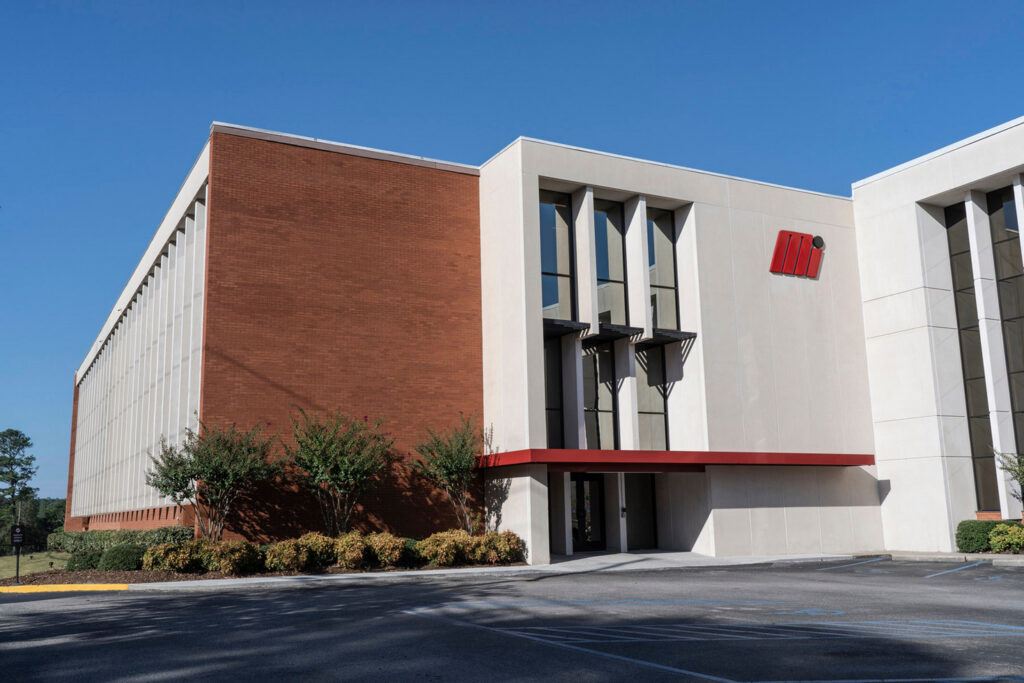
Motion’s Canadian hydraulic/pneumatic footprint to expand Motion Industries, Inc., a distributor of maintenance, repair, and operation replacement parts, and a provider of industrial technology solutions, signed a definitive purchase agreement to acquire the operating assets of Perfetto Manufacturing and SER Hydraulics. Subject to customary closing conditions, the transaction is expected to be finalized at the end of February. The affiliated organizations are well-established, with Perfetto in business since 1986 and SER Hydraulics since 1978. Located in Sudbury, Canada, each has grown to provide engineered solutions, service, and equipment for hydraulic/pneumatic cylinders, complex power units, and other assets used in fluid power systems throughout the area, which is central to the mining, agricultural, and forestry industries. The dual acquisition will expand and improve Motion’s services to these and other heavy-industry customers. “After more than 30 successful years in business, we want to thank our loyal customers and employees for contributing to our success,” said Gerald Perfetto Sr., Owner. “The Motion team is committed to continued investment in the business, which will bring great opportunities for our customers, employees, and the communities in which we work and live. We couldn’t be more pleased with the interest that Motion has taken in our business and wish everyone continued success.” “We look forward to welcoming these two terrific organizations, especially the talented employees,” said Randy Breaux, President of GPC North America. “These world-class experts will be key to our market growth strategy, and we look forward to extending our position together as a premier leader in industrial solutions.”
Buckle Up: Cat® Lift Trucks marks 20 consecutive years for the Houston Livestock Show and Rodeo™

Mitsubishi Logisnext Americas, a manufacturer and provider of Cat® lift trucks across North, Central, and South America, has announced the 20th recurring year as the Official Lift Truck Provider for the Houston Livestock Show and Rodeo™. For two decades, Cat Lift Trucks and its local dealer, Darr Equipment Co., have played a critical role in the production of the largest livestock exhibition and rodeo in the world. The Houston Livestock Show and Rodeo is a beloved tradition for over 2.5 million visitors and 30,000 exhibitors each year, showcasing the very best in agriculture, entertainment, and Western heritage. “Cat Lift Trucks has been a driving force behind our operations of the Houston Livestock Show, ensuring our iconic event runs smoothly,” said Dr. Chris Boleman, president and CEO of Houston Livestock Show and Rodeo. “Their consistent dedication to providing top-tier products and unparalleled support has been pivotal. As we celebrate 20 years of partnering together, we look forward to continued excellence and a shared journey filled with memorable experiences for years to come.” As the Official Lift Truck Provider, Cat Lift Trucks, along with Darr Equipment Co., provides over 140 Cat lift trucks to ensure seamless operation from setup to tear down throughout the 300-acre complex. Darr Equipment Co.’s technicians will also be on-hand throughout the show to provide daily on-site service and maintenance for the forklifts throughout the Rodeo season. “It’s an honor to continue as the Official Lift Truck Provider – now in our 20th year”, said Jerry Sytsma, Executive Vice President, Sales & Aftermarket Services at Mitsubishi Logisnext Americas. “The work performed behind the scenes, by our forklifts and Darr’s technicians, allows us to help bring together the city of Houston in a meaningful way, while also indirectly helping to provide educational scholarships for deserving kids. It’s a real honor to help give back to our community in this way.” Beyond the operational support, Cat Lift Trucks embodies its commitment to nurturing future leaders and innovators with its scholarship program. Since its launch in 2005, the Cat Lift Trucks scholarship program has awarded $140,000 in educational assistance to 28 outstanding Houston-area high school seniors interested in pursuing a four-year degree related to the material handling industry. This year’s winner will be honored at the 2024 Houston Livestock Show and Rodeo™ and awarded a $5,000 scholarship to go towards their higher education.
Why do we separate change from day-to-day operations?

It’s a common trap that many executives fall into. Consider a company that creates widgets. They must produce the widgets on time and on schedule. They also have designed a competitive strategy which includes modernizing some major systems on the production floor. Say the company is having trouble with widget quality and missed deadlines. Should leadership focus on fixing the operational problems or on the strategy? Most executives would prioritize the former. They would say, “Let’s first patch the holes and then modernize the ship.” And most CEOs would say, “Ok.“ This is the mistake. A leader’s job is to implement changes. Change is what they should do. If an executive can’t delegate problems to their subordinates, are they a good leader? Good leaders only intervene when problems can’t be solved by their team without their direct help. Good leaders aren’t afraid of change. They thrive on it. Even if the problem is perceived to be big, there’s a reason you have a team in place. Your department heads, managers, and directors are there to solve problems and to keep the proverbial machine running. Circumstances will change, issues will arise, and they were hired to navigate it all. But once leadership has decided to take on a big change, there always seems to be some reason to put it off. Something happens inside the organization, in the competitive environment, in the regulatory space, etc. “We can’t tackle that change now. It will be too overwhelming – we need to wait until we’re ready.” But you’ll never be ready. There will always be something that comes up and those changes will be kicked back a few quarters, a few years, and in some cases, put on ice indefinitely. The worst part is that this lack of change causes the organization to get stuck in status quo mode. Things then continue to hum along as they always have. But as time passes, the gap between where you are and where you need to be widens. The big change was on the to-do list for a reason. While big change is intimidating, the impact of not taking action becomes way worse than the perceived risk of action. Then the pain of change is amplified, as the change becomes forced by external circumstances, rather than it being a choice you had control of earlier. In essence, leaders need to be in charge of driving change. Change isn’t separate from day-to-day operations – it’s a part of the way business is done. Inherent to both business and life, change is something that can be scary, but needs to be embraced. Don’t put off the inevitable, as it only becomes harder to change over time. About the Author Andrea Belk Olson is a keynote speaker, author, differentiation strategist, behavioral scientist, and customer-centricity expert. As the CEO of Pragmadik, she helps organizations of all sizes, from small businesses to Fortune 500, and has served as an outside consultant for EY and McKinsey. Andrea is the author of three books, including her most recent, What To Ask: How To Learn What Customers Need but Don’t Tell You, released in June 2022. She is a 4-time ADDY® award winner and host of the popular Customer Mission podcast. Her thoughts have been continually featured in news sources such as Chief Executive Magazine, Entrepreneur Magazine, Harvard Business Review, Rotman Magazine, World Economic Forum, and more. Andrea is a sought-after speaker at conferences and corporate events throughout the world. She is a visiting lecturer and startup coach at the University of Iowa, a TEDx presenter, and TEDx speaker coach. She is also an instructor at the University of Iowa Venture School. More information is also available on www.pragmadik.com and www.andreabelkolson.com.
DESTACO presents all-electric clamping system
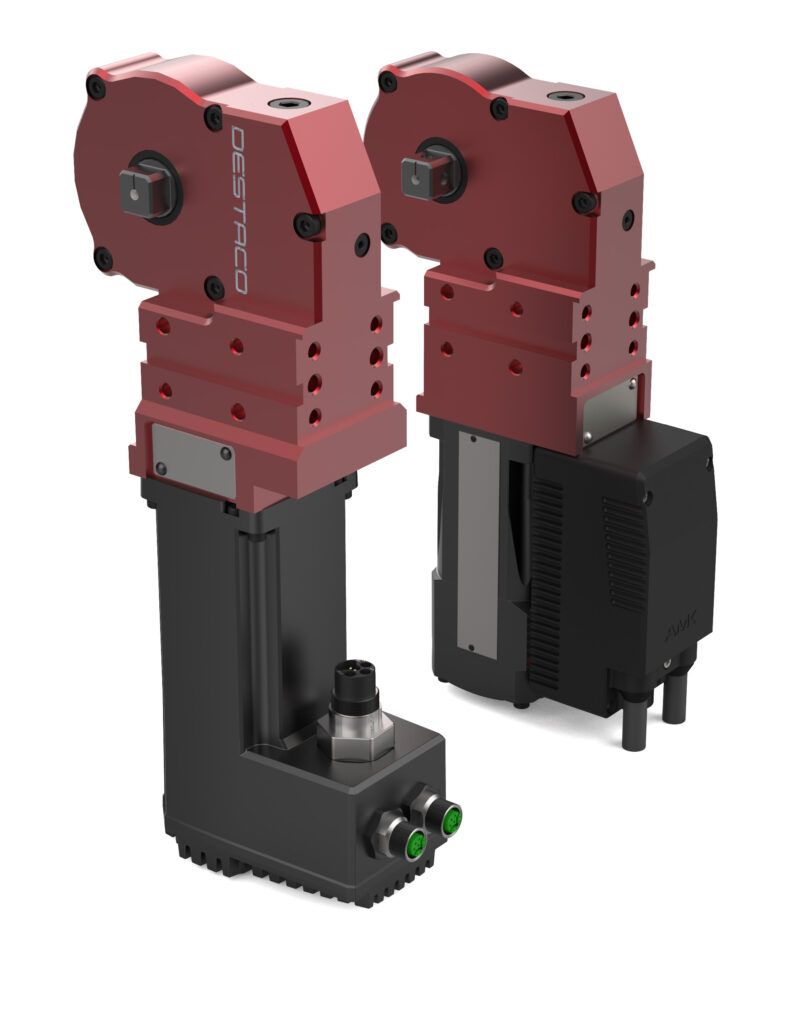
The 92W Series Power Clamp saves costs, CO2 and energy on the way to Industry 4.0 DESTACO, a provider of automation, clamping, and gripping solutions, has introduced the new intelligent 92W Series Electric Power Clamps. Operating completely without compressed air, the 92W power clamps set a new standard for efficient and environmentally friendly production operations. They reduce energy consumption and CO2 emissions – and as a plug-and-play solution, they pave the way for exceptionally flexible production processes. “Electric drives have clear advantages over pneumatic drives,” explained Christian Schubert, Global Product Manager for DESTACO. “They reduce CO2 emissions and energy costs by up to 85%. Their use of electric motors helps eliminate the need for lossy compressed air lines and associated pneumatic equipment. Electric drives also offer a high degree of flexibility, which significantly reduces the need for an expansive spare-parts inventory.” The 92W power clamp’s integrated intelligence also reduces the need for additional components, as it provides essential data for process optimization even without external sensors. Even during installation, these values allow the user to conveniently adjust the speed, positioning and/or torque to “fine-tune” production. During subsequent operations, the values are used to analyze process quality. The control of the electric clamps is decentralized and attached directly to the production devices, which reduces cable lengths and cabling costs. In this way, all automation functions can be implemented decently. This not only frees up space, but also ensures seamless integration of the clamping technology into the production system. Reliable voltage, signal, and data management also facilitate digital planning, along with providing quick and easy installation and commissioning. All of these features save time and, together with process optimization, reduce labor costs. Higher initial investments are therefore amortized in one to three years, depending on the configuration. The advantages of the new 92W power clamps will be able to help many manufacturing companies switch their production from pneumatic to electric drives. Many innovative companies are already using the first 92W power clamp units in their production processes and achieving excellent results. The powerful 92W electric power clamps hold workpieces in several positions; for example, during the production and assembly of body shells. Thanks to the power clamp’s integrated component control, no external sensors are required. In combination with the unit’s integrated tolerance compensation, this enables the control and production of different component types. In parallel to the smart electric clamps of the 92W Series, further economical variants of the series are being launched to the market. DPE/RPE Grippers, GTB/RPE Servo Positioners, and EcoCup Vacuum Cups also feature the advantages of electric drives.
January 2024 drops 15% with Planned Industrial Construction Projects in one month
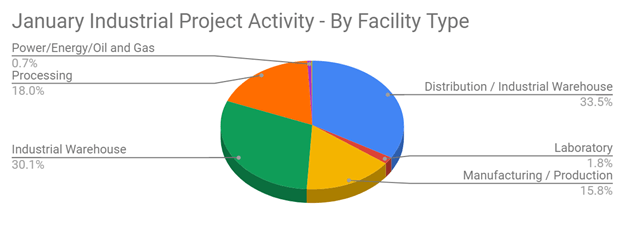
Research by SalesLeads’ experienced industrial market research team, shows 369 new planned industrial projects tracked during the month of January. Planned industrial project activity decreased 15% from the previous month. The following are selected highlights on new industrial construction news and project opportunities throughout North America. Planned Industrial Construction – By Project Type: Manufacturing Facilities – 90 New Projects Processing Facilities – 103 New Projects Distribution and Industrial Warehouse – 191 New Projects Power/Energy/Oil and Gas – 4 New Projects Laboratory Facilities – 10 New Projects Mine – 0 New Projects Terminal – 1 New Project Pipeline – 0 New Projects Planned Industrial Construction – By Scope/Activity New Construction – 177 New Projects Expansion – 83 New Projects Renovations/Equipment Upgrades – 120 New Projects Plant Closing – 23 New Projects Planned Industrial Construction – By Location (Top 10 States) Texas – 28 Florida – 27 New York- 23 California – 22 North Carolina – 19 Indiana – 16 Michigan – 16 Ohio – 15 Wisconsin – 13 Georgia – 12 Largest Planned Industrial Construction Project During January, our research team identified 30 new General Industrial facility construction projects with an estimated value of $100 million or more. The largest project is owned by Pathways Alliance, which is planning to invest $17 billion in the construction of a carbon capture and storage facility in WOOD BUFFALO, AB. They are currently seeking approval for the project. Top 10 Tracked Industrial Construction Projects ONTARIO: Automotive MFR. is considering investing $14 billion for the construction of an EV battery manufacturing facility and currently seeking a site in ONTARIO. ALBERTA: Oil and gas company is planning to invest $3 billion for the construction of a processing facility in WOOD BUFFALO, AB. They are currently seeking approval for the project. Construction will occur in two phases. MISSISSIPPI: Energy technology company is planning to invest $2 billion for the construction of an EV battery manufacturing facility in MARSHALL COUNTY, MS. They are currently seeking approval for the project. OKLAHOMA: Lithium producer is planning to invest $1.2 billion for the construction of a processing facility in MUSKOGEE, OK. They are currently seeking approval for the project. Construction is expected to start in Summer 2024. TEXAS: Renewable energy company is planning to invest $1 billion for the construction of an ammonia processing facility in PORT ARTHUR, TX. They are currently seeking approval for the project. NEBRASKA: Renewable energy company is planning to invest $650 million for the construction of an ammonia processing plant in AURORA, NE. They are currently seeking approval for the project. Construction is expected to start in early 2025, with completion slated for late 2026. NORTH CAROLINA: Diesel engine MFR. is planning to invest $580 million for the expansion and equipment upgrades on their manufacturing facility in WHITAKERS, NC. They are currently seeking approval for the project. ARKANSAS: Oil and gas service company is planning to invest $500 million for the construction of a bromine processing plant in COLUMBIA and LAFAYETTE COUNTIES, AR. They have recently received approval for the project. ILLINOIS: Copper products MFR. is planning to invest $500 million for the expansion and equipment upgrades on their manufacturing facility in EAST ALTON, IL. They are currently seeking approval for the project. CALIFORNIA: Semiconductor MFR. is planning to invest $432 million for the construction of a manufacturing facility in WEST OAKLAND, CA. They are currently seeking approval for the project. About Industrial SalesLeads, Inc. Since 1959, Industrial SalesLeads, based in Jacksonville, FL is a leader in delivering industrial capital project intelligence and prospecting services for sales and marketing teams to ensure a predictable and scalable pipeline. Our Industrial Market Intelligence identifies timely insights on companies planning significant capital investments such as new construction, expansion, relocation, equipment modernization, and plant closings in industrial facilities. The Outsourced Prospecting Services, an extension to your sales team, is designed to drive growth with qualified meetings and appointments for your internal sales team.
Maximizing Warehouse Space: Unleashing potential with Next Level’s Mezzanine Solutions
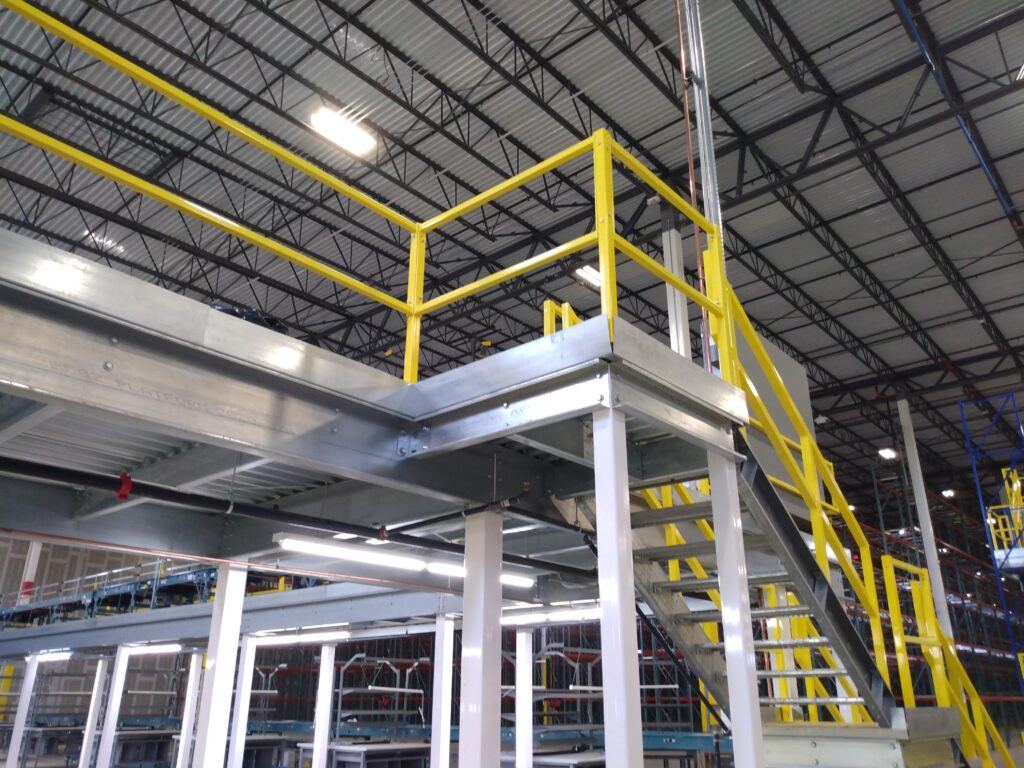
Optimizing warehouse space is a critical endeavor for businesses looking to enhance efficiency and reduce operational costs. One innovative solution gaining popularity is the use of mezzanine systems, and Next Level stands out as a provider that prioritizes strength, stability, and cost-effectiveness. In this article, we explore how Next Level’s mezzanine systems can help you maximize your warehouse space with their robust features and thoughtful design. Section 1: The Strength Advantage Next Level distinguishes itself through an unwavering commitment to providing mezzanine systems with unparalleled strength. The foundation of this strength lies in the meticulous selection of materials and construction techniques employed by Next Level, ensuring that their mezzanine systems offer robust support for diverse loads while maintaining long-term durability. Next Level’s emphasis on utilizing the strongest possible connections within their mezzanine systems speaks directly to the reliability and safety of these structures. Heavy-duty columns, carefully chosen for their load-bearing capabilities, are strategically incorporated to create a solid framework that stands up to the challenges of a bustling warehouse environment. This robust construction not only allows for the efficient use of vertical space but also instills confidence in businesses looking to optimize their storage and operational capacities. Moreover, the strength advantage provided by Next Level’s mezzanine systems contributes to the overall stability of the structure. This is especially crucial in warehouses dealing with heavy inventory or machinery. The mezzanine’s ability to withstand substantial loads without compromising stability ensures a secure and dependable platform for storage or operational needs. Beyond the immediate benefits, the strength advantage becomes a long-term asset for businesses, minimizing concerns related to structural integrity and reducing the likelihood of costly repairs or replacements. By investing in Next Level’s mezzanine systems, businesses can be confident that their warehouse space is fortified with a foundation designed to withstand the rigors of daily operations while providing a robust and enduring solution for maximizing storage capacity. Section 2: Stability without Bracing One of the distinctive features that sets Next Level’s mezzanine systems apart is their innovative design that eliminates the need for knee bracing or diagonal bracing. This design philosophy goes beyond mere aesthetics, presenting tangible benefits in terms of both installation simplicity and the creation of a versatile and unencumbered workspace beneath the mezzanine. Traditional mezzanine structures often require diagonal bracing or knee bracing to enhance stability, which can, in turn, limit the open space below. Next Level challenges this norm by engineering mezzanine systems that boast inherent stability without the need for additional bracing elements. This not only simplifies the installation process but also opens up possibilities for businesses seeking a more flexible and streamlined floor plan. The absence of knee bracing or diagonal bracing beneath the mezzanine creates a spacious and obstruction-free area that businesses can utilize for a variety of purposes. Whether it’s organizing inventory, setting up workstations, or accommodating machinery, the unobstructed space fosters an environment where operational efficiency and adaptability thrive. Furthermore, this design choice contributes to a cleaner and more visually appealing warehouse layout. The absence of additional bracing elements not only enhances the overall aesthetics but also facilitates easier navigation and movement within the warehouse. Businesses can, therefore, design their floor space with greater freedom, optimizing the layout to suit specific operational needs without the constraints imposed by traditional bracing requirements. In summary, Next Level’s commitment to stability without bracing not only simplifies the installation process but also transforms the space beneath the mezzanine into a versatile canvas for businesses to optimize their workflow and spatial efficiency. It’s a testament to Next Level’s forward-thinking approach to mezzanine design, providing a solution that not only meets structural requirements but also enhances the overall functionality and aesthetic appeal of the warehouse environment. Section 3: Zinc Coating for Durability Next Level takes a proactive approach to ensuring the longevity and durability of their mezzanine systems by offering zinc-coated beams, struts, and joists as a standard feature from the factory, without incurring any additional cost. This meticulous coating process involves applying a layer of zinc to the structural components, creating a protective barrier against corrosion, rust, and environmental wear and tear. The zinc coating not only serves as a shield against the harsh conditions commonly found in industrial environments but also enhances the overall lifespan of the mezzanine system. This protective layer acts as a corrosion-resistant barrier, preventing degradation over time and reducing the need for frequent maintenance. As a result, businesses can rely on Next Level’s mezzanine systems for sustained performance, minimizing the risk of structural deterioration that might compromise the safety and functionality of the warehouse space. In addition to its protective qualities, the zinc coating contributes to the aesthetic appeal of the mezzanine components. The clean and polished appearance not only reflects a commitment to quality but also adds a professional touch to the overall warehouse environment. By incorporating zinc-coated elements into their mezzanine systems, Next Level ensures that businesses not only maximize their storage capacity but also invest in a solution that stands the test of time and looks great doing it. Section 4: Cost-Effective Solutions Next Level’s dedication to providing zinc-coated components without additional charges extends beyond durability; it translates into a cost-effective solution for businesses seeking to expand their warehouse space. The decision to include zinc coating as a standard feature without extra cost reflects Next Level’s commitment to delivering value and reducing the total cost of ownership over the lifespan of the mezzanine system. By opting for Next Level’s mezzanine systems, businesses not only benefit from the durability and corrosion resistance of zinc-coated components but also make a strategic investment in long-term cost savings. The reduced need for maintenance and potential replacements due to corrosion leads to lower operational costs and a higher return on investment over time. In summary, Next Level’s combination of zinc coating for durability and a commitment to cost-effective solutions ensures that businesses not only maximize their warehouse space but do so with a keen eye on durability, maintenance costs, and long-term financial benefits. It’s
U.S. Rail Traffic for the week ending February 21, 2024

The Association of American Railroads (AAR) has reported U.S. rail traffic for the week ending February 17, 2024. For this week, total U.S. weekly rail traffic was 474,226 carloads and intermodal units, up 3.7 percent compared with the same week last year. Total carloads for the week ending February 17 were 220,529 carloads, down 0.6 percent compared with the same week in 2023, while U.S. weekly intermodal volume was 253,697 containers and trailers, up 7.9 percent compared to 2023. Seven of the 10 carload commodity groups posted an increase compared with the same week in 2023. They included miscellaneous carloads, up 1,983 carloads, to 9,616; chemicals, up 1,543 carloads, to 33,899; and motor vehicles and parts, up 1,187 carloads, to 14,849. Commodity groups that posted decreases compared with the same week in 2023 were coal, down 7,122 carloads, to 59,534; nonmetallic minerals, down 652 carloads, to 27,126; and petroleum and petroleum products, down 122 carloads, to 9,467. For the first seven weeks of 2024, U.S. railroads reported a cumulative volume of 1,466,059 carloads, down 5.6 percent from the same point last year; and 1,724,189 intermodal units, up 6.7 percent from last year. Total combined U.S. traffic for the first seven weeks of 2024 was 3,190,248 carloads and intermodal units, an increase of 0.7 percent compared to last year. North American rail volume for the week ending February 17, 2024, on 12 reporting U.S., Canadian, and Mexican railroads totaled 331,196 carloads, down 1.0 percent compared with the same week last year, and 337,305 intermodal units, up 7.6 percent compared with last year. Total combined weekly rail traffic in North America was 668,501 carloads and intermodal units, up 3.2 percent. North American rail volume for the first seven weeks of 2024 was 4,443,897 carloads and intermodal units, down 0.2 percent compared with 2023. Canadian railroads reported 92,737 carloads for the week, down 3.0 percent, and 70,767 intermodal units, up 5.0 percent compared with the same week in 2023. For the first seven weeks of 2024, Canadian railroads reported cumulative rail traffic volume of 1,069,472 carloads, containers and trailers, down 4.0 percent. Mexican railroads reported 17,930 carloads for the week, up 5.0 percent compared with the same week last year, and 12,841 intermodal units, up 19.2 percent. Cumulative volume on Mexican railroads for the first seven weeks of 2024 was 184,177 carloads and intermodal containers and trailers, up 6.7 percent from the same point last year. To view the weekly rail charts, click here.
Governors America Corp. welcomes Jeff Little as director of product management

Oklahoma resident brings nearly three decades of experience to his role Governors America Corp. (GAC) recently welcomed Jeff Little as its new director of product management. “We’re thrilled to bring Jeff on board,” said Sean Collins, President and CEO. “He has decades of experience in the field, particularly in the area of instrumentation, display and control products for the industrial stationary, off-highway and recreational power sports market. His insight and expertise are exceptionally valuable.” As director of product management, Little’s responsibilities include aligning product strategy with business goals; driving product discovery, market research and competitor research; driving innovation and new product development initiatives; communicating product vision and strategy to stakeholders; and monitoring and maintaining product health. Little, a resident of Sapulpa, Oklahoma, received his B.S. in electrical engineering from Mississippi State University. He has garnered 27 years of experience in the industry, most recently as director of product management at Enovation Controls.
January 2024 remains steady with 66 New Food and Beverage Industry planned projects
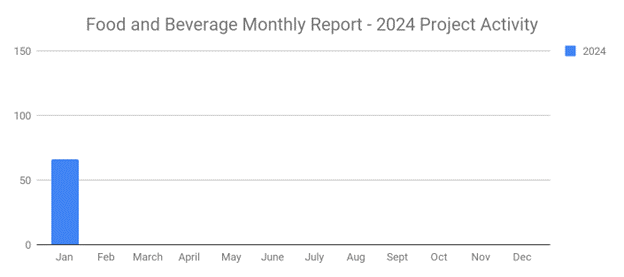
SalesLeads has announced the January 2024 results for the new planned capital project spending report for the Food and Beverage industry. The Firm tracks North American planned industrial capital project activity; including facility expansions, new plant construction and significant equipment modernization projects. Research confirms 66 new projects in the Food and Beverage sector as compared to 67 in December 2023. The following are selected highlights on new Food and Beverage industry construction news. Food and Beverage Project Type Processing Facilities – 47 New Projects Distribution and Industrial Warehouse – 24 New Projects Food and Beverage Project Scope/Activity New Construction – 24 New Projects Expansion – 16 New Projects Renovations/Equipment Upgrades – 29 New Projects Plant Closing – 4 New Projects Food and Beverage Project Location (Top 10 States) Florida – 9 California – 6 New York – 6 Michigan – 4 Ohio – 4 Pennsylvania – 4 Indiana – 3 Virginia – 3 Wisconsin – 3 Georgia – 2 Largest Planned Project During January, our research team identified 3 new Food and Beverage facility construction projects with an estimated value of $100 million or more. The largest project is owned by Natures Bakery, which is planning to invest $237 million for the construction of a 339,000 SF processing facility in SALT LAKE CITY, UT. They have recently received approval for the project. Completion is slated for Summer 2025. Top 10 Tracked Food and Beverage Projects ONTARIO: Sugar producer is planning to invest $135 million for the construction of a processing facility in HAMILTON, ON. They are currently seeking approval for the project. Completion is slated for 2025. CALIFORNIA: Global retail chain is planning for the construction of a 1.8 million SF distribution and warehouse complex in TRACY, CA. They are currently seeking approval for the project. NEBRASKA: Meat processing company is planning to invest $43 million for the expansion of their processing facility in HASTINGS, NE by 11,000 SF. They are currently seeking approval for the project. ARKANSAS: Bakery company is planning to invest $37 million for the expansion and equipment upgrades on their processing facility at 2700 E. 3rd Street in HOPE, AR. They have recently received approval for the project. WISCONSIN: Candy MFR. is planning for the renovation and equipment upgrades on a recently leased 447,000 sf distribution center at 9403 136th Ave. in BRISTOL, WI. They will relocate a portion of their regional distribution operations upon completion in Summer 2024. ILLINOIS: Distillery is planning for the renovation and equipment upgrades on a 157,000 SF production and warehouse facility at 2400 SW Washington St. in PEORIA, IL. They are currently seeking approval for the project. GEORGIA: Herbal supplement MFR. is planning for the renovation and equipment upgrades on an 85,000 SF of warehouse space at 2323 Brown Rd. in BUFORD, GA. They are currently seeking approval for the project. MICHIGAN: Pickle products MFR. is planning to invest $10 million for the expansion of their processing and warehouse facility in LEXINGTON, MI. They are currently seeking approval for the project. NORTH CAROLINA: Distillery is planning to invest $10 million for the construction of a 28,000 SF production facility at 178 Old Airport Rd. in STATESVILLE, NC. They are currently seeking approval for the project. FLORIDA: Snack food MFR. is planning for the construction of a 104,000 SF distribution center at 9111 Cheetos Cir. in FORT MYERS, FL. They are currently seeking approval for the project. About Industrial SalesLeads, Inc. Since 1959, Industrial SalesLeads, based in Jacksonville, FL is a leader in delivering industrial capital project intelligence and prospecting services for sales and marketing teams to ensure a predictable and scalable pipeline. Our Industrial Market Intelligence identifies timely insights on companies planning significant capital investments such as new construction, expansion, relocation, equipment modernization and plant closings in industrial facilities. The Outsourced Prospecting Services, an extension to your sales team, is designed to drive growth with qualified meetings and appointments for your internal sales team.