
JCB breaks ground on a new $500 million North American factory

On June 4th, JCB began work on a new $500 million factory in San Antonio, Texas – the biggest investment in the company’s history. An official groundbreaking ceremony at the site marked the beginning of construction, where The Hon. Alice Bamford, the daughter of company Chairman Anthony Bamford, as she turned the first shovelful of dirt on the property. Work on the 720,000 sq. ft. (67,000m²) factory is underway on the 400-acre site. It will be the company’s second-largest plant, rivaled only by JCB’s world headquarters in Rocester, Staffordshire, England, and create 1,500 new jobs over five years. The factory will make Loadall telescopic handlers and aerial access equipment, with production scheduled to start in 2026. The factory will also have the capacity to expand and build other products in the future. Chairman Lord Bamford said: “Construction equipment manufacturers sell more than 300,000 machines every year in North America, making it the single largest market in the world. JCB has been growing its share of this important market steadily over the past few years and the time is now right to invest in our manufacturing capacity in North America, where we already have one factory.” “JCB really has come a considerable way since we sold our first machine here 60 years ago and it gives me immense pleasure to see how our business has grown in North America. Today really is a milestone day in the history of our family company,” Bamford says. “Texas was this year named as The Best State for Business for a record-breaking 20th year, and I am proud to welcome JCB as the newest business to call our great state home,” said Governor Greg Abbott. “Today’s groundbreaking marks a major milestone in JCB’s journey that will create 1,500 good-paying jobs for hardworking Texans in Bexar County and bring hundreds of millions of new capital investment to San Antonio and beyond. ‘Made in Texas’ is truly a powerful global brand, and I look forward to celebrating JCB’s continuing success as we work together to build a bigger, better Texas for decades to come.” JCB CEO Graeme Macdonald said: “JCB’s business in North America has made tremendous progress in the past few years and the opportunity for growth here is vast. This record investment gives us a fantastic opportunity to build on our success and we look forward to the completion of this great new facility.” Richard Fox-Marrs, President & CEO of JCB North America, said: “The Loadall telescopic handler is JCB’s biggest selling product in North America and it is also the single largest market for aerial access equipment worldwide, and therefore, it makes great sense to build these two ranges here.” “Texas is an obvious choice for our new North American manufacturing facility, not least because the state is the largest consumer of construction equipment in the USA. San Antonio is also the logical choice as a location for our new factory because of its central location, proximity to the supply chain and great local labor force. We are really excited about JCB’s new San Antonio factory and for the future of our business in North America,” says Fox-Marrs. JCB sold its first machine in North America in 1964 and opened its first US manufacturing plant in 2001 in Savannah, Georgia, which employs 1,000 people. The new facility will manufacture machines for customers specifically in North America. JCB employs 19,000 people globally and has 22 factories around the world, including 11 in the UK, seven in India, and others in Brazil and China. The company will mark its 80th anniversary in 2025.
Keeping sustainability on track: it needs the right tire
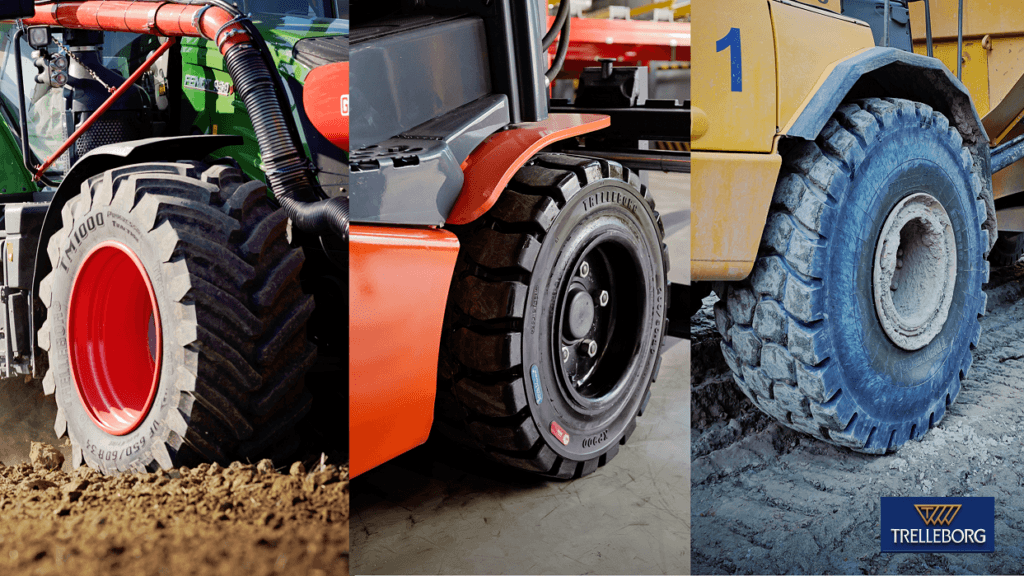
It’s time to rethink the way we make tires, and the off-highway segment is no exception to this global imperative, driven by sustainability in the first place. The escalating costs of petroleum-based rubber, coupled with manufacturers’ demand for materials that boost operational efficiency and cut long-term expenses, have emerged as potent motivators, while regulatory bodies have also entered the fray, underlining the necessity for eco-friendly solutions in tire production and recycling processes. New ranges of innovative products, engineered to optimize performance while minimizing environmental footprints, are consequently making their debut in the market, shining as beacons of sustainability; and, among them, Trelleborg Tires stands out as a compelling story to be shared. Cutting-edge tire technology as a sustainability engine While the sustainable impact of tires has been frequently overlooked, Trelleborg Tires has been making a name for itself through a revolutionary approach to materials sourcing and manufacturing processes. By harnessing renewable resources and employing advanced production techniques, Trelleborg Tires is nowadays capable of delivering tire solutions that not only perform exceptionally but also reduce carbon emissions and environmental footprint significantly. For instance, the TM1 ECO POWER tire, engineered for both electric and fuel-powered tractors, incorporates 65% bio-based and recycled materials, offering superior performance at the highest environmental standards, and ultimately promoting responsible sourcing and manufacturing practices. Similarly, the XP1000 advanced treads for material handling equipment are crafted from high-performance compounds made with recycled materials, ensuring longevity and significant emissions reduction, also thanks to an exclusive Pit Stop Line that minimizes waste. These unique features contribute to a reduction in carbon emissions on the order of 110 tons of CO2, equivalent to the pollution generated by nearly 800,000 kilometers of driving. Eventually in the construction segment, the EMR range is specifically designed for loader, dumper, and grader applications, with a robust carcass to support eventual retreading. Tires that keep you going, durable and efficient design for maximized performances Beyond the tire composition, Trelleborg Tires has prioritized fuel and energetic efficiency as a key feature of its sustainable tire offerings, providing solutions that enable vehicle operators to not only save money, but also increase productivity and contribute to a greener and more sustainable future. Design is key: thanks to its tread central rib, the TM1 ECO POWER has proven extremely low rolling resistance which enables low fuel consumption and extended battery usage, proving an astounding 47% improvement versus a premium standard tire. In the same way, the advanced construction and compound formula of the XP1000 provides for extra battery power for electric forklifts and reduces fuel consumption for internal combustion truck; and the strong radial carcass and state of the art compound of the EMR1030 tire assure a long operational life made of low fuel consumption and equal load distribution. The man behind the wheel comes first A comfortable driving experience is paramount for operators’ safety and efficiency. By reducing accidents, it becomes a key sustainable feature for tires as well as sustainable asset for companies. Trelleborg Tires has recognized this. For example, the TM1 ECO POWER offers from 5% to 10% less deflection compared to the premium standard agricultural tire, leading to reduced deformation under load, and offering improved stability during both transportation and daily farm operations, while the XP1000 middle cushion layer absorbs road roughness, minimizing vibrations while maximizing operator comfort and safety. Ultimately, the multi surface tread design of the EMR series delivers control and perfect grip when it’s needed the most, whether on sand, rock, gravel, or soil. Through all these examples, Trelleborg’s sustainable tire innovations represent a paradigm shift in the off-highway tire industry, where green design and performance converge to shape the future of the segment. By championing sustainability at every stage of the tire lifecycle, Trelleborg Tires is not only redefining industry standards but also reaffirming its commitment to creating a more sustainable world for generations to come.
AAR reports Weekly Rail Traffic for the week ending June 8, 2024
The Association of American Railroads (AAR) has reported U.S. rail traffic for the week ending June 8, 2024. For this week, total U.S. weekly rail traffic was 489,916 carloads and intermodal units, up 4.1 percent compared with the same week last year. Total carloads for the week ending June 8 were 218,234 carloads, down 4.4 percent compared with the same week in 2023, while U.S. weekly intermodal volume was 271,682 containers and trailers, up 12.2 percent compared to 2023. Six of the 10 carload commodity groups posted an increase compared with the same week in 2023. They included grain, up 2,350 carloads, to 18,912; petroleum and petroleum products, up 1,836 carloads, to 11,102; and farm products excl. grain, and food, up 1,556 carloads, to 17,436. Commodity groups that posted decreases compared with the same week in 2023 included coal, down 10,298 carloads, to 54,797; nonmetallic minerals, down 3,999 carloads, to 30,879; and metallic ores and metals, down 1,903 carloads, to 19,224. For the first 23 weeks of 2024, U.S. railroads reported a cumulative volume of 4,901,744 carloads, down 5.0 percent from the same point last year; and 5,840,146 intermodal units, up 8.8 percent from last year. Total combined U.S. traffic for the first 23 weeks of 2024 was 10,741,890 carloads and intermodal units, an increase of 2.0 percent compared to last year. North American rail volume for the week ending June 8, 2024, on 10 reporting U.S., Canadian, and Mexican railroads totaled 325,376 carloads, down 2.6 percent compared with the same week last year, and 354,865 intermodal units, up 8.3 percent compared with last year. Total combined weekly rail traffic in North America was 680,241 carloads and intermodal units, up 2.8 percent. North American rail volume for the first 23 weeks of 2024 was 15,127,364 carloads and intermodal units, up 2.0 percent compared with 2023. Canadian railroads reported 89,664 carloads for the week, up 3.7 percent, and 70,833 intermodal units, down 2.2 percent compared with the same week in 2023. For the first 23 weeks of 2024, Canadian railroads reported a cumulative rail traffic volume of 3,705,477 carloads, containers, and trailers, up 0.7 percent. Mexican railroads reported 17,478 carloads for the week, down 10.0 percent compared with the same week last year, and 12,350 intermodal units, down 4.7 percent. Cumulative volume on Mexican railroads for the first 23 weeks of 2024 was 679,997 carloads and intermodal containers and trailers, up 8.6 percent from the same point last year. To view the weekly US rail traffic chart, click here.
US Cutting Tool Orders totaled $214.7 Million in April 2024, Raising Year-to-Date total nearly 5% over 2023

Shipments of cutting tools, measured by the Cutting Tool Market Report compiled in a collaboration between AMT – The Association For Manufacturing Technology and the U.S. Cutting Tool Institute (USCTI), reached $214.7 million in April 2024. Orders increased by 1.1% over March 2024 and grew by 13% over April 2023. Year-to-date shipments totaled $846.1 million, nearly 5% above shipments made in the first four months of 2023. “While April 2024 shipping numbers do show an increase from those of 2023, caution continues due to many uncertainties ahead for the remainder of 2024,” said Steve Boyer, president of USCTI. “Uneven growth and turbulence have continued to impact cutting tool orders through the first quarter of 2024, and there have been some downgrades in expected needs from the aerospace sector, leading to stagnation in new orders.” Costikyan Jarvis, president of Jarvis Cutting Tools, expanded on Boyer’s analysis, saying, “The industrial sector of the economy continues to move sideways. While the value of cutting tool shipments is up about 5% over last year, the flatter growth rate in units shows that inflationary pressures are still present.” Looking forward, Jarvis said: “There are two big ‘ifs’ that could result in improved demand during the second half of the year. The first is that the overall production remains consistent. The second is if Boeing can start ramping up production of the 737 to the FAA limit of 38 per month. If those two things can happen, the cutting tool industry might be positioned for growth in both revenue and volumes.” The Cutting Tool Market Report is jointly compiled by AMT and USCTI, two trade associations representing the development, production, and distribution of cutting tool technology and products. It provides a monthly statement on U.S. manufacturers’ consumption of the primary consumable in manufacturing – the cutting tool. Analysis of cutting tool consumption is a leading indicator of both upturns and downturns in U.S. manufacturing activity, as it is a true measure of actual production levels. Historical data for the Cutting Tool Market Report is available dating back to January 2012. This collaboration of AMT and USCTI is the first step in the two associations working together to promote and support U.S.-based manufacturers of cutting tool technology. The graph below includes the 12-month moving average for the durable goods shipments and cutting tool orders. These values are calculated by taking the average of the most recent 12 months and plotting them over time. AMT – The Association For Manufacturing Technology represents and promotes U.S.-based manufacturing technology and its members – those who design, build, sell, and service the continuously evolving technology that lies at the heart of manufacturing. Founded in 1902 and based in Virginia, the association specializes in providing targeted business assistance, extensive global support, and business intelligence systems and analysis. AMT is the voice that communicates the importance of policies and programs that encourage research and innovation, and the development of educational initiatives to create tomorrow’s Smartforce. AMT owns and manages IMTS – The International Manufacturing Technology Show, which is the premier manufacturing technology event in North America. The United States Cutting Tool Institute (USCTI) was formed in 1988 and resulted from a merger of the two national associations representing the cutting tool manufacturing industry. USCTI works to represent, promote, and expand the U.S. cutting tool industry and to promote the benefits of buying American-made cutting tools manufactured by its members. The Institute recently expanded its by-laws to include any North American manufacturer and/or remanufacturer of cutting tools, as well as post-fabrication tool surface treatment providers. Members, which number over 80, belong to seven product divisions: Carbide Tooling, Drill & Reamer, Milling Cutter, PCD & PCBN, Tap & Die, Tool Holder and All Other Tooling. A wide range of activities includes a comprehensive statistics program, human resources surveys and forums, development of product specifications and standards, and semi-annual meetings to share ideas and receive information on key industry trends.
Matrix appoints Chris Shay as South-Central Regional Sales Manager

Chris Shay is their point of contact for Matrix vertical form fill and seal packaging customers in the South-Central region of the United States. In his role, Shay will be working with integrators, copackers, and end-user customers to expand the company’s growing vertical form-fill-seal packaging business. Matrix is a provider in vertical form fill seal packaging equipment producing a variety of flexible bag styles, including pillow, gusseted, flat bottom, and modified doy. Shay comes to Matrix after a 10-year career holding engineering and sales positions at Formers International, a manufacturer of hand-crafted form fill and seal bag forming assemblies. Shay’s background gives him distinct insight into packaging industry design and customer needs, enabling him to recommend the best vertical form-fill-seal packaging solution to maximize ROI for customers’ specific applications. “I’m excited to apply my experience to help guide customers toward the right packaging system to meet or exceed their sales and production goals,” Shay said. “Matrix is a progressive company that’s become the foremost leader in vertical form fill seal technology, and I’m very happy to be joining their team of talented professionals.” Shay is based in Houston, Texas. Matrix’s South-Central region encompasses eight states from Montana south to Texas. He can be reached at [email protected].
StayLinked’s research identifies average warehouse loses $400,000 per year due to hidden productivity killer
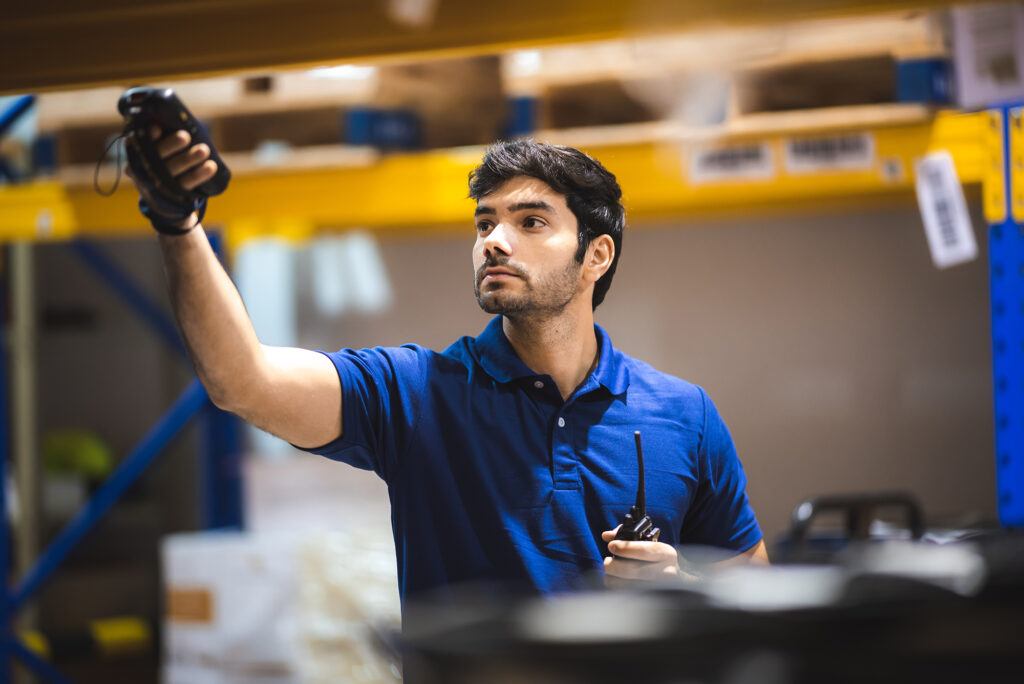
First-of-its-kind research shows productivity and profitability loss caused by ‘dropped sessions’ StayLinked’s research report, titled ‘Dropped Sessions – The Hidden Productivity Killer’, is the first to explore the impact of dropped sessions with those directly involved in warehouse operations: the warehouse worker. Dropped sessions occur when the connection is lost between a worker’s mobile device and the warehouse management system (WMS). The report reveals that over 30% of workers experience a dropped session at least once per hour. Each worker incurs an average of 50 minutes of lost productivity per day resolving dropped sessions. The average cost of dropped sessions per worker, per day is $29.23. For a warehouse with 50 workers, this equates to $1,461.67 a day and over $400,000 a year. In the majority of warehouses, dropped sessions are deemed to be a standard occurrence that workers simply endure. However, the impact goes further than simply productivity. Workers often lose all access to the workflow task they were in the process of completing, which can include the associated data. Resolving the issue often requires them to log in again and repeat the task – or even swap their device for a new one – increasing the risk of missed service level agreements (SLAs) and financial penalties. “Dropped sessions cost warehouses significant amounts in lost profitability. That’s what this report, which is the first look at the impact of dropped sessions from a warehouse worker’s perspective, tells the market,” said Justin Griffith, chief technology officer, StayLinked. “It also reveals that warehouse operations managers are not fully aware that dropped sessions are a single identifiable problem that is impacting efficiency, driving up hidden costs, and eating away at the bottom line.” These hidden costs around dropped sessions don’t just affect warehouse workers. For example, StayLinked’s report reveals that 33% of warehouse workers said they need to enlist the help of costly and valuable IT support to regain connectivity. “Warehouse managers may have overlooked dropped sessions as being a prolific productivity killer because ‘dropped sessions’ is not a term used by warehouse workers when experiencing connection issues,” continued Griffith. “Workers refer to program crash, black screen, system crash, power failure, glitch, mobile device outage, and many other descriptions, which makes it challenging for warehouse managers to identify dropped sessions as being the major cause of workflow disruptions.” The report also revealed that warehouse managers and workers alike often regard dropped sessions as ‘inevitable’, ‘part of the job’ and ‘that’s just how terminal emulation (TE) software works’ – terminal emulation software is used by over half of warehouses around the world. Worryingly, for mobile device manufacturers, 47% of respondents believe that dropped sessions are caused by the hardware. “Our report shows the importance of raising awareness among warehouse operations managers that dropped sessions shouldn’t be a regular daily disruption to worker productivity, and are not caused by the mobile device hardware,” added Griffith. “The deployment of the right TE software delivers session persistence by enabling the worker’s workflow session to reside on a resident server and not on the worker’s mobile device. This ensures that if connectivity issues arise, connectivity to the WMS and the resulting data is not lost, even in 5G and private-5G network environments,” explained Griffith. “I don’t think any supply chain organization or warehouse operator can afford not to address dropped sessions. For the average warehouse employing 50 workers, their bottom line could be boosted by up to $400,000,” stated Griffith. “From our calculations, if dropped sessions were eliminated throughout the entire industry, up to $3.2 billion could be saved.” A copy of the report: ‘Dropped Sessions – The Hidden Productivity Killer’, can be downloaded here: https://info.staylinked.com/session-persistence-report2024
Thermal Runaway: Counterfeit or knockoff Lithium-Ion Battery Warning: Proper handling of overheating Lithium-Ion Batteries

Video from Power Tool Institute details correct procedures The Power Tool Institute, an organization for power tool safety resources, information, and education, has released a new video demonstrating how to properly handle a battery that’s in thermal runaway. A lithium-ion battery that is too hot to touch, melting, smoking, or on fire may be in thermal runaway, which can be caused by misusing or abusing the battery, such as by dropping, puncturing, damaging, or exposing the battery to liquids. Lithium-ion batteries, when purchased by an OEM for their respective tools, are safe. More and more counterfeit and knockoff batteries have appeared on the market and can cause serious issues, including fires. As detailed in the video, the quickest way to cool down and stop an overheating lithium-ion battery is to immerse the battery in a sturdy container filled with water and keep it there for 24 hours. The new video can be viewed at https://www.takechargeofyourbattery.com/videos/safe-handling-of-overheated-lithium-ion-batteries/. Before immersing a battery, there are some things to keep in mind: Don’t physically touch the battery to move it; instead, use something like a long-handled shovel. Wear PPE to protect eyes and skin. Move the battery at least 15 feet away from combustible materials. If the battery is connected to a tool or charger, don’t try to disconnect it. It’s better to sacrifice those items than risk being injured. Put them in the water as well. Be sure to first unplug the charger from the wall outlet. It’s important to leave the battery immersed for at least 24 hours so additional cells within the battery don’t re-ignite. Even if you don’t see flames, the thermal runaway may not be over. While one cell is cooling down, a different cell might be heating up. Once it is safe to dispose the battery, never throw it into the trash or a municipal recycling bin. Instead, take it to a local recycling center or place it in a receptacle specifically designed for recycling batteries. In general, when you take care of your batteries, they will take care of you. However, it’s still important to be aware of proper safety procedures in the event of an emergency like thermal runaway. For more information and helpful power tool safety tips, visit https://www.powertoolinstitute.com/.
PAC Machinery introduces a new motorized adjustable height stand for tabletop baggers

PAC Machinery, a provider of packaging for more than 60 years, has introduced new bagger accessories and resources that make bagging with tabletop automatic baggers even better! They have announced a new Motorized Adjustable Height Stand for automatic tabletop-style bagging machines. This new motorized stand adjusts the bagger height from 22 to 34 inches. This allows the operator to adjust the bagger’s seal height/loading height to best suit the operator and is more ergonomic than PAC’s fixed height stand. Effortlessly adjust the tabletop bagger’s height with the push of a button. Place it anywhere in a facility near an electrical outlet. This stand is ideal for PAC Machinery models Rollbag R785, R1275, and R1285. Using the new motorized adjustable height stand, allows the user to also add PAC’s Motorized Conveyor (see options section). Bags drop down from the bagger onto the stainless conveyor that gets placed in front of the bagger. Products travel up the adjustable incline section which has a height of approximately 35”. Conveyor is available in 10″ & 16″ widths. The new Motorized Adjustable Height Stand also allows the operator to use the Weigh Count Sorting Table to count and bag specific item quantities or weights – that is ideal for small parts packaging. Two New downloadable resources are now available on our website. Download our NEW bags brochure to see our wide selection of custom bags for your bagger and our NEW Stock Bags download is also a great resource!
National Forklift Safety Day: Yale Reliant operator assistance technology reaches 14 million hours of real-world run time
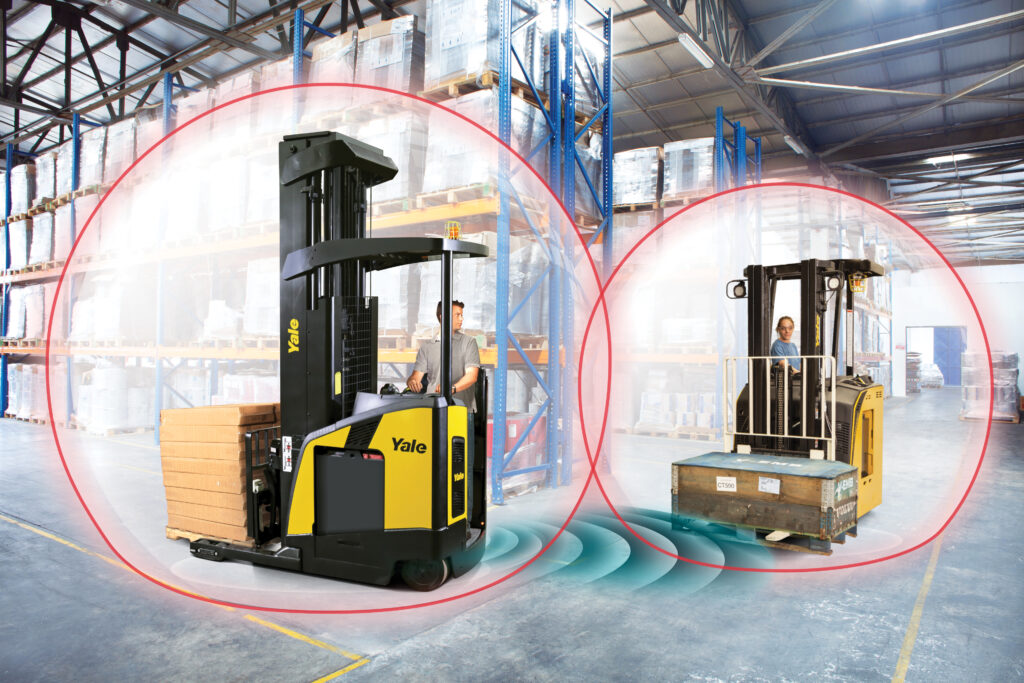
Yale Lift Truck Technologies announces a major milestone for its Yale Reliant™ operator assistance technology to mark the 11th edition of National Forklift Safety Day. Since its launch as a first-of-its-kind solution in 2021, Yale Reliant has since accumulated over 14 million run-time hours across over 6,000 commercially deployed lift truck units. The award-winning technology reinforces lift truck operating best practices and supports operator awareness to help reduce the risk of accidents and close calls like a pedestrian unexpectedly walking in front of a lift truck or an operator traveling too quickly around turns. “Warehouses are pushed to the limit trying to keep up with productivity targets, but they can’t take their focus off safety, especially with a shrinking, transient labor pool that brings an influx of inexperienced lift truck operators,” says Brad Long, Brand Manager, Yale Lift Truck Technologies. “National Forklift Safety Day is an annual reminder of the everyday, year-round importance of operator training and best practices, and the proven track record of Yale Reliant is a testament to technology’s real-world value for warehouses as they seek tools to help protect their employees, inventory and bottom line.” Yale Reliant automatically applies interventions in response to compromised stability, when obstacles are detected in the path of travel or in close proximity, and even based on rules customers specify for certain areas of their warehouse. Adjustments, such as a reduction in travel speed or a smoothing of forklift or tilt movement, are carefully measured to avoid abrupt shifts or jerks that can upset stability. Yale Reliant keeps the operator in ultimate control of the lift truck, but the changes remain noticeable enough for operators to feel. The system also communicates the cause through a display screen, providing an additional layer of feedback to help reinforce proper operation established during training. The growth of warehousing and distribution in the past decade has led to an increased focus on safety in the industry from the U.S. Department of Labor. In July 2023, the Occupational Safety and Health Administration (OSHA) announced a national emphasis program (NEP) to reduce and prevent workplace hazards in warehousing and distribution center operations, and powered industrial truck (PIT) operations are part of the program’s focus. To help warehouse managers understand how the NEP affects them and how to establish a safety culture, Yale offers on-demand events featuring input from state-level occupational safety and health leaders and in-house experts.
PFlow Industries named a Southeast Wisconsin Top Workplace
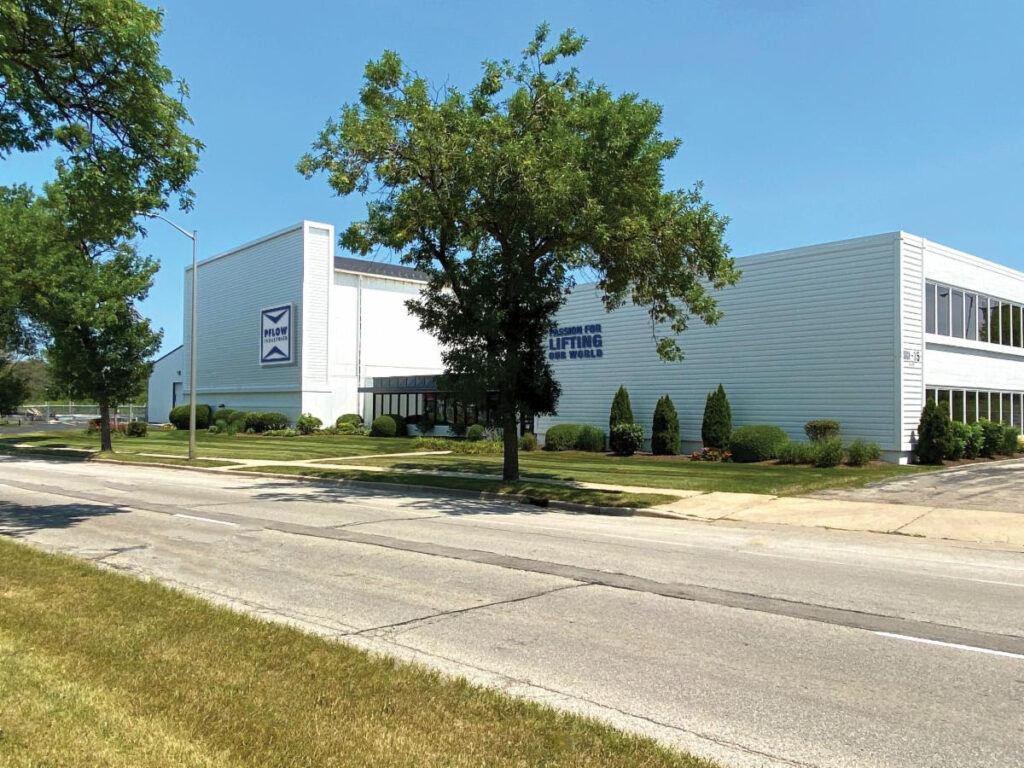
Award dedicated to rewarding people-first culture excellence PFlow Industries, the pioneer in vertical reciprocating conveyor (VRC) technology, announces that it has been named a 2024 Top Workplace winner by the Milwaukee Journal Sentinel, which recognized 169 Milwaukee and Southeast Wisconsin companies and organizations as winners. PFlow won a Southeast Wisconsin “Top Workplaces” award, placing #37 in a group of 61 mid-sized companies. Top Workplaces award winners are determined entirely by employee survey feedback gathered by the Energage Platform’s Workplace Survey, a research-backed employee engagement survey that measures the workplace experience to drive award-winning, people-first cultures. The program uses a proprietary approach that combines a wealth of data and industry-leading benchmarks to ensure winners represent cultural greatness. “Being a 100 percent employee-owned company is advantageous for both employees and customers, and I am extremely proud that PFlow has been recognized as a Top Workplace,” said Pat Koppa, President at PFlow Industries. “PFlow is focused on delivering innovative, robust, and reliable vertical material lifting solutions that are built to last. We are dedicated to encouraging a supportive work culture, providing best-in-class products and service for our customers, and improving the lives of those in our community through volunteer service and community giving efforts – “lifting our world” by putting people first.” The Workplace Survey qualifies each winning company for Top Workplaces employer recognition throughout the year, including regional, national, cultural excellence, and industry awards.
Episode 492: Driving innovation in supply chains with PepsiCo Labs

Today’s episode of The New Warehouse Podcast features Anna Farberov, the General Manager at PepsiCo Labs. Anna is at the forefront of technological innovation at PepsiCo, exploring and implementing cutting-edge solutions to enhance efficiency across their supply chain. In this episode, Anna delves into the inner workings of PepsiCo Labs, their approach to innovation, and world-changing technologies that are revolutionizing their operations from seed to shelf. The Integrated Value Chain of PepsiCo PepsiCo’s operations span the entire supply chain, making their approach to supply chain innovation uniquely comprehensive. Anna explains, “We start with what we call ‘seed to shelf.’ We own the seed, we grow the potatoes, and we use our own trucks to ship them.” This vertical integration means that PepsiCo controls every step, from agriculture to direct store delivery, ensuring quality and efficiency throughout. Anna highlights the sheer scale of their operations, noting that small changes can lead to significant impacts. “Imagine if we find a way to grow potatoes better or use less water in our irrigation. Even improving the throughput of our warehouses can have a huge impact,” she says. This comprehensive control allows PepsiCo Labs to target innovations that can deliver substantial benefits across various touchpoints in their supply chain. Taking a Pragmatic Approach to Innovation in Supply Chains PepsiCo Labs takes a pragmatic approach to innovation in supply chains, focusing on solving specific business problems rather than chasing the latest tech trends. “We look at what are the biggest problems in the business, go to the business experts, and ask them what we can solve,” Anna explains. This problem-first strategy ensures that the innovations they adopt are both relevant and impactful. One example Anna shares is their approach to eCommerce warehousing. “We needed a solution for eCommerce that required a large number of SKUs moving fast in a small footprint. This led us to micro-fulfillment centers with automated storage and retrieval systems,” she explains. By focusing on the specific needs of their eCommerce operations, PepsiCo Labs was able to implement solutions that improved efficiency without compromising product availability. Balancing Technology with Human Elements While automation and technology are crucial, Anna emphasizes the importance of centering supply chain innovations around the human element. “You can’t just throw a lot of tech or robotics at a warehouse and expect it to happen. You need to center it around the human element and bring the people with you on the journey,” she states. This approach ensures that technological advancements enhance rather than disrupt the work environment for PepsiCo employees. Anna shares a practical example: “We’ve implemented a scanning solution that can capture multiple labels in one photo, reducing the repetitive task of scanning labels individually.” This not only improves efficiency but also enhances the work experience for employees by eliminating tedious tasks. Key Takeaways PepsiCo controls its supply chain from “seed to shelf,” allowing targeted innovations with significant impacts. Focusing on solving specific business problems ensures relevant and impactful technological adoption. Centering innovations around employees enhances efficiency while improving the work environment. The New Warehouse Podcast EP 492: Driving Innovation in Supply Chains with PepsiCo Labs
Bobcat expands Tractor lineup with introduction of utility tractors
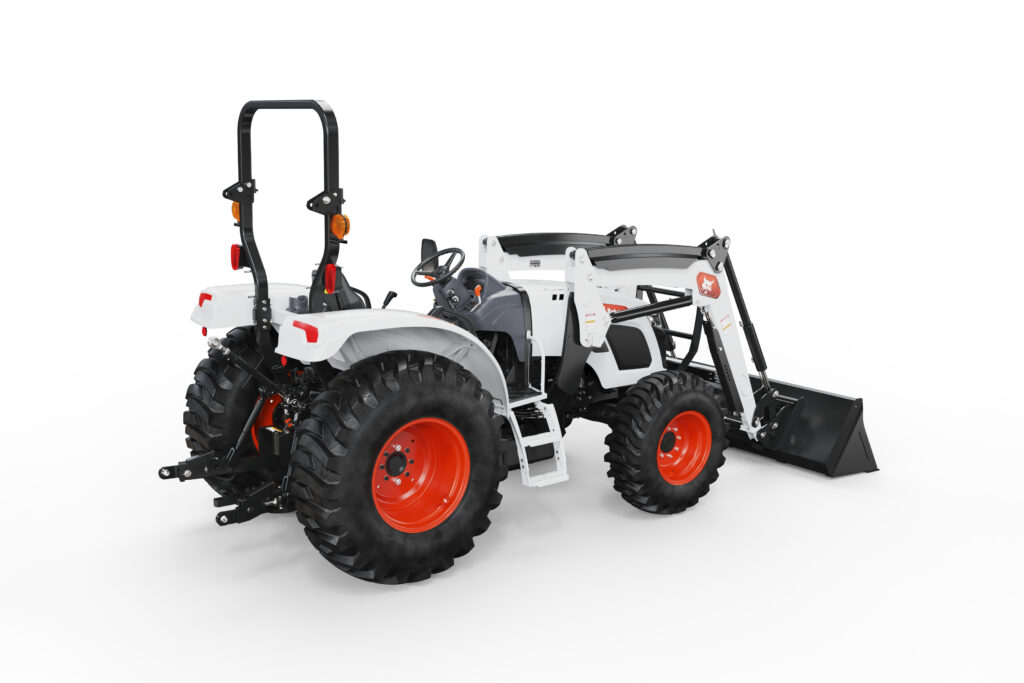
Bobcat Company is expanding its tractor lineup with the launch of three utility tractors: the Bobcat UT6066, UT6566, and UT6573. Bobcat utility tractors are built for heavy-duty work while making it easier for operators of all experience levels to accomplish more on their acreage. “Designed with intuitive, operator-friendly controls, Bobcat utility tractors are dependable, easy to operate, and highly versatile machines that maximize performance and productivity,” said Jonathan Widmer, Bobcat senior product specialist. “There’s less demand on operators so they can focus more on leaving behind great results, whether they’re putting an implement to work or moving material with the tractor’s loader.” Bobcat utility tractors feature 12×12 power shuttle transmissions that deliver smooth, easy shifting without stepping into a clutch pedal. Powered by turbocharged, Tier 4 diesel engines, these versatile workhorses offer robust, high-power performance with impressive low-end torque, plus an efficient fuel system. The tractors offer reliable starts, swift travel speeds, long component life, easy service access, and simple maintenance, as well as reduced noise and vibration for comfortable workdays behind the wheel. The climate-controlled cab, which comes standard on the UT6566 and UT6573, provides year-round comfort no matter the weather conditions. The utility tractors also feature wide glass panels, convenient visibility to the 3-pt hitch, power and tilt steering, and ergonomic controls that are thoughtfully laid out to enhance operator performance and minimize fatigue. Implement and Attachment Versatility The optional Bobcat front-end loader is easy to attach and disconnect, with free-standing capability when removed. The loader delivers impressive lift and reach capabilities for maximum productivity. It comes with the Bobcat Bob-Tach® attachment mounting system for quick and easy attachment changes and an integrated hydraulic valve for powered attachment operations. The mechanical, self-leveling loader keeps pallet forks level throughout the full range of motion and minimizes bucket spillage. Bobcat utility tractors feature a rear power take-off (PTO) that achieves 540 rpm at engine speeds of either 1,800 rpm or 2,500 rpm for maximum power. The Category 2, 3-point hitch is key to Bobcat utility tractors’ versatility, allowing operators to take on tasks that require both non-powered and PTO-powered implements. The telescopic lower links and stabilizers support easy implement connections and removals without the need for tools. Rear-remote hydraulics further enhance these tractors’ implement versatility. Operators can engage the PTO with just the push and turn of a button. Other performance-enhancing features include: PTO Cruise enables operators to maintain consistent PTO power when the engine’s load conditions change. Draft Control helps maintain the desired implement height, raising the implement only when required to prevent tire slippage or engine stall. Four-Wheel Drive engages at the push of a button. Rear-Remote Hydraulics offer operators greater versatility by enabling hydraulic functions for many implements. Power and Tilt Steering supports operator comfort and minimizes fatigue. Mechanical Self-leveling keeps the loader bucket or pallet forks level and minimizes bucket spillage. Loader Floatation allows the loader attachment to follow the ground contour. Bobcat Bob-Tach supports quick and easy loader attachment changes. “Whether you need a dependable tractor for cutting hay, clearing snow, feeding livestock, seeding food plots, handling materials or a multitude of other tasks, there’s a versatile Bobcat utility tractor to help you do more with one machine,” Widmer said. Bobcat currently offers several tractor options as part of its existing product portfolio, including sub-compact tractors, compact tractors and articulating tractors. The new utility tractors will be available at select Bobcat dealerships this summer.
April 2024 Manufacturing Technology Orders slow decline and remain above historical average

Orders of manufacturing technology, measured by the U.S. Manufacturing Technology Orders Report published by AMT – The Association For Manufacturing Technology, reached $317.9 million in April 2024. This is a 25.6% decrease from March 2024 but only 5.4% behind orders in April 2023. Orders in 2024 totaled $1.43 billion through April, 16.2% behind orders placed in the first four months of 2023. Machinery orders have been steadily declining since hitting a peak in the fourth quarter of 2021, according to the USMTO data. Although 2024 has had the weakest start to the year since 2020, orders through April are nearly 5% above the average order volume through the first four months of a year since USMTO began tracking orders in 1998. Contract machine shops, the largest customer of manufacturing technology, decreased orders significantly in April compared to March 2024 – but by less than the overall market. Still, contract machine shops experienced the slowest start to the year since the first few months of 2020, when COVID shutdowns caused orders to crater. After two strong years of orders, the automotive industry has begun to pare back investment in manufacturing technology. Consumer demand for electric vehicles has not met expectations despite significant investment from major automakers. Additionally, demand for internal combustion engines has lagged behind expectations as inflation persists and heightened interest rates give pause to consumers looking to purchase and finance a new vehicle. The aerospace industry has continued its elevated level of investment into 2024. Order activity from this sector is particularly strong in the Southeast region, leading it to the strongest growth of any region. Driven by a pool of talented workers, aerospace companies have been opening and expanding manufacturing operations in the Southeast over the last several years, particularly in North Carolina. In the longer-term trend, the decline in orders appears to be stabilizing. At AMT’s Spring Economic Webinar, Oxford Economics revised their forecast to predict 2024 will end flat or slightly down compared to 2023, anticipating a pickup in order activity through the remainder of the year. Through April, new orders of durable goods were nearly flat compared to the beginning of 2023, and industrial production fell 7.6% from its post-COVID peak. Oxford Economics further predicted that industrial production had reached its lowest point of the current business cycle in most advanced economies. On average, orders in the second half of a year exceed the first by nearly 10%. Should industrial production and new orders pick up through the remainder of 2024, manufacturers will begin to need additional capacity right around the time the doors to IMTS 2024 open in Chicago.
SupplyOne establishes West Coast Production and Distribution Presence with Columbia Corrugated Box

SupplyOne, Inc., just announced that it has expanded its footprint to the West Coast with the acquisition of Columbia Corrugated Box Company, Inc (CCB). CCB manufactures custom corrugated solutions, protective packaging, and high-resolution printed packaging solutions in the Pacific Northwest. Founded in 1967, CCB is comprised of two divisions, Columbia Corrugated Box and Packaging Resources Company (PRC). The Company primarily operates within Washington, Oregon, and Northern California, with facilities in the Portland and Seattle metro areas as well as Medford, OR, and Eugene, OR. In addition to offering traditional corrugated packaging solutions, CCB offers specialty custom corrugated services, retail point-of-purchase displays, and high-color graphics through litho lamination and digital printing capabilities. The PRC division primarily operates in the protective packaging solution field. Products provided consist of items such as custom cushioned crates, thermoformed pick-and-place build pallets, and value-added foam products. “Adding a SupplyOne presence to the West Coast further enhances our ability to service customers nationwide, in addition to the ongoing expansion of our North American coverage,” said Todd Renehan, President and CEO of SupplyOne. “From our first conversations with CCB, we aligned strongly on approaching each customer with custom solutions and superior service.” “As a family-owned business for over 50 years, it was extremely important to find the right partner that continues our legacy of fast, high-quality packaging solutions, embraces a customer-first attitude, and treats employees like family. SupplyOne fits the bill on all fronts while offering an expansive North American footprint to serve our customers even more broadly,” said Steve Tanner, Owner of CCB. “The management team and loyal employees of CCB have built one of the best corrugated and protective packaging businesses in the country over the last 50+ years, of which we are very proud. As part of SupplyOne, we are looking forward to taking the business to the next level with international scale, while maintaining the high-touch service our customers expect. We are very excited for the future growth this partnership will help drive,” said Roggy Pflug, COO of CCB. This acquisition represents the 41st addition to the SupplyOne portfolio in its 25 years in business.
CLARK Material Handling Company appoints Vice President of Manufacturing and Vice President of Finance

CLARK Material Handling Company has announced the promotion of Anthony Nash and Dan Kaiser to Vice President level positions as part of the strategic vision for the company’s organizational structure, to further support and enhance CLARK’s global operations and to serve the CLARK dealer network better. These promotions reflect the company’s ongoing commitment to providing its dealers and customers with high-quality innovative products and world-class service and support to meet their unique needs and challenges. Anthony Nash has been promoted to Vice President of Manufacturing. In his new role, Mr. Nash will be pivotal in driving success across quality, production, purchasing, operations planning, facilities, and safety areas of the business. With 30 years of proven leadership experience in manufacturing, Mr. Nash brings a strong focus on quality, continuous improvement, and operations. Mr. Nash will continue to drive SIOP (Sales, Inventory, and Operations Planning) as well as collaborating with international factories. Dan Kaiser has been promoted to Vice President of Finance. A 24-year veteran in the industry and in finance, Mr. Kaiser will lead all of the accounting and finance functions for CLARK North America, and in his new capacity will also oversee the internal IT team. Mr. Kaiser will continue to provide financial governance and strategy to CLARK as well. The promotion of Mr. Nash and Mr. Kaiser will allow CLARK to leverage their combined talents and skills to pursue the company’s vision for the benefit of CLARK dealers and CLARK customers.
ORBIS earns recognition as a John Deere “Partner-level Supplier”

ORBIS ® Corporation has earned recognition as a Partner-level supplier for 2023 in the John Deere Achieving Excellence Program. The Partner-level status is Deere & Company’s highest supplier rating. The Oconomowoc, Wis.-based company was selected for the honor in recognition of its dedication to providing products and services of outstanding quality as well as its commitment to continuous improvement. Company employees accepted the recognition during formal ceremonies held on April 11 in Moline, Illinois. ORBIS supports John Deere’s network of reusable containers to deliver parts to their facilities. Suppliers who participate in the Achieving Excellence program are evaluated annually in several key performance categories, including quality, delivery, process alignments, value creation, and relationship. John Deere Supply Management created the program in 1991 to provide a supplier evaluation and feedback process that promotes continuous improvement.
SupplyOne establishes West Coast Production and Distribution presence with Columbia Corrugated Box

SupplyOne, Inc., the largest independent supplier of corrugated and value-added packaging products, equipment, and services in North America, announced that it has expanded its footprint to the West Coast by acquiring Columbia Corrugated Box Company, Inc (CCB). CCB manufactures custom corrugated solutions, protective packaging, and high-resolution printed packaging solutions in the Pacific Northwest. Founded in 1967, CCB is comprised of two divisions, Columbia Corrugated Box and Packaging Resources Company (PRC). The Company primarily operates within Washington, Oregon, and Northern California, with facilities in the Portland and Seattle metro areas as well as Medford, OR, and Eugene, OR. In addition to offering traditional corrugated packaging solutions, CCB offers specialty custom corrugated services, retail point-of-purchase displays, and high-color graphics through litho lamination and digital printing capabilities. The PRC division primarily operates in the protective packaging solution field. Products provided include custom cushioned crates, thermoformed pick-and-place build pallets, and value-added foam products. “Adding a SupplyOne presence to the West Coast further enhances our ability to service customers nationwide, in addition to the ongoing expansion of our North American coverage,” said Todd Renehan, President and CEO of SupplyOne. “From our first conversations with CCB, we strongly aligned with approaching each customer with custom solutions and superior service.” “As a family-owned business for over 50 years, it was extremely important to find the right partner that continues our legacy of fast, high-quality packaging solutions, embraces a customer-first attitude, and treats employees like family. SupplyOne fits the bill on all fronts while offering an expansive North American footprint to serve our customers even more broadly,” said Steve Tanner, Owner of CCB. “The management team and loyal employees of CCB have built one of the best corrugated and protective packaging businesses in the country over the last 50+ years, of which we are very proud. As part of SupplyOne, we are looking forward to taking the business to the next level with international scale, while maintaining the high-touch service our customers expect. We are very excited for the future growth this partnership will help drive,” said Roggy Pflug, COO of CCB. This acquisition represents the 41st addition to the SupplyOne portfolio in its 25 years in business.
Industry consultant George Keen publishes new book for equipment dealers

Conquer Your Equipment Dealership’s Sales with Powerful Strategies! Industry consultant George Keen has released his new paperback book to maximize the dealership’s potential with strategic sales management. The book is called Sales Management in an Equipment Dealership. It unlocks the full potential of your dealership with expert sales management strategies. “Sales Management in an Equipment Dealership” equips you with the tools and knowledge to build a high-performing sales team and maximize profits. This comprehensive guide dives deep into crucial sales management techniques specifically tailored for the equipment dealership environment. Master the Art of Market Segmentation: Learn how to identify your ideal customers and tailor sales strategies to their unique needs. Forge Unbreakable Customer Relationships: Discover proven methods to boost customer satisfaction and cultivate long-term loyalty. Build a Winning Sales Force: Explore effective recruitment and training techniques to assemble a team of top-performing salespeople. Harness the Power of CRM: Implement Customer Relationship Management systems to streamline communication and boost sales efficiency. Cultivate a Thriving Sales Culture: Foster a positive and results-oriented environment that motivates your team to achieve peak performance. “Sales Management in an Equipment Dealership” is your one-stop shop for taking your dealership’s sales to the next level. Whether you’re a seasoned sales manager or just starting out, this book provides the practical guidance you need to succeed. The book is available now on Amazon in paperback, eBook, and possibly in Spanish later this year. George Keen is offering a special discounted price to Wholesaler’s readers by using this QR code or this link. George Keen advises companies on strategic questions and productivity challenges related to technology and innovation, with a focus on financial performance transformation and the development of profitable business models. George has more than 45 years of consulting experience—including Western Europe and South America—and brings in-depth knowledge of the equipment dealer/distributor facets. George serves a variety of dealers and distributors and a wide range of machinery dealer organizations. Industries include forklifts, construction, agriculture, generators, air compressors, retread tires, heavy trucks, and golf cars, to mention a few.
Forklift Battery Safety Tips & Safety Practices for Forklift Safety Day 2024

Forklifts are essential workplace vehicles that offer immense utility and productivity boosts. However, they are also associated with significant safety risks, as many workplace transport-related accidents involve forklifts. This underscores the importance of adhering to forklift safety practices. National Forklift Safety Day, promoted by the Industrial Truck Association, is dedicated to ensuring the safety of those who manufacture, operate, and work around forklifts. June 11, 2024, marks the eleventh annual event. To support this event, ROYPOW will guide you through essential forklift battery safety tips and practices. A Quick Guide to Forklift Battery Safety In the world of material handling, modern forklift trucks have gradually shifted from internal combustion power solutions to battery power solutions. Therefore, forklift battery safety has become an integral part of overall forklift safety. Which is Safer: Lithium or Lead Acid? Electric-powered forklift trucks typically utilize two types of batteries: lithium forklift batteries and lead-acid forklift batteries. Each type has its advantages. However, from a safety perspective, lithium forklift batteries have clear benefits. Lead-acid forklift batteries are made of lead and sulfuric acid, and if improperly handled, the fluid can spill. Additionally, they require specific vented charging stations as charging can produce harmful fumes. Lead-acid batteries also need to be swapped during shift changes, which can be hazardous due to their heavy weight and the risk of falling and causing operator injuries. In contrast, lithium-powered forklift operators do not have to handle these hazardous materials. They can be charged directly in the forklift without swapping, which reduces related accidents. Moreover, all lithium-ion forklift batteries are equipped with a Battery Management System (BMS) that provides comprehensive protection and ensures overall safety. How to Choose a Safe Lithium Forklift Battery? Many lithium forklift battery manufacturers incorporate advanced technologies to enhance safety. For instance, as the industrial Li-ion battery leader and a member of the Industrial Truck Association, ROYPOW, with a commitment to quality and safety as the top priority, constantly strives to develop reliable, efficient, and safe lithium power solutions that not only meet but exceed safety standards to deliver optimal performance and reliability in any material handling application. ROYPOW adopts LiFePO4 technology for its forklift batteries, which has been proven the safest type of lithium chemistry, offering superior thermal and chemical stability. This means they’re not prone to overheating; even if punctured, they won’t catch fire. The automotive-grade reliability withstands tough uses. The self-developed BMS offers real-time monitoring and intelligently prevents overcharging, over-discharge, short circuits, etc. Moreover, the batteries feature a built-in fire extinguishing system while all materials used in the system are fireproof for thermal runaway prevention and added safety. To guarantee ultimate safety, ROYPOW forklift batteries are certified to meet rigorous standards such as UL 1642, UL 2580, UL 9540A, UN 38.3, and IEC 62619, while our chargers adhere to UL 1564, FCC, KC, and CE standards, incorporating multiple protective measures. Different brands may offer varying safety features. Therefore, it’s essential to understand all the different aspects of safety in order to make an informed decision. By investing in reliable lithium forklift batteries, businesses can enhance workplace safety and productivity. Safety Tips for Handling Lithium Forklift Batteries Having a safe battery from a trusted supplier is a great place to start, but the safety practices of operating the forklift battery are also important. Some tips are as follows: Always follow the instructions and steps for installation, charging, and storage given by the battery manufacturers. Do not expose your forklift battery to extreme environmental conditions such as excessive heat and cold could affect its performance and lifespan. Always turn off the charger before disconnecting the battery to prevent arcing. Regularly check electrical cords and other parts for signs of fraying and damage. If there are any battery failures, maintenance and repairs need to be carried out by an authorized well-trained, and experienced professional. A Quick Guide to Operation Safety Practices In addition to the battery safety practices, there are more that forklift operators need to practice for the best forklift safety: Forklift operators should be in full PPE, including safety equipment, high-visibility jackets, safety shoes, and hard hats, as required by environmental factors and company policies. Inspect your forklift before each shift through the daily safety checklist. Never load a forklift exceeding its rated capacity. Slow down and sound the forklift’s horn at blind corners and when backing up. Never leave an operating forklift unattended or even leave keys unattended in a forklift. Follow the designated roadways outlined at your worksite when operating a forklift. Never exceed speed limits and stay alert and attentive to your surroundings when operating a forklift. To avoid hazards and/or injury, only those who have been trained and licensed should operate forklifts. Never allow anyone under the age of 18 to operate a forklift in non-agricultural settings. According to the Occupational Safety and Health Administration (OSHA), over 70% of these forklift accidents were preventable. With effective training, the accident rate may be reduced by 25 to 30%. Follow the forklift safety policies, standards, and guidelines and participate in thorough training, and you can significantly enhance forklift safety. Make Every Day Forklift Safety Day Forklift safety is not a one-time task; it’s a continuous commitment. By fostering a culture of safety, staying updated on best practices, and prioritizing safety every day, businesses can achieve better equipment safety, operator and pedestrian safety, and a more productive and secure workplace.
Brown joins OTR as Global VP Sales & Marketing OEM

OTR Engineered Solutions (OTR) has named Ben Brown as its new Global VP Sales & Marketing OEM. He will be a part of OTR’s executive team, reporting directly to President and CEO, Tom Rizzi, and will serve an integral role in developing the company’s strategic OEM partnerships. In his new position, Brown will be responsible for growing the company’s OEM business globally across various markets, including construction, lawn and garden, powersports, agriculture, forestry, mining, material handling, and specialty vehicles. To achieve this goal, he will leverage OTR’s 32 facilities worldwide, which offer a range of value-added services such as warehousing, tire mounting, and sequencing. Additionally, he will build brand recognition through the execution of a detailed marketing plan. Brown’s extensive experience includes senior leadership and executive positions in the automotive and commercial vehicle industry. His accomplishments include growing revenue, driving new business, and successfully managing teams for his past employers, among other responsibilities. “Our OEM partners are extremely important to OTR, and Ben is a great fit to help grow this area of our business,” said Tom Rizzi, President and CEO. “We’re proud of the unmatched value we offer OEMs through custom engineering, global distribution, subassembly, and many other services. We’re excited for Ben to enhance this offering to our customers and to help drive OTR’s purpose of making our customers’ lives easier.” OTR Engineered Solutions is a market-leading global enterprise specializing in off-the-road tire, wheel, and track solutions for original equipment manufacturers (OEMs) and aftermarkets. Known for being an innovator in multiple off-the-road applications, OTR differentiates itself by providing value-added services such as warehousing, tire mounting, and sequencing, among other things. The firm has long established strategic partnerships with OEMs covering Construction, Lawn & Garden, Powersports, Agriculture, Forestry, Mining, Material Handling, and Specialty Vehicle markets. OTR’s infrastructure comprises 32 facilities and warehouse locations throughout the U.S., Canada, Europe, and Asia, serving customers globally.