
Linde MH expands Warehouse Product-line with the new MT15B and MT22

Linde Material Handling, a member of KION North America, has expanded its warehouse product portfolio bringing two innovative pallet trucks to North America: the Linde MT15B and MT22. Both trucks embrace the values of versatility, efficiency, and performance which are the basis for Linde product design. The MT15B is a 3,300 lb. capacity pallet truck powered by a 20Ah Li-ION battery. The onboard charger allows for easy opportunity charging – plugging in the truck on breaks and downtime throughout the shift – which greatly extends the life of the charge. As an option, you can replace the onboard charger with a second Li-ION battery. Both batteries are fully removable to be charged externally, increasing the operating time even further with battery hot swapping. The MT22 is a 4,500 lb. capacity pallet truck developed around a powerful 24v/100Ah Li-ION battery. Equipped standard with an onboard charger, short chassis length for a small turning radius, and durable caster wheels, the MT22 powerhouse is built to operate in variable working conditions. This pallet truck also includes the signature Linde tiller head with ergonomic control placements to reduce operator movements. These additions signify the commitment to innovation and continuous improvement held by KION North America. “With their cutting-edge lithium-ion technology and exceptional value, these pedestrian walkie-pallet jacks will empower businesses to optimize efficiency and productivity in their operations,” shares Jena-Christine Lawrence, Director of Product Management, Strategy & Training at KION NA. “We are being very deliberate to keep evolving customer needs at the top of our minds. You can see this with the standard features available on the new MT15B and MT22.”
Brass Knuckle® Spectrum Glasses fight lens fog indoors or out
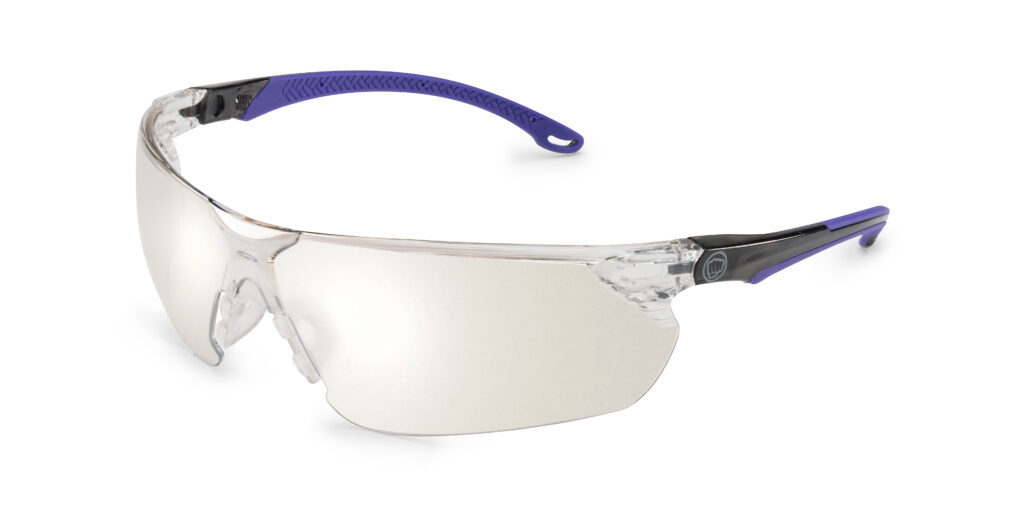
Varied lens colors have matching temple color for a stylish pop Fogging lenses can strike in both indoor and outdoor working conditions. Brass Knuckle® Spectrum (BKFLEX-4040N) eye protection has options to fight fog no matter where work has to get done. This powerful ANSI Z87.1+ protection weighs less than one ounce, and the rimless lenses are manufactured with exclusive BK-Anti-FOG protection. Spectrum pops with color, too, as each lens color in the family sports a unique, corresponding temple color. Temperature changes, humidity, sweat, rain, and moisture all contribute to lens fog. Spectrum Clear Lens allows maximum light transmission, indoors or out, without changing or distorting vision or colors (91% of light passes through). Spectrum Smoke Lens provides an all-over tint for normal outdoor conditions (18% of light passes through). Amber, blue, and mirrored lenses* are also available. BK-Anti-FOG lens protection lasts 15 times longer than EN 166/168 standards. Fog is thousands of tiny water bubbles formed when air moisture condenses on lenses. BK-Anti-FOG is an extreme anti-fog performance that improves both worker safety and productivity. The special coating is permanently bonded directly onto the lens surface and will not wear off or wash off. Glasses retain fog-fighting properties for a longer duration with no reapplying and no maintenance needed. Spectrum eye protection is loaded with other features, too. Bowed, super-flex temples touch the wearer only behind the ears, eliminating all pressure points while delivering the optimal fit. The ratcheting flexible temples and second-generation PivotEase™ nose piece offer a true face-hugging design that inspires compliance. Spectrum lenses are also anti-scratch, anti-static, and UV-protected.
Staffing employment edges up in June
Week-to-week: Staffing employment up one point, new starts up 10 points Staffing employment improved during the week of June 10-16, with the ASA Staffing Index increasing by 0.9% to reach a rounded value of 90 for the first time in nine weeks. Staffing jobs were down 10.0% compared with the same week last year. Staffing companies did not cite any leading factor as hindering further growth in the week in question, though macroeconomic conditions remain challenging for the industry. New starts saw an even greater improvement in the 24th week of the year, increasing by 10.0% from the prior week. However, just over a third of staffing companies (35%) reported gains in new assignments week to week–below the average of 43% per week so far this year. The ASA Staffing Index four-week moving average increased from the prior week to hold at a rounded value of 89, and temporary and contract staffing employment for the four weeks ending June 16 was 10.3% lower than the same period in 2023. “This week’s index revealed a measured improvement in staffing employment beyond just recovering from the Memorial Day dip. Stabilization remains the operative word for staffing employment in 2024 as June’s numbers provide the clearest indication of a bottom for the industry. These levels are likely to see incremental long-term improvement depending on the pace of cooling and recovery within the labor market at-large,” said Noah Yosif, chief economist at ASA. This week will be used in the June monthly employment situation report scheduled to be issued by the U.S. Bureau of Labor Statistics on July 5. The ASA Staffing Index is reported nine days after each workweek, making it a near real-time measure of staffing employment trends. ASA Staffing Starts are the number of temporary and contract employees placed in new assignments during the reporting week. ASA research shows that staffing employment has historically been a coincident economic indicator.
CLARK brings global headquarters to America

CLARK Material Handling has announced the establishment of its global headquarters in the United States. This move returns a premier American brand, the creator of the modern forklift, back to the U.S. and lays the foundation for a global growth strategy that begins with a homecoming. CLARK’s global headquarters will merge with CLARK Material Handling Company (CMHC), North American operations, leveraging the strengths of both companies and positioning CLARK for further global growth in the coming decades. The integrated organization will be effective July 1, 2024, and will be located in Dallas, Texas, upon the official opening of the new headquarters planned for January 1, 2025. Mr. Chuck Moratz, CLARK’s current global president, will lead the integrated organization and serve as CEO at CMHC. Mr. Moratz has over 30 years of extensive forklift experience and an unwavering commitment to the CLARK company. He has held various pivotal positions at CMHC, including Engineering Director, Vice President of Truck Operations, and COO. His global roles have included Vice President of Global Engineering and President of Global HQ. In addition, he has overseen the introduction of numerous IC and electric new products, including the bullet-proof S-Series product line. Mr. Moratz holds a Bachelor of Science in Engineering from West Point and has served in the Demilitarized Zone (DMZ) in Korea. “CLARK remains steadfast in its promise to deliver the highest-quality products and services worldwide. By relocating and combining our operations, we will accelerate new product development and the integration of new technologies to meet the changing needs of our customers while providing the best service and lowest cost of ownership in the industry”, says Chuck Moratz. “We appreciate the continued support of our employees, dealers, customers, and the market as we embark on this exciting new chapter. Together, we will build on our legacy of over 100 years of excellence and drive Clark to new heights.”
H&E opens new branch in Columbus Ohio
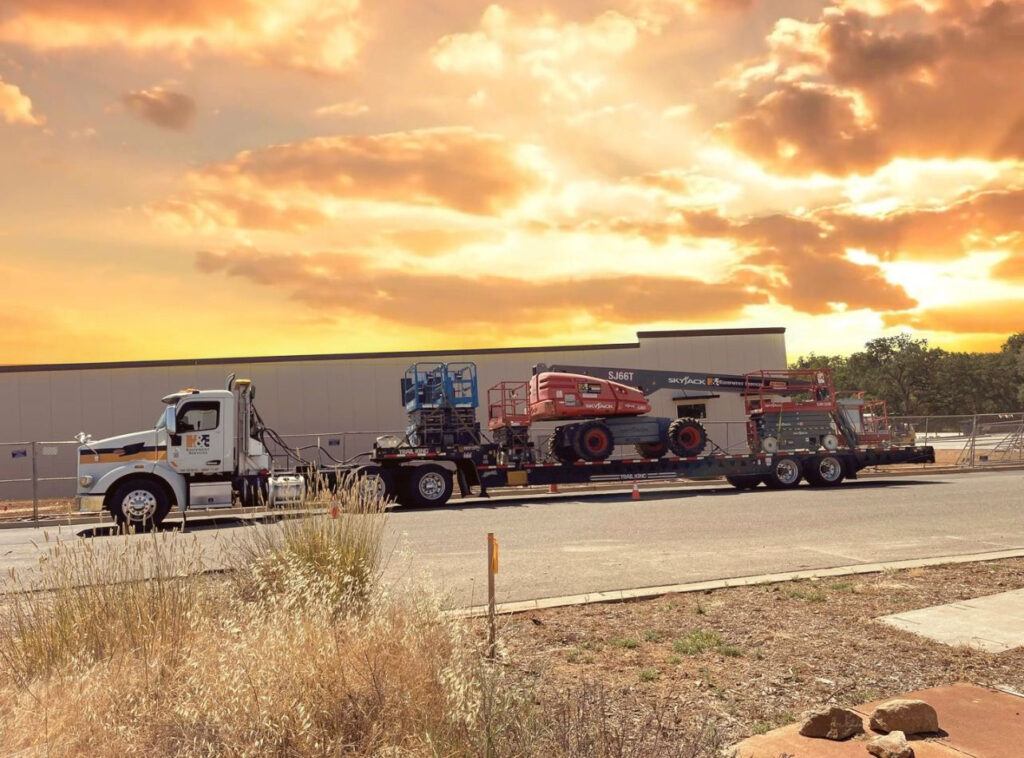
Effective June 24, 2024, H&E Rentals (H&E) announces the opening of its Columbus branch, the company’s first general rental location in the state of Ohio. H&E now operates in 31 states, and it has opened 21 new branches across the country and acquired nine others in just over a year. The facility is located at 2845 Fisher Road, Columbus, OH 43204-3539, phone 614 407-9900. It includes a fully fenced yard area, offices, and a repair shop and carries a variety of construction and general industrial equipment. “H&E’s expansion into central Ohio increases our presence in the Midwest, and our location in Columbus provides reach to a wide radius of projects across the state. We have assembled a diverse fleet and have the resources to serve customers extending to Dayton, Lima, Mansfield, Wooster, Cambridge, Parkersburg, Chillicothe, and all points in between. Our new facility is just off I-70, and our proximity to I-670, I-71, I-270, and other major roadways means that we can move rental equipment to job sites quickly and efficiently,” says Branch Manager Perry Rice. “We may be new to the Buckeye State, but we’re certainly not new to the equipment rental business. We look forward to establishing new relationships and showing customers our higher standard of service.” The Columbus branch specializes in the rental of aerial lifts, earthmoving equipment, telescopic forklifts, compaction equipment, generators, light towers, compressors, and more and represents the following manufacturers: Allmand, Atlas Copco, Bomag, Case, Club Car, Cushman, Doosan, Gehl, Generac Mobile, Genie, Hamm, Hilti, Husqvarna, JCB, JLG, John Deere, Kobelco, Kubota, LayMor, Ledwell, Lincoln Electric, Link-Belt Excavators, MEC, Miller, Multiquip, Polaris, Sany, Skyjack, SkyTrak, Sullair, Sullivan-Palatek, Tag, Towmaster, Unicarriers, Wacker Neuson, Yanmar, and others.
Women In Trucking Association announces continued Gold Sponsorship with J.B. Hunt Transport Services, Inc.
The Women In Trucking Association (WIT) announced that J.B. Hunt Transport Services, Inc. has renewed its Gold Level sponsorship furthering the mission of the nonprofit association to bring gender diversity to the transportation and logistics industry. Since 2015, the company has supported WIT at the Gold Level. In addition to providing financial support, the company actively participates in the association. Jennifer Plumlee, vice president of transportation, serves on the WIT board of directors and is the WIT board liaison on the Women In Trucking Foundation board of directors. Jodi Edwards, a two million-mile driver for J.B. Hunt and 2024 WIT Driver of the Year, shares her expertise as a member of the WIT Image Team. “Women are essential to the transportation industry and provide diverse perspectives and insights that will shape its future,” said Plumlee. “We are proud to continue our support for Women in Trucking as they champion female voices and pave the way for future female leaders in the industry.” “As an influential industry leader, J.B. Hunt’s commitment to gender diversity is clear and their support of WIT is invaluable to the success of our mission,” said Jennifer Hedrick, WIT president and CEO. “We look forward to our continued partnership to further engage and support women in all roles within the transportation and logistics industry.”
Raymond drives success with transformative Youth Apprenticeship Program

Raymond and BOCES’ 30-year collaboration supports the workforce of the future For more than 30 years, the Youth Apprenticeship Program has been an integral part of The Raymond Corporation showing its dedication to science, technology, engineering, and mathematics (STEM) education. Working with high schools throughout the Southern Tier of New York, this program provides a hands-on, experiential approach to learning for junior and senior high school students. In coordination with the Broome-Tioga Board of Cooperative Educational Services (BOCES), apprentices spend two years at Raymond headquarters in Greene, New York. During this time, students deepen their knowledge in their chosen fields and explore various disciplines that may include engineering, finance, manufacturing, and other disciplines and departments. “For more than 30 years, Raymond’s collaboration with BOCES has helped us build a most successful Youth Apprenticeship Program, which has been integral to Raymond’s commitment to STEM education and building the workforce of the future,” said Maribeth Absi, senior director of human resources, The Raymond Corporation. “The Youth Apprenticeship Program has proved to be especially valuable in addressing industry challenges in finding and educating talent to address the widening skills gap. We have a number of our apprentices apply to our cooperative education program as a next step in their education process, some of whom may even become Raymond employees.” This 2023-24 school year, Raymond celebrates five graduates from its Youth Apprenticeship Program from Greene Central School District and Seton Catholic Central High School in New York State: Greene Central School District, Greene, New York: Caroline Jeffery Mallory Jeffery Austin deHaan Dominick Kresin Seton Catholic Central, Binghamton, New York: Andrew Erickson Matt Sheehan, director for the New York Center for Career and Technical Excellence, stated: “Raymond has been an integral part of the Youth Apprenticeship Program throughout the years. It has given countless students from our area schools amazing hands-on experiences.” In addition to returning students, Raymond will welcome new apprentices to the program in September 2024. For more information on Raymond’s Youth Apprenticeship and Cooperative Education Programs, visit https://careers.raymondcorp.com/students. For more information on Raymond, visit www.raymondcorp.com or call 800 235-7200.
Episode 496: Talking innovation with Brett Wood of Toyota Material Handling
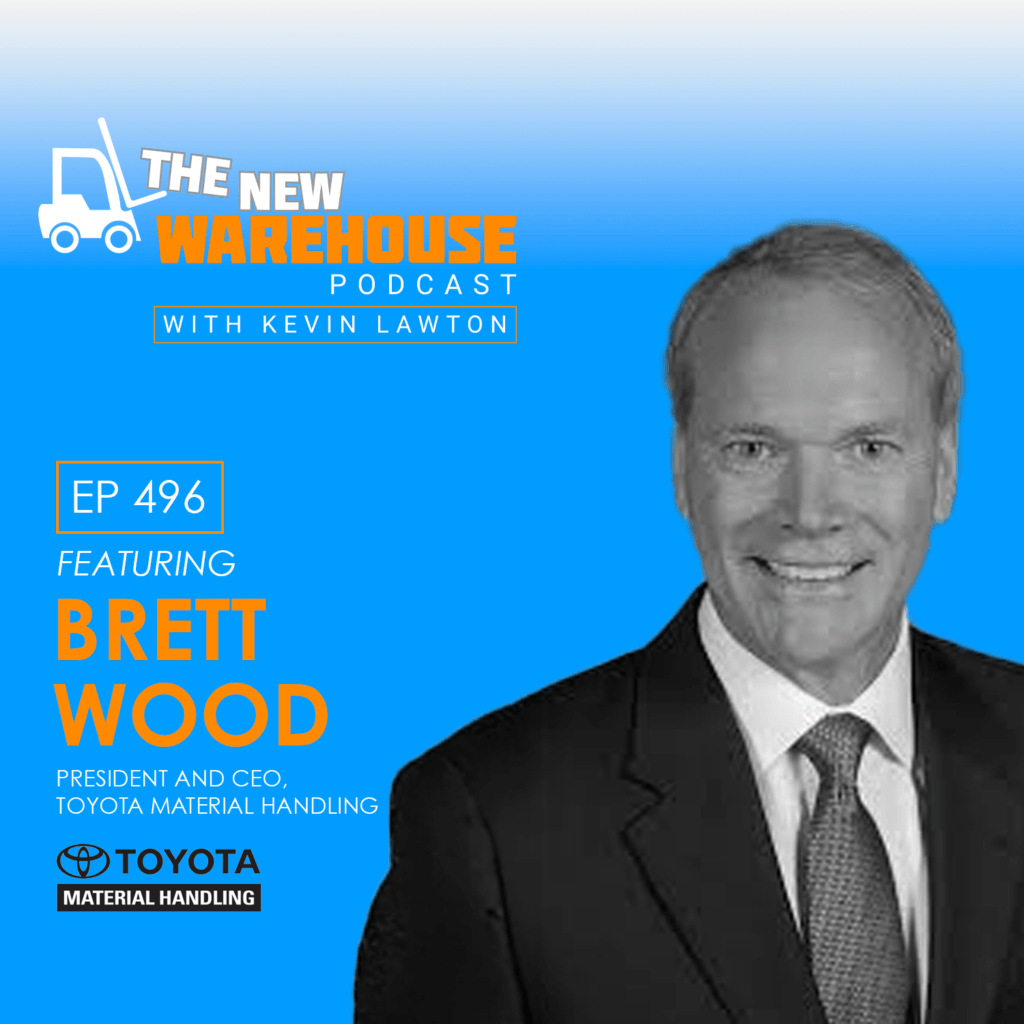
Live from MODEX 2024, The New Warehouse Podcast welcomes back Brett Wood, president and CEO of Toyota Material Handling North America. This insightful discussion dives into the transformative trends within the material handling industry, showcasing Toyota’s leading role. The conversation highlights key innovations, technological advancements, and industry shifts, mainly focusing on automation and electrification. Accelerating Automation in Material Handling Automation stands out as a pivotal trend, as Wood notes, “Automation comes to mind as one of the key topics… technology is getting so much better at automating vehicles, forklifts, AMRs no matter what the size is.” This surge in automation is primarily driven by a workforce shortage, prompting a shift towards automated solutions. Wood explains the increasing integration of technology in everyday operations, illustrating its potential to reshape the industry landscape by enhancing efficiency and reducing reliance on human operators. The Material Handling Shift to Electrification While the automotive sector lags, electrification is rapidly transforming the material handling sector, as noted by Wood, with a significant uptick in electric forklifts. “66% of what was sold last year was electric,” he states, highlighting a distinct move away from traditional combustion engines. This transition is not only a response to environmental concerns but also influenced by regulatory changes, such as those in California, pushing the industry towards cleaner, sustainable technologies. Wood’s commentary underscores the broader implications of electrification, from operational changes to new regulatory landscapes. Emphasizing Sustainability and Safety in Material Handling Sustainability and safety are integral to Toyota’s strategy, reflecting broader concerns across the industry. Wood shares insights on the company’s initiatives, like installing solar panels and emphasizing safety in every aspect of operations. “Safety needs to be part of a corporate culture… We start every meeting at Toyota no matter the topic, safety first,” Wood emphasizes. Wood also shares Toyota’s new collision avoidance system, SEnS+ Smart Environment Sensor Plus™. Toyota’s comprehensive approach improves compliance and enhances operational efficiency. It also serves as a recruitment and retention tool, appealing to a new generation prioritizing corporate responsibility. Key Takeaways: The push towards automation and advanced technologies is reshaping material handling. The electrification of forklifts is gaining momentum and is driven by market trends and regulatory measures. Toyota’s commitment to sustainability and safety sets industry standards that influence current operations and future directions. The New Warehouse Podcast 496: Innovations in Material Handling with Toyota
Crown USA fined over $98k that contributed to a 37-year-old technicians death

A U.S. Department of Labor workplace safety investigation has found a Woodbury plastic and resin manufacturer could have prevented a 37-year-old employee from suffering fatal injuries by following required safety rules designed to keep machines from starting up during maintenance. Investigators with the department’s Occupational Safety and Health Administration learned the maintenance technician at Crown USA Inc. was crushed inside an unlocked hooding palletizer while servicing the machine. “Employers must understand federal workplace safety regulations exist to help prevent tragedies like the one that occurred at Crown USA Inc.,” said OSHA Area Director Jeffery Stawowy in Atlanta-West. “OSHA is available to answer employers’ questions and to help them understand their obligations. We can also provide employers resources for identifying hazards in their workplaces and developing safety programs.” OSHA determined the company violated federal regulations by: Failing to use adequate machine guarding to protect employees from struck-by and crushed-by hazards. Failing to train employees on energy control procedures and maintain training records. Failing to conduct inspections of energy control procedures. Exposing workers to serious respiratory hazards by not protecting them from accumulations of airborne particles of powdered pigment and other types of dust throughout the facility. Not providing personal protective equipment that prevents eye and skin irritation. Failing to label containers properly according to hazardous communication standards. Crown USA received eight serious and six other-than-serious violations. The company faces $98,699 in proposed OSHA penalties. The agency provides information on lockout/tagout and other machine safety procedures to educate employers on how to protect workers from potential equipment hazards. Founded in 1994, Crown USA Inc. supplies and manufactures roadway paint and pavement marking materials at its headquarters in Columbus. The company has 15 business days from receipt of its citations and penalties to comply, request an informal conference with OSHA’s area director, or contest the findings before the independent Occupational Safety and Health Review Commission
Bobcat launches new Machine IQ Telematics enhancements

Remote engine disable/enable advances the Machine IQ system through two-way functionality A provider in innovation and digital solutions, Bobcat Company introduces its newest technological advancements to the Bobcat Machine IQ telematics platform. The new Remote Engine Disable/Enable feature allows customer users in North America and Europe to remotely enable or disable their machine’s engine through the Owner Portal or Machine IQ app. Machine IQ, launched in 2019 in North America, allows connected machine owners to monitor the health of their Bobcat machine and remotely track information that enhances maintenance, security, and performance. Remote Engine Disable/Enable represents the first two-way update to the telematics system, allowing operators to both send commands to and receive data from the machine. With Remote Engine Disable/Enable, operators can shut down their machine with a few clicks, deterring theft and aiding in quick machine recovery. “Advanced theft deterrence is critical peace of mind for our Machine IQ users. Remote Engine Disable/Enable allows our North American and European customers to protect their equipment and allow only authorized usage. This feature also demonstrates our ability to interact with machines via two-way communication using telematics. Today marks another major milestone for what Bobcat continues to do to empower our customers to accomplish more” said Garrett Maurer, director of digital product management at Bobcat. If unauthorized use is suspected, operator owners can log into their Bobcat Owner Portal or Machine IQ app to pinpoint the location of their equipment and choose to disable the engine. Upon executing the disable command, any attempt to start an engine in an off state will fail. If the machine is in operation, the engine will slow to a near standstill, relegated to de-rate mode. Remote Engine Disable/Enable is available for Machine IQ Health and Security subscribers with connected and compatible Bobcat machine(s). To learn more about Machine IQ, as well as Bobcat’s other digital solutions, visit bobcat.com.
How to choose the best battery system for your forklift

Material-handling electric vehicles use two types of batteries: lithium-ion (Li-ion) and lead-acid batteries. The main deciding factors when choosing the right battery for your forklift are maintenance, price, efficiency, sustainability, application, and TCO (total cost of ownership). With so many options available, choosing the best lithium-ion system for a forklift can be a challenge. Here’s a comprehensive guide to help you understand the considerations and choose the perfect forklift power solution. Assess your power needs Consider your power needs before diving into battery systems. With the right battery for your equipment, you can maximize your organization’s efficiency and save money. Estimate their power consumption (in watts) and average daily usage hours. Our expert sales engineers can assist you in determining your usage. As a result of this assessment, you will have a clear understanding of your energy needs and will be able to choose a battery system that meets your requirements. Discover the types of batteries Lead-acid and lithium batteries are the two main types of forklift batteries. Here are some pros and cons of each type: Batteries made of lead acid have the shortest lifespan, the lowest depth of discharge, the heaviest weight, and the most frequent replacements. In traditional lead-acid batteries, there are two types: flooded lead-acid batteries (FLA) and sealed lead-acid batteries (SLA). Compared to FLA batteries, SLA batteries require less maintenance, such as checking the water level on a regular basis. Compared to traditional lead-acid batteries, absorbent glass mat (AGM) batteries offer lower maintenance costs and slightly better performance in cold temperatures. Lithium batteries: Lithium-ion batteries offer high energy density, lightweight design, and long life in forklift power systems. Lithium batteries have a lifespan ten times longer than lead-acid batteries. Despite their higher cost, lithium batteries charge faster, discharge deeper, and have a longer cycle life than lead-acid batteries. Over time, lithium batteries can save significant amounts of money because they don’t need to be replaced as frequently as lead-acid batteries. In addition to having greater power and energy capacity, lithium batteries also take up less space than lead-acid batteries. Additionally, they do not emit toxic fumes, making them safer in a wider range of environments. Moreover, not all lithium batteries are the same. Compared with lithium cobalt-based battery chemistries like NMC, LCO, and NCA, lithium iron phosphate batteries like the BSLBATT are the most environmentally friendly and non-toxic. Factors to consider It would help if you considered the following factors when choosing a battery system for your forklift fleet: Capacity: The capacity of a battery is measured in ampere-hours (Ah), watt-hours (Wh), or kilowatt-hours (kWh). A battery’s energy represents the power it can deliver over time. Ensure your battery system has enough capacity to meet your daily energy needs, as well as some buffer in case of unexpected circumstances. Lead-acid batteries often have a “rated” capacity that is much higher than their actual or usable capacity. The reason for this is that lead-acid batteries cannot be discharged more than 50% at a time, unlike lithium batteries, which can be discharged to around 100%. Cycle life: Battery cycle life is the number of charge and discharge cycles a battery can withstand before its capacity is greatly reduced; it is important to understand this, especially for long-term forklift users. Lithium batteries have a longer cycle life than lead-acid batteries, making them an affordable choice over time. BSLBATT lithium batteries cycle 3,500 times or more, and higher discharge rates have little effect on cycle life. Lead-acid batteries, however, are generally only capable of 300-500 cycles, as higher discharge levels will significantly reduce their life span. Size: Depending on the type of lift equipment and its intended use, weight, size, and voltage can vary greatly. For different types and sizes of electric vehicles, voltage options such as 24V, 36V, 48V, 80V, 96V, and 144V are available. Understanding your vehicle needs is therefore essential to selecting the right vehicle. Recharge:Your business’ efficiency depends significantly on how quickly your vehicle can charge, and how long it takes to charge. Lithium-ion batteries, for instance, charge faster and easier than lead-acid batteries. The charging process for lead-acid batteries requires a dedicated space with ventilation and temperature control, whereas lithium-ion batteries can be charged on the spot. Maintenance:How you maintain your vehicle plays a major role in choosing the right forklift battery. You should consider factors such as battery life and watering systems when making your decision. Lead-acid batteries require a watering system to function at maximum capacity, while lithium-ion batteries are sealed and do not require one. In addition to providing: Safety: Better value for money, lithium-ion batteries last longer and have more cycles than lead-acid batteries. Temperature performance: Keeping your team safe and minimizing workplace risks should always be a priority for every organization. Lead-acid batteries contain toxic sulfuric acid, which can cause spills when adding water, overheating, gas release, and health risks associated with old or corroded batteries. On the other hand, lithium-ion batteries are sealed, eliminating acid spills, corrosion, sulfation, and contamination risks. Cost: You should choose a battery system that will perform effectively in a wide range of temperatures you may encounter during your travels. As an example, BSLBATT’s Cold Storage Series lithium batteries can charge at temperatures as low as -35°C. Choosing the right battery for your fleet is always influenced by price. Lead-acid batteries are often thought to be cheaper than lithium-ion batteries, but this is not true. Long-term, lithium-ion batteries are much cheaper than lead-acid batteries. In addition to not requiring water maintenance, lithium-ion batteries have a longer life, require less energy, and require less time to maintain, making them a more cost-effective investment than lead-acid batteries. Lithium-ion forklifts with full integration Currently, BSL’s lithium batteries are compatible with a variety of Toyota, Hyster & Yale, CLARK, Combilift, Heli, and Raniero forklifts designed specifically for fully integrated lithium-ion power. High-capacity electric forklifts reduce emissions, fuel consumption, and maintenance costs while providing ICE-like performance. You should carefully consider your power needs, battery type, capacity, cycle life, charging source, size, safety, maintenance, temperature performance, and cost when choosing a battery system for your forklift. When you evaluate these factors and conduct thorough
OZ Lifting launches wireless Hoist options
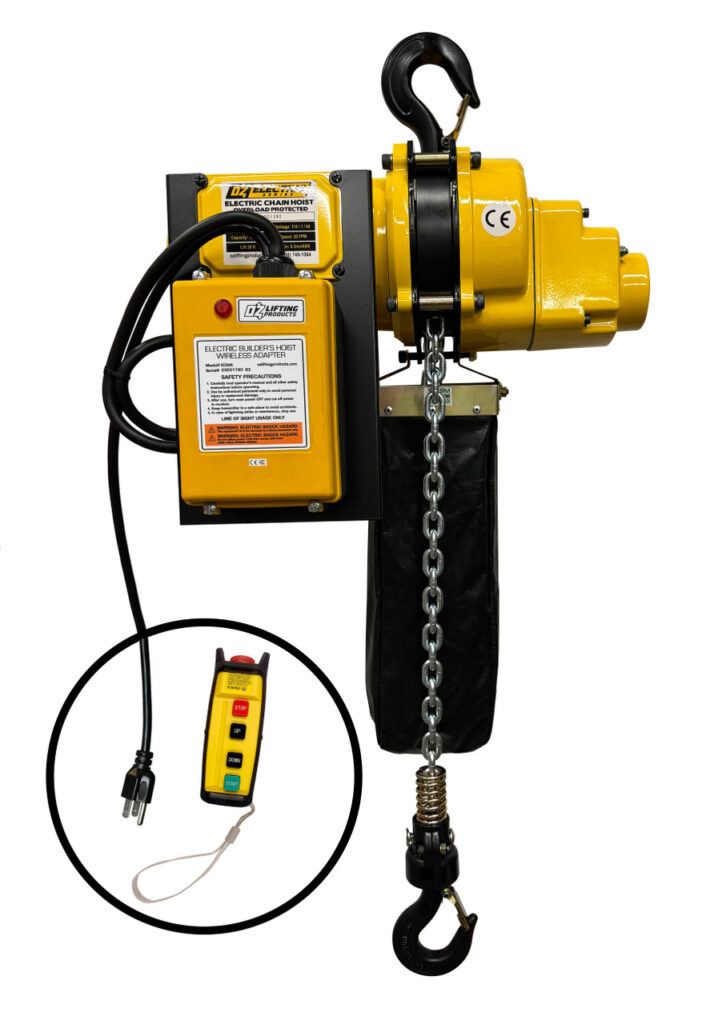
OZ Lifting Products LLC is offering wireless options for its electric chain hoist and builder’s (wire rope) hoist. The hoists can now be ordered as a kit with a wireless adapter included, while the adapter can be purchased separately for anyone who already owns a hoist. The range remains available as a base unit with a corded pendant. OZ offers the electric chain hoist in 500 lbs, 1,000 lbs., 2,000 lbs., and 4,000 lbs. capacities; and the builder’s hoist in 500 lbs. and 1,000 lbs. capacities. Both wireless options are available for all models, apart from the lightest electric chain hoist. Wireless versions of the builder’s hoist have been available in the past, but this is the first time that the electric chain hoist can be used with these options. “The wireless options give the user greater flexibility, without the limitation of where the hoists can be operated. We have offered other wirelessly controlled hoists in the past and have always had success with them. We feel that both of these styles of hoist will be popular with a wireless option.” said Richard Miller, sales manager at OZ Lifting The compatibility of the adapters, which don’t add any significant weight to the hoist upon which they are attached, will depend on the serial number of the user’s hoist. The adapters offer a 250 ft. line-of-sight range. Miller added: “Wireless use is favorable when the operator is trying to operate the hoist from a longer distance away or in an area where it is hard to run a traditional, wired pendant [you can only use one or the other]. The wireless option gives the user more flexibility and freedom while making the lift, whether they are sourcing a new lifting product or buying an adapter to fit an existing hoist. The plug-and-play adapters can be installed in minutes; there is no wiring.” The hoists Already popular among dealers and end users alike, the electric chain hoist offers overload protection; a high-performance friction clutch is integrated with the load brake, designed to prevent overloading the hoist. A forged carbon steel load hook boasts a heavy-duty latch, while the bottom hook features a thrust bearing to allow 360-degree rotation to prevent twisting of the load chain; the top hook is rigid. A load sheave provides better distribution of the load and smooth lifting with reduced vibration and wear; and precision machined gears are heat treated for strength and durability. The electric builder’s hoist, meanwhile, is lightweight and compact for convenient mounting. A dynamic and mechanical brake provides instant and safe braking, and upper and lower limit switches provide additional safety. Galvanized wire rope with a 360-degree weighted hook includes a safety latch, while other features include quick release pendant and power cords; and the ability to operate on standard domestic power supply. Wireless versions and adapters for the electric chain hoist and builder’s hoist are in stock and ready to ship.
Peak Technologies announces strategic partnership with Robotize for warehouse automation

Peak Technologies, a global provider of smart warehouse solutions, has announced its strategic partnership with Robotize, a cutting-edge robotics company specializing in autonomous mobile robots (AMRs). This collaboration aims to revolutionize warehouse heavy pallet movement, enhancing efficiency and productivity. As part of its commitment to smart technologies, Peak Technologies has consistently focused on developing innovative solutions for warehouse automation. Peak’s expertise lies in creating intelligent systems that optimize logistics, reduce operational costs, and improve overall supply chain management. Robotize’s AMRs are at the forefront of warehouse and manufacturing automation, offering seamless integration with existing infrastructure. These agile robots can navigate complex environments, transport heavy pallets, and precisely perform repetitive tasks. By joining forces with Robotize, Peak Technologies aims to accelerate the adoption of AMRs across industries, streamlining operations and ensuring a competitive edge for its clients. “We are excited to collaborate with Robotize,” commented Tony Rivers, CEO of Peak Technologies. “Their expertise in robotics design and engineering aligns perfectly with Peak’s ability to sell, implement, and support advanced automation solutions that enable smarter, more efficient warehouses and factories. Together, we will unlock new opportunities for our customers, enabling them to achieve unprecedented levels of productivity.” Anders Pjetursson, CEO at Robotize added, “We look forward to working closely with Peak Technologies as we drive the next generation of internal material transport automation together. Our shared passion for innovation and excellence will redefine how goods move within distribution centers, ensuring seamless operations and rapid scalability.” The Peak/Robotize partnership will focus on joint business development and on bringing advanced AMR technology to warehouse and manufacturing operations across the globe. Peak Technologies and Robotize are committed to delivering solutions that empower businesses to thrive in an increasingly dynamic market.
Zion Solutions Group joins forces with Locus Robotics to supercharge warehouse productivity
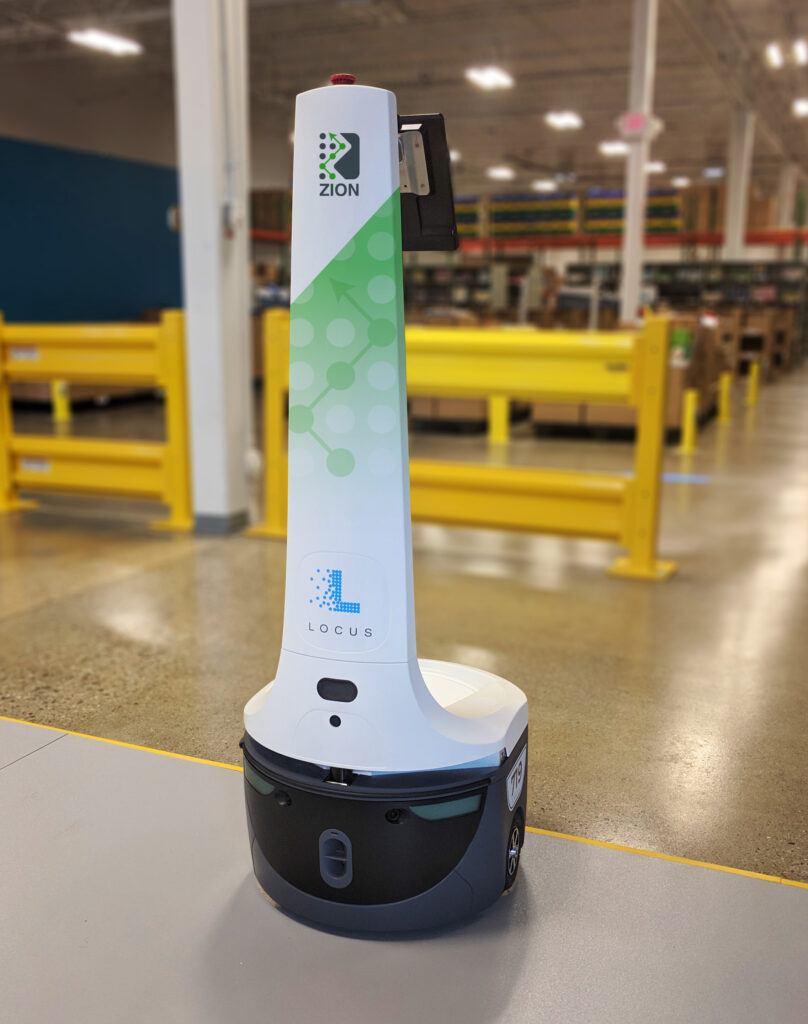
In a groundbreaking move set to enhance and redefine warehouse operations, Zion Solutions Group has announced its strategic partnership with Locus Robotics. This collaboration leverages the Locus Global Alliance Network, a consortium of the warehouse industry’s best and brightest, dedicated to propelling productivity and transforming supply chains with innovative robotics, service, and software solutions. “Embarking on this partnership with Locus Robotics is a leap forward in our mission to innovate and optimize warehouse operations for our customers,” said Jim Shaw, President of Zion Solutions Group. “Locus Robotics stands out in the realm of warehouse automation. Their solutions fit into any warehouse environment, and together, we aim to deliver seamless, scalable, and rapidly valuable solutions to our customers.” This partnership represents a synergy of Zion Solutions Group’s extensive expertise in supply chain integration and Locus Robotics’ pioneering AI-driven robotic solutions. It signals a unified approach to tackling today’s logistics challenges, offering clients a robust, affordable, intuitive robotic warehouse automation solution that enhances productivity, reduces costs, and scales effortlessly. “The Locus Global Alliance Network thrives on collaboration with leaders like Zion Solutions Group to push the boundaries of what’s possible in supply chain management,” stated Steve Simmerman, Head of Global Alliances. “Our combined efforts will ensure clients benefit from a comprehensive, end-to-end solution that is not just easy to integrate but is also designed for maximum productivity gains from the outset. We couldn’t be more excited about partnering with a System Integrator with Zion’s reputation for solving problems in the industry.” Zion Solutions Group’s partnership with Locus Robotics underscores a shared commitment to delivering field-proven results and addressing the dynamic needs of the robotic market. This collaboration is poised to revolutionize warehouse operations by providing: Expert Integration: Seamlessly blending Locus’s AI-driven robotics with Zion’s unique supply chain solutions. Scalable Solutions: Tailored to fit any environment and grow alongside business needs. Immediate Value: Delivering significant productivity gains and cost reductions from day one. As this partnership unfolds, Zion Solutions Group and Locus Robotics are not just reimagining warehouse operations; they’re setting the stage for the future of logistics.
JLG named one of The Washington Post’s 2024 Top Workplaces

Recognized as a top-ranked company in the Washington D.C. area for its unique Workplace Culture JLG Industries, Inc., a global manufacturer of mobile elevating work platforms (MEWPs) and telehandlers, has been named one of The Washington Post’s 2024 Top Workplaces in the Washington, D.C. area. Selection is based solely on employee feedback gathered through an anonymous third-party survey administered by research partner Energage, LLC, which measured several aspects of workplace culture, including alignment, execution, and connection. “Everything we do at JLG honors our 55+ year history of innovative product design and progressive manufacturing, as well as workplace transformation efforts which include team member career growth and skills development. We focus on fostering an inclusive and collaborative environment and lead from a ‘People First’ culture philosophy — from employees to customers, even suppliers, and the local communities in which we live and work,” said Maria Silva, JLG’s vice president of human resources. “Being named a Top Workplace is an outstanding recognition that truly sets our company apart. We are so honored to receive this award, especially because the judges were our employees!” The Washington Post hosted an awards ceremony on Thursday, June 20, to recognize JLG and other top-ranked companies, including technology companies, government contractors, real estate firms, and financial service providers. “For more than a decade, The Washington Post’s Top Workplaces list has served as an essential resource for D.C. area professionals, equipping them with unparalleled insight into the best local companies to work for as heard directly from their employees,” said Bronwen Latimer, the editor for Special Initiatives at The Washington Post. “This year we have highlighted 250 companies — more than ever before — giving a more robust picture of the current employee experience in the area.” For more about The Washington Post’s best places to work in the Washington D.C. area and to see the full list of this year’s honorees, visit Top Workplaces 2024.
Carolina Handling breaks ground on new South Carolina facility
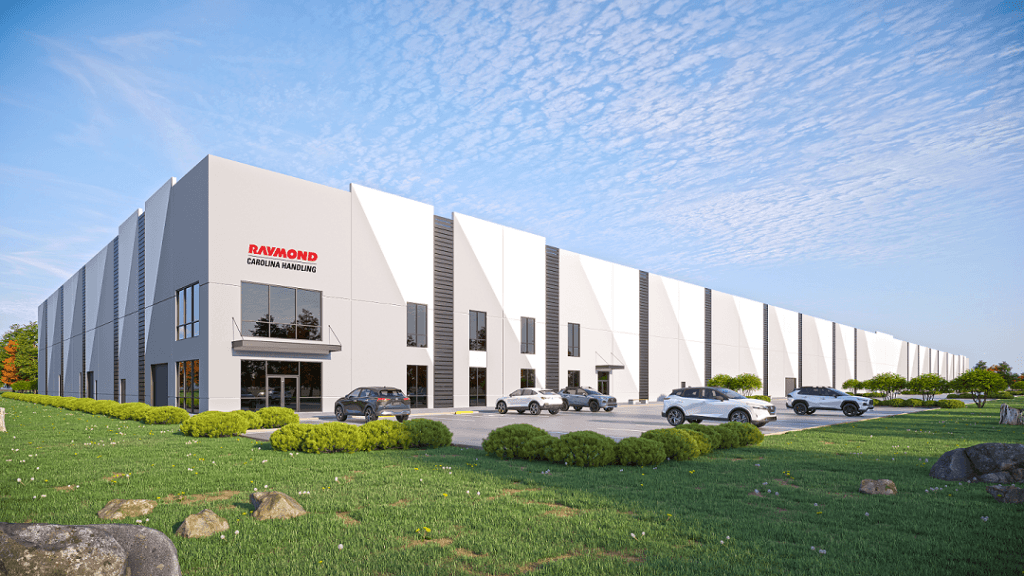
Carolina Handling, the exclusive Raymond Solutions and Support Center for South Carolina, North Carolina, Georgia, Alabama, and Florida’s central time zone, broke ground on a new 267,000-square-foot facility in Pickens County, South Carolina. Scheduled to open in spring 2025, the new building at 3800 Calhoun Memorial Highway in Easley will consolidate Upstate operations of the Charlotte, NC-based intralogistics company, bringing together the warehouse and office space from four area facilities under one roof. Founded in Charlotte in 1966, Carolina Handling opened an office and training center on River Road in Piedmont, SC in 1972 that today serves as the company’s rebuild facility. A second Carolina Handling building opened on River Road in 2013 to house offices, training facilities, and a customer experience center. In 2015, the company opened an Equipment Distribution Center on Piedmont Highway in Piedmont, South Carolina as a regional hub to better serve customers across the Southeast. And in 2018, the company added a warehouse on Michelin Court near Donaldson Center. Carolina Handling’s new facility at Speedway Industrial & Technology Park will feature 237,000 square feet of warehouse space to accommodate technician bays for new, rental, and renewed equipment, as well as parts, distribution, and logistics operations. Another 30,000 square feet will house offices, meeting and training space, and a customer experience center. “Carolina Handling has experienced extraordinary growth in the past few years, and we expect that trend to continue in 2024 and beyond,” said Carolina Handling President & CEO Brent Hillabrand. “This new facility helps position us for the future and allows us to realize large economies of scale by bringing our operations across the Upstate region of South Carolina under one roof.” Carolina Handling continues its evolution from a forklift-only provider to an end-to-end intralogistics solutions company offering a broad range of consulting, connected technologies, automation systems, and service to support the growing and changing material handling needs in warehouses and distribution centers. Along with forklifts and a full range of warehouse equipment, the company offers design, engineering, and implementation services to help customers achieve more space, speed, safety and efficiency with integrated automation technologies, many of which will be showcased in the new facility’s customer experience center. The first tenant at Speedway Industrial & Technology Park, Carolina Handling has partnered with architect COR3 Design LLC, civil engineering firm Seamon Whiteside and Evans General Contractors on the design and construction of its new regional facility. Speedway Industrial & Technology Park is being developed by Realty Link, LLC.
NetLogistik introduces Transportation Efficiency and Productivity (TEP) and Warehouse Efficiency and Productivity (WEP)

Easy-to-use tools help companies with less complex and smaller operations NetLogistik, a provider of transformative services for supply chain digitalization, introduces new functionality as part of its Supplynet Suite®, NetLogistik’s microservices and digital supply chain solutions platform. Transportation Efficiency and Productivity (TEP) seamlessly syncs the entire transportation management process, from planning and tracking to freight settlement. Warehouse Efficiency and Productivity (WEP) optimizes, automates, measures, and controls warehouse and distribution center operations. “NetLogistik offers these products to our small-to-medium sized businesses that want transportation and warehouse management functionality but don’t need all the features of enterprise-sized solutions,” says Jagan Reddy, US Managing Director, NetLogistik. “These easy-to-use tools work best for companies with smaller and simpler operations.” TEP optimizes the efficiency and accuracy of transportation operations with complete visibility into orders, shipments, and deliveries—while building stronger relationships with suppliers, carriers, and customers through reliable, on-time performance. Businesses that have utilized Netlogistik’s TEP solution have achieved impressive results, including: Up to 33% reduction in administration times Up to 5% savings in total transportation costs Up to 50% improvement in customer service TEP maximizes order management, shipment planning, transport selection, documentation management, route monitoring, and shipment costs. It can integrate with partner FarEye, an intelligent delivery management platform that increases the visibility of multimodal, long-haul, first-mile, and last-mile deliveries. Onest Logistics Principal CEO and Founder, Rubén Imán says, “TEP Sets us apart from the competition. It’s a strategic tool that saves us 4% on transportation.” WEP facilitates all processes within a warehouse, from assigning appointments to shipping. It offers appointment scheduling, receiving operations, wave planning, picking operations, packstation management, and shipping operations. WEP integrates with the Vocollect® voice-directed work solution, Honeywell® Voice, and the GAINS® Demand Planning System for additional functionality. Clients using WEP can: Increase inventory accuracy Boost operator productivity Optimize storage capacity Visualize real-time information Improve customer service Farmapronto Project Director says, “Due to the demand and growth we were experiencing, expiration and assortment problems were developing. NetLogistik’s (WEP) Warehouse Management System helped us increase productivity and reduce operating expenses—in addition to making our assortments more efficient. Through this, we were able to achieve a satisfactory delivery to our branches, increasing our sales by 40%.”
Miami Beach hosts IntraLogisteX USA this fall
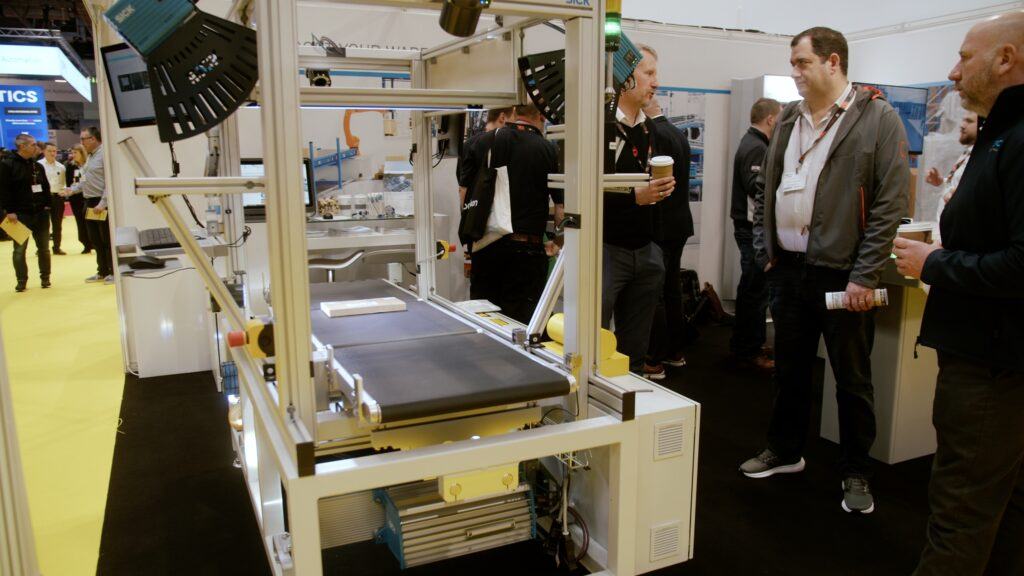
Coming to Florida on October 22nd and October 23rd – IntraLogisteX USA, is the logistics and supply chain management sector’s unmissable showpiece. This is the industry event for connecting innovative product suppliers with influential decision-makers in search of next-generation solutions that enhance their organization’s efficiency, agility, and scalability. Taking place at the Miami Beach Convention Center, IntraLogisteX USA is set to attract more than 150 exhibitors, 4,000-plus visitors, and more than 30 expert speakers, whose thought-leading opinions and experience will offer attendees valuable industry insight. This single, exceptional show features five function-specific zones, providing exhibitors with a golden window of opportunity to showcase their credentials and forge meaningful business relationships with an audience across all sectors, and assuring quality as well as quantity. Our Exhibition Audience Is Made for Our Exhibitors Of its 4,000-plus visitors, IntraLogisteX USA draws senior buyers from a wide range of major retailers, consumer goods companies, and third-party logistics providers. As an exhibitor, you are spoilt for choice when it comes to putting your products before the right people. Expect IntraLogisteX exhibition space to be filled with buyers from – but not limited to – automation, aviation, food and drink, healthcare, retail, electronics, telecoms, transport, and many, many more. Linking this diverse audience is a desire for solutions that move their business forward. These people have the authority to make things happen, with 24% of IntraLogisteX USAbuyers employed at CEO, Presidential, and C-Level. Additionally, 25% of exhibition buyers represent organizations with a $25 billion turnover – businesses with the means to shape the future of intralogistics and warehouse sector operations. For exhibitors, engaging with key industry brands is crucial to your company staying one step ahead in the marketplace because, rest assured, your competitors will also be attending IntraLogisteX USA. IntraLogisteX USA is meticulously managed to generate an environment conducive to innovation and collaboration within the intralogistics sector. This granular strategy also informs the show’s location. Florida is home to the third largest cluster of transportation and warehousing establishments in the US. It’s also a gateway to key logistics markets in North America, Central America, the Caribbean and South America. As a multi-experience event, IntraLogisteX USA offers an elite programme that is beyond industry compare. The awe-inspiring range and quality of products on display is matched by the expert-led presentations that will light-up the exhibition’s conference theatres. These will provide speakers with a perfect stage to impart their long-held professional knowledge and guidance on technical innovations related to logistics, sustainability and technology. Supply Chain Excellence Awards – Setting Best Practice Standards Around the World In another exciting development, for the first time this year IntraLogistex USAwill host the Supply Chain Excellence Awards USA. An absolute gift for companies looking to showcase their supply chain achievements to industry-leading organisations, the 28-year-old awards are established as setting best practice standards for the sector around the globe. Entry to the awards alone is a pathway to giving your business a significant promotional boost. Shortlisted nominees will be invited to attend a ceremony at the Emanuel Luxury Venue, Miami Beach a day prior to IntraLogisteX opening, which in itself represents a major success. At this wonderfully elegant venue, finalists will have a valuable opportunity to forge many new beneficial connections and elevate their company’s visibility to a select audience. Click here and take advantage of this win-win opportunity at the Supply Chain Excellence Awards. Elsewhere, interactions designed for buyer-exhibitor transactions are core to our five function-specific zones: Warehousing This is the ideal zone for suppliers offering solutions designed to invigorate warehouse operations for more productive, profitable purpose. Sectors include fulfilment, picking and sortation, warehouse automation, storage and racking, barcoding and labelling. Robotics and Automation Here is where exhibitors will showcase their cutting-edge contributions to robotics and automation innovation. If your product is the latest word in automated assembly support, automated fulfilment and robotic technology, this is the zone for you. Software & Information Technology Exhibitors take note: buyers will come to this zone looking for the latest supply chain software, data management, RFID technology, data collection, order management, transport management systems, and more. Make their day and take a stand. Delivery Exhibitors in the business of third-party logistics, distribution, transportation, last-mile delivery, and reverse logistics solutions will find this an invaluable zone for engaging with buyers looking to take their product to market more efficiently and sustainably. Packaging Machinery that refines the packaging process and enhances efficiency without compromising safety or quality, is crucial to a profitable warehouse operation. Exhibitors here can expect to meet buyers searching for solutions that achieve such an outcome. IntraLogisteX – An Established European Brand Due to its repute for facilitating beneficial connections between top-tier supply chain and logistics solution providers and a highly engaged audience of industry professionals in supply chain management and manufacturing, IntraLogisteX is already established in Europe as the sector’s number one exhibition. Next year will be the 10th anniversary of IntraLogisteX in the UK; it is the largest gathering of logistics professionals in the country, attracting more than 350 exhibitors and 11,000-plus visitors to the UK’s largest venue, NEC Birmingham. IntraLogisteX is where the audience meets the exhibitors’ expectations. So, change up your company’s performance levels by bringing your game-changing solutions to IntraLogisteX USA.
Empowering material handling productivity with forklift battery chargers

Forklift battery chargers are essential for ensuring the top performance and longevity of lithium batteries. Understanding how to use and maintain these chargers can help you maximize battery efficiency and reduce operational downtime. Charge with Forklift Battery Chargers When the battery level drops below a certain threshold, an alert will prompt charging. It’s then time to drive to the charging area, switch off the forklift, and open the charging cabin and protective cover. Before charging, inspect the charger cables, charging sockets, charger casing, and other equipment to ensure they are in proper working condition. Check for signs of water and dust ingress, burning, damage, or cracks. If none are present, proceed with charging. To begin with, detach the charging gun. Connect the charger to the power supply and the battery to the charger. Next, press the start button. Once the system is free of faults, the charger will commence charging, accompanied by the illumination of the display and indicator light. The display screen will provide real-time charging information such as current charging voltage, charging current, and charging capacity, while the indicator light strip will display the charging status. In contrast to lead-acid batteries, lithium-ion batteries charge rapidly, often reaching full capacity from 0% in just a few hours. Once fully charged, remove the charging gun, secure the protective cover, close the hatch door, and disconnect the charger from the power supply. Lithium-ion batteries also support opportunity charging, which means they can be charged during short breaks without affecting their cycle life. This allows for flexible and efficient charging throughout the workday. In the event of an emergency during charging, it is crucial to immediately press the stop/pause button to prevent potentially dangerous situations such as electrical arcing. Typically, it is advisable to use batteries with their corresponding chargers to safeguard your warranty and ensure streamlined and effective technical support. However, if you opt to use other brands of chargers, consider factors such as compatibility with the battery’s specifications, charging speed, efficiency rating, available technologies and functions, connector details, physical space for charging devices, and overall cost, lifespan, and warranty of different brands. With all these factors in mind, you’re making such a decision that will ensure smooth forklift operation, promote battery longevity, minimize the frequency of battery replacement, and contribute to operation cost savings over time. Proper Handling and Care for Forklift Battery Chargers While most forklift battery chargers are built to be durable and reliable with robust construction and design, unexpected faults can still occur. When this occurs, it’s recommended to check with the manufacturers and consult with a professional or staff with specialized training for proper guidance to prevent more significant problems that could lead to costly maintenance or replacements, and possibly safety hazards to forklift operators. To ensure the longevity and efficiency of your forklift battery charger, it’s crucial to follow correct charging practices, inspect regularly, and do not expose the chargers to extreme environmental conditions such as excessive heat and cold could affect their performance and lifespan. Moreover, charging, inspections, maintenance, and repairs should be carried out by a well-trained and experienced professional. Improper handling due to lack of training or instructions could lead to charger damage and potential hazards. By performing proper practices, your forklift battery charger can reliably serve your business for many years to come. Summary To conclude, a forklift battery charger is an integral part of modern warehousing. Knowing more about the chargers, you can enhance the material handling efficiency of your forklift fleet operations, thereby maximizing the return on your battery charger investment. About the Author: Recognized for industry thought leadership and customer value creation, Jodie Miller brings 15 years of experience in material handling and lithium energy storage system solutions to her position as Managing Partner of ROYPOW.
Future proof your supply chain: Embracing Automation and AI

Supply chain leaders are turning to automation and AI to enhance operational efficiency, reduce costs, and elevate the customer experience Automation in both process and physical forms has been around dating back as far as the Industrial Revolution. However, it wasn’t until the 1980s that automation began to emerge in supply chains. Back then, warehouse automation—such as automated storage and retrieval systems (ASRS), sortation systems, and conveyors—involved expensive physical infrastructure and millions of dollars in capital. What’s more, as business models evolved or companies created new models, these approaches struggled to be responsive. Fast forward to today. With advances in technology that include AI/machine learning and RPA in the form of software robotics, modern automation such as AMRs and other automated systems are much more conducive for pilots with small investments—providing the ability to prove value before a larger commitment is made. This benefit is just one of several reasons supply chain leaders need to embrace the enormous potential for advances in automation and AI technologies, which will continue to gain momentum for years to come. Additional benefits include: A solution to labor shortages: Finding enough workers with the right skill sets has opened the door for the adoption of warehouse automation, including the use of automated sorting systems, picking and packing automation, robotic automation, and autonomous vehicles. In addition to reducing dependence on human labor, these solutions can increase efficiency by operating 24/7 without fatigue. This translates into reduced costs and higher productivity levels, helping warehouses meet customer demands even during peak periods. Additionally, automation systems can minimize the risk of injuries to human workers by performing hazardous tasks. Enhanced customer experience: Brands and retailers are investing heavily in automation and AI to meet consumer demands for fast and reliable delivery. For example, AI helps companies optimize routes and provide accurate delivery estimates. Additionally, AI-driven chatbots can track orders, handle routine inquiries, and offer product recommendations—enabling companies to minimize response times and allow human customer service representatives to focus on complex issues. Improved accuracy/reduced errors: Precision is one of the most significant advantages of warehouse automation. The implementation of automated systems can drastically reduce human errors, which can lead to more accurate order fulfillment and inventory management. This can go a long way in maintaining customer satisfaction while reducing waste. Enhanced demand forecasting: AI technology excels at forecasting demand by extracting insights from extensive repositories of data, including numerous sources such as past sales records, customer transactions, social media mentions and prevailing economic indicators—helping supply chain and logistics organizations maintain the delicate balance between consumer demand and supply. Additionally, AI projection tools can help facilitate better collaboration between supply chain partners by allowing demand forecast data to be shared with suppliers. This helps businesses optimize inventory levels and minimize stockouts while creating a harmonized supply chain system. Real-time visibility: It’s vital for today’s businesses to have complete, real-time supply chain visibility. AI-powered systems provide this level of visibility by integrating data from various sources such as suppliers, manufacturers, logistics providers and retailers. This helps businesses track inventory levels, monitor shipments, identify bottlenecks and respond quickly to disruptions or changes in demand—which enhances overall supply chain agility. Take the First Step—Consult with a Supply Chain and Logistics Expert Before investing in automation and AI, it’s important for supply chain leaders to understand the complex nature of these technologies as well as the current and future state of the market. This can be effectively accomplished by leveraging the expertise of a supply chain logistics and implementation partner—one that can help you deliver a customer experience that will build brand loyalty and accelerate growth. About the Author: Recognized for industry thought leadership and customer value creation, Jagan Reddy brings 25 years of experience in building and delivering supply chain and logistics solutions to his position as Managing Partner of Netlogistik US.