Even the most dependable equipment benefits from regular inspections by a qualified technician. These inspections can help prevent unexpected downtime and keep your operation running smoothly.
Crush Downtime with Preventive Maintenance
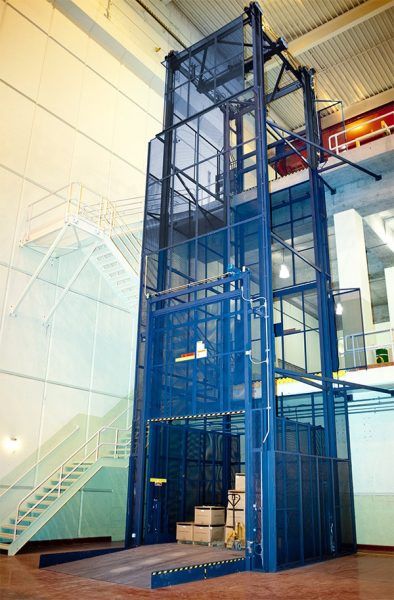
Preventative maintenance is your secret weapon against downtime. It’s like that ounce of prevention that saves you a pound of trouble (and a hefty repair bill). Here’s why a well-defined preventive maintenance program is a game-changer:
- Dodge the Downtime Demon: Say goodbye to unexpected breakdowns that halt production.
- Slash Repair Costs: Catch small issues early to avoid expensive repairs later.
- Extend Your VRC’s Lifespan: Regular care keeps your equipment running smoothly for years to come.
- Safety First: Reduce the risk of accidents caused by malfunctioning equipment.
- Peak Performance, Maximum Efficiency: Regularly maintained machinery operates at its best, leading to optimized productivity.
Let’s break down the key steps involved in a thorough, scheduled inspection.
Eight Critical Steps to Keep Your VRC Running Smoothly
While inspection protocols can vary depending on your specific VRC model and any custom features, here are some key steps that apply to any VRC. Please note that preventive maintenance should be conducted only by a qualified and trained service technician.
- Consult a Playbook
- Don’t wing it! Following a detailed preventive maintenance checklist or playbook for all VRCs ensures you’re doing the right maintenance at the right time.
- Put Safety First
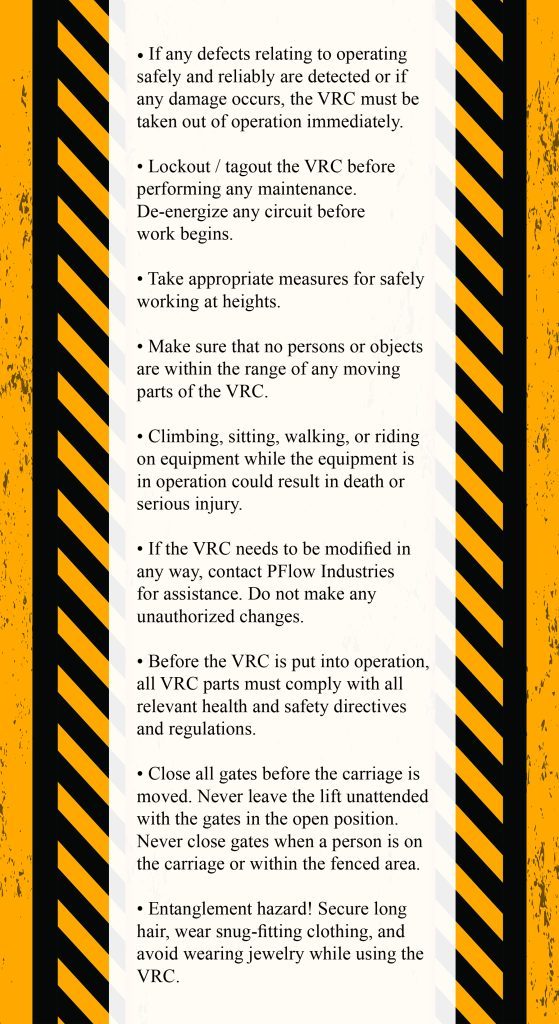
- Before you get started, prioritize safety by following safety protocols located in owner’s manuals and preventive maintenance checklists.
- Scrutinize Safety Components
- The most important place to begin is with inspecting all safety components/devices. Interlocks, gates, safety cams, chains, brake gap/wear (mechanical VRCs), down solenoid and hydraulic hose connections (hydraulic VRCs), and DeckLocks (if applicable) to ensure they are working properly.
- Check All Operational Components
- After inspecting the VRC’s safety components, direct your attention to reviewing operational components such as wheel blocks and chain tensioners to ensure they are within proper tolerance and adjust if needed.
- Electrical Check-Up
- Inspect all electrical components, checking for signs of wear/damage, or loose connections and frayed wires.
- Inspect all push-button stations and/or HMIs, ensuring that the VRC operates as intended. Make sure all moving parts are operating properly with no signs of improper friction or wear. Incorrectly aligned or loose moving parts will become worse if not fixed and can damage other parts or cause excessive wear or strain on your system.
- Ensure Level Stops
- Verify that the VRC stops flush with the floor or ramp at each level. Misalignment can lead to loading and unloading issues and may also indicate that the unit has been overloaded or operated incorrectly.
- Make it Clear
- Inspect and clean areas under and around the VRC to remove debris or obstructions that could hinder operation.
- Document and Report
- Keeping accurate records is crucial. It ensures that issues are addressed promptly and helps you track maintenance history and identify potential problems early. Remember to document and correct any unsafe conditions immediately.
Preventive Maintenance Protocols
This list provides a solid overview, but real-world VRC inspections are detailed and equipment-specific. As a leading VRC manufacturer, PFlow has developed a comprehensive set of preventive maintenance protocols for each of its VRC models.
The Human Factor
Regular inspections in VRCs are about more than just checking for broken wires or malfunctioning equipment. They’re crucial for identifying potential human error.
Imagine users skipping safety briefings or rushing through calibration steps. This can lead to damaged equipment, hinder equipment performance, and most importantly, create unsafe situations for users.
Regular checks ensure everything is being used as intended. This involves verifying users follow safety protocols and that the area surrounding the equipment is clear of obstacles. These are essential preventative measures, forming the backbone of a safe and smooth VRC operation.
Preventative Maintenance is Key to Safety and Performance
Preventive maintenance is key to keeping your equipment running safely and at optimal performance. As previously stated, preventive maintenance should be conducted only by a qualified and trained service technician.
About the Author
Beth Mueller, PFlow Industries