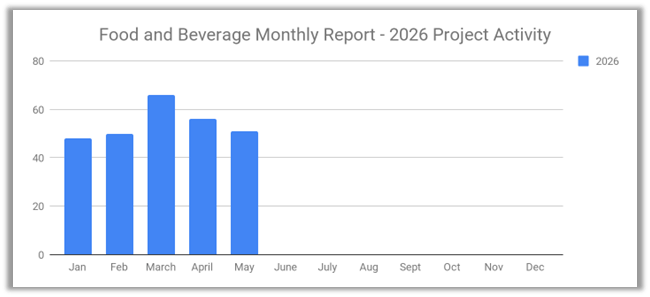
The latest industry indicators suggest forklift dealers are entering the second half of 2026 with cautious optimism. Customer activity is improving across many markets, particularly in sectors tied to infrastructure, data centers, energy, and industrial construction. For many dealerships, that means stronger opportunities in equipment sales, rentals, and aftermarket support.
A growing number of equipment businesses reported results that met or exceeded internal expectations during the second quarter, reflecting healthier demand than many anticipated earlier this year. Rental activity has strengthened, and larger fleet operators continue to benefit from major project investments.
While demand is improving, profitability remains a balancing act. Equipment costs continue to rise due to inflation and tariffs, making it increasingly important for dealers to protect margins. Many dealerships are finding that customers remain highly price-sensitive, especially when competitors discount aggressively to secure business.
For forklift dealers, disciplined pricing is becoming just as important as winning the next rental or equipment sale. Competing solely on price can erode profitability and make it more difficult to recover rising acquisition and operating costs.
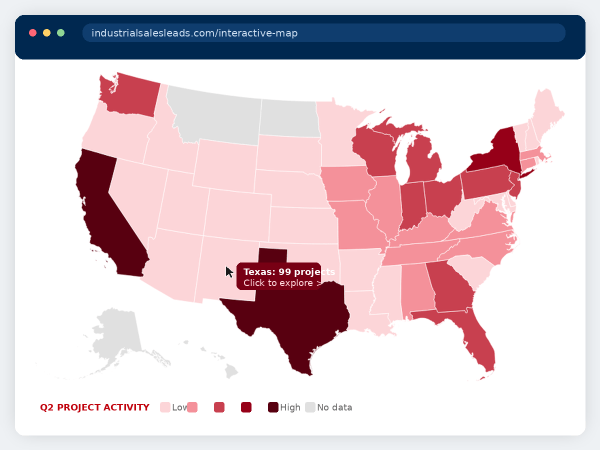
The strongest growth continues to come from specialized applications rather than traditional equipment demand alone. Dealers serving data centers, manufacturing, logistics, utilities, and energy markets are seeing increased opportunities as these sectors expand. Those customers also generate long-term value through planned maintenance, replacement parts, and fleet management services. Material Handling Wholesaler is working with SalesLeads to capture the latest projects seeking companies to help them build RFPs for new facilities they are working on in the near future. This service provides critical sales information, such as the decision-maker’s contact details, the equipment they need, and when they need it. More information is available by going to Identified Sales Leads Report – Material Handling Wholesaler
Another encouraging sign is that projects appear to be moving forward more consistently than they did last year. Fewer delays and more announced capital investments are creating greater confidence for the remainder of 2026. As a result, many dealers expect continued growth in equipment utilization and customer spending through the third quarter.
Fleet planning remains a priority. Dealers continue to invest in rental fleets, but higher equipment prices and extended manufacturer lead times require more disciplined purchasing decisions. Accurate forecasting of customer demand has become increasingly important to ensure fleet availability while avoiding unnecessary capital expense.
Labor also remains a concern. Recruiting and retaining qualified technicians is challenging for many dealerships, making service capacity a competitive advantage. Dealers that invest in technician development, preventive maintenance programs, and responsive customer support are well positioned to strengthen customer loyalty.
Looking ahead, the overall outlook remains positive, but success will depend on execution rather than market conditions alone. Dealers that combine disciplined pricing, strategic fleet investments, exceptional service, and a focus on high-growth industries will be best positioned to capitalize on improving market conditions while protecting long-term profitability.