
ConMet eMobility and Carrier Transicold team up to deliver new Zero-Emission Refrigerated Trailer Technology
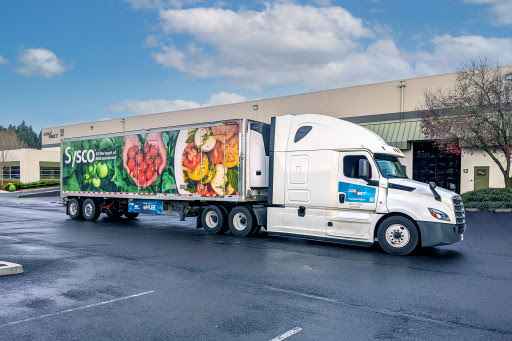
ConMet eMobility and Carrier Transicold, pioneers in zero-emission transport refrigeration technology, and Sysco Corp., the global provider in foodservice distribution, has announced that they have entered into an agreement to supply Sysco with new zero-emission* refrigeration systems as part of a commercial evaluation program. The new system combines the ConMet PreSet Plus® eHub™ with Carrier’s Vector™ refrigeration unit to provide fleets with a zero-emission solution for commercial trailers. Regenerative energy created by the lightweight, modular, in-wheel motors of the eHub system power the electric Vector refrigeration unit. Initial delivery of this advanced system took place earlier this year at Sysco’s Riverside, California, operating site, a location at the forefront of the company’s electrification efforts. “Sysco is proud to partner with ConMet and Carrier to deploy their innovative, zero-emission refrigeration solutions,” said Neil Russell, Sysco’s senior vice president of corporate affairs and chief communications officer. “This is an important step in advancing our overall emission reduction strategy while helping our industry move toward more sustainable transportation solutions and ensuring critical access to reliable temperature-control technology.” This collaboration aligns with the visions for each of the companies, which are working toward a more sustainable future. ConMet is committed to sustainable manufacturing while developing innovative products that help customers meet their own environmental goals. Carrier offers a comprehensive, integrated, and growing suite of sustainability solutions and services that allow customers to reach their energy and decarbonization goals. Sysco has set a science-based climate goal to reduce emissions by 2030, which includes the electrification of 35% of its U.S.-based fleet. “We are proud to partner with Sysco, whose vision for the future aligns with ConMet’s,” said Marc Trahand, vice president and general manager of ConMet eMobility. “Working with our customers to develop and deploy transformative technologies like the eHub system is central to our mission. We strive to increase the efficiency and effectiveness of our customers’ businesses while helping to secure our planet’s future.” “Electric technology can deliver lifecycle cost benefits for sustainable transport refrigeration units and supports Carrier’s goal of reducing our customers’ carbon footprint one gigaton by 2030,” said Mike Noyes, vice president and general manager, Truck Trailer Americas, Carrier Transicold. “We’re pleased that companies like Sysco see the benefits of performance and fuel savings for themselves.”
February 2022 Logistics Manager’s Index Report®
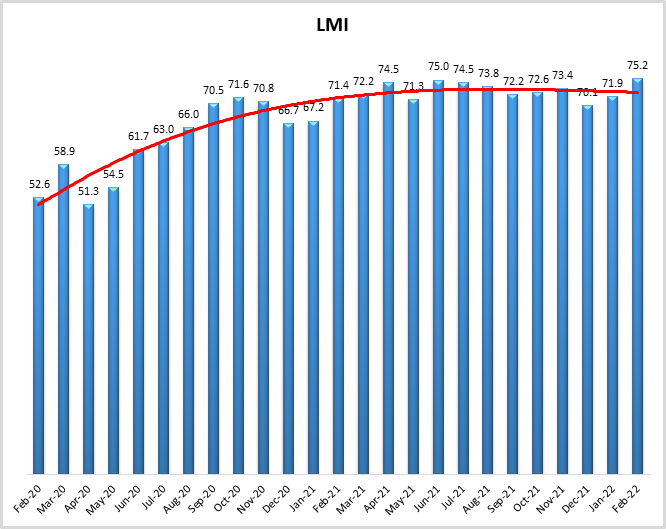
LMI® at 75.2 Growth is INCREASING AT A DECREASING RATE for: Inventory Levels, Inventory Costs, Warehousing Utilization Warehousing Prices, Transportation Utilization, and Transportation Prices Warehousing Capacity and Transportation Capacity are CONTRACTING February’s overall LMI reading of 75.2 is the second-highest in the history of the index, up (+3.3) from January’s reading of 71.9. This is now 13 consecutive months over 70.0, which we would classify as significant expansion, with no obvious signs of a slowdown on the horizon. Like January, this month’s growth is driven by rapid growth in Inventory Levels, which are up 9.1 points to 80.2 – crossing the 80.0 thresholds for the first time and shattering the previous record of 72.6. This is a complete 180 from the Fall of 2021 when firms struggled to build up inventories. Now it seems that a combination of over-ordering to avoid shortages, late-arriving goods due to supply chain congestion, and a softening of consumer spending has created a logjam, Inventory Levels a full 21.4 points higher than they were in November. Unsurprisingly, this has spilled over to Inventory Costs as well, which have also reached a new peak (+2.3) of 90.3. This inventory issue seems more pronounced for downstream retailers, who reported significantly higher levels of both Warehousing and Transportation Utilization than their upstream counterparts. There is a possibility that this surge in inventories will result in some price markdowns for durable goods. However, it seems unlikely that this will lead to a meaningful break in the inflation we have observed across supply chains, as Warehousing and Transportation Prices remain high due to the continued mismatch in demand and available capacity. Researchers at Arizona State University, Colorado State University, Rochester Institute of Technology, Rutgers University, and the University of Nevada, Reno, and in conjunction with the Council of Supply Chain Management Professionals (CSCMP) issued this report today. Results Overview The LMI score is a combination of eight unique components that make up the logistics industry, including inventory levels and costs, warehousing capacity, utilization, and prices, and transportation capacity, utilization, and prices. The LMI is calculated using a diffusion index, in which any reading above 50 percent indicates that logistics is expanding; a reading below 50 percent is indicative of a shrinking logistics industry. The latest results of the LMI summarize the responses of supply chain professionals collected in February 2022. Overall, the LMI is up (+3.3) from January’s reading of 71.9. The growth in this month’s index is fueled by metrics from across the index. Unseasonably high rates of inventory accumulation stand out among these metrics, but capacity remains constrained, and prices continue to grow quickly. Looking forward, respondents do not predict much relied over the next 12 months on. Given the current shortages in capacity, it is difficult to disagree with them. The obvious place to start this month is with the Russian invasion of Ukraine. Beyond the truly tragic loss in human life, a number of costs are extending out of this conflict – many of which will have a direct effect on global supply chains. The most apparent change has been the shock to fuel prices. The price of crude oil is up to $100 a barrel – the highest level since 2014. As sanctions rack up on Russia, prices may continue to increase, potentially driving transportation and inventory costs higher[1]. Average diesel prices in the U.S. were $4.006 on February 28th. This is up 44 cents per gallon since the start of 2022 and up to $1.07 from this time last year[2] [3]. Russia’s invasion has also led to no-fly zones over Moldova, Eastern Russia, and Ukraine, cutting off the most direct route between Europe and Asia. Additionally, many countries, such as the UK have banned Russian carriers from landing there[4]. FedEx and UPS have also suspended shipments to Russia, with packages in route to be returned to the sender[5]. The longer routes cargo planes will have to take, along with increased fuel costs due to the war, create a “double whammy” for carriers. Finally, we are likely to observe various indirect costs here as well, as sanctions cut off access to leading producers of commodities like nickel, palladium, natural gas, wheat, grain, and sunflower oil. The ripple effects from this will be felt in products from groceries to Volkswagens[6]. On the other side of the globe, the number of ships waiting off the coast of LA/Long Beach was at 66 during the last week of February – the lowest level since September. Additionally, dwell time for containers at the Port of LA are down 23% from their peaks in early December. However, the number of ships queuing off of alternate US ports like Charleston or New York/New Jersey has increased steadily[7]. Over 30 ships lingered off the Port of Charleston in late February – up from 19 in January. The Port Authority expects the backlog to clear by April[8]. In addition to the ongoing port delays, protests at the U.S./Canada border have slowed truck traffic as well. These actions caused prices to ship goods from Canada to the US to jump up 44% from January to February[9]. The push to avoid bottlenecks has also led some firms to move what would usually be intermodal freight by road. US intermodal transports are down by 12% year-over-year through the first six weeks of 2022. They have lost approximately 1% of their market share to long-distance trucking since the start of the pandemic. Increasing the demand for truckloads of over 500 miles[10]. The impacts of this consistent congestion, fueled by the 10.6 million TEUs that were processed at the Port of LA in 2021 – up 16% from 2020[11], a paltry 42.2% of container ships arrived on time in 2021 – down 35.8% from 2019. This has not improved much, in late February the average container was still taking 109 days to get from China to its final point of destination in the U.S., something that should take 40-60 days pre-pandemic. This has led to the forecasting
Casper, Phillips & Associates Inc. (CPA) has named employees minority Associate Principals
Casper, Phillips & Associates Inc. (CPA) has named employees Richard Phillips and Andrew Hanek minority Associate Principals. Phillips and Hanek remain mechanical engineers and civil engineers respectively at CPA but are now taking on leadership roles. CPA offers a wide variety of services, including procurement, specification, design, manufacturing review, modification, and accident investigation. The three current principals—Jeff Hubbell, Tom Hubbell, and Mike Zhang—are leading the company after Rich W. Phillips, stepped down in 2020. Phillips and Hanek represent a new generation of ownership, and CPA is looking forward to a bright future. Richard Phillips Phillips, 35, has 11 years of company experience, performing peer reviews of contractors’ crane designs, including some of the largest container cranes in the world. He has experience in machine design and has designed mechanical systems for use on container cranes, overhead cranes, airplane paint stackers, and other systems. Phillips has performed finite element analysis of container cranes, rail-mounted gantry cranes, Goliath cranes, and whirly cranes. After graduating from Oregon State with a Bachelor’s degree in Mechanical Engineering (BSME), he went on to get a Master of Science in Mechanical Engineering (MSME) from the University of Southern California. Since being hired out of college, Phillips has been part of many successful projects and proven to be a valued team member. He has worked in all of CPA’s major branches and has been adaptable to the different industries the company serves. Phillips said: “I had a general idea of my career path even before attending college as my father [Rich W. Phillips] was the founder of the company. Stepping up to ownership increases the responsibility but also helps to spread out the workload shared by the principals. From a client’s perspective, they benefit from a long-term vision, enabling all parties to grow together.” Andrew Hanek Hanek, 32, has eight years of design experience with CPA, focusing on container cranes and overhead crane systems, in addition to performing peer reviews of crane designs, design of repairs and retrofits, custom software programming for finite element analysis pre-and post-processing, and 3D point cloud scanning and processing. Other notable work includes developing a container crane anti-seismic system, assisting clients in planning, and purchasing cranes, and 3D solids modeling of the wharf to soil interface for offloading. Hanek grew up in the Pacific Northwest. From high school, he knew he wanted to be a structural engineer and went to college to study structural engineering. There, he harbored ambitions of starting his own company, before graduating with a Bachelor of Science in Civil Engineering at the University of Washington and Master of Science in Civil Engineering at Oregon State University. Supported by a successful career to date, Hanek also fulfills his ambition to step into company ownership. He said: “After working with CPA over several years and getting great enjoyment from the projects we do, it’s exciting to continue to build on what we have achieved to date and cement a legacy in the business through incremental ownership. I hope to leverage my strong background in modern technologies, including programming for design. I enjoy responsibility as the in-house, go-to for our programming and 3D-related scanning questions, for example.” Ongoing collaboration The team is well prepared to meet the immediate, mid-, and long-term challenges of customers. Jeff and Tom Hubbell are licensed structural engineers; Hanek is a civil engineer and has a goal to become a licensed structural engineer; while Zhang and Phillips are licensed, mechanical engineers. Hanek has already started onboarding some of Rich W. Phillips’ clients and is helping to fill in the void that he is leaving as he transitions into retirement. Many projects will involve collaboration with multiple team members. As Phillips said, “Cranes are not just structural steel; they are a complex system of electrical, mechanical, and structural components. No individual can have expertise in all these areas of practice.” Proprietary software development One of Hanek’s immediate objectives is to maintain and develop the proprietary structural software suite, previously overseen by Rich W. Phillips., while Phillips Jr. creates a proprietary mechanical software suite. Without proper planning, the increasing size of vessels can make equipment and facilities obsolete long before the capital investment is amortized. Before the cranes are purchased, CPA can quickly analyze different crane geometry, such as the effect of rail gauges, and help ports procure cranes that best suit their specific needs. Pre-purchase engineering can ensure the cranes do not overload the dock, and the specified crane is buildable. Phillips said: “Crane manufacturers like to re-use old designs because it saves money on engineering. However, it is impractical to design a standard crane that meets the requirements of all ports worldwide. Geological conditions where the cranes will be used dictate many different design considerations. A container crane is designed for use in Florida will be designed for hurricane winds, while a crane destined for Los Angeles will be designed for earthquakes. Some locations will require that the cranes pass under a bridge during delivery.” Hanek concurred: “The challenge of standardizing a crane design starts to become more apparent when these conditions are considered. Designing a standard crane for a standard earthquake to be shipped under a standard bridge and placed on a standard dock is impractical. Therefore, CPA developed proprietary software—to analyze cranes for all the different conditions and requirements.”
TestEquity wins Treston’s 2021 Electronics Distributor of the Year Award

TestEquity, a test and measurement solutions distributor in the U.S., just announces that it has been named Treston’s Electronics Distributor of the Year for 2021. The award recognizes leading electronics distributors that bring innovative and pioneering products to market to drive industry growth and excellence. Treston is a global leader in providing ergonomic workstation solutions to increase workplace productivity. Through its partnership with TestEquity, it has been able to increase its industry presence and diversify its customer base. TestEquity received the award for achieving remarkable sales growth and exceeding customer expectations. It also offers industry-leading speed of delivery – 99.8% of in-stock shipments are made the same day. TestEquity also demonstrated rapid customer growth for increased product sales, superior inventory management, and high customer satisfaction rates. “We are honored to receive this award from Treston and to be acknowledged by one of our valuable business partners,” said TestEquity CEO Russ Frazee. “TestEquity is committed to providing world-class service, and we will continue to raise the bar. We remain committed to the success of Treston’s innovative products and know our relationship will only get stronger as we move forward together.” Treston is among the world’s leading suppliers of industrial furniture and workstations, providing high-quality, durable workstation solutions globally for more than 140 years. The head office and factories are located in Finland, with subsidiaries in six countries: Sweden, the UK, Germany, France, the United States, and Russia. Treston ergonomic workspace products are designed to make daily work more accessible, more comfortable, and less stressful – the result is happier, healthier employees and a more efficient, more profitable workplace.
Delta-Q Technologies welcomes four more companies to its partner program, “Charged by Delta-Q”

Stafl Systems, Idneo, BSLBATT Battery, and American Battery Solutions join Delta-Q Technologies’ compatibility program to facilitate innovation and collaboration among the electric battery, battery management system, charging, and equipment sectors Delta-Q Technologies (Delta-Q) has announced it has welcomed four additional companies to its partner program, “Charged by Delta-Q.” The new partners are Stafl Systems, Idneo, BSLBATT Battery, and American Battery Solutions. Like existing partners, these companies will have access to the tools, brand association, and support to collaborate with Delta-Q in a variety of electric drive markets. This also means that Delta-Q supplied OEMs will now have a curated network of 13 compatible battery and battery management system (BMS) manufacturers that work well with Delta-Q’s charging solutions. “We are excited to welcome our four new partners to the program,” said Rod Dayrit, Director of Business Development, Americas at Delta-Q. “The expansion of this program is an important milestone as we look to advance engagement and collaboration across manufacturers in the electric drive vehicle and industrial equipment sectors. By signifying our compatibility with our battery partners, and now BMS partners, we are able to expand our reach and provide OEMs with a trusted source to secure the highest quality and compatible power solutions that will ultimately expand their businesses.” The compatibility program, which launched in May 2021, was created to give OEMs confidence that the battery, BMS, and charger combination will provide their electric drive products with best-in-class performance, prolonged battery life, and maximum uptime. Through the program, OEMs can view tested algorithms and integrations with Delta-Q’s chargers and a variety of batteries and BMS. “The objective of Delta-Q’s compatibility program is to help our partners increase awareness around the quality and reliability of their battery or BMS,” said Steve Blaine, Co-CEO and EVP of Engineering and Quality at Delta-Q. “We’re excited to continue our long-standing collaboration with our partners and further demonstrate the value of our combined solutions.” As part of the program, battery and BMS partners receive a “Charged by Delta-Q” marking for use on their products, packaging, and marketing materials, which they can utilize as they look to grow their revenue streams and target new industries or regions that Delta-Q currently operates in. The logo signifies to OEMs that the battery or BMS is compatible with Delta-Q’s chargers. During the replacement process, the program will allow the aftermarket to look for the “Charged by Delta-Q” mark on a battery or BMS. Participating manufacturers will be included in a comprehensive table of product types on Delta-Q’s website. They will also be participating in the ZAPI GROUP’s virtual conference hosted on April 5-7, 2022.
Hot-Fill Glass Jar inversion conveyor with missing cap reject
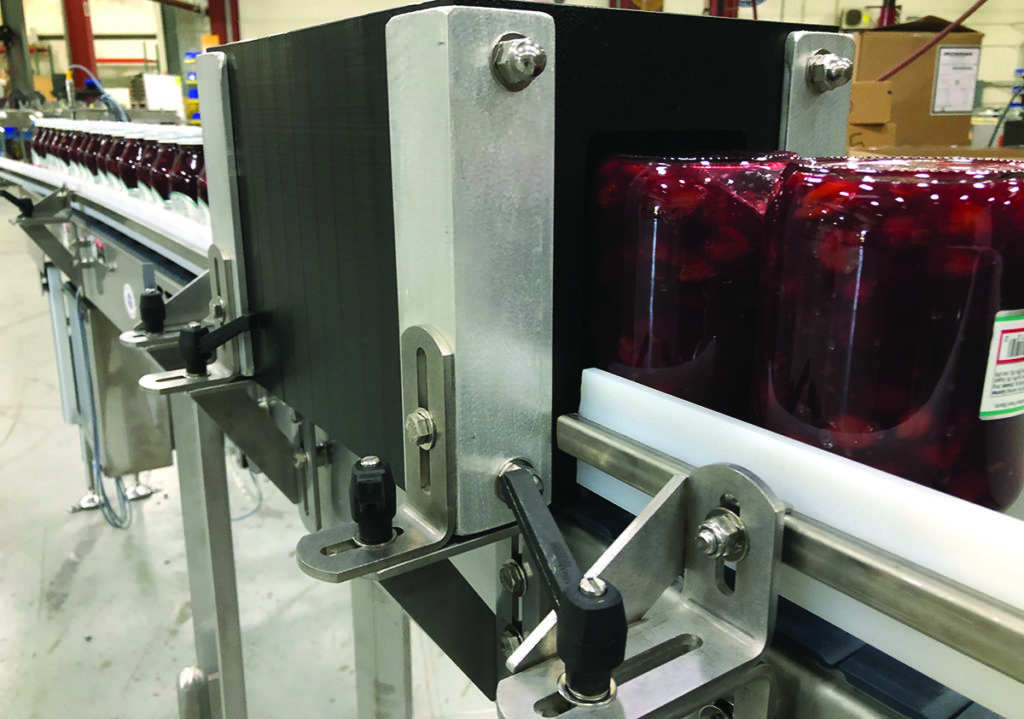
Multi-Conveyor recently built a system to replace a manual hot-fill-jar-inversion process while providing optimum cooling time after the capper for multiple products and jar sizes canning line at a renowned family-owned produce manufacturer in northern Wisconsin. Single-lane-filled glass jars exit an existing capper in an upright orientation, then side transfer at the Multi-Conveyor infeed conveyor. The product conveys to a non-powered jar inverter and travels approximately 30-seconds upside-down, prior to entering a second non-powered jar inverter. The jars then side transfer to an existing conveyor in an upright position. The conveyor length was critical for cooling of the up-to-200°F product, both before and after the 90° side-flexing curve, and prior to the final inversion. Jars then proceed to an existing labeler and staging system where the product is manually removed and ultimately case packed. This line produces jams, salsas, pie fillings, and other products. Multi-Conveyor added dual belt drive assemblies prior to the first inverter, ensuring accurate inversion of larger, heavier jars. A missing and cocked-cap reject prior to the first invert that included sensors, logic, and reject completed the system. Regarding increased production and ease of changeovers, the customer explained, “On average we can produce 20-40% more per day. The new equipment with additional line space also gives the flexibility to allow the filling line to continue running a bit longer than before. Last year we handled about 350 cases (4200 jars) per day and now are averaging about 500 cases (6000 jars)”.
Women In Trucking Association announces its March 2022 Member of the Month

The Women In Trucking Association (WIT) has announced Ginger Pitts as its March 2022 Member of the Month. Ginger is an Automated Side Loader (ASL) Recycling Truck driver for Waste Management (WM) in Oklahoma City. Ginger is a native Oklahoman who grew up in Enid and moved to OKC about seven years ago. She has quite the entrepreneurial spirit as she ran a restaurant in Enid for almost 20 years before changing careers and starting a business. Her business transported pets of military families across the country from one duty station to the next because pets aren’t included in the moving process. Ginger visited nearly every state in the nation before being injured while acting as a good Samaritan helping a stranded motorist. While Ginger was recuperating from the shoulder injury, she started training to drive a school bus. The training she received put her on the pathway to becoming a truck driver. As a child, she always loved watching the trash trucks empty the large metal cans and throwing them like they weighed nothing at all, but never dreamed of the possibility of driving a truck someday. She drove a school bus for Mustang Public Schools and loved interacting with all the children. However, in May 2020, the school district shut down because of the pandemic. Ginger saw a sign that WM was hiring and decided to apply. She was hired and said she had finally found her niche. Ginger says the joystick-type controller is like playing a video game. There’s a great deal of skill involved in using the joystick to empty the recycling carts without damaging or knocking them down. Each day her mission is the same, emptying an estimated 900 carts and returning each one to its original place without any damage or failure. “One of the things that many people don’t know is the unique service offered to senior citizens or disabled individuals in that even with the automated trucks; the driver will stop the truck, retrieve the cart, empty it, and place it back in its spot. It is so rewarding to help these folks!” she said. A big benefit of the job is the smiles she receives from the children on her route. Ginger always waves or honks the horn for them. One young boy on her route draws pictures all about the recycling truck and all the recycled items. He leaves the pictures on the cart, and she keeps them in her truck and on her refrigerator at home. One thing most people don’t know about Ginger is that she is in Oklahoma’s Amateur Softball Association (ASA) Hall of Fame. She received this honor because of her skill as a shortstop for over 35 years in Oklahoma. Ginger loves her job and encourages other women to join, saying, “Don’t hesitate! Women can do anything! It’s a great industry! Jump in and enjoy the ride!” WM is a sponsor of the Salute to Women Behind the Wheel, an event hosted by WIT to celebrate female CDL holders on Friday, March 25, 2022 at the Mid-American Trucking Show in Louisville, KY.
Orbital Wrapper manufacturer reports record-breaking year for TAB Wrapper Tornado sales
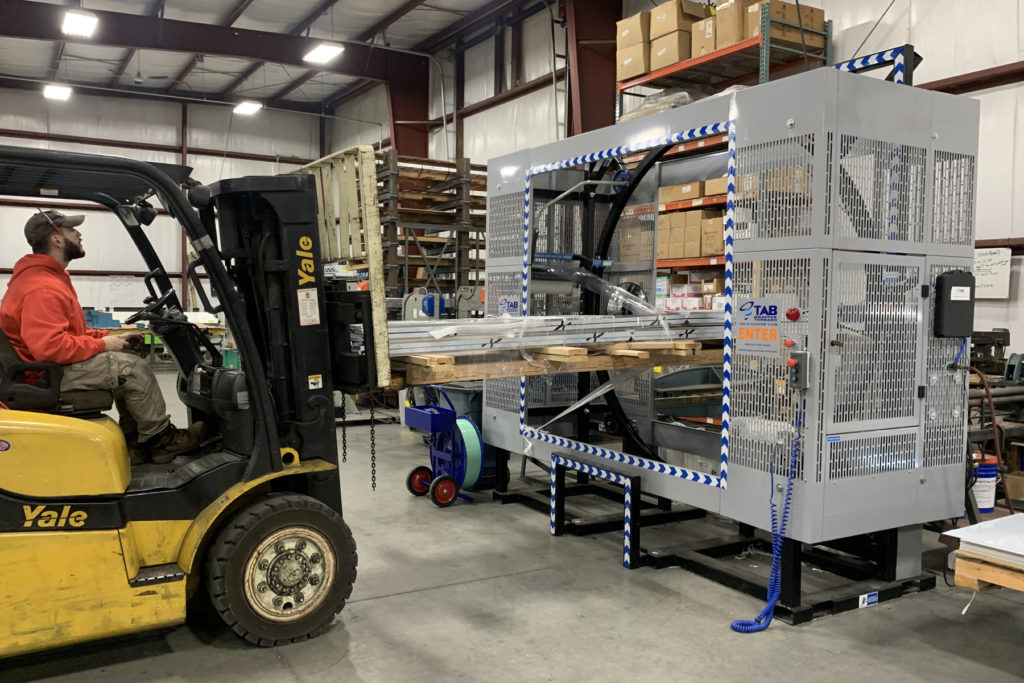
Packaging machinery manufacturer TAB Industries, LLC, has broken its record for sales of its TAB Wrapper Tornado orbital wrapping systems, reporting a 43 percent increase in total pallet wrapping units delivered in 2021 versus 2020 and a 44 percent increase in revenue. The TAB Wrapper Tornado line of orbital wrappers automatically applies stretch wrap 360 degrees around and under the pallet and load to create a tight, secure, unitized load that resists shifting in transit without requiring banding, boxing, or strapping. The increasing demand for automated packaging equipment as a solution for boosting production without requiring a large staff contributed to the record year, according to Andy Brizek, vice president of sales and marketing. The company’s automated TAB Wrapper Tornado Smart Controls wrapping units tallied a 100 percent increase in units delivered in 2021 versus 2020. These orbital wrappers enable a single operator to perform the entire wrapping function by remote control as a non-stop, continuous process, often reducing the time per pallet wrap from five minutes to 30 seconds or less. The company’s three, standard, semi-automated models with 100-inch, 80-inch, and 40-inch wrapping ring diameters also garnered substantial increases in units delivered year over year. The patent-pending TAB Wrapper Tornado orbital wrappers are designed and manufactured in the company’s Reading, Pa. headquarters. The wrapping machines are delivered tested, inspected, and ready for operation with a warranty.
Dorner appoints Lindsey Muchka as new Director of Marketing
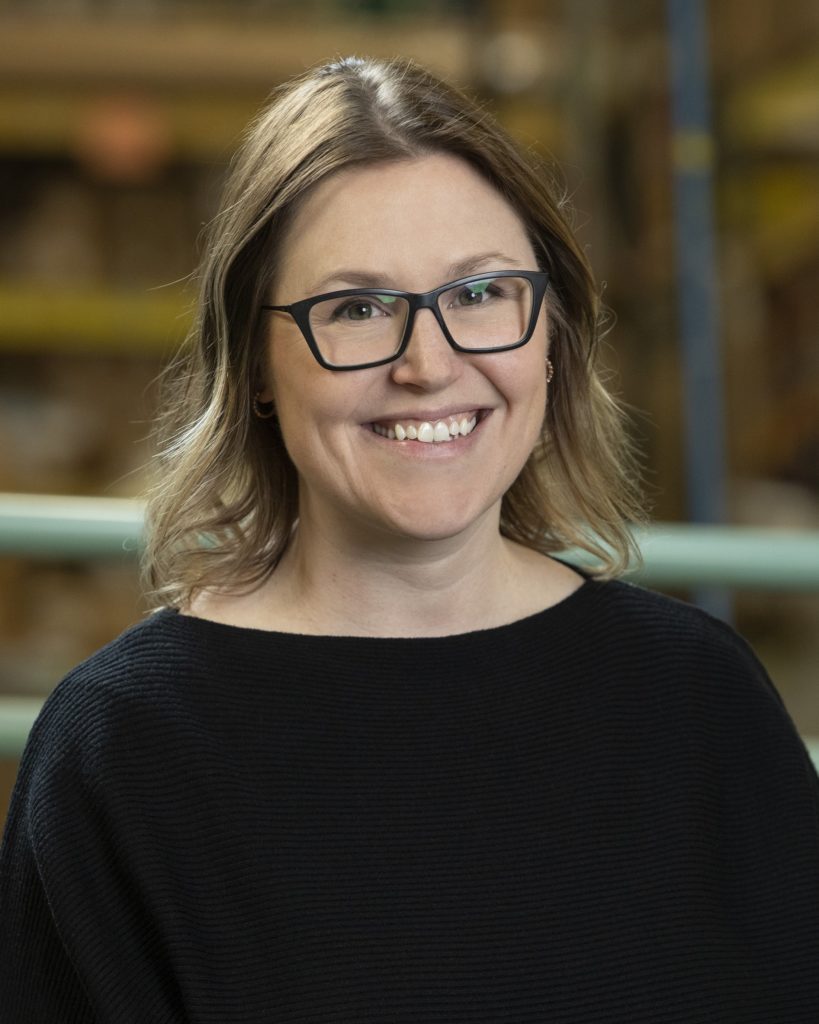
Lindsey Muchka has been appointed the new Director of Marketing for Dorner. In her position with Dorner, Muchka will head up all of the company’s marketing and advertising efforts that support its conveyor platforms. Additionally, she will coordinate new product research and development functions for industrial and sanitary markets, plus lead Dorner’s public relations, Internet, and trade show activities. Prior to joining Dorner, Muchka worked for 11 years at Tailored Label Products, Inc., where her roles included a variety of sales and marketing positions, including most recently as director of marketing. She earned a bachelor’s degree in marketing and management from the University of Wisconsin, and a master’s degree in marketing from South University. “I feel very fortunate to join such a talented group of dedicated professionals here at Dorner,” Muchka said. “I look forward to working closely with our sales and distribution network to further promote the Dorner brand to our global audience.”
Yellow Corporation recognizes 2021 Million Miler Drivers
Yellow Corporation congratulates its drivers who, in 2021, achieved the milestone of driving at least three million miles without a single preventable accident. “Huge congratulations to all our drivers who reached Million Miler status last year, and welcome to an elite and extremely impressive club,” said Tamara Jalving, Yellow Vice President of Safety and Talent Acquisition. “I’m incredibly proud of how our million-mile drivers embody our safety vision and truly act as safety leaders where they work and live.” Yellow drivers who reached the 4 Million-Mile Safety Milestone are: Rick Appelman – Road Driver, Atlanta, GA Donald Cook – Road Driver, Allentown, PA Marty Dotson – Road Driver, Phoenix, AZ Alvin Jones – Road Driver, Memphis, TN Ronald Mills – Road Driver, Charlotte, NC Alvin Shortridge – Road Driver, Oklahoma City, OK Scott Zahm – Road Driver, St. Louis, MO Yellow drivers who reached the 3 Million-Mile Safety Milestone are: Robert Bailey – Road Driver, Memphis, TN Gary Barr – P&D Driver, Camp Hill, PA Terry Bland – Linehaul Shuttle Driver, Chicago, IL Edwin Bruno – P&D Driver, Bloomington, CA Mark Chavez – Road Driver, Memphis, TN Wilbur Conley – Road Driver, Dayton, OH Steven Cook – Road Driver, Jackson, MI Ronald Cooper – Road Driver, Indianapolis, IN John Cuci – Linehaul Shuttle Driver, Chicago, IL Steven Daybell – Road Driver, Salt Lake City, UT Arlin Hagman – Road Driver, Minneapolis, MN Tommy Harris – Road Driver, Jackson, MS Randy Hartman – Road Driver, Nashville, TN Michael Hilbert – Linehaul Shuttle Driver, Chicago, IL Curtis McGregor – Road Driver, Dallas, TX Reynaldo Medina – Sleeper Driver, Dallas, TX Daniel Monroe – Sleeper Driver, Dallas, TX Donald O’Brien – Road Driver, Lincoln, IL Michael O’Neil – Road Driver, Chicago, IL Todd Rowley – Road Driver, Spokane, WA Erwin Scholtz – P&D Driver, Tacoma, WA Michael Schommer – Road Driver, Chicago, IL Donald Schultz – Road Driver, Indianapolis, IN Mark Sosler – Road Driver, Oklahoma City, OK Joe Stafford – Road Driver, Nashville, TN Timothy Swindell – Linehaul Driver, Denver, CO Terry Tyler – Sleeper Driver, Chicago, IL James Young – Road Driver, South Bend, IN John Zajac – Road Driver, Cleveland, OH “Congratulations to these drivers who achieved the absolutely incredible in driving three– and four–million miles SAFELY for Yellow,” said Darren Hawkins, Yellow CEO. “The leadership, dedication, and laser-focus on the safety required to attain Million Miler status are significant, and I’m proud to have these drivers on our team. We have the best truckers in the industry who know how to get the job done safely for our communities and our customers.” Since 2008, more than 325 Yellow drivers have achieved a safe driving milestone of 3,000,000 miles or more. In the past decade, 8 drivers have had the distinction of achieving 5,000,000 safe driving miles. “Truckers are heroes, and our Yellow drivers who have racked up millions of safe driving miles are next-level heroic and setting the industry standard in safety,” said Jalving.
EP 258: Warehouse Education

In this episode, I share my own knowledge from experience on how to increase your warehouse education. I have been asked this question a few times in the last couple of months about not only increasing knowledge in the warehouse industry but also how to help grow your career in the industry so I thought I would share some of my answers on this episode. Key Takeaways Like myself, many that find themselves in our industry have not had any kind of formal warehouse education. This often leads to a point where people want to increase their knowledge in some way which is where I found myself a few years ago. I pursued the CLTD certification from APICS and ASCM at the time and I still highly recommend it. The certification was very comprehensive and it really helped me to understand some concepts that I probably would not have exposure to until later on in my career at a more senior level. Other options are to do programs at local community colleges or other associations. Another way to learn and grow in the industry is to network with other people. I know this is said all of the time but the truth is it really works when you put some effort into it. As you network with people in your industry you start to learn things just from talking with them and hearing the challenges that they have gone through. If you develop a good relationship with them, meaning you both get value out of the relationship, then you end up with someone that you can call on when you are trying to solve a problem. It is also helpful because you might want to do something that you do not have experience with so you can reach out to someone in your network who may have had the experience. The last suggestion is to get some experience in the field by working as a warehouse associate and doing the physical processes. This is something I suggest to my students all the time. It is very easy to get a job in a warehouse because they are hiring like crazy and you could even go through a temp agency. Of everything I could recommend this would be the most beneficial because it will help you better understand what is going on on the floor when you need to adjust strategies or lead them in a different way. Listen to the episode below and leave your tips on how to help your career grow in the comments. The New Warehouse Podcast EP 258: Warehouse Education
Deficit economics in the material handling industry: lithium batteries can help businesses get through long lead times on new forklift orders in 2022–2023
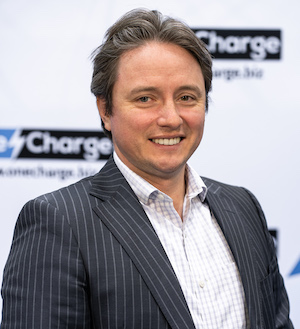
[email protected] As the world recovers from the turbulent years of 2020 and 2021, we are seeing all sorts of repercussions across different sectors of the economy. Unprecedentedly long lead times for durable consumer goods and industrial equipment alike are among these consequences. With a lack of actual inventory for sale, dealers of material handling equipment (MHE) are seeking new revenue sources and adding rental and retrofit business models to the traditional sales and lease of new equipment. This is where lithium technology can help. The long life cycle of lithium batteries significantly increases equipment utilization so one can extend the use of lift trucks until the new equipment finally arrives. Lack of inventory and record long lead times in the MHI According to the Industrial Truck Association’s data, new orders of MHE rose sharply in 2021 after a slight decline in 2020. However, shipments have not kept pace with these record numbers, showing just a slight rise over the previous year. Why did the demand for MHE grow so significantly in 2021? There are a few factors at play. As the US economy grew by a healthy 5% in 2021, companies handled more products at factories and moved them to consumers through distributors. Two years into the pandemic, consumers are still buying groceries in bulk, eating more at home, and spending 15–20% more on food and supplies than they did in 2019. But more importantly, we might be seeing a structural change in the supply chain and distribution. The growth of online sales and deliveries pushes warehouses to acquire more space. Many distribution centers and warehousing are quadrupling their capacity! Equipment manufacturers, however, were not ready for such a spike in demand while they were suffering from rising prices for materials and components. In many cases, “just-in-time” manufacturing turns into “just-in-case.” Rather than keeping their inventory as lean as possible to minimize extra costs, vendors are planning for the unexpected and making upfront investments in more stock to secure their operations in the long term from all sorts of logistical and supply-chain disruptions. As a result, the MHE order backlog is bigger than ever in 2022. Lead times have grown from the normal (pre-pandemic) 20–30 weeks to 20, and in some extreme cases up to 30, months. Long waiting lists have been reported by potential customers of Toyota, Crown, Raymond, and HYG. Some OEM dealers stopped taking orders in early 2021! Is there a chance for the second-tier OEM players? While the market leaders lack inventory, a window of opportunity is opening for second-tier players and Asian brands of forklifts to gain a share and grow their presence on the U.S. market. However, they suffer from the same lack of materials and components and supply-chain disruptions, which is a global issue. Much more importantly, these companies still have to convince the industry they can deliver high-quality service across the USA. Customers are deterred by difficulties in procuring maintenance, and replacements may take years to arrive. Lithium batteries can help energize sales for MHE dealers Industry experts do not expect “stability” in the supply chain any time soon. Pre-pandemic lead times are not coming back before 2024. In the meantime, many companies are running for longer hours and putting more stress on their forklift batteries, especially in the logistics and 3PL industry. Lead-acid batteries in many applications will not last until the end of the lease term, creating a very real risk that operation disruptions and downtime will spiral out of control. The following are the solutions that MHE dealers can offer to their customers in 2022–2023 by adopting lithium batteries: Retrofit At the end of the lease (or with the visible decline of uptime and increasing maintenance labor costs), lead-acid batteries can be swapped to lithium to keep up operations. This step will improve performance, not just sustain it. When the new trucks finally arrive, the same lithium batteries can be used to power the new equipment. Rent The lack of new forklifts to replace equipment reaching the end of its life can be mitigated with the rental model. Advanced lithium batteries with modern data capabilities and triple the lifetime of lead-acid batteries provide dealers with an opportunity to develop an attractive and profitable price model. Today forklift dealers have a chance to help their clients with a very practical solution, while at the same time improving their position in the fast-growing lithium segment of industrial batteries. Practical knowledge and experience with the new lithium technology will continue to drive sales for the years to come. About the Author: Tim Karimov, President of OneCharge
Port of Long Beach Named ‘Public Partner of the Year’
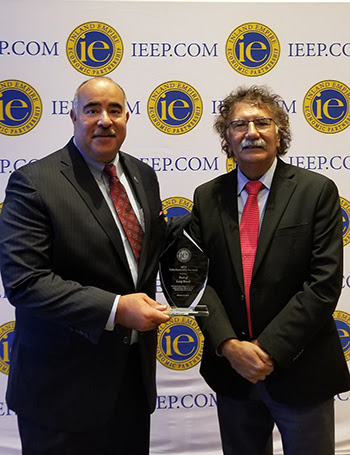
Inland Empire Economic Partnership presents award at the annual ceremony The Port of Long Beach was named the “Public Partner of the Year” by the Inland Empire Economic Partnership this week in acknowledgment of efforts to support business development and create jobs in the Inland Empire, an important link in the global supply chain. The accolade was accepted at the organization’s annual awards ceremony in Ontario, Calif., on Feb. 23 by Port of Long Beach Executive Director Mario Cordero, a member of the IEEP’s Southern California Logistics Council, which convenes to address issues challenging the local logistics industry. “It’s important for the Port of Long Beach to have a close working relationship with the Inland Empire Economic Partnership,” said Cordero. “It helps us make goods movement more efficient in this region, boosting economic benefits and reducing environmental impacts. It’s an honor to accept this award.” “This award is a meaningful recognition from an essential partner,” said Long Beach Harbor Commission President Steven Neal. “We support the IEEP’s work advocating for smart and responsible development in the Inland Empire, which plays a vital role in the journey of cargo from sea to warehouses and distribution centers and ultimately to store shelves and consumers.” Learn more about the Inland Empire Economic Partnership at www.ieep.com.
Ports of Long Beach, Los Angeles withhold ‘Dwell Fee’ one week

Plan to continue to monitor progress in clearing containers at terminals The Port of Long Beach and the Port of Los Angeles said today that they have decided to hold off on consideration of the “Container Dwell Fee” one more week, until March 4. The two San Pedro Bay ports have seen a combined decline of 69% in aging cargo on the docks since the program was announced on Oct. 25. The executive directors of both ports will reassess fee implementation after monitoring data over the next week. Fee implementation has been postponed by both ports since the start of the program. Under the temporary policy, ocean carriers can be charged for each import container dwelling nine days or more at the terminal. Currently, no date has been set to start the count with respect to container dwell time. The ports plan to charge ocean carriers $100 per container, increasing in $100 increments per container per day until the container leaves the terminal. Any fees collected from dwelling cargo will be reinvested for programs designed to enhance efficiency, accelerate cargo velocity and address congestion impacts. The policy was developed in coordination with the Biden-Harris Supply Chain Disruptions Task Force, U.S. Department of Transportation and multiple supply chain stakeholders.
CFO Anke Groth to leave KION GROUP AG

Anke Groth, a member of the Executive Board of KION GROUP AG and responsible for Finance and, as Labor Director, for Human Resources, is leaving the Company. Ahead of the upcoming renewal of her Executive Board contract, she has agreed with the Supervisory Board to end her work for the KION Group on March 31, 2022, in order to pursue new opportunities outside the Group. “We would like to thank Ms. Groth very much for her outstanding work over the past four years. The KION Group has been able to report excellent results year after year, and the market capitalization reflects this successful track record. In addition, Ms. Groth has sustainably strengthened the KION Group’s financial position – even though the Corona crisis period. With a Group-wide efficiency program, she has laid important foundations for the long-term competitiveness of the operating units. She has been very successful in developing the finance function into a high-performance business partner and has applied her considerable expertise to driving forward the harmonization, digitization, and automation of processes in finance and HR. The activities of the M&A unit she led have made a lasting contribution to the growth and expansion of the KION Group’s technological expertise”, says Michael Macht, Chairman of the Supervisory Board of KION GROUP AG. “We regret her departure and wish Ms. Groth a continued successful career.” The KION Group will provide information on a successor in due course. Until then, Rob Smith, Chairman of the Executive Board of KION GROUP AG, will lead the Finance department on an interim basis and take on the role of Labor Director.
Gerald Desmond Bridge demolition set to start in May

Port of Long Beach Back Channel to close to vessels May 7-9 Demolition of the Gerald Desmond Bridge in the Port of Long Beach is scheduled to start in May with the dismantling and removal of the main span, which will require a weekend-long closure of the Back Channel, the waterway that runs under the bridge, to all vessel traffic. The Back Channel will be closed to vessels from 6 a.m. Saturday, May 7, to 6 a.m. Monday, May 9, as the bridge’s 527-foot-long main span is disconnected and lowered onto a barge. The Gerald Desmond Bridge closed in early October 2020 when its replacement opened. Vehicle traffic on the replacement bridge will not be affected by the demolition of the old span. Removal of the main span is one of the first steps in demolishing the Gerald Desmond Bridge. Following the first weekend, further significant waterway impacts are not anticipated. Full demolition is expected to be concluded by the end of 2023. Removal of the Gerald Desmond Bridge, rising 155 feet above the water, will allow large cargo vessels to more easily access the Port’s Inner Harbor. The new bridge has a 205-foot clearance over the channel. “The Gerald Desmond Bridge helped this port complex become one of the busiest in the world. It helped us reach new heights during an era of incredible, transformative growth in international trade,” said Port of Long Beach Executive Director Mario Cordero. “We will bid a fond farewell to the Gerald Desmond, and honor the memory of the man for whom it was named. The new bridge that replaced it is a fitting, and lasting tribute to the old span.” “The Gerald Desmond Bridge served this Port, city, and region well over 50 years,” said Steven Neal, President of the Long Beach Board of Harbor Commissioners. “It was time to build a safer, taller, and wider span that will allow the Port of Long Beach to remain a primary gateway for trans-Pacific trade well into the future.” Opened in 1968, the Gerald Desmond Bridge was named after a former Long Beach city attorney who helped secure funding to build the 5,134-foot-long through-arch bridge. It was decommissioned when its replacement opened to traffic in October 2020. The Port awarded a contract in July 2021 to Kiewit West Inc., to dismantle and remove main steel truss spans, steel plate girder approaches, abutments, columns, access ramps, foundations, and other pieces of the Gerald Desmond Bridge. Funding for the $59.9 million demolition project is included within the overall $1.57 billion budget to build the replacement bridge. Metal and other materials removed from the old bridge will be hauled to a recycling site for salvaging and reuse.
Nucor Chief Financial Officer Jim Frias to retire; Steve Laxton to be promoted

Nucor Corporation has announced that Jim Frias, Chief Financial Officer, Treasurer, and Executive Vice President, plans to retire effective June 11, 2022, and will transition out of the role as of March 6, 2022. Steve Laxton, Vice President of Business Development and Strategic Planning, has been named his successor. Messrs. Frias and Laxton will work together over the next several months to conduct a seamless transition of CFO responsibilities. Mr. Frias, 65, joined Nucor in 1991 as Controller of Nucor Building Systems – Indiana. Over the years, he took on roles with increasing levels of responsibility, serving as Controller of Nucor Steel – Indiana and later as Corporate Controller. He was promoted to Vice President in 2006 and has served as Chief Financial Officer, Treasurer, and Executive Vice President since January 2010. During his tenure as CFO, Mr. Frias helped navigate some of the most challenging times in the steel industry and was part of the team that achieved record performance in 2021 – setting new records for earnings, revenue, steel shipments, and, most importantly, safety. Mr. Frias also established a capital allocation framework that has been a key part of helping Nucor achieve its most recent success. Since 2010, Nucor has returned more than $10 billion to stockholders in the form of dividends and share repurchases, while generating an average annual return on stockholders’ equity of more than 13% and maintaining the strongest credit ratings in our industry. Leon Topalian, Nucor’s President and CEO, commented, “Jim’s impact as a Nucor teammate over the last 30 years and as CFO for the last 12 years has been tremendous and will have a lasting effect on our company. Jim has ensured that we maintain our strong financial position, allowing us to reinvest to strategically position and grow our portfolio of capabilities across the steel value chain. Equally impressive as his financial stewardship are his integrity and his nurturing of Nucor’s team-oriented culture. I am personally grateful to Jim for his expertise, guidance, and candor as I transitioned into the CEO role over the last few years. “On behalf of all my Nucor teammates, I want to thank Jim for his leadership and for his immeasurable contributions to the long-term success of Nucor. We wish Jim and his family a long and happy retirement.” “It’s been a privilege to have served this great company for three decades and to have worked with such an outstanding team,” said Jim Frias. “I am confident in Nucor’s continued success and look forward to working alongside Steve over the coming months to ensure a smooth transition.” Mr. Laxton, 51, began his career with Nucor in 2003 as General Manager of Business Development and was promoted to Vice President in 2014. Prior to joining Nucor, Mr. Laxton worked for Cinergy Corp., holding various positions including Director of Asset Management and Manager of Corporate Development. Prior to Cinergy, he held various financial roles with Ashland, Inc., North American Stainless, and National City Bank. Mr. Laxton holds a Bachelor of Science degree in Finance and Marketing from Georgetown College and a Master of Business Administration from the University of Kentucky. “Steve is a proven leader whose 19 years of experience with Nucor have positioned him well to take on this new responsibility,” said Mr. Topalian. “He has a strong track record of strategic thinking, financial acumen, and exceptional leadership. He will be a great addition to our executive management team. Jim’s retirement and Steve’s promotion are the product of the robust and thoughtful succession planning process that has been a strategic priority throughout Nucor for many years.”
California Ports put ‘Dwell Fee’ on hold for one week
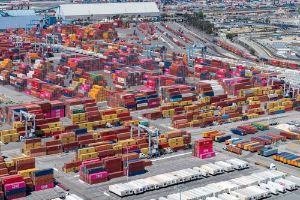
Progress continues to be monitored at Long Beach, Los Angeles terminals The Port of Long Beach and the Port of Los Angeles announced that they have put off consideration of the “Container Dwell Fee” one more week, until Feb. 25. The two San Pedro Bay ports have seen a combined decline of 71% in aging cargo on the docks since the program was announced on Oct. 25. The executive directors of both ports will reassess fee implementation after monitoring data over the next week. Fee implementation has been postponed by both ports since the start of the program. Under the temporary policy, ocean carriers can be charged for each import container dwelling nine days or more at the terminal. Currently, no date has been set to start the count with respect to container dwell time. The ports plan to charge ocean carriers $100 per container, increasing in $100 increments per container per day until the container leaves the terminal. Any fees collected from dwelling cargo will be reinvested for programs designed to enhance efficiency, accelerate cargo velocity and address congestion impacts. The policy was developed in coordination with the Biden-Harris Supply Chain Disruptions Task Force, the U.S. Department of Transportation, and multiple supply chain stakeholders.
Bob Begley joins the JLG® Product Management team
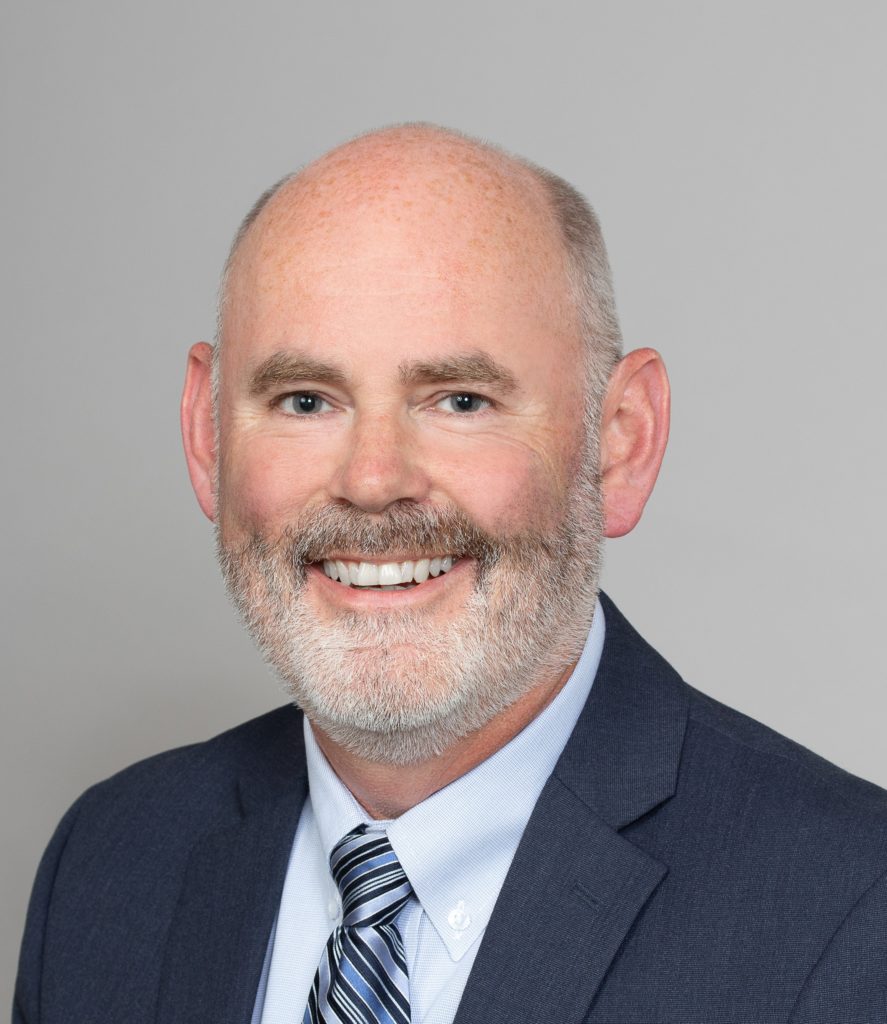
Named Director for Scissor Lifts, Vertical Lifts, and Low-Level Access Lifts JLG Industries, Inc., an Oshkosh Corporation company and a global manufacturer of mobile elevating work platforms (MEWPs) and telehandlers, has announced that Bob Begley has joined the company as director of product management for scissor, vertical and low-level access lifts. In this role, Begley is responsible for the company’s multi-generational product plan, as well as driving the direction and implementation of its go-to-market strategies. “Within the last few years, JLG has taken big leaps in the evolution of its aerial lift portfolio, incorporating exciting new design changes and introducing new specialty models, including all-electric, lightweight, and indoor-only options,” says Begley. “Many of these progressive design changes were customer-driven and focused on productivity. And, that work continues today.” Begley says that stepping into this role, he and his team will continue to work with customers to gather feedback, as well as observe first-hand how JLG® machines are being used on job sites. These inputs help us identify application challenges that will fuel future customer-inspired innovations. “We take this approach seriously,” he says, “By closely working with customers throughout the product development cycle, we ensure that the JLG brand is developing and delivering advancements across our product lines that drive tangible value on job sites.” Begley notes that his team is also focused on highlighting product enhancements across all three of the product lines he is responsible for to provide users with a similar experience, regardless of what machine they are using. This will continue to improve the overall customer experience with JLG equipment. He also adds that the ongoing evolution of equipment through innovative, integrated technologies, will continue to drive productivity and safety improvements on JLG scissor lift, vertical lift, and low-level access lifts. Prior to joining JLG, Begley held various product management roles with Blaw-Knox Construction Equipment Corporation, Volvo Construction Equipment, and Ingersoll-Rand. Before getting into the construction industry, Begley served in the United States Navy. His education includes an ASAST in Nuclear Engineering Technology from Thomas Edison State University, a BSME in Mechanical Engineering from Youngstown State University, and a Master’s in Business Administration from Indiana University – Kelley School of Business Together with his director of product management peers, Ara Eckel, Daliborka (Dali) Ribeiro, and Nate Hoover, Begley will focus on fulfilling the company’s mission to elevate access across three pillars: Safety, Productivity, and Technology.
Kevin Rowles to transition to CEO Role, Nathan Storey appointed Storage Solutions President
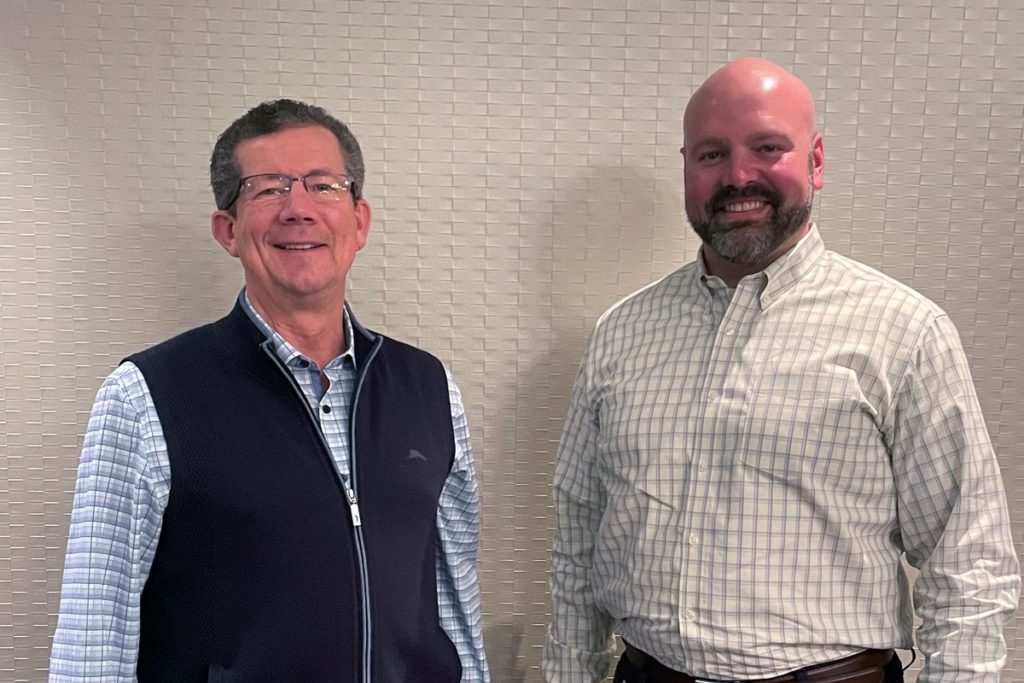
Storage Solutions Inc. (SSI) announces that current President/CEO Kevin Rowles will transition to focus solely on his role as CEO as the company appointed Nathan Storey as its new acting President. Rowles has been with Storage Solutions for 25 years and has served as President since 1995. He assumed the CEO role from Founder Craig McElheny in November 2020 when the company began partnering with private equity firms Merit Capital Group and MFG Partners. His transition to solely focus on the CEO role will allow him more time to form partnerships, mergers, acquisitions, and long-term strategies. “We are fortunate to have someone of Nathan’s caliber to promote from within our organization to become our new President. Over his 15-year tenure with Storage Solutions, he has challenged himself to learn, understand, and in many cases enhance many of the tools and processes that we use today,” explained Rowles. “His entrepreneurial spirit and leadership acumen will allow us to advance our strategic goals of progressive growth and sustained achievement. For many reasons, I am excited and proud of this announcement.” “For me, this is an inspiring time to be a part of the Storage Solutions family,” explained McElheny. “I am proud of how far this company has come since we were selling storage lockers back in 1978. Now, we are one of our industry leaders because of the team we’ve built, the processes we’ve put in place, and the dedication and trust we all have with each other.” Storey has been with Storage Solutions since 2006, serving as an Account Manager, Project Manager, Operations Manager, and Vice President of Operations. In February 2021, Storey was promoted to Chief Operations Officer, where he oversaw the company’s overall operations, including the company’s growing logistics, purchasing, and installation divisions, and is also the point person behind the company’s internal sales operations and technology. “I am humbled to accept this role after the company has achieved five consecutive record-breaking years of growth,” said Storey. “We have an amazing culture, a foundation of success, and we will continue to look forward to the future with a growth mindset. We have much work to do, but I am confident we have the team in place to accomplish our goals.” Founded in 1978 as Penco Products of Indiana, Storage Solutions has grown to be a leader in integrating material handling and automation solutions for warehouses, distribution centers, and fulfillment centers. Since being named President of SSI in 1995, Rowles has overseen the company’s headquarters relocations to Westfield in 1998 and again in 2008, the opening of its Kansas City office in 2002, its transition to becoming an ESOP in 2013, and its acquisition in 2020. Along the way, the SSI has also launched a used equipment purchasing, installation, national sales accounts, logistics, solutions development, and project management divisions. “We have an amazing leadership team in place, and we will continue to grow based on sound, strong decision-making,” explained Storey. “I look forward to working with Kevin in his new capacity and am thrilled that our team has such a bright future ahead of us.”