
BEUMER launches Next-Gen Line Sorter and Pouch systems
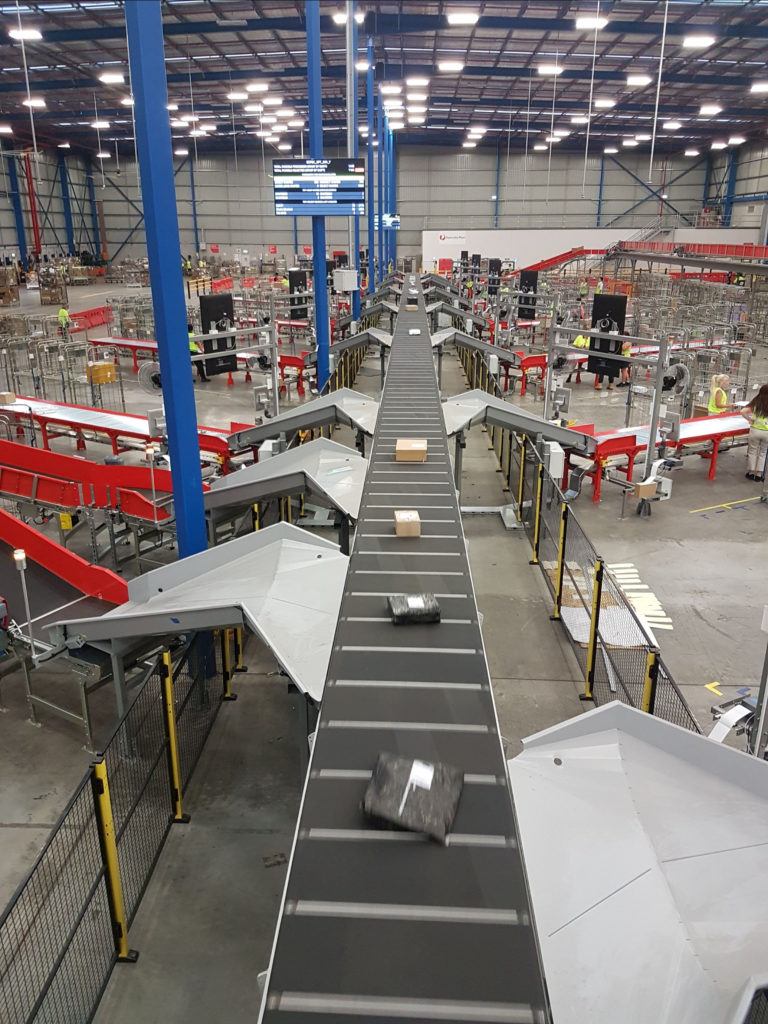
Born out of an 80-year history and the design and manufacture of 1500+ intralogistics systems, BEUMER just introduced the BG Line Sorter and BG Pouch System, which utilize next-generation technology to respectively deliver unparalleled flexibility and scalability for mid-size-volume operations, to mitigate rising demand for e-commerce organizations, to the North American region. The BG Line Sorter solution extends the handling mix of the parcel and material handling operations by allowing them to sort the widest possible range of items while utilizing a modular design to ensure flexibility to optimize the use of space. With the ability to be reconfigured or upgraded throughout its lifetime with minimal system downtime, BEUMER provides the scalability to respond to future business growth with the ease of a plug-and-play operation. In addition to lower maintenance costs than conventional line sorters, the BG Line Sorter makes use of low-friction components to ensure endurance and high system availability. “We are pleased to lead a paradigm shift in line sorting by using active slat-belt technology and linear synchronous motors to deliver a line sorter that combines the simplicity of a line sorter with the handling capabilities of a high-speed, cross-belt sorter. Based on proven technology, the solution features highly durable belts and maintenance-free motor technologies to keep energy consumption and maintenance costs at a necessary low,” said Terry Brown, BEUMER Group’s Logistic Systems Sales Director. BEUMER Group’s other launch, the BG Pouch System, delivers less touch, low-cost, multiuse sortation for fulfillment centers and distribution centers by utilizing unused overhead space to achieve omnichannel fulfillment and increased operational flexibility. The BG Pouch System, also known as the pocket technology, can buffer, sort and sequence single items to automate the order handling and returns processes with an industry-new capacity of over 10,000 items/hour per sortation module. By utilizing Warehouse Management System (WMS) data, the BG Pouch System can serve as an intermediate buffer for items most likely to be resold and optimize the supply chain from warehouse to B2C and B2B recipients with less manual handling. “The power of the BG Pouch System transforms your unused overhead space into a powerful omnichannel sort-and-return solution while also increasing operational flexibility,” said Brown. “BG Pouch System benefits can be realized for partners throughout e-commerce, including fashion, pharmaceuticals, electric and express services.” The BG Line Sorter solution and BG Pouch System, along with all products and technologies with the BEUMER label, are characterized by enhanced sustainability in terms of lower energy consumption and OPEX savings
SupplyOne highlights comprehensive Packaging Automation Equipment program
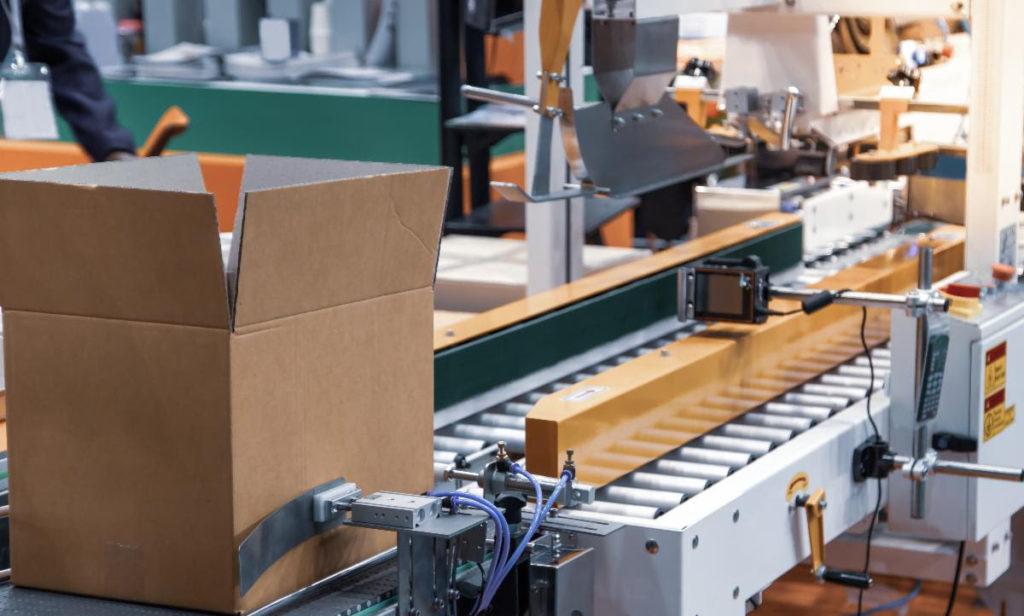
End-to-End Packaging Solutions for mitigating labor, efficiency, and waste-reduction challenges SupplyOne, Inc., the largest independent supplier of custom corrugated and other value-added packaging products, equipment, and services in the U.S., highlights its comprehensive packaging automation equipment program, covering a full array of secondary, end-of-line solutions ranging from case erectors to shrink wrapping equipment and stretch wrappers, to thermoforming equipment and vacuum chamber sealers, or even an entire fully-automated packaging system. SupplyOne delivers the right packaging equipment for the right application, from a broad range of recognized best-in-class manufacturers, supported by the SupplyOne network of locally available, factory-trained technicians with a track record of providing installation, on-site training, and maintenance services that keep production lines running at peak efficiency. Line Layout and Design SupplyOne Equipment Specialists consult on the overall line layout and design, bringing strategic knowledge to make application-specific recommendations that enhance productivity, reduce downtime, extend equipment life, accelerate speed to market, and increase cash flow. Automating the retooling processes, for example, can dramatically improve the agility and throughput of packaging lines. The specialists will identify industrial robots and autonomous solutions from leaders in the field that can help mitigate labor challenges, eliminate repetitive tasks, enhance product safety, increase the speed and accuracy of packaging processes and warehouse operations, and deliver a fast return on investment. End-to-End Packaging Solution SupplyOne’s goal is to serve as a total packaging supplier that partners with customers to keep costs down, improve efficiency and enhance throughput and sustainability? SupplyOne offers deep and broad packaging industry expertise, top equipment from trusted, best-in-class suppliers, and consumables optimized for the specific equipment and application, as well as exceptional locally available technical service.
Perc Pineda, Ph.D., returns to Plastics Industry Association as Chief Economist

The Plastics Industry Association (PLASTICS) has announced that Dr. Perc Pineda has returned to fulfill the role of Chief Economist, effective immediately. A member of PLASTICS’ Senior team, Pineda will be an integral part of the association’s ability to continue generating original, scientific and data-driven research for, and on behalf of, the members of PLASTICS. As PLASTICS’ primary expert on economics, statistics, and industry research, Pineda will provide regular updates on the impact of national and global economies to PLASTICS members and the public. Pineda will produce various publications, including PLASTICS’ highly lauded annual Size & Impact report, analyzing the contributions of the plastics industry to the U.S. economy. Pineda will also be PLASTICS’ voice in the public, thought leadership, and conference arenas, addressing industry issues pertaining to the economy. “We are excited to have Perc return to the PLASTICS team,” said Matt Seaholm, President and CEO of the Plastics Industry Association. “He brings significant expertise that is unparalleled in our industry. Perc’s invaluable ability to identify economic trends and forecast the state of the marketplace is highly regarded and regularly anticipated by our members.” Prior to returning to PLASTICS, Pineda served as Senior Economist of the Credit Union National Association, where he tracked macroeconomic trends, conducted economic research, wrote articles for industry publications, and interfaced with the media. Pineda’s career experience also includes teaching Macroeconomics at St. Francis College in New York, and Microeconomics, Finance, and Economics of Regulations and the Law at City University of New York. Prior to his academic endeavors, Pineda served as an analyst for the International Monetary Fund. He holds both a Ph.D. and a Master of Philosophy degree in Economics from The New School (formerly The New School for Social Research), a master’s degree in Economics from American University, and a master’s degree in International Management from the University of Maryland. “The plastics industry’s value-add—its contribution to the economy—is a major force within all manufacturing sectors,” said Pineda upon his return. “I welcome the opportunity to, once again, provide economic, industry and market intel to the hundreds of PLASTICS member companies throughout the supply chain and to the industry at large.”
DHS S&T awards funds to Kansas City Startup Developing Wearable Tech, Mitigating heat-related injuries
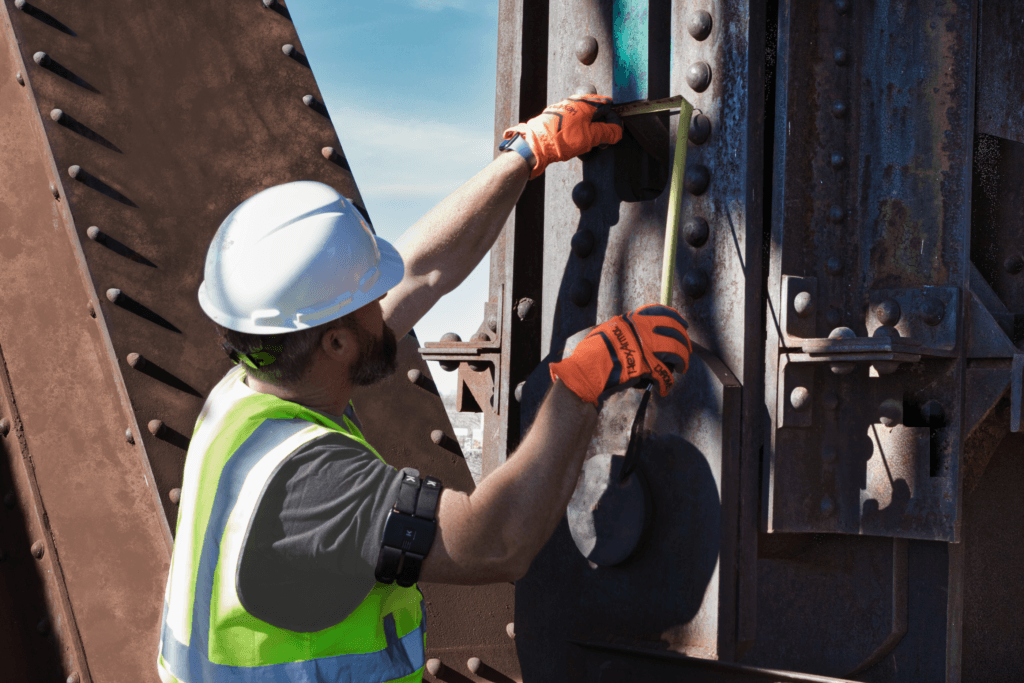
The Department of Homeland Security (DHS) Science and Technology Directorate (S&T) announced a Phase 1 Other Transaction award of $161,600 to Kenzen, Inc., a Kansas City, Missouri, based company to develop wearable technology that helps prevent heat-related injuries for DHS personnel who work in extreme weather conditions. Under its Human Performance and Resiliency solicitation, S&T’s Silicon Valley Innovation Program (SVIP) sought groundbreaking solutions to identify and resolve issues before reaching crisis levels and to promote resilience and wellness tools that could serve the mission needs of DHS components and programs, including the U.S. Customs and Border Protection (CBP). “Heat illness remains a real problem for DHS employees who routinely work in extreme environments, including along the southern border,” said Melissa Oh, managing director of SVIP. “Technologies that will help our agents know when they are approaching critical conditions by accurately monitoring important physiological metrics like core body temperature levels will have a huge impact in reducing the number of heat-related injuries and keeping our staff safe, even in extreme conditions.” As part of the first applicants to receive an award under this topic call, Kenzen, Inc., a women-founded and led company, developed a heat illness prevention solution that uses a combination of a wearable sensor and advanced analytics to identify and alert users to changes in core body temperature and other specific factors. This information identifies heat stress so wearers can take preventative measures sooner, reducing the risk of serious illness. “Kenzen’s technology will safeguard the wellness of our agents who often find themselves in unpredictable environments throughout their workdays,” said Jeremy Ocheltree, deputy director of the Customs and Border Protection Innovation Team. “This type of innovative tech could protect our employees and save lives.” This solicitation complements current DHS employee wellness programs by including innovative technologies with a high degree of usability to support real-time wellness monitoring. Kenzen’s heat-stress mitigation solution could deliver important information to DHS users working in extreme heat environments, addressing a critical health challenge that impacts the DHS mission.
Rental Revenue jumps 14.3 percent in Q2, Baird/RER Survey respondents say
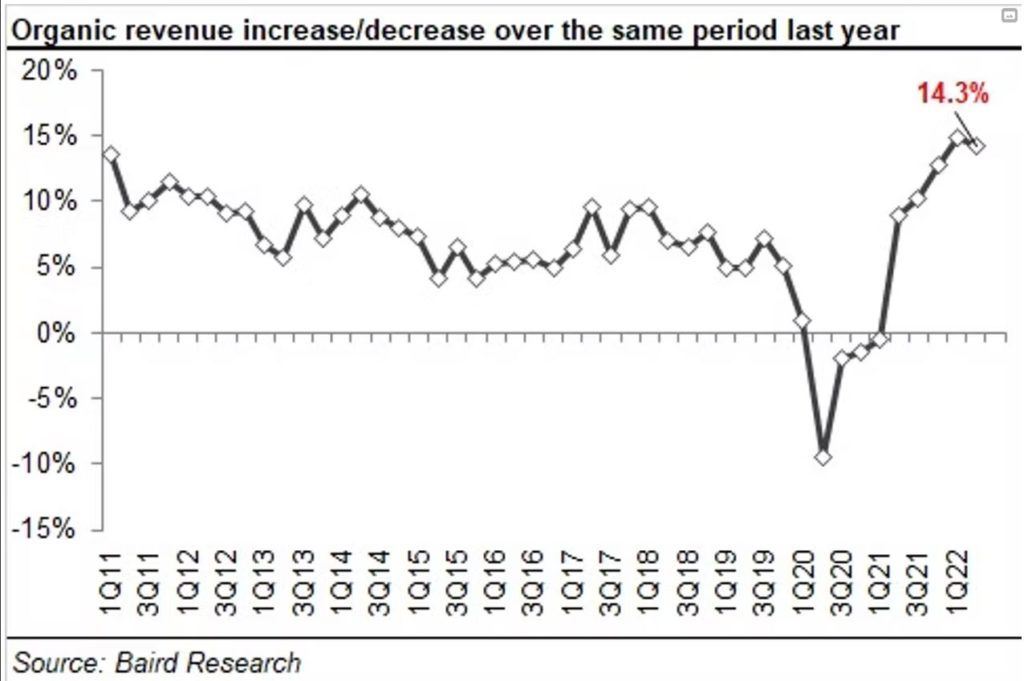
Sixty-one percent of respondents said second-quarter revenue exceeded expectations, while 34 percent reported revenue in line with their initial expectations. Average rental revenue increased 14.3 percent year over year in the second quarter, according to respondents to the 2Q Baird/RER rental equipment industry survey. The increase was mostly in line with last quarter’s 14.8-percent hike. This marks the fourth consecutive quarter of double-digit growth. Sixty-one percent of respondents said second-quarter revenue exceeded expectations, while 34 percent reported revenue in line with their initial expectations. Overall commentary on rental revenue was more cautious compared to recent surveys. “Our web inquiries have seen a dramatic decrease over the last two weeks, so we think the interest rate hikes have slowed some markets on new equipment purchases already,” said one respondent. “The next rate hike in July may tip the scales and have us revisit our stock sales inventory forecasting for 2023.” “Unless energy costs stabilize, inflation will persist,” said another. “Workforce is a much more severe problem to the growth of the industry and will significantly negatively impact value of infrastructure bill,” added another respondent. “Bit of a slowdown, not sure if it is weather or slowdowns caused by labor shortages,” said a third respondent. Another respondent said this spring was slower than 2021, and that his company’s revenue increase is from rate and price increases rather than organic growth. Fleet utilization was 62.3 percent for the second quarter, up from 61.8 percent in the first quarter and a full percentage point from the second quarter of 2021 when it was 61.3 percent. The utilization was better for earthmoving equipment than it was for access machinery. Earthmoving utilization increased to 65 percent in the second quarter compared to 63.5 percent in the second quarter of 2021. However, access utilization declined year over year from 64.5 percent a year ago to 62.1 percent this year. Small iron improved from 52.2 percent a year ago to 53.3 percent this year. Average rental rates were up 4.5 percent year over year, basically the same as last quarter when they rose 4.4 percent. Improvement in rental demand helped provide pricing flexibility. There was, relatively speaking, little commentary regarding rental rate pressure from larger competitors. Rental rates still to rise in 2022 Respondents said they expect rental rates to be up 5 percent for the year, which is similar to last quarter’s forecast when respondents predicted a 5.1 percent for the year. However, rental companies did express concerns. “Competitors are not raising their rental rates in line with the price increases we are having to pay for new machines,” said one. “Expenses are superseding income increases,” added another. “The cost of doing business is rising dramatically, and rental rates do not seem to be keeping up with the pace.” Respondents are expecting a 9.7-percent revenue hike in 3Q22 with 27 percent expecting a 1 to 5 percent increase year over year. 25 percent expected 5 to 10 percent and 24 percent expected a 10 to 15 percent leap. Respondents still expect an 11.7 percent increase in 2022, up from an expected 9.2 percent increase last quarter. Steady demand from end markets is still expected to continue but is partially offset by equipment and labor shortages. However, respondent optimism is not as high for 2023. “An economic slowdown in 2023 seems more likely all the time,” said one. “A modest slowdown would seem to be an appropriate tonic that might improve the labor market, manufacturing lead times, and improve supply chain restraints.” “With all the uncertainty in the economy we have major concerns for 2023,” said another. “Extremely busy today but not sure if things will slow down creating a glut of equipment.” Growth in the cost of new equipment continues to be high. Respondents placed the increase at 6.6 percent, down a bit from the previous two quarters, which were increases of 7.2 percent and 6.8 percent. OEMs are still aggressively raising prices to offset their own costs, including elevated steel prices. The May Construction Machinery Manufacturing PPI hit a record high (back to 2004) of 11.4 percent year over year. Extended lead times, or uncertainty over lead times, remain a major concern because of the difficulty of fleet planning. Fleet sizes still increasing Respondents’ average fleet size in a number of units increased 6.6 percent year over year in 2Q22, which was the strongest growth since 1Q18. Respondents expect to increase fleet purchases by 9.7 percent year over year compared to 8.5 percent last quarter. Access equipment spending is expected to rise 7.5 percent over the next six months, with earthmoving expected to up 10.2 percent, small iron at 4.6 percent, and “other” 20.3 percent. Thirty-nine percent of respondents expect labor costs to increase 5 to 10 percent in 2022, versus 52 percent last quarter, while 35 percent expect labor costs to top 10 percent. Respondents also expressed concern regarding higher interest rates impacting the housing market and equipment financing rates, with 28 percent expecting a potential residential construction slowdown. With six months remaining in 2022, respondents expect 6.3 percent revenue growth in 2023, compared to 11.7 percent growth in 2022, and 6 percent fleet spending growth compared to 9.7 percent growth in the second half of 2022.
Hy-Tek and AHS host grand opening of Innovation Lab in Erlanger, KY
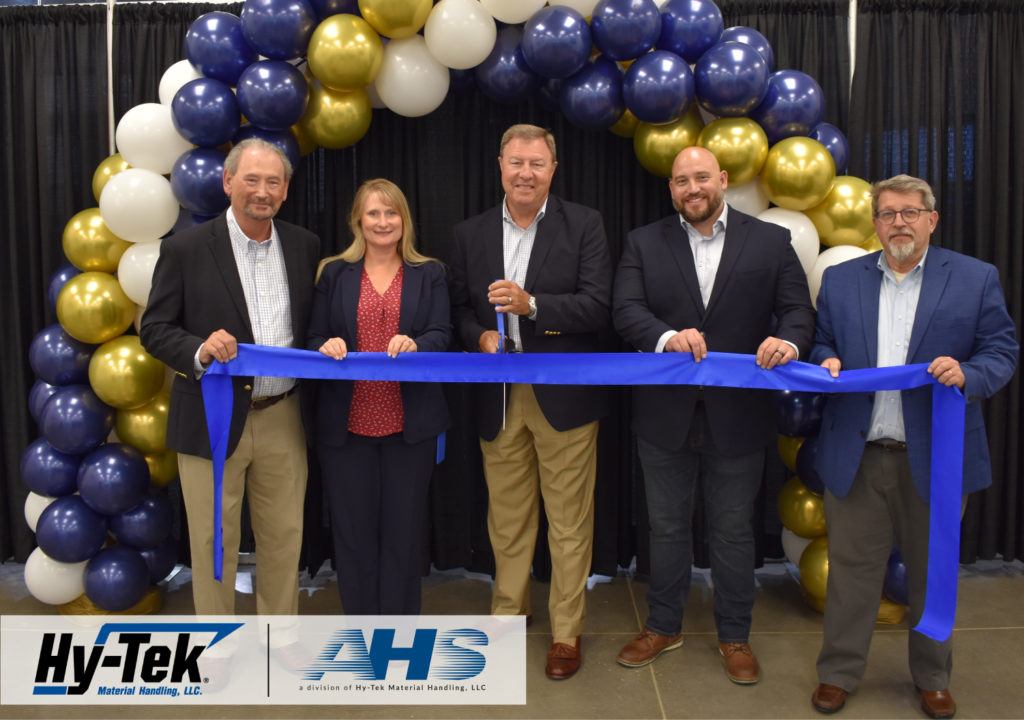
Hy-Tek Material Handling and Advanced Handling Systems (AHS), a Hy-Tek Material handling company, full-service integrators of automated fulfillment and distribution solutions, announced on July 13th at the grand opening of their newly updated 20,000 square-foot Innovation Lab. Among the audience were Mayor Jessica Fette, customers, prospects, and other local government officials. Located in Erlanger, KY, the event was held in tandem with the Package Fulfillment, Logistics, and Delivery Expo being hosted yesterday and today in Cincinnati, Ohio. Kentucky Governor Andy Beshear congratulated Hy-Tek | AHS and thanked the company leaders for their commitment to the Commonwealth. “As we work toward building an economy that works for all Kentuckians, high-tech job opportunities will play an increased role in those efforts,” Kentucky Gov. Andy Beshear said. “This investment by AHS and Hy-Tek is creating quality jobs in Northern Kentucky and supporting distribution and logistics growth, which is one of our state’s thriving key industries. Thank you to the company leaders for their commitment to the Commonwealth. I look forward to seeing what’s next for AHS and Hy-Tek in Kentucky.” “With Hy-Tek’s unveiling of the Innovation Lab comes a new evolution in how we serve our customers,” said Dave Tavel, Sr. Vice President of Sales at AHS. “The future of our industry will rely on the emerging technologies that we integrate, test, and evaluate within our lab. We are continuously reviewing new and better ways to solve our customers’ challenges. It is an exciting time for our industry as the demands for quality and speed increase; the need to utilize robotics will be commonplace. Our focus will be on supplementing the existing labor force, reducing the physical demands of the jobs, and driving quality for the industry. The next 50 years begin today!” Hosting over 25 customers and prospects throughout the last six months, the lab features warehouse robotics systems that solve many pain-points companies are facing today. These technologies include autonomous mobile robots, collaborative robotic arms, robotic sortation solutions, full-scale Goods-to-Person systems, and more to come in the future as the companies’ partnerships and innovations continue to expand. “Our strategic journey to focus on innovative technology started over four years ago,” said Zac Boehm, Vice President of Innovation and Technology at AHS. “Throughout those years, we have researched many different robotics manufacturers and aligned ourselves with technologies that make a difference to our current and future customers. By building a focus around Exotec, Caja, and Tompkins Robotics, we can work through proving and pairing solutions together in our innovation lab to show the value to the industry.” Earlier this year, AHS was acquired by Hy-Tek Holdings, a material handling automation integrator that maintains a separate facility in Hebron. Having acquired Johnson Stephens Consulting, World Source, Fascor, BP Controls, and most recently, AHS, Hy-Tek now offers a comprehensive suite of solutions for its customers. “Hy-Tek /AHS is the only Systems Integrator in North America to integrate robotics offerings from Exotec and Caja robotics systems,” said Donnie Johnson, President of Integrated Systems at Hy-Tek. “Robotics are growing rapidly in the e-commerce and distribution areas in our business sector. Hy-Tek can offer end-to-end solutions for our valued customer base. Our clients prefer working with Hy-Tek/AHS due to our broad product offering and comprehensive design-build capabilities.” Having a universal location with all technologies, Hy-Tek | AHS provides an opportunity for customers to personally experience and test solutions that will optimize their supply chain process.
BMG announces the Mantis™ Robotic Trim Press Handler from NAS Nalle Automation Systems
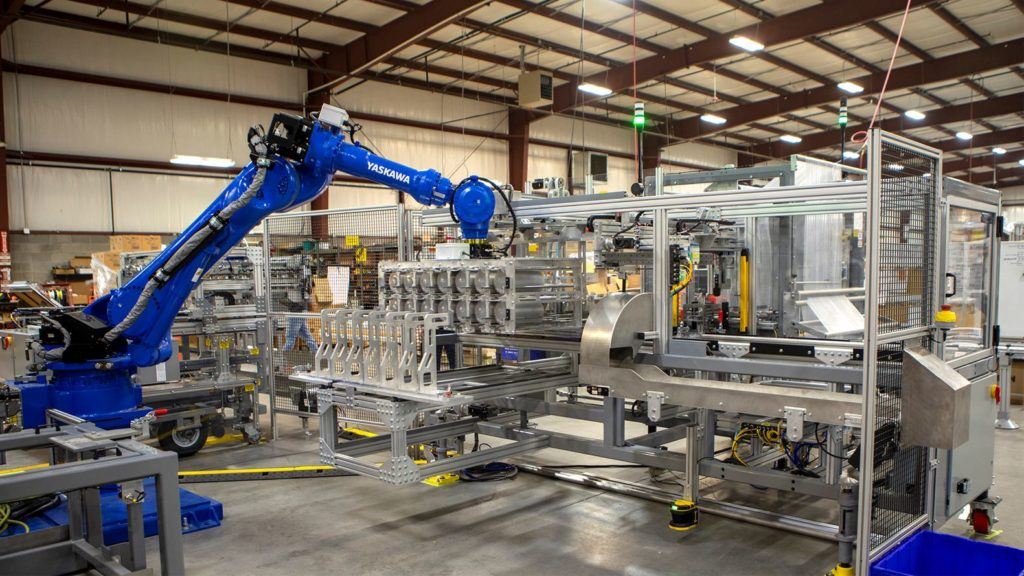
BMG announces the Mantis Robotic Trim Press Handler from NAS Nalle Automation Systems, the industry’s first robotic automated system that reliably handles the flow of parts ejected from any trim press. This compact, intuitive, and configurable system enables full automation of the entire thermoforming process — from resin to palletized product — for medium to high volume production lines using either non-servo continuous flow or servo-driven long eject trim presses. Previously, parts ejected from non-servo trim presses needed to be manually separated and counted, a labor-intensive, error-prone, and inconsistent process that limits the automation of downstream packaging functions. NAS solved this problem with the patent-pending Trim Press Receiver (TPR) which uses a unique separating mechanism to count and contain stacks of products, followed by a raking mechanism to take the product into the receiver for transfer by the robot. “Consistent and reliable separation of product on a continuously flowing, non-servo eject trim press was the key to the development of Mantis”, according to Kurt Huelsman, President of NAS. “The design of the receiver coupled with NAS’s robotic automation capabilities brings a safe, productive and cost-effective solution to a historically very manual process.” The TPR presents the parts to a six-axis robot equipped with product matching End of Arm Tooling that in turn automatically transfers the product to a Shuttle Station, which integrates with downstream packaging functions that may include wrapping, boxing, case packing, sealing, and palletizing. Incorporating the robot allows the Mantis system to be very compact and configurable, making installation possible where the available floor space is limited or obstructed. The Mantis Robotic Trim Press Handler is compatible with all trim presses, including BMG brands Brown and Lyle. The fully automated system can reduce labor requirements by up to 75% and the modular robotic design allows for tool changeovers in under an hour.
Strongest June on record at Port of Long Beach

Consumer demand, school supply imports lift Port to busiest quarter The Port of Long Beach achieved its most active June and busiest quarter on record, boosted by increased consumer demand as retailers stock shelves for back-to-school shopping. Dockworkers and terminal operators moved 835,412 twenty-foot equivalent units in June, up 15.3% from the same month last year and surpassing the previous record set in June 2018 by 83,224 TEUs. Imports rose 16.4% to 415,677 TEUs, while exports saw a 1.4% decrease to 115,303 TEUs. Empty containers moved through the Port jumped 21.6% to 304,433 TEUs. “We are anticipating a robust summer season as consumer demand continues to drive cargo to our docks,” said Port of Long Beach Executive Director Mario Cordero. “We expect to remain moderately busy in the coming months, and we will work to promptly process containers lingering at the Port.” “Our waterfront workforce continues to move cargo at a record-setting pace,” said Long Beach Harbor Commission President Steven Neal. “Our strong partnerships with labor and industry continue to make us a leader in trans-Pacific trade.” The cargo influx arrived as pandemic-induced shutdowns were lifted in China, retailers stocked up on back-to-school supplies and ongoing consumer demand continued to be robust despite inflation and the potential threat of an economic recession in 2023. Consumer spending is anticipated to remain strong through the end of this year due to the healthy job market, but rising costs for food, gasoline, utilities and other goods are delivering a blow to consumer confidence. The Port has moved 5,007,778 TEUs during the first half of 2022, up 5.3% from the same period last year. It was also the Port’s best quarter overall with 2,547,119 TEUs moved from April 1 to June 30, breaking the previous record set during the first quarter of 2022 by 86,460 TEUs. For complete cargo numbers, visit polb.com/statistics.
U.S. Rail Traffic for the week ending July 9, 2022

The Association of American Railroads (AAR) has reported U.S. rail traffic for the week ending July 9, 2022. For this week, total U.S. weekly rail traffic was 437,600 carloads and intermodal units, down 3.1 percent compared with the same week last year. Total carloads for the week ending July 9 were 207,450 carloads, down 1.3 percent compared with the same week in 2021, while U.S. weekly intermodal volume was 230,150 containers and trailers, down 4.7 percent compared to 2021. Four of the 10 carload commodity groups posted an increase compared with the same week in 2021. They included coal, up 1,633 carloads, to 60,105; farm products excl. grain, and food, up 1,056 carloads, to 15,705; and motor vehicles and parts, up 409 carloads, to 10,725. Commodity groups that posted decreases compared with the same week in 2021 included metallic ores and metals, down 4,422 carloads, to 18,019; chemicals, down 1,038 carloads, to 30,163; and petroleum and petroleum products, down 378 carloads, to 9,395. For the first 27 weeks of 2022, U.S. railroads reported a cumulative volume of 6,201,367 carloads, down 0.2 percent from the same point last year; and 7,108,876 intermodal units, down 6.1 percent from last year. Total combined U.S. traffic for the first 27 weeks of 2022 was 13,310,243 carloads and intermodal units, a decrease of 3.5 percent compared to last year. North American rail volume for the week ending July 9, 2022, on 12 reporting U.S., Canadian and Mexican railroads totaled 302,763 carloads, up 1.9 percent compared with the same week last year, and 311,439 intermodal units, up 0.3 percent compared with last year. Total combined weekly rail traffic in North America was 614,202 carloads and intermodal units, up 1.1 percent. North American rail volume for the first 27 weeks of 2022 was 18,170,988 carloads and intermodal units, down 3.4 percent compared with 2021. Canadian railroads reported 73,339 carloads for the week, up 14 percent, and 65,786 intermodal units, up 26.7 percent compared with the same week in 2021. For the first 27 weeks of 2022, Canadian railroads reported a cumulative rail traffic volume of 3,863,292 carloads, containers, and trailers, down 4.4 percent. Mexican railroads reported 21,974 carloads for the week, down 2.6 percent compared with the same week last year, and 15,503 intermodal units, down 9.1 percent. Cumulative volume on Mexican railroads for the first 27 weeks of 2022 was 997,453 carloads and intermodal containers and trailers, up 1 percent from the same point last year. To view the rail traffic charts, click here.
MHS Lift named an Entrepreneur Of The Year® 2022 Greater Philadelphia award winner

Ernst & Young LLP (EY US) has announced MHS Lift, Inc. a provider of warehousing and distribution solutions, as an Entrepreneur Of The Year® 2022 Greater Philadelphia Award Winner. Entrepreneur Of The Year is one of the preeminent competitive business awards for leaders of high-growth companies who think big to succeed. An independent panel of judges selected MHS Lift based on the company’s exceptional leadership and track record of delivering premium service to high-profile companies both in the Philadelphia region and nationally. The second-generation family-owned company, led by brothers Andy and Brett Levin, has grown from a regional purveyor of equipment into a comprehensive material handling system design and integration house with successful implementations across North America. “Brett and I are honored to be chosen by EY US for this prestigious award and owe this distinction to our MHS Lift team – without their hard work and dedication, none of this would have been possible,” said Andy Levin, President and Co-Owner, MHS Lift. Brett Levin, Vice President and Co-Owner, continued, “The MHS Lift staff goes above and beyond every day, enabling us to expand our services and reach to meet growing customer demand. Their hard work and tremendous commitment to our customers shows through this achievement.” Established over 52 years ago, MHS Lift provides companies of all sizes and industries with warehousing optimization and distribution services and has expanded to include new locations in California and Tennessee. With a new, completely custom service web portal/mobile application called My Fleet 365, a growing list of customers, and more than 175 employees – many of whom stay with the company for decades – the company is seeing an exciting period of growth. MHS Lift is also dedicated to giving back to the local community. Recently, MHS Lift announced the recipients of its annual Scholarship Fund, which selects Camden students who are active members of the Boys & Girls Club of Camden County to attend Rowan University with a full scholarship. As a Greater Philadelphia award winner, MHS Lift will now be considered by the National independent panel of judges for the Entrepreneur Of The Year 2022 National Awards. National finalists and winners will be announced in November at the annual Strategic Growth Forum®. The Entrepreneur Of The Year National Overall Award winner will then move on to compete for the EY World Entrepreneur Of The Year™ Award in June 2023. View the full list of Entrepreneur Of The Year® 2022 Greater Philadelphia award winners here.
Polymer Solutions International introduces new Hygienic GMA Pallet
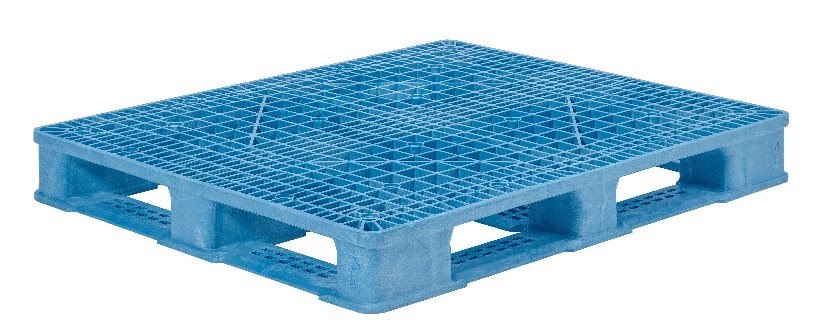
The new ProGenic® GMA+ is NSF approved/Certified, FDA compliant, and offers non-halogen FM approval Polymer Solutions International (PSI®), a global supplier of material handling products, has released its newly designed ProGenic® GMA+ plastic pallet. The ProGenic® series has established itself as the market-leading solution for one-piece hygienic and washable plastic pallets for over two decades. After years of direct work with customers in numerous industries and distribution networks, this powerful addition expands the series’ size offerings with a solution that many have been asking for. As the only one-piece, non-halogenic, FM Approved, FDA CFR-21 compliant, and NSF-approved offering in the market, the innovative ProGenic® series has become the standard for safe handling in food, pharmaceutical, and clean room environments. The ProGenic® GMA+ is available in two sizes – 40x48x5.62” and 1000mm x 1200mm x140mm (metric) which places it between the ProGenic® Standard Duty and ProGenic® Heavy Duty versions of the pallet. The ProGenic® GMA+ comes with a standard weight of 41 lbs., fits 540, 40×48 pallets per truck load (53’) while the 1000mm x 1200mm size can ship 7% more, or 576 pallets per truck load (53’). Ryan Overcash, Director of Sales, Polymer Solutions, said, “Food recalls from bacterial contact is a costly issue today, so top food producers care about how their finished goods are distributed to retailers. Supply chain and distribution safety are paramount for our customers and the goods they are transporting. Our new ProGenic® GMA+ pallets are the latest in PSI’s market-leading hygienic pallet product line.” GMA-sized pallets account for a significant share of the pallet marketplace. The ProGenic® GMA+ was made to work seamlessly in high capacity and high-speed automated systems, providing consistent performance vs. wood. The ProGenic® GMA+ plastic pallet is sturdy and remains more consistent in weight, dimensions, and cleanliness over time, as opposed to most wood pallets. The GMA+ pallet is system-ready for automation, which is important as warehouses continue to adopt a variety of automated stacking and retrieval systems. Serving diverse industry verticals, PSI® offers products at a range of different price points, with specialized features to suit the specific needs of our client base.
Hannibal becomes Nucor Warehouse Systems

Nucor Warehouse Systems combines the legacy and expertise of Hannibal and Elite Storage Solutions material handling companies with the breadth and depth of Nucor Corporation. In order to best serve the company’s existing customer base, the shift to the new branding will be gradual over the rest of 2022. Nucor is North America’s most diversified steel products company. Nucor has more than 30,000 teammates across 300 locations with a family of companies offering a full range of products and services. Nucor Warehouse Systems offers everything necessary to build a warehouse from end to end. Utilizing support from Nucor businesses including insulated panels, overhead doors, metal buildings, and mezzanines, we are extending Nucor’s diverse offering and sourcing power to our customers. These resources, coupled with existing design, project management, permitting, engineering, contracting, and installation services allow Nucor Warehouse Systems to provide support at every step. “Nucor Warehouse Systems may be a new name, but we are proud to be the same people that have worked together on well above $1B in integration projects built across North America,” said Dave Olmsted, vice president and general manager at Nucor Warehouse Systems. “We believe that by connecting the companies’ material handling expertise with broader Nucor resources, Nucor Warehouse Systems is ready to take on tomorrow’s challenges and truly respond to customer needs. We thank every loyal customer that has grown to know and trust us, and we look forward to supporting your business in the future.”
EP 297: Procensis and the importance of user interface in the warehouse

We are coming to you live from the Procensis Solution Center for this week’s episode of The New Warehouse. My guest this week is Aaron Bolton, a founding member, and CTO at Procensis. Procensis provides solutions focusing on the latest technologies using mobile and wearable computing devices. In this episode, we discuss the evolution of user interfaces and their impact on the warehousing industry. Key Takeaways We reflect on the good old days of Telnet and Greenscreen compared to the Procensis modern interface and how the horsepower of today’s devices allows for a much more flexible user interface than in the past. We have certainly come a long way in user-friendliness. For those interested in reducing training time and speeding up the onboarding process, fun and easy-to-use interfaces cut training time from weeks or months down to days or hours. The Procensis interface creates great flexibility and agility in the face of labor challenges and seasonality. Another advantage of the Procensis mobile interface is the ability to provide real-time feedback. With Procensis, workers can see how they are doing in real-time, including picks per hour and a total number of scans. This visibility gives employees a greater understanding of their performance and how it compares to their co-workers. The New Warehouse Podcast EP 297: Procensis and the Importance of User Interface in the Warehouse
Ashley Hood-Morley returns to Plastics Industry Association as Vice President, Industry Engagement

The Plastics Industry Association (PLASTICS) has announced that Ashley Hood-Morley has returned to fulfill the role of Vice President, Industry Engagement, effective immediately. As a member of the Senior team, Ashley will be an integral part of PLASTICS’ growth and engagement. Ashley will lead strategy on membership acquisition and retention as well as oversee industry relationships and programs for PLASTICS stakeholders and key strategic partners. “We are excited to have Ashley rejoining the PLASTICS team,” said Glenn Anderson, Chief Operating Officer of the Plastics Industry Association. “Ashley brings a diverse and significant set of executive skills to our association and is highly regarded by our members. In her new role, Ashley’s leadership will be instrumental as we work to rebuild the culture of our association.” Hood-Morley has worked in the plastics industry for more than 15 years, and most recently, has focused on plastics recycling and sustainability. She returns to PLASTICS after serving as the Strategic Initiatives Manager on Eastman’s Corporate Sustainability team where she led the advancement of sustainability integration into business strategies and supported the success of the Circular Economy platform. In previous roles at Eastman, she worked in new product development, manufacturing, quality assurance, and product stewardship, all of which supported Eastman’s Specialty Plastics business. Ashley also spent more than 6 years at the Plastics Industry Association, where she managed new business development as well as PLASTICS’ portfolio of recycling, sustainability, and material initiatives across the organization. “We absolutely could not have found someone more perfectly suited for this role than Ashley,” said Matt Seaholm, president and CEO of PLASTICS. “Her first-hand understanding of our members from multiple perspectives, as well as her industry expertise, makes her an ideal advocate on behalf of our association.” “I am excited to return to PLASTICS and grateful for the opportunity to lead the membership and engagement teams,” Hood-Morley shared. “I am personally committed to the plastics industry and the people that this association represents. I am extremely optimistic about the great things we can accomplish on behalf of our members and looking forward to working with Matt, Glenn, and the leadership at PLASTICS.”
Healing with Honor, Felling Trailers announces 2022 Trailer for a Cause auction dates
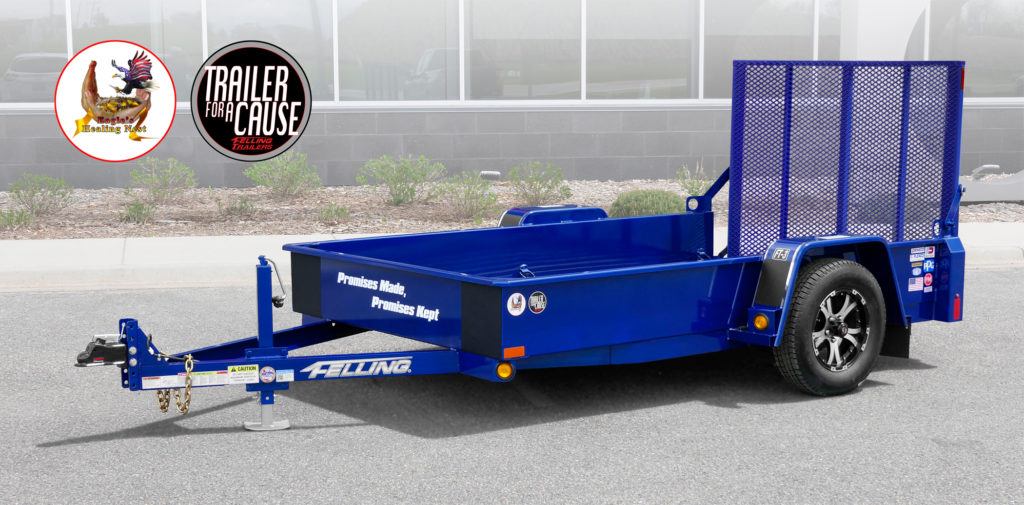
Felling Trailers, Inc. is conducting its tenth annual online auction of an FT-3 drop deck utility trailer to benefit a non-profit organization. Eagle’s Healing Nest is the 2022 recipient. Felling Trailers wants to help generate awareness about the invisible wounds of war that our veterans carry. Thus, Felling Trailers manufactured and painted one of its most popular trailers, custom metallic “Patriot Blue” with chrome pinstriping and bears Eagle’s Healing Nest’s emblem along with its credo “Promises Made. Promises Kept.” The online trailer auction will run for six days: August 22nd through August 27th. Several Felling Trailers’ suppliers have joined to support Eagle’s Healing Nest by sponsoring the trailer build, from lighting to tires to decking. The 2022 Trailer for Cause sponsors are Trans-Texas, PPG, Dexter, Sealco, Peterson, Industrial Wood (Blackwood), Demco, Pacific Rim, and Metal Crafters/Flexco. One hundred percent of the winning bid will benefit Eagle’s Healing Nest! Founder Melony Butler created the Nest to be a place of peace and healing for veterans struggling with a host of issues ranging from depression, anxiety, PTSD, and decades of homelessness, to addictions of many sorts. Veterans come to the Nest to heal with honor from the invisible wounds of war and time of service. Eagle’s Healing Nest is located in Sauk Centre, Mn, on 124 acres with 24 buildings. Originally Minnesota Home School for girls, a veteran’s healing center came to life out of an old dormitory. Melony opened the Eagle’s Healing Nest in 2012 with two functional buildings. She stated, “We will build the Nest one branch at a time until it is complete! A place to call home and a place to Heal with Honor!” Since that time, with donations from various organizations, veterans, and volunteers contributing what they can, they have been able to renovate 21 of the 24 buildings on site. When the last of the buildings are complete, the Nest will be able to house 180-200 veterans, service members, and their families. The Trailer for a Cause auction will start on Monday, August 22nd at 7 am, running for six days, ending Saturday, August 27th at noon at Eagle’s Healing Nest’s Nest Fest. The Eagle’s Healing Nest is a non-profit organization that receives no government funding. Nest Fest is one of a few fundraising events the Nest hosts yearly. Now in its 9th year, the volunteers and residents of the Nest open their doors and hearts to the community with Veteran made crafts, silent auction, bake sale, tours, and new this year, the Trailer for a Cause auction. The online auction can be viewed at https://www.felling.com/our-company/trailer-for-a-cause/. Arrangements to be made for pick up at Felling Trailers’ manufacturing facility or delivery (freight extra).
Johnson Controls 38-year Veteran Jeff Williams to retire as president of Global Products

Jeff Williams will retire effective Aug. 1, 2022 A global search for his successor is underway as Johnson Controls accelerates its focus on technology-driven solutions for buildings management to make assets smarter, healthier, and more sustainable Global Products is a business unit of Johnson Controls including product development and R&D Johnson Controls, the global provider of smart, healthy, and sustainable buildings, has announced that 38-year company veteran Jeff Williams is retiring and that a global search is underway for his successor. Williams’ replacement will inherit a business group generating more than a third of Johnson Controls approximately $24B annual revenues including product development and research & development. Williams started at Johnson Controls in 1984 as a sales account manager and spent more than 30 years in its automotive business before taking over as leader of its Global Products business in 2019. He was the co-author of the Johnson Controls Manufacturing Systems operating system that continues to guide the company’s global operations today. “Jeff has been a phenomenal member of our executive leadership team over the past decades, combining an unwavering will to win with faultless integrity,” said George Oliver, Johnson Controls Chairman and CEO. “We thank him for his years of service, and he leaves the Global Products business in fantastic shape, with an amazing opportunity for a new leader to come in and drive forward. He added: “Johnson Controls is at a unique point in its nearly 140-year history as it looks to move an industry that founder Warren Johnson helped to create when he invented the electric room thermostat in 1883. The next chapter will see us reshaping how building technology is designed and applied, using all the power of artificial intelligence through the Johnson Controls OpenBlue platform. Our aim now, and at the heart of the new role Jeff’s successor will take on, is to maximize the performance of our customer’s buildings; harvesting and applying data insights to optimize every aspect of operations – elevating the performance of human users and equipment, while making environments healthier, more secure and sustainable through lowering energy and water use.” Within Global products, alongside leading the HVAC/R and Residential business units, a key focus for Williams’ successor will be steering the fire, security, and controls teams, which are the heart of the transformation of buildings’ operational technology. The application of advanced solutions utilizing Machine Learning is elevating the capacity for ultra-accurate detection insights, ever more efficient responses, and proactive fault reporting.
Michael C. Liptak, Co-Founder of ALL, dies at 91
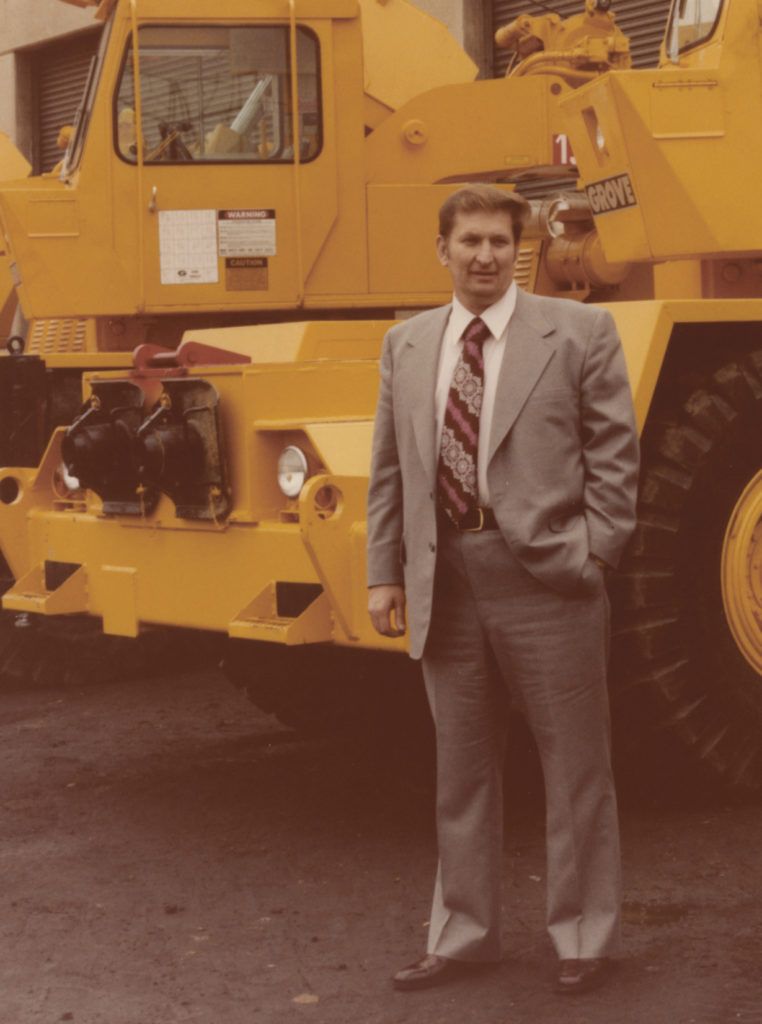
The principal architect of the heavy-lift equipment rental category and driving force behind The ALL Family of Companies has passed away. Michael C. Liptak was 91. Together with his wife, Marvine, and brothers Lawrence and Jake, Michael founded ALL Erection & Crane Rental in Cleveland, Ohio, with just a single crane in 1964. Through the decades, it grew into the largest privately held crane rental company in North America, boasting 33 branches across the continent, a fleet of more than 3,500 cranes, and an employee roster totaling more than 1,500. At the time of ALL’s founding, most contractors had to purchase and maintain their own cranes. Michael and his inner circle saw a customer need, bought their own crane, and began renting it. In the process, they created a new category—crane rental—and backed it with hard work, reliable products, and outstanding customer service. In doing so, they laid the foundation for a company that would stand the test of time. Michael C. Liptak was a blue-collar guy from a blue-collar city, and he built his business through sweat, time, and a handshake that was his bond. In the world Mike and his brothers grew up in, nothing came easy, but he wanted to make life a little easier for the working people who relied on heavy lift equipment to do their jobs—because he was one of them. Up until his final days, Mike was still involved in daily life at ALL, visiting branches and offering his advice and expertise. He was well known to weigh in on critical—or even seemingly mundane—business issues, because even if he had handed off the mantle of responsibility, he never stopped carrying the weight of his life work. He pushed those around him to be the best they could be. And he could be that type of leader because there wasn’t a thing he hadn’t done. “Before there was an ALL Crane,” explained Mike’s son, Michael L. Liptak, current CEO and president of the company, “there was a man driving dump trucks in a quarry. He drove trucks, operated cranes, fixed cranes when they broke, and saved enough to buy new ones when they were needed. From that foundation, he built everything we know here at ALL.” Known to many as Big Mike, he never stopped being excited about the basics of the business, perhaps best characterized by the kid-like way he felt compelled to go out and operate any new crane the company had acquired. You can’t keep an operator out of the seat, and Mike was an operator at heart. From his blue-collar beginning to creating a business enterprise, from his charming smile to his ability to raise pulses, Mike was about balance. If you met him in a restaurant, casino, or auction, you felt his warmth and fun, and kindness pours over you. If you met the man who built the business, you know he was tough and strong and took creating an industry from nothing seriously. He was serious and challenged others to take this enterprise as seriously, simply because he knew it mattered. “Everything Dad did was for the thousands upon thousands for whom he provided jobs over the years,” said Michael. “That was never lost on me or the rest of the second and now third-generation family working at ALL. We were all lucky to have the shade of his mighty shadow.” Michael credits his father’s vision for helping to guide the company to its current success. Always about balance, Mike knew that steady growth coupled with impeccable quality were the keys to longevity. His instincts proved correct, as the company, he founded approached its 60th year. Liptak also recalls a driven man who always had time for family. “Everyone here is treated like family – and many actual families make ALL their life’s work. The family feeling extends to our customers and suppliers as well. That all started with Dad. He created a place where everyone was welcome, and the sky was the limit as far as advancement. He’s my inspiration, both as a leader and a person. To say he will be missed is a monumental understatement.” Mike, his brothers, and his earliest surrounding team worked 100-hour weeks to get the ALL Family of Companies up and running. He was Big Mike and he built North America’s largest privately-owned crane rental enterprise with a ton of heavy lifting and workaday sweat. Michael C. Liptak was preceded in death by his brother Jake, who died last year.
Ambassador Spotlight: Lithium battery is the best power source for a paper roll to be moved on the way from the paper mill to the printing machine.
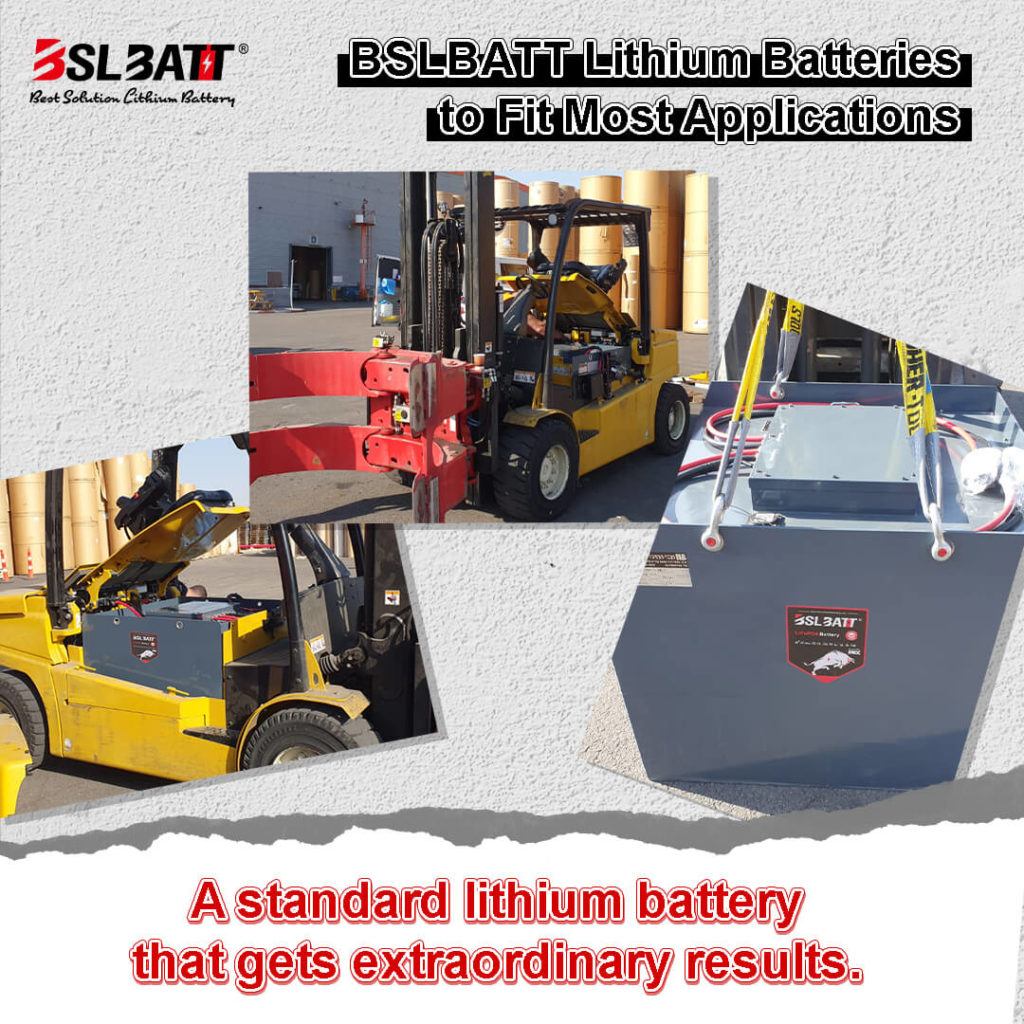
Forklifts are an invaluable part of a paper manufacturer’s production process and for good reason. A typical paper roll may need to be loaded, transported, and unloaded five to twenty times over the course of its life cycle, from the paper mill to the printing press. Understandably, dedicated, powerful processing equipment is required at every stage of this transport chain, regardless of the type of paper being processed – whether newsprint, coated, craft or linerboard. Since this process needs to be continuous, the handling equipment needs to operate with minimal downtime and lower operating costs. This, in turn, means that power supplies need to be reliable, robust, and capable of uninterrupted operation. This is why the industry needs a major shift towards new electric technology. BSLBATT achieves this by focusing on lithium battery modular technology that accelerates the electrification of forklifts in the paper industry. Since its inception in 2012, BSLBATT has developed over 950 models of lithium-ion batteries for use in electric industrial trucks of virtually every brand and industry, including the food and beverage industry, retail, material handling, cold storage, and, crucially, Paper and pulp industry. Until recently, forklifts with tilt and swivel capabilities – necessary for efficient handling of paper rolls – were primarily powered by liquefied petroleum gas internal combustion engines. If they are battery-powered, they use lead-acid batteries. Both power sources have similar problems, including high energy costs and pollution. Solution But BSLBATT sees things differently. BSLBATT develops and manufactures lithium-ion batteries for Class I, II, and III forklifts. Better suited to meet the paper industry’s three-shift operation needs in handling, papermaking, warehousing, shipboard, transport operations, or demanding recycling applications. Clean and safe lithium batteries are powerful enough to support the most demanding applications, increase runtime and reduce energy costs. BSLBATT Lithium Batteries are designed and manufactured for demanding applications and offer a high level of expertise in paper handling. We help our customers move paper rolls and packs through the supply chain successfully by switching from LPG to electric batteries or lead-acid to lithium-ion batteries. BSLBATT batteries support the handling of large rolls in paper mills, printing plants, and converting shops. Our customers are free from pungent odors, acid leaks, exhaust fumes, and noise pollution from LPG engines or lead-acid electric trucks. Where hygienic handling is required, such as in paper processing and packaging, including food packaging, the safety and zero routine maintenance of BSLBATT lithium-ion batteries is important. Over the past few years, BSLBATT has been successfully helping its customers transition from lead-acid batteries to lithium-ion batteries, allowing them to move paper packs and roles fluidly through the supply chain, from the factory to printing to converting. To expand production amid increased demand and continue to supply the paper industry with reliable heavy-duty lithium-ion batteries, BSLBATT is opening a second factory in 2021, tripling its production base. Environmental demands have also led the paper industry to switch to electricity. BSLBATT has also helped address this new hurdle, offering a zero-emission option that rivals the performance of IC engines commonly used in high-capacity situations. The company’s batteries help the paper industry eliminate exhaust fumes, noise pollution, and acid leaks that are often by-products of LPG engines and lead-acid electric forklifts. Sub-sectors of the paper industry where sanitization is critical – for example, in food packaging – the low maintenance and high safety of lithium-ion batteries also play an important role. Recent clients have a large Israeli paper manufacturer using a fleet of 17 sit-down Yale forklifts to feed its production line. The end of the line is serviced by 12 smaller Yale lift trucks, all of which were recently converted from lead-acid batteries to electric lithium-ion. The 14,000 lb capacity truck is equipped with a 5,000 lb paper roll clamp and the 6,000 lb capacity truck is equipped with a push/pull attachment. Smaller trucks do very heavy-duty applications – three shifts per day, 4,900 hours per year on average! This is well beyond any industry-standard lease (approximately 1500-2000 hours per year). BSLBATT’s durable lithium batteries meet these demanding specifications, enabling plants to stay safe while maximizing uptime. In 2021, to help ensure the most efficient run time, BSLBATT has created a new battery management system (BMS) along with high current settings. All 29 trucks run on one battery each, which will last all day, with fast-charging activities during breaks and lunches. The growing popularity of lithium-ion batteries in the paper industry has helped BSLBATT reposition its business approach. In 2020, the company expanded its sales force, adding a Brazilian sales force, and in 2021 it added a U.S. office and warehouse. In 2021, the company consolidated operations at a new, larger manufacturing facility in Huizhou, China. The paper industry has shown adaptive and forward-looking adoption of electric forklift technology and will continue to have a strong partner in BSLBATT. Summary: BSLBATT is known for producing some of the most durable, trouble-free Li-ion batteries for applications, where durability, speed, and energy efficiency directly affect the bottom line. BSLBATT Li-ion Batteries help decrease downtime by using breaks for opportunity charging whenever it is most convenient for the operations. Zero daily maintenance and energy efficiency add up the savings quickly. When you need to maximize uptime and safely handle paper and pulp products, the powerful, durable BSLBATT lithium batteries are the best choice.
HyLite LED NexGen Omni-Cob lamps
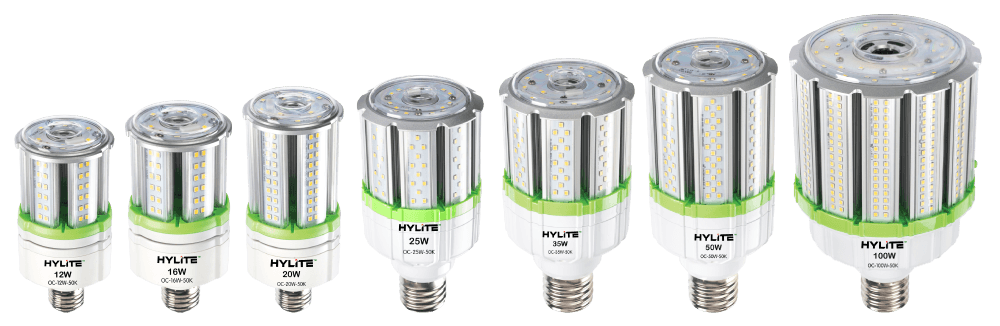
The NexGen LED Omni-Cob Lamps are heavy-duty, industrial-grade lamps with highly efficient lighting design and offer excellent illumination all around. Saving between 67%-90% significantly reduce energy consumption and re-lamping costs. designed for easy installation in new and existing fixtures, the NexGen LED Lamps are suitable for damp locations and for fully enclosed fixtures which make them excellent for use in a Variety of Applications. The NexGen Omni-Cob Lamps are ideal for the replacement of traditional CFL, MV, HID, and HPS Lamps. Quick and Easy Installation makes it an easy retrofit into the Existing Socket. With a lamp life of up to 60,000 hours, they significantly decrease maintenance and disposal costs. The NexGen Omni-Cob Lamps come in these popular wattages: 12W, 16W, 20W, 25W, 35W, 50W, and 100W that replace HID equivalent from 50W to 400W of traditional lighting. The NexGen Omni-Cob Lamps have a Universal Input Voltage of 100-277V or 120-347V which ideally makes them for use anywhere in the world. Optimized Lighting Beam provides maximum 360° luminance while producing Brilliant Light which makes it an ideal replacement for CFL, MV, HID, and HPS Lamps for use in various applications. The NexGen Omni-Cob Lamp features excellent optics for increased visibility with low power consumption. The Omni-Cob Lamps can be oriented in any position and does not affect or dimmish the lamp life. Perfect for use in Bollards, low and high-bays, post tops, etc.
Rethinking Supply Chain Management
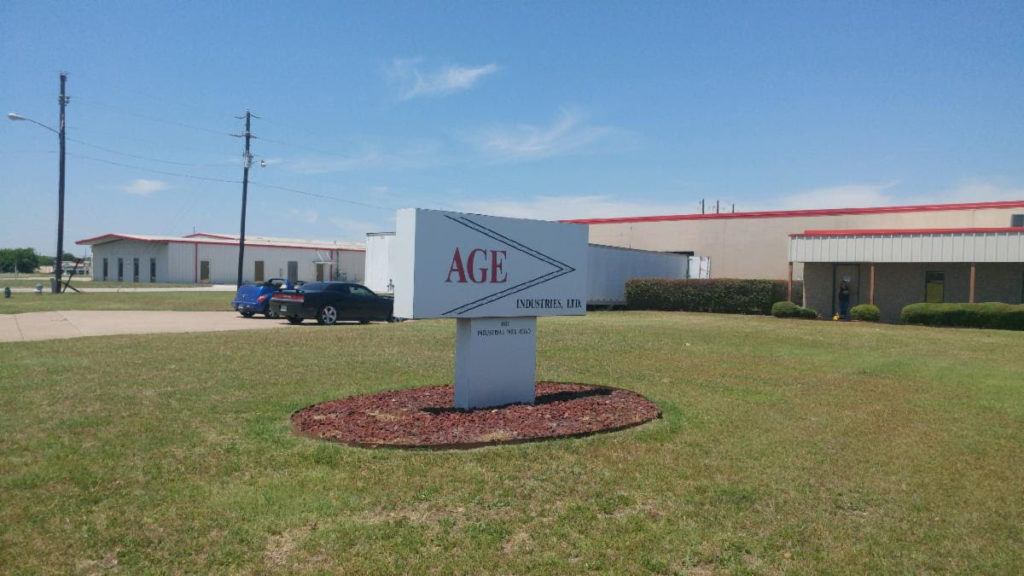
The supply chain crisis continues to place enormous strains on business. Global trade has been knocked out of balance. COVID-19 outbreaks continue to plague us all. COVID outbreaks in China closed two of the world’s busiest container ports. A marooned ship blocked traffic through the Suez Canal. And more than 100 ships were idled for weeks off the ports of Los Angeles and Long Beach, waiting for trucks to arrive to clear the backlog of containers stacked on shore. The pandemic has caused both dramatic drops in segments of the market and seemingly controlled surges in others. Raw material supply shortages, transportation bottlenecks, finished goods shortages, as well as inventory placement challenges, have adversely affected our markets. These supply chain problems are compounded by labor shortages. The effect on consumers has been widespread. The general public is now experiencing supply chain disruption as households are having shortages, from the scarcity of PPE and toilet paper in 2020 to empty store shelves during the 2021 holiday shopping season. For businesses, especially manufacturers, the supply chain disruptions have had severe operational and financial consequences. When raw materials and packaging are not available when needed, production is slowed or halted, and sales are lost. At times this means customers are lost as they move on to competitors or find other solutions to overcome their unique shortage issues. Lean Inventory Management Put to the Test The supply chain disruptions have tested the Lean manufacturing practices, put in place to minimize “waste” of raw material and lower inventory. The Lean Six Sigma management philosophy urges against excess materials sitting around, taking up space because they are a drain on financial resources and additional inventory requires added resources to manage. Just-in-Time (JIT) inventory management programs, exemplified by the Toyota Production System (TPS), require suppliers to support production and shipping schedules between consumers and manufacturers with as little inventory as possible. The goal is to have just enough with zero excess or cushion. The model performs well to reduce costs when the supply chain is stable and predictable – but in this environment, is the cause of most shortages. Experts in Inventory Management AGE Industries is a leader in the packaging industry in forming true partnerships with our customers. Only through effective communications with our business partners can we achieve the service levels we have by carrying the correct levels of inventory. We have built our entire business around supplying our customers with their packaging needs on a JIT basis through a fantastic group of customer service representatives (CSRs) assisted by an operating system specifically tailored to manage our business. For many of our customers, we provide a Vendor-Managed Inventory (VMI) service where we take on the responsibility for optimizing the inventory held by the distributor, based upon our extensive experience in JIT, Kanban, forecasting, and other supply chain management methods. AGE does have other customers that do not require us to hold inventory. For these customers, we place orders called “run and ship.” Even though these customers manage their own inventories, our AGE customer service group communicates the ever-changing raw material lead times to ensure our customers get their orders placed with enough time to meet their own internal demand. These methods worked extremely well for the mutual benefit of our company, our vendors, and the customers that we have partnered with for decades. Impact of the Supply Chain Crisis Then came the pandemic. AGE started operations in 1974 and until the pandemic hit, raw material lead time had been roughly 24 hours. Today our lead time fluctuates from 2 to 4 weeks on normal material grades and up to 16 weeks for specialty items. Fortunately, the impact of the supply chain disruptions on our business and on our customers was relatively limited, due to our relationship with our vendors and the strategies we used to respond to the initial supply chain disruption. Once again, having good people on your team who care, clear communications with our customers, and proper production planning and inventory management is the key. Communication and Visibility First and foremost, our customer service team genuinely cares about our customers. This is the foundation for better communications. AGE teaches its CSRs how to properly interpret usage to prevent supply issues by not only reviewing the production process, but taking into account raw material availability, usage history, and production backlog. AGE does so in an effort to build a dynamic inventory management system in place of the normal min/max that most of our competitors use today. Through this process, AGE has been able to maintain constant supply in the current environment. Speed our Manufacturing Throughput To increase throughput, AGE had to adapt to pandemic-related labor shortages and improved automation, moving away from labor-intensive equipment and moving to automated equipment allowing more products to be finished in a single pass. We also reorganized the flow between our five production facilities to maximize manufacturing efficiency and to best utilize limited labor resources. This shift is from a previous model that gave priority to being as close as possible to the customer. The result has increased our shipping costs but will pay dividends in the future through long-term relationships built on trust. In the years ahead, we look forward to helping our business partners who rely on our services. I believe AGE has a strong future because of its people and ability to adapt to any market. COVID is a testament to our people, plans, and processes. We also believe that COVID is only the first of many tests to come. If you are not with a supplier that cares about your wellbeing and has the foresight to understand your business as well as theirs, then problems will ensue. About the Author: Bill Allen, Chief Operating Officer at AGE Industries, LTD.