
Felling Trailers’ chosen for Atlas Foundation Company’s specialized trailer needs
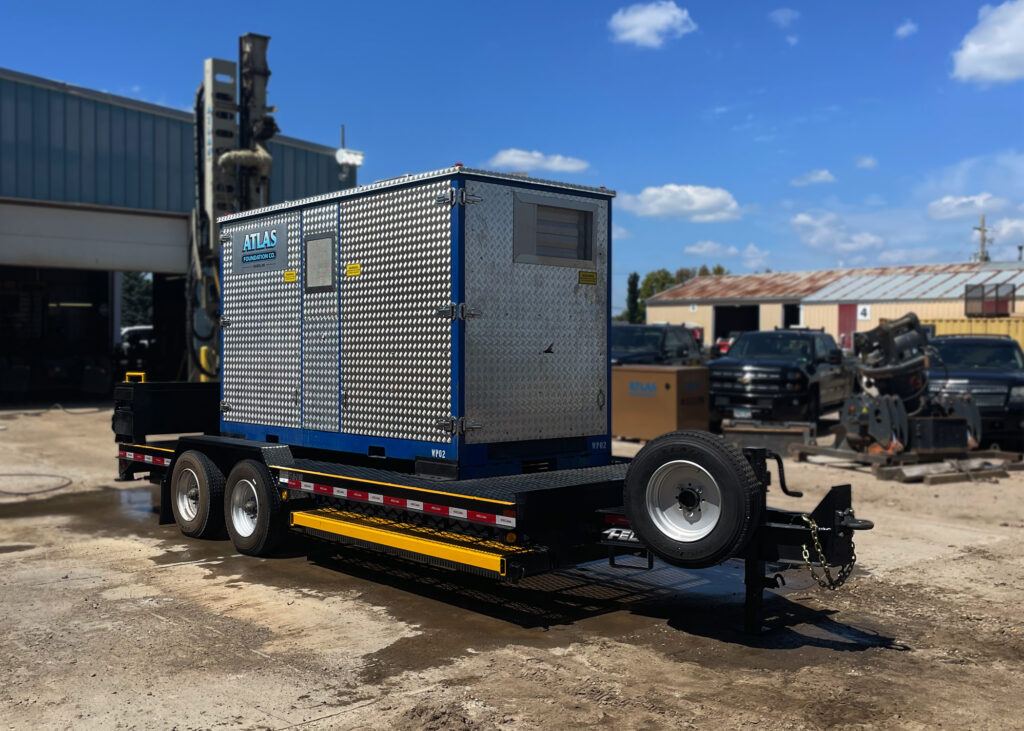
Atlas Foundation Company is a deep foundation and earth retention solutions provider. Founded in 1968, the company started strictly as a pile-driving company but quickly expanded into caissons (drilled piers), micropile, earth retention, and helical piers. Atlas’ Micro Pile Division had acquired an overseas manufacturer to design and build a custom water pump to be used for extremely specialized deep foundation drilling applications, the only pump of its kind in the United States. For this custom application, the pump needed to be mounted to a trailer for ease of transport to and from jobs, as well as maneuverability on job sites. This trailer would need to be designed and engineered around the specifications of the water pump, along with incorporating usability and safety for the crew operating it. Atlas Foundation’s Superintendent of Maintenance and Shop Repair, Larry Boeke, had previously worked with Felling Trailers and knew they were the right manufacturer for the project. Atlas Foundation has close to a dozen Felling trailers currently in their fleet. Larry had worked with Felling’s Mike Wolff, who at the time was part of the Service team, to set up the refurbishing of five of their trailers over 5-10 years; most of these trailers are 20+ years old. “After decades of experience using and maintaining Felling Trailers, it was an easy choice for me to reach out to Mike. Mike had done a fantastic job with us on previous projects. I knew I only wanted to work with Felling,” said Larry. Larry contacted Mike, who was now in trailer sales, and explained the scope of the project to him. “Mike immediately put me in contact with T.J. Schwartz, Felling’s OEM trailer specialist, to get the ball rolling,” said Larry. The three met together multiple times to review the requirements and specifications that would need to be incorporated into this trailer build. An FT-20 WD (wide deck) was selected as the base model for the trailer. Mike, T.J., and Felling’s Engineering team collaborated with Larry’s team at Atlas along with the overseas water pump vendor through the duration of the design process. “It was a needs team effort, and Larry was very accommodating in helping us (Felling) to understand what the application was, what environment the trailer would be utilized in, and what features needed to be incorporated for operator safety and functionality for the Atlas team,” said Mike Wolff. Throughout the design process, there were many changes; some were small, like shortening up the overall trailer length. Others were more detailed, like incorporating pull-out steps/platforms and handrails, for the crew to access the deck safely. “The selection of Grat-X decking was made in place of standard decking for crew safety. When the unit is used in cold weather environments, the crew must disconnect water lines and drain the pump at the end of each shift to prevent freezing. The Grat-X decking allows for the water to pass through to the ground below, preventing water/ice build-up, greatly reducing the likelihood of the crew slipping,” said Schwartz. Attention to the fine details was key. With the pump still in production, the teams worked off drawings and maintained continuous communication with the overseas vendor. “We worked closely with the pump vendor to verify the water pump’s overall size and weight and determine the center of gravity for proper axle placement. We had to really pay attention to the smaller details and plan for things like compartment door clearance for mounting a spare tire, clearance for personnel to access the deck from all sides, and so on,” said Boeke. With the design process completed the trailer then moved onto the production floor. Built to spec, this high-pressure water pump trailer was constructed with Grat-X (expanded metal) decking with custom mounting provisions for the skid-based water pump, 8’ pull-out grip strut side steps on curbside, roadside, and along the rear tailboard. Rear stabilizer jacks, along with two heavy-duty storage boxes provided by Atlas Foundation Co., were mounted on the rear of the trailer. Once assembled and inspected, the finished trailer was delivered to Atlas Foundation, Co., where the one-of-a-kind pump was mounted to the trailer and put into service. “In my opinion, Felling builds the best construction equipment transport trailer on the market. They are extremely heavy-duty from front to back. I would say that my experience with Felling has always been positive. From their parts and service department to the refurbish division, to now having had the chance to work with their engineering and design team, and then finishing up with the production division. Every interaction has been positive and professional. I was impressed with how knowledgeable Mike and T.J. were throughout the entire process. I would recommend anyone that hasn’t given Felling a try yet to take a look and see how the team at Felling can help with a specialized project like ours,” said Boeke.
The five ways AI is changing service provision forever in 2024

Machine learning and Artificial Intelligence are increasingly becoming must-have options to assist the growing number of operations and processes in the service industry. Here, Mark Brewer, VP Service Industries at IFS, highlights his five industry predictions—all influenced by AI—for the upcoming year, and the opportunities these new trends open up for the delivery of service, ultimately leading to better customer experiences forever. In as little as two years, half of contact centers will rely on an AI copilot Customer contact centers have always had staffing issues. A global survey by NICE WEM found the contact center attrition rate was an astonishing 42%. Almost a third of agents surveyed were actively looking for a new job, and of those only 60% wanted another contact center role. That’s a lot of disaffected agents. A move to AI-enabled tech stacks in call centers can change this. It’s poised to increase customer satisfaction and help ease the pressure from rising voice call volumes by keeping agents supported, interested, and engaged. Gathering the information needed to resolve a customer call about a vehicle breakdown or a broken boiler is not easy. It’s high-stress and complex for the agent. The necessary details and logistical variables may well be held on multiple systems, yet all must be considered together to achieve a call resolution in real time. Enhancing agent processes with AI applications AI provides a way to support agents with a virtual assistant—a copilot—in real-time as they work processing calls. For example, an AI copilot could automatically triage, and visually prioritize, the most urgent calls for agents on a dashboard, based on voice recognition of key phrases mentioned in a request. Similarly, it could display context-sensitive information as the call is in progress—for example, prompts to try and diagnose a fault, or the proximity and travel time of the nearest qualified engineer. Here, intelligent autonomous technology is not replacing, but instead augmenting the agent, empowering them to deliver a better, more reassuring, and efficient customer experience. Supported by an AI-powered copilot, every agent becomes an expert—including those staff who are new or relatively inexperienced in the role. “Circular by Default” will be the new norm for 70% of service organizations by 2026 With increasing global scrutiny on sustainability, consumers and businesses alike want to retain products and equipment for longer. The circular economy has seen a shift in the sustainability model from stick to carrot: mandatory compliance with regulations has turned into active enthusiasm to become inherently sustainable. Organizations know that consumers now want to buy from environmentally conscious companies. Equally, the outcome-based service model is also becoming more attractive. As consumers start to subscribe to offers such as heating-as-a-service, suppliers can afford to optimally maintain assets to maximize their lifetime, reducing emissions, waste, and recycling. I also expect we will start to see self-healing capabilities being designed into new products such as appliances and vehicles, eliminating the cost, time, and environmental impact of unnecessary field service visits. Computer Vision will enable 30% of asset-centric organizations to see, observe, and understand the world better by 2027 Where AI enables computers to think, computer vision enables computers to see, observe, and understand. For example, in a manufacturing or process environment, AI can be trained to analyze and detect video imagery that would indicate a fault or safety hazard. Already, computer vision is being used in both the oil and gas and the maritime sectors to monitor and detect corrosion, informing timely manual inspections and preventative maintenance, whilst multi-camera-equipped autonomous robots monitor operations in factories and warehouses. Increasingly, passenger and commercial vehicles are now equipped with cameras, capturing video as they drive. By applying suitable image recognition algorithms, this stream data can be used for computer vision, and reporting maintenance issues for infrastructure. Examples include road signs obscured by overgrowth, tree growth abrading overhead cables and phone lines, and vehicles automatically detecting and reporting locations for potholes. Almost one-third of service organizations will introduce autonomous vehicles to boost productivity initiatives One of the key metrics in field service has always been productivity (utilization): the amount of a field engineer’s time actually spent on the job. This ‘wrench time’ typically ranges from anything between 50% and 95%, but most organizations are aiming for around 70 to 80% utilization. Driving can easily occupy 30% of an engineer’s day, with administration adding a further 20-30%. But with the introduction of autonomous vehicles, travel is no longer downtime. With an autonomous vehicle managing the driving, engineers can prepare for their next visit, ensuring they are prepared. Because autonomous journeys are digitally planned and routed, they are exceptionally efficient and take into account EV range and charging needs. Human drivers need help to perform this well. AI-driven IFS Planning & Scheduling Optimization (PSO) removes all the guesswork. As well as planning the optimum schedule and routes, the application uses real-time vehicle telemetry data to dynamically make changes—for instance stopping to charge for 10 minutes, allowing an engineer to reach two more extra jobs, increasing the engineer’s daily productivity by 50%. AI will become the preferred fleet manager for 4 out of 10 asset-centric service providers by 2026 Streamed video data from assets, interpreted by computer vision, will increase the visibility of what the fleet manager can see. For example, wind turbines are routinely equipped with IoT remote sensing. Turbine manufacturers have access to real-time performance and operational data from thousands of assets sold and maintained at hundreds of customer wind farm installations. Thanks to AI, intelligence from cameras, sensors, service records, and digital twin models can give fleet managers ultimate visibility. AI can quickly identify any wind farm that is performing more efficiently and generating more energy than other comparable sites. Moreover, it can compare specifications to pinpoint why: for example, because a site uses a different, and more effective, gearing calibration. At this point AI has identified a competitive advantage, and a sales opportunity for the manufacturer. It automatically generates a proposal to the operator of the under-performing wind farm site,
Dynamic forces in action: A look at the challenges and opportunities in warehousing today
As the nerve center for many material handling operations, warehouses provide an essential role. This month, Material Handling Wholesaler asked a few businesses in the industry about the latest trends in the dynamic environment of warehouse operations. Warehouse solutions At LD Systems, a company that helps warehouse operations find solutions, CEO Bob Sutphen said there have been three areas typically addressed recently. Those are space needs, needs to improve productivity, and a desire to cut down on errors. Sutphen said to address those concerns, LD Systems will first work to determine a company’s culture and customer expectations. “Once we’ve identified that, the next thing we want to do is look at their data,” he said. “Every time we do that, we almost always find things that surprise the customer.” While warehouse operators often are busy looking at production numbers, LD Systems can help identify areas of improvement, according to Sutphen, who said the company has worked on over 500 projects within 75 to 80 different industries. “We’ve learned what things to look for and what data we need to collect,” he said. As system integrators, LD Systems works to develop solutions that will address the needs and concerns based on the data. In the current environment, Sutphen said automating is often advisable. “If there’s an opportunity for automation, we definitely recommend that,” he said, noting one of the problems many warehouses are currently facing is attracting and keeping good labor. E-commerce continues to grow, but Sutphen said the associated costs burden some companies. “We have developed many solutions that can make people efficient, including reducing shipping costs,” he said, adding that he believes e-commerce will keep expanding. “It opens up all kinds of options,” said Sutphen, noting opportunities for packaging and other ways of reaching the end user. But while the volume of e-commerce will likely continue on an expansion track, Sutphen added that he expects some moderation in the pace. “People don’t necessarily always insist on next-day delivery,” he said. “There’s been some moderation in that because of the way parcel companies are charging for their services.” In general, Sutphen said the ideal timeframe for a project with LD Systems is six to nine months. As space becomes more expensive, reimagining existing space is a solution for many warehouses. “I rarely walk into a facility that we can’t do more in the same space,” Sutphen said. He encouraged warehouse operators to keep thinking in terms of innovation. “If you don’t do anything, your costs will increase,” he said, adding that each business’ competitors will continue evaluating how to meet the costs and expectations of the environment. “If you want to be one of the leaders, you have to innovate,” Sutphen said. Efficient and sustainable solutions With recent studies showing that 67% of organizations have environmental KPIs for their supply chains*, a key area of focus for warehouses is sustainability. At Enersys, Samuel Shiroff is Senior Director of Global Sustainability. The global battery manufacturer has set and is pursuing its own climate, energy, and water goals, according to Shiroff, who said the business’ energy use per kilowatt hour of storage is down more than 15 percent and water usage is down 2.5 percent versus 2020. “We are walking the walk,” he said. Shiroff noted that when talking about climate goals, there are three areas of focus or scopes. The first is what is burned, like gas or petroleum. The second is utility-related burns and the third is what is burned in the business value chain. “Scope 3 is very difficult to measure. Everybody is somebody else’s scope three,” Shiroff added. At EnerSys, the aim is to reach neutrality on scope 1 by 2040 and on scope 2 by 2050, according to Shiroff. He said the business’s carbon footprint overall has been lowered by over 4 percent year on year with its Scope 1 (direct emissions) down nearly 25% since 2019. Pursuing sustainability objectives adds value to the company and helps meet the expectations and interests of customers, shareholders, employees, and other stakeholders. The best people in the world don’t want to work for a company that harms the planet,” said Shiroff. In addition, such measures meet or exceed emerging regulations. Shiroff noted that expanding on what regulations demand can be beneficial. “If you do it just for the sake of compliance, you are leaving value on the table,” he said. “The distance between risk mitigation and opportunity creation is incremental.” For those starting out in a sustainability action plan, Shiroff recommended prioritizing aspects of each goal. He added that the internal person or staff working on corporate sustainability can help bring along others in the company. However, there is still a need for those involved to understand the details of what is required. Those businesses obligated to report to the European Union, for example, which Shiroff noted is estimated as at least 7,000 American companies, there are certain sustainability requirements. Shiroff noted that despite legal challenges to the new SEC climate disclosure rules, it would be risky to simply assume that they will be overturned. “The SEC was very careful about what they did,” Shiroff said. For Shiroff it is clear that energy efficiency is a key area of focus, but eventually, we will meet a point where that is maxed out. He notes that we will always need energy, but we do not need to get it from fossil fuels. Shiroff added that rooftops and adjacent property can be viewed as a key resource. “And energy sources within warehouses are also key, such as batteries like those offered by Enersys”, Shiroff said. “Our products themselves enable our customers to reduce their own carbon footprint,” said Shiroff, who said thin plate pure lead batteries are approximately 20 percent more efficient and lithium-ion approximately 25 percent more efficient than lead acid. “Add to that a more efficient charger and just by switching battery technology you can gain more than 30 percent efficiency in energy cost as well as reducing carbon,” Shiroff said. Also key in the pursuit of sustainability is knowing
OTR announces opening date for Mexico facility
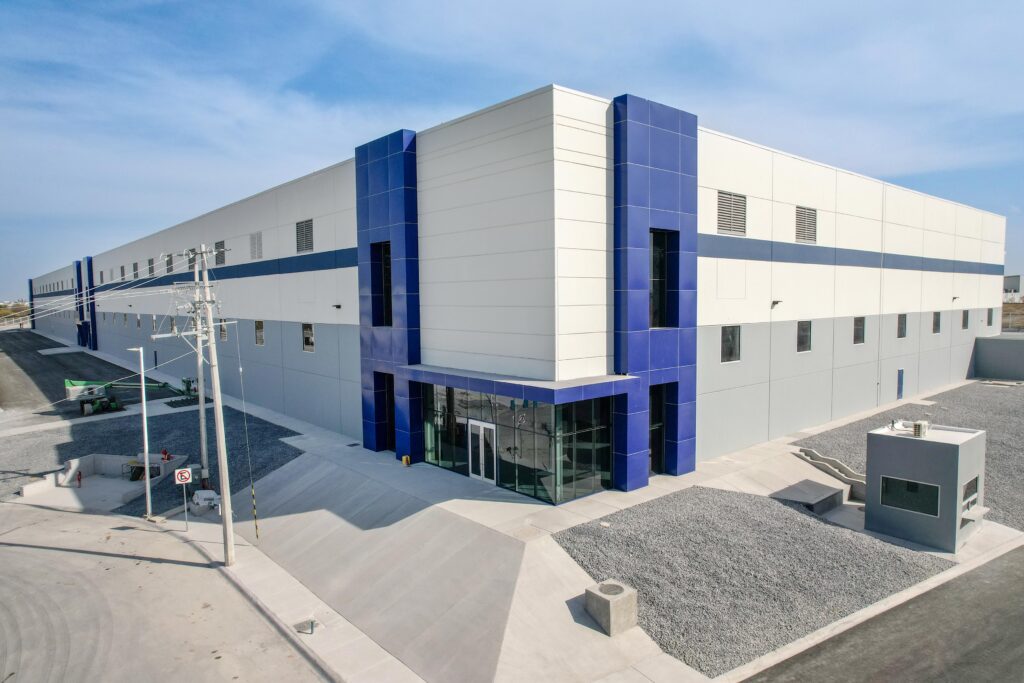
OTR Engineered Solutions (OTR) has announced that its new facility being built in Mexico is scheduled to commence business operations on August 1, 2024. Located in Apodaca, a city in the Monterrey metropolitan area, the building site was strategically selected to supply OEM customers with products and services such as tire mounting, sequencing, just-in-time supply, and warehousing on a local basis. These value-added services are a specialty of OTR. Located on a 9.75-acre lot, the 152,738-square-foot building is comparable in size to OTR’s domestic facilities in Rome, Ga., and Fort Worth, Texas. In addition to its proximity to strategic OEM customers, the site offers convenient access to main roads and public transportation, helping to attract skilled labor and maximize distribution efficiency. Construction of the new facility is on schedule. The building has been erected, and tenant improvements are currently being made, including the installation of electric, lighting, compressed air and fire suppression systems, as well as offices. “We’re eagerly anticipating the August opening of the Apodaca facility so we can begin working even more closely with multiple OEMs operating in the Monterrey area,” said Tom Rizzi, President and CEO. “This move exemplifies OTR’s commitment to customers and dedication to serving our business partners.” Upon completion, the Mexico location will mark OTR’s 32 nd facility worldwide.
Locus Robotics reaches three billion picks milestone

Locus Robotics announced that it has surpassed 3 billion total picks across its global customer deployments. The milestone was reached just 33 weeks after the company recorded its two billionth pick, and underscores the company’s continued rapid growth, solidifying its position as the undisputed leader in autonomous robotics automation for the warehouse. “Surpassing 3 billion picks across our global deployments is a significant milestone that reflects the trust our customers have placed in our innovative robotics solutions,” said Rick Faulk, CEO of Locus Robotics. “As we continue to push the boundaries of innovation, we remain focused on our mission to revolutionize the supply chain industry and empower our customers to drive operational efficiencies and productivity gains to thrive in an increasingly complex and demanding fulfillment landscape.” The billionth pick was a Carhartt t-shirt and occurred at a Carhartt facility in Hanson, KY, just milliseconds ahead of other items picked at the more than 300 Locus customer sites around the world. While it took Locus nearly 7 years to reach its first billion picks, the company’s growth has since accelerated at an unprecedented pace, reaching 2 billion picks just 11 months later, and now the third billion in a mere 33 weeks. During the 2023 holiday peak season, Locus picked more than 331 million units, representing a 66% increase vs. Holiday 2022, and picked a total of 1.2 billion units in 2023, an 82% increase over the previous year. “I first saw a demo of the Locus bots the year the company was founded. I instantly understood the potential this system had,” said Steve Banker, Vice President of Supply Chain Services at ARC Advisory Group. “Their impressive growth trajectory is a clear indication of the value their proven solutions bring to customers, enabling them to improve productivity, lower costs, and stay ahead of the competition.” “The 3 billion pick milestone is a testament to the widespread adoption of Locus Robotics’ innovative AMR technology across various industries, including retail, third-party logistics (3PL), healthcare, and manufacturing,” added Faulk. “At Carhartt, we are consistently impressed by the performance and reliability of Locus Robotics’ solutions,” said Tony Gariety, VP, of Distribution Operations. “LocusBots have become an integral part of our operations, enabling us to meet the ever-increasing demands of our customers while maintaining the highest levels of efficiency and accuracy.” As the industry continues to evolve, Locus Robotics remains committed to driving innovation and delivering cutting-edge robotics solutions that enable its customers to scale to meet growing demand. Locus’s strong focus on research and development ensures that it is well-positioned to continue its rapid growth and industry leadership in warehouse robotics automation.
Yale recognizes Dealers of Excellence for 2023
Yale Lift Truck Technologies has announced winners of the 2023 Dealer of Excellence award, the company’s top honor for members of the Yale® dealer network. The award recognizes lift truck dealers who exhibited focused leadership and drove their organizations to the highest level of performance in all functional areas of materials handling throughout 2023. “Warehouses depend on the expertise of our dealers to help solve their most pressing challenges, from a labor crisis to relentless productivity targets and beyond,” says Bob Sattler, Vice President of Dealer Business Development. “Our independent dealer network provides us with a distinct competitive advantage on the frontline supporting customers and helping them get the most out of automation, power and other technologies for these issues, while their expert knowledge and support keeps customers operational and satisfied. This year’s Dealers of Excellence have demonstrated expert knowledge and support for customers and commitment to the wellbeing of their associates.” To receive the award, dealers must meet rigorous business practice standards and performance criteria that are assessed and modified annually for alignment with evolving customer expectations and heightened industry demands. 2023 Dealers of Excellence – North America Alta Material Handling – Chicago, Western Michigan, New York Metro, Upstate New York, YIT an Alta Company Berry Material Handling Black Equipment – East, North, South Burns Industrial Equipment – Pittsburgh Eastern Lift Truck – Baltimore DC-DE, Philadelphia and South Jersey Fitzgerald Equipment LiftOne – South, West, Central Medley Material Handling – West MH Equipment – Illinois, Iowa, Ohio North, Ohio South, St. Louis Papé Material Handling – Eugene 2023 Dealers of Excellence – Latin America Disagro – Guatemala, Costa Rica, Honduras, El Salvador, Nicaragua
Episode 478: Exploring cold chain logistics with the team from Cold Chain 3PL
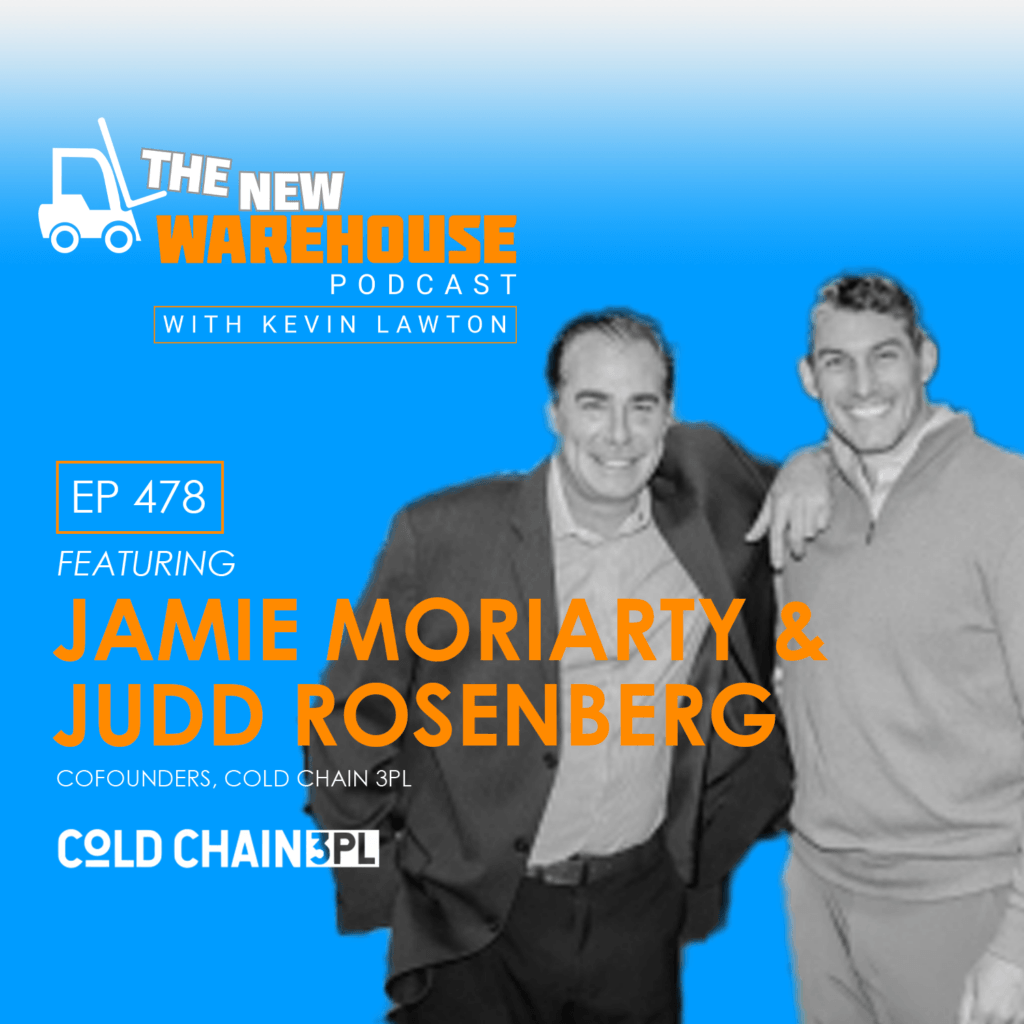
The New Warehouse Podcast shines a spotlight on a crucial sector of cold chain logistics. Jamie Moriarty and Judd Rosenberg, the dynamic duo behind Cold Chain 3PL, share their journey into the world of frozen and refrigerated logistics. With backgrounds spanning from entrepreneurship in the fresh food industry to Olympic athletics, their venture into cold chain logistics was spurred by a relentless spirit to succeed and the willingness to support shippers of all sizes in this space. Capitalizing on Cold Chain Growth Jamie and Judd leveraged each other’s strengths to embark on the tremendous opportunity to capitalize on the explosive growth of cold chain logistics. The journey wasn’t easy, according to Jamie. They couldn’t get anyone to return their phone calls or emails or they required large minimums. This is when their entrepreneurial spirit kicked in, “Judd just turned to me, and he was like, we can do this ourselves.” And so they did, “We started in a small little warehouse… now we have facilities across Chicago, California, and Maryland,” shares Judd, highlighting their exponential growth. Reflecting on their own challenges they remain grounded and committed to a hands on and flexible approach with their brands. “Our customers have my number, they have Jamie’s number, we’re not the day-to-day contact, however, I don’t ever want to lose that touch,” adds Judd. Overcoming Cold Chain Logistics Challenges Space is a premium in cold chain storage and a significant hurdle to overcome in cold chain logistics. Judd credits his entrepreneurial spirit and “we’re going to figure this out” attitude for their ability to determine where the space is. Jamie points out, “You can’t just convert a typical warehouse into a frozen one.” He believes the surge in demand will overcome the capacity limitation as the construction industry looks to capitalize on this growth. Shipping perishable products adds another layer of complexity to cold chain shipping. Judd compares solving this challenge to a puzzle or a mind-bending SAT question. “By figuring out that puzzle, we can go up the biggest companies in the space and usually win the business because of all the other things we offer.” Mastering Cold Chain Logistics for Brands Shippers in the cold chain space are at varying levels of experience. Jamie explains this is how they determine whether to recreate what seasoned cold chain brands have leveraged in the past or engage in a discovery call for a greater understanding of the shipping needs. Cold Chain 3PL relies on industry experience, customer requirements, and what they refer to as a “recipe card” to handle all the complexities of shipping perishables. Jamie adds, “Our main production team who builds the recipe card are trained chefs. That knowledge comes into play as they’re very familiar with food, how it can be stored, and how it can slack out.” The little details can make all the difference in the quality and integrity of cold chain products. Key Takeaways Rapid expansion and adaptation are crucial in the high-demand cold chain sector. Constructing cold storage facilities poses unique challenges, requiring innovative solutions. If you want to be successful, don’t forget about the little guys. The New Warehouse Podcast Episode 478: Exploring Cold Chain Logistics with the Team from Cold Chain 3PL
Two Raimondi LR273 luffing cranes for landmark development in Toronto

Raimondi luffing cranes are participating in North America largest heritage building retrofit The LR273 cranes are rented to EllisDon, an international leader in the construction services sector for over 70 years This crane model’s advantages include wide swing angles and superior lifting capacity Avenue Building Corporation deployed two Raimondi LR273 luffing jib cranes for the construction of The United Bldg, a historic landmark development in Toronto, Ontario, Canada. The 55-story condominium, preserving elements from the 1928 building and the 1961 expansion, has earned a place in the historical conservation sector, making The United Bldg North America’s largest heritage retrofit. “Avenue Building Corporation is adding another significant project milestone to our site portfolio by renting these two Raimondi LR273 luffing jib cranes to EllisDon, contractor of the project and international leader in construction services,” stated Jim Patullo, President, of Avenue Building Corporation. Installed between December 2023 and January 2024, the two 18t-luffers are currently onsite at a height of 60 and 54m with jib lengths of 45 and 50m respectively, and a tip load of 4.50t. Equipped with an 86kW hoisting gear, the LR273s lift at a maximum speed of 204 meters per minute and have a drum capacity of 980m, boasting excellent lifting performance. “With the project preserving the 10-story existing facade, along with its structural steel retention systems, 75% of the job site space was already occupied. We carefully evaluated both of the crane positionings to ensure maximum site safety and efficiency,” he explained. Patullo added that the small out-of-service radius, 16m and 17m, and the ease of installation of the LR273 due to the model’s weight optimization, were key features considered during the site planning phase. The wide swing angles of the LR273 allow for greater site coverage, coupled with the superior machine performances in terms of lifting capacity, also played a significant role in the deployment of this specific luffing model. “Witnessing the participation of our models on such a prestigious job site highlights the reliability and high performance of our luffing range, reaffirming Raimondi’s commitment to delivering excellence in every product we manufacture. Raimondi technology not only enhances productivity, but it also ensures precision in even the most challenging environments,” stated Luigi Maggioni, Raimondi Group, CEO. Scheduled to be onsite for several years with varying timelines, the cranes will be internally climbed to reach final heights of 65m and 195m respectively. “The versatility of the Raimondi LR273 makes it one of the bestselling cranes for job sites of this nature in the region,” Patullo affirmed. Located along University Avenue, at the intersection of Toronto’s primary cultural, institutional, and retail hub, the high-rise mixed-use development will include modern residential units and commercial spaces.
Cargo growth continues at Port of Long Beach in March
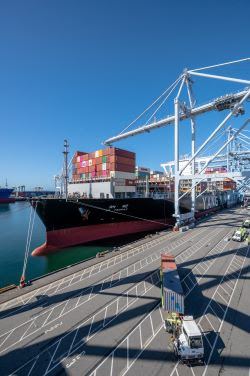
Strong consumer demand drives increase in trade for seventh consecutive month Rising consumer confidence lifted trade moving through the Port of Long Beach in March, marking the seventh consecutive month of year-over-year cargo growth. Dockworkers and terminal operators moved 654,082 twenty-foot equivalent units (TEUs) last month, an 8.3% increase from March 2023. Imports grew 8.4% to 302,521 TEUs and exports were down 21.3% to 105,099 TEUs. Empty containers moving through the Port jumped 28.9% to 246,464 TEUs. “Consumer demand remains strong and continues to drive cargo through this vital gateway for trans-Pacific trade,” said Port of Long Beach CEO Mario Cordero. “We will continue to build the infrastructure that will allow us to grow our trade strategically and sustainably.” “Steady cargo flows lead to steady jobs for our dedicated workforce,” said Long Beach Harbor Commission President Bobby Olvera Jr. “We will continue our role as the Port of Choice by moving cargo quickly, reliably and sustainably while providing outstanding customer service.” The Port has moved 2,002,820 TEUs during the first quarter of 2024, up 16.4% from the same period in 2023. Complete cargo numbers here
Episode 477: 3PL insights with Bulu CEO, Paul Jarrett
In this episode, we dive into a conversation that reshapes how we think about logistics and 3PL selection. We’re talking with Paul Jarrett, CEO of Bulu. They’re not just a logistics company; they’re revolutionizers of the “tricky ship” model. From a unique start to leading logistics innovation, Bulu’s story is nothing short of inspiring. Paul’s passion for helping brands succeed and improving logistics is evident as he offers honest advice for 3PL selection. The Origin Story of Bulu Bulu started with a problem. A big one. “What we do now is actually the very first problem that we encountered about 12 years ago,” says Paul. This journey from a fledgling subscription box to a logistics titan is a masterclass in evolution. He adds, “Not having external third parties… impacting decision-making was the thing, where after ten years, we really saw a path to have a great long-term business that solves hard problems for people just like us”. Training with big brands taught them “the hardest sort of logistics” and funded their Ph.D. in logistics. Their story? It’s about growth. It’s about learning. Enter the “Tricky Ship” “Imagine if we worked with brands of any size and could offer them unlimited sales channels,” Paul muses. This idea birthed the tricky ship model. It’s not just about sending packages. It’s about breaking free from old chains. It’s about setting brands up for unimaginable growth. As Paul shares, this strategy is paying off: “We’ve landed like 30 additional clients in the past 60 to 90 days.” With a passion for leveling the playing field for small brands, Paul finds there’s nothing better than “Truly helping people with a good product compete in the market.” Removing the Complexity Paul insists on simplicity: “There’s a lot of things out there where software people neer experience a warehouse floor, and it just doesn’t work that way. You can’t give somebody something complicated.” Their tech? It’s as easy as your favorite app. “It’s gotta be no more complicated than whatever the most popular social media app is.” This approach makes their system approachable. It’s for everyone, from warehouse staff to top executives. Gazing Into the Future with Bulu Paul sees a future rich with AI and automation. “I think a lot of the traditional issues that have happened in logistics are going to be solved through AI.” Yet, he believes in the power of the human touch. “At the end of the day, somebody or something has to pick something up and get it where it’s gotta go.” He envisions a workspace where technology elevates human effort. “People walk into a warehouse, they put on glasses, and they can just follow what the screen says.” It’s about making the future accessible today. The New Warehouse Podcast Episode 477: 3PL Insights with Bulu CEO, Paul Jarrett
Escalating Middle East Tensions trigger projected surge in war risk premiums and freight rates

In a significant escalation of tensions in the Middle East, Iran’s capture of the MSC Aries, a container ship linked to Israel, has reverberated throughout the maritime industry. This development, occurring before the missile attacks on Saturday, April 13, 2024, underscores the deepening conflict in the region. Believed to be in response to an Israeli raid on the Iranian consulate in Syria, the capture has heightened concerns about the security of key trade routes and the stability of regional hubs like Jebel Ali. Furthermore, Iran launched a coordinated attack on Saturday, April 13, 2024, involving hundreds of drones and missiles against Israel. Despite support from allied forces (France, the United Kingdom, and the United States), Israel intercepted most of the projectiles, but the incident has raised fears of wider escalation and disruptions to maritime operations. This latest development follows Iran’s seizure of a container ship linked to Israel near the Strait of Hormuz, further intensifying concerns about the security of vital trade routes and the stability of regional hubs like Jebel Ali. As the situation unfolds, stakeholders are closely monitoring developments and preparing for potential impacts on global trade and shipping markets. The situation remains fluid, with potential shifts dependent on Israel’s response. “Regardless of immediate outcomes, we anticipate heightened uncertainty in shipping markets. This comes at a time when tensions have already been simmering since the end of November, particularly in the Bab-al-Mandab strait and the Red Sea. Now, the Strait of Hormuz emerges as a new focal point, with significant implications for Dubai, specifically Jebel Ali, a core transhipment hub in the region.” shared Christian Roeloffs, cofounder and CEO of Container xChange, an online platform for global container trading and leasing. “As far back as December, we highlighted the vulnerabilities in key maritime routes, such as the Bab-al-Mandab strait, emphasizing the potential implications for global trade and shipping networks if the disruptions spread to e.g., the Strait of Hormuz. With the recent events, these concerns have flared up.” “The Strait of Hormuz’s strategic importance, coupled with its role as a key transit point for maritime traffic, emphasizes the significance of this latest escalation. Furthermore, the implications extend to major transhipment hubs like Jebel Ali in Dubai, amplifying the potential impact on regional trade and shipping operations.” We are closely monitoring the situation and will keep you informed of any changes in container prices and leasing rates. As always, our priority is to support you through these dynamic market conditions. Christian further cautioned that the war risk premiums will increase, leading to heightened volatility in shipping markets. “We anticipate that freight rates may rise in response to the increased tension and uncertainty. Furthermore, while the possibility of diversions around the region, potentially impacting hubs like Jebel Ali, exists, we believe it’s unlikely given the hub’s importance in global shipping networks.” “Recent incidents, including Iran’s seizure of vessels in the past, highlight the region’s geopolitical complexities. This latest escalation, in response to an attack on the Iranian embassy in Damascus, further emphasizes the fragility of regional stability and its potential impact on the global economy.” “As tensions continue to escalate, the question of what comes next looms large. The potential spread of conflict from the Red Sea into the Strait of Hormuz raises concerns about the broader regional and global implications of this localized conflict.” Renowned as one of the world’s most strategically significant chokepoints, The Strait of Hormuz connects the Persian Gulf with the Gulf of Oman and the Arabian Sea, making it vital for global energy security. Any disruptions in the region can have immediate implications for global oil markets, affecting oil prices, shipping routes, and energy security worldwide.
Hyster recognizes Dealers of Distinction for 2023

Hyster Company has announced the recipients of its 2023 Dealer of Distinction award, recognizing individual dealer performance and success during the year, and their commitment to customer satisfaction and overall excellence. The award honors dealer partners that have exhibited focused leadership and continue to drive their organizations to the highest level of performance in all functional areas of materials handling. “Customers continue to face an increasingly demanding landscape, making the support and expertise of our dealers all the more critical, whether they’re addressing a maintenance issue, finding the right forklift for the customer’s operation or selecting a motive power source,” says Bob Sattler, Vice President, Dealer Business Development. “Our Dealer of Distinction recipients have risen to these challenges and beyond, and the consistency with which they stand out among such a large, talented dealer network is extraordinary.” To receive the award, dealers must meet rigorous business practice standards and performance criteria that are assessed and modified annually to ensure they align with evolving customer expectations and industry demands. 2023 Dealer of Distinction recipients North America Alta Material Handling – Eastern Michigan, New York Metro Briggs Equipment – Gulf Coast Burns Industrial Equipment – Cleveland, Pittsburgh Deep South Equipment – Legacy, Oklahoma Eastern Lift Truck Co. – Baltimore DC-DE, North Jersey Fairchild Equipment – Wisconsin North, Wisconsin South Gregory Poole Lift Systems – Carolinas, Virginia LiftOne – North, South, West, Central Medley Material Handling – West MH Equipment – Great Plains, Illinois, Indianapolis, Iowa, Kentuckiana, Ohio North, Ohio South Papé Material Handling – Central Washington, Eugene, Fremont, Fresno, Portland, Sacramento, Seattle, Southern California – North, Southern California – South, Spokane Latin America Avelino – Dominican Republic Briggs – Mexico LMA – Argentina
Carolina Handling names Joe Perkins Chief Operating Officer

Perkins has served as executive vice president of operations at Carolina Handling since April 1, 2020. He joined the company in 2012 as a sales representative, moving up to sales manager, corporate warehouse solutions manager, director of warehouse products and solutions, and vice president of operations before being named to the executive team. Under his leadership, Carolina Handling received the 2021 award for Best Service Performance among all dealers in The Raymond Corporation network. “Joe has shown incredible leadership as a member of our executive team, working tirelessly to not only elevate our organization in the material handling space but also to help individual associates develop and realize their career goals,” said Carolina Handling President & CEO Brent Hillabrand. “I’m delighted to announce his well-deserved promotion to Chief Operating Officer.” As COO, Perkins is responsible for the company’s service, power management, continuous improvement, distribution, rentals, parts and quality assurance teams. He also will oversee the Intralogistics Solutions Group as Carolina Handling continues its evolution from a forklift-only provider to an end-to-end intralogistics solutions company offering a broad range of consulting, connected technologies, material handling equipment and service to support the growing and changing needs of the material handling industry. “This is an exciting time to be in material handling and I look forward to helping Carolina Handling continue to strengthen its brand as an experienced and reliable integrated solutions provider and employer of choice,” Perkins said. “Our goal is to be a problem solver for our customers, helping them accomplish their goals most effectively.” A native of Goldsboro, North Carolina, Perkins is a graduate of the University of Mt. Olive in Mt. Olive, North Carolina. He resides in Denver, North Carolina, with his wife and three children.
Women In Trucking Association names Sarah Ruffcorn the 2024 Distinguished Woman in Logistics
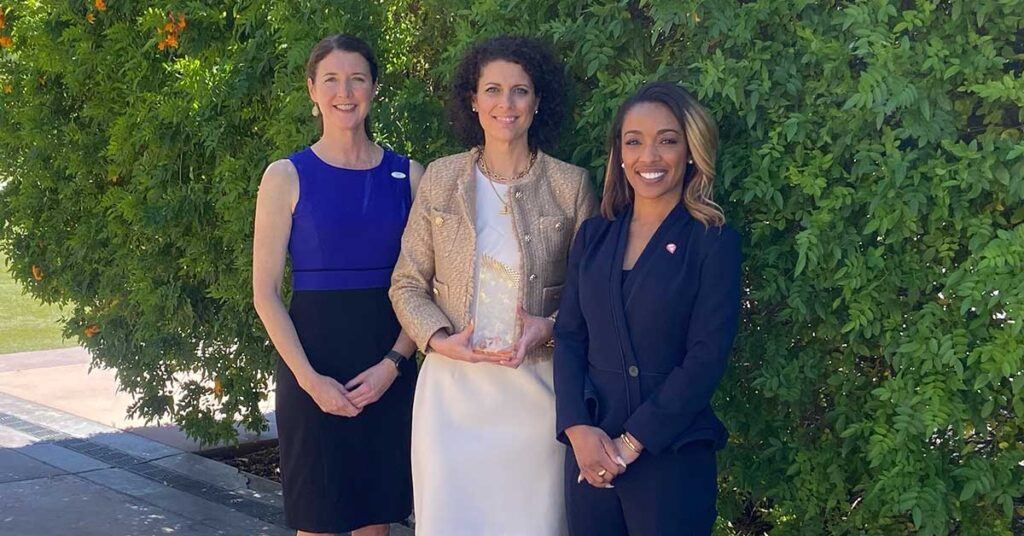
The Women In Trucking Association (WIT), Truckstop and Transportation Intermediaries Association (TIA) has announced Sarah Ruffcorn president of Trinity Logistics as the winner of the 10th annual Distinguished Woman in Logistics Award (DWLA). Ruffcorn was chosen among three finalists for the award. The other finalists include Sherri Garner Brumbaugh, president and CEO, Garner Trucking, Inc. and Ramona Hood, president and CEO, FedEx Custom Critical, Inc. The finalists and winner were recognized today during the TIA 2024 Capital Ideas Conference & Exhibition. “We are thrilled to recognize Sarah as the 2024 Distinguished Woman in Logistics, particularly on the ten-year anniversary of this award,” said Jennifer Hedrick, WIT president and CEO. “Sarah’s significant career accomplishments and passion for mentoring others embody the key characteristics of this honor.” Ruffcorn is responsible for leading a complex People-Centric freight solutions company arranging freight for businesses of all sizes utilizing truckload, less-than-truckload, drayage, intermodal, expedited and technology solutions. Ruffcorn joined Trinity Logistics in 2002 following completion of her Bachelor of Arts in Organizational Communications from Western Illinois University. Her natural curiosity and commitment to excellence led her to roles with increasing responsibility and leadership positions planning, designing, and executing key strategic initiatives. Her broad experience includes compensation design and implementation, internal and external technology implementations, multiple organizational structure designs, enterprise strategy sessions and execution. She has continued her education with executive education programs focused on strategy, finance, and leadership to include attending the Wharton School of Business. “Sarah could not be more deserving of this award! She joins the ranks of distinguished women who have been recognized for their contributions to the industry,” said Anne Reinke, president & CEO, TIA. “Sarah invests in her people and the industry with her whole heart, and we at TIA are lucky to have her as a leader on our Board of Directors.” A champion for servant leadership, Ruffcorn has a strong passion for coaching and mentoring others to help them work at their highest potential and serve others with a dedicated focus on improving people’s lives. Trinity has seven regional service centers, team members working in more than 25 states and more than 130 agent offices nationwide providing creative logistics solutions. Ruffcorn leads all aspects to include strategy, engagement, customer experience, execution, growth, and profitability. “Sarah, Sherri, and Ramona each embody the esteemed leadership qualities celebrated by the Distinguished Woman in Logistics recognition,” said Kendra Tucker, chief executive officer, Truckstop. “We extend our congratulations to Sarah for this prestigious honor, as she persists in her dedication to improving the freight transportation industry and her passionate commitment to guiding and mentoring others to realize their full potential.” In the community, Ruffcorn currently serves on the TIA Board of Directors, is chair of the TIA Women in Logistics Committee, and Tidal Health Medical Partners Board of Directors. She was awarded the 2015 Delaware Business Times Best 40 under 40 award for being one of the region’s “best & brightest young professionals” and nominated as a top 5 finalist for the 2019 “Distinguished Woman in Logistics” award.
Creform workstation provides better space utilization on production floor space
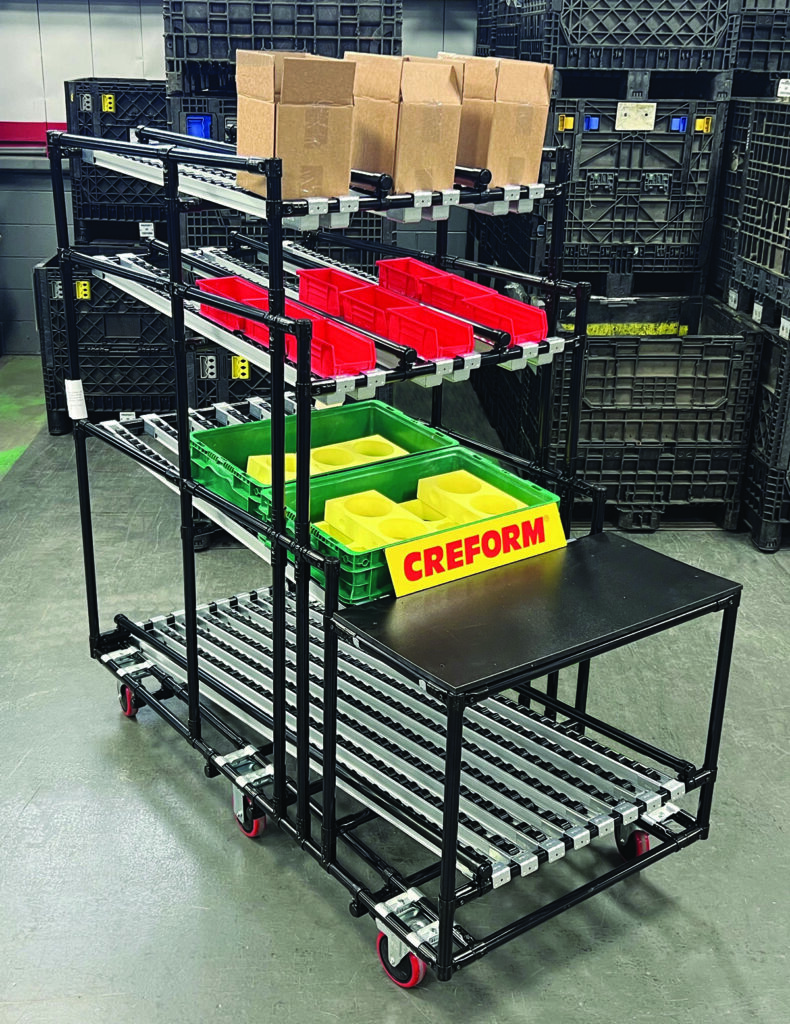
Creform Corporation has developed a mobile sub-assembly workstation that helps an auto parts supplier enhance the space utilization on its production floor. The workstation is flexible and adaptable to different production needs. The mobile assembly station features Creform skate wheel conveyors on three supply levels and one return level for product presentation and flow. Lane dividers are located on the second and third levels to organize the boxes to a specific lane. Each of the flow levels can be repositioned with only simple tools and with the stair-stepped design, each level can be raised or lowered without changing the length of the conveyor. At the front of the workstation is a high-density polyethylene (HDPE) work surface, designed for assembling components in process. This setup allows workers to concentrate on details, ensuring better quality control. Additionally, the sub-assembly station offers valuable training opportunities for new employees, allowing them to learn essential skills in a controlled environment by focusing on specific tasks or components. Due to the flexibility of the Creform system of pipe and joints, the custom configurable workstation, with dimensions of 30″ W x 63″ L x 63″ H, allows the manufacturer to optimize its floor space. The workstation is designed to hold up to 1500 lb. and features four swivel lock casters and two fixed casters in the center both for structure stability and mobility. It is built with black plastic-coated steel pipe and black-plated metal joints. The structure is built with the 28mm system of pipe and joints. However, higher capacity and and configurations are possible with Creform’s 42mm product line. The 42mm product line integrates seamlessly with the 28mm system if needed or can be a stand-alone system. Creform skate wheel conveyors are sturdy and made with durable materials to ensure a robust and long-lasting flow rack. Designed to withstand the demands of the toughest industrial environments. Assembled structures are a great starting point for any user. After delivery and introduction, a user can take advantage of Creform’s flexibility by changing the station’s configuration and features to best match the needs of its production process and associates. Useful accessories for such a station include overhead light, computer screen, shelves, additional flow lanes, drawers, information sheet holders, label holders, tool storage, and hooks to hang tools and supplies. All Creform workstations can be configured for ESD components when sensitive electronics need to be protected. Available as a kit or an assembled structure or in the component form for a complete DIY solution.
SIBERprotect™ delivers automatic cyber response solution for industrial OT systems
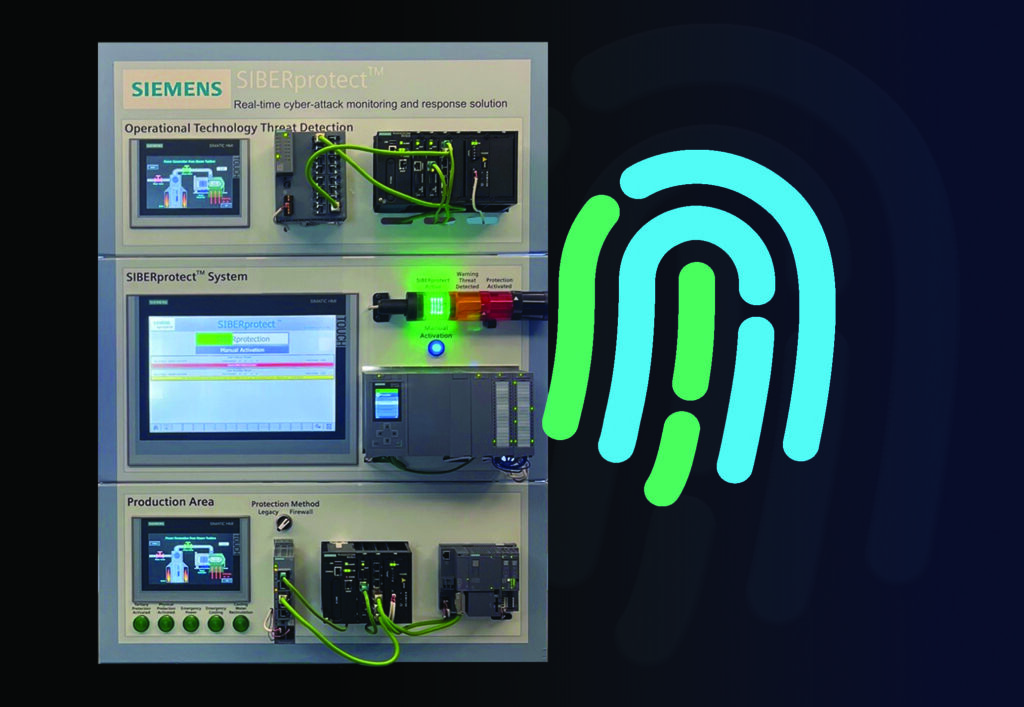
Advanced, real-time, cyber-attack response limits the impact within milliseconds at machine speed, isolates and quarantines the infected production equipment to facilitate faster resumption of normal operations Following years of technical development and operational implementation design, Siemens introduces SIBERprotect for protection of critical infrastructure and OT systems at various industrial concerns, including power plants, water treatment facilities, all types of discrete manufacturing enterprises, military depots, data centers and control stations. SIBERprotect brings the SOAR (Security, Orchestration, Automation, Response) concept to cyber-physical systems with an OT-friendly and OT-managed methodology. SIBERprotect can respond to and dramatically limit the impact of a cyber attack within milliseconds, resulting in the identification of the infected production equipment groups or plant networks and enabling full visibility and a fast initial response at the automation system level. This quick response leads to much easier remediation and resumption of normal operations, usually in less than a day. Working in conjunction with Siemens SCALANCE S industrial security appliances, SIBERprotect can securely place OT into a safe, isolated condition, after determining the credible identification of a cyber-attack through best-in-class threat detection technology, including Intrusion Detection Systems, Next Generation Firewalls, Endpoint Solutions, Threat/Risk Intelligence and other attack or intrusion detection platforms, often enhanced with AI and machine learning capabilities. SIBERprotect then initiates a rule-based notification, network isolation and equipment management sequence to protect the selected equipment, as well as other desired response actions. Rapid assessment and remediation can then be performed, vastly limiting the risk of additional malware contamination. Work cells and equipment clusters can continue operation, while SIBERprotect prevents decontamination during remediation. SIBERprotect further provides detailed situational awareness, alerting operators to the exact nature of the threat, where it was detected in the network and a criticality level. This level of immediately available detail allows the response engine to simultaneously execute emergency measures to alleviate predetermined worst-case scenarios. Unlike a conventional system that merely sends messages to an SOC (Security Operations Center), the SIBERprotect system is linked directly to network firewalls, automation hardware and a prioritized system of alarms to facilitate isolation of equipment and jumpstart the cyber incident response. After a thorough introduction to SIBERprotect, many automation engineers label it a cyber safety system or Cyber-SIS. Other key features of SIBERprotect include the ability to automatically activate emergency backup equipment, interface with legacy technology such as Ethernet hubs, recover one segment or “restore all” functionality, isolate from the site IT network to prevent attack and provide all the benefits of a truly industrial solution. As Chuck Tommey, a digital connectivity executive with Siemens, explains, “SIBERprotect represents the reimagining of how to do SOAR, that is, Security, Orchestration, Automation and Response, where an alert was typically sent to an SOC, then reviewed by a security analyst and addressed 30 minutes to hours after initial detection. Meanwhile, a virus could spread throughout a line or the entire plant. What Siemens is doing with SIBERprotect is sending the alerts directly to a PLC for instant action, based upon a predetermined priority of status and threat levels.” Tommey notes that the PLC parses the messages for its criticality level and instantly responds. (See the video below for a demonstration.) SIBERprotect is part of the overall “Defense In Depth” suite offered by Siemens in compliance with IEC 62443, the international standard for industrial cybersecurity.
H&E Equipment Services signs definitive agreement to acquire Lewistown Rental and affiliated companies

H&E Equipment Services, Inc. has announced the signing of a definitive agreement to acquire Lewistown Rental, a Lewistown, Montana-based equipment rental business and three of its affiliated rental operations in Havre, Glasgow and Great Falls, Montana. Each location serves multiple end markets, including non-residential, industrial and agriculture. The company and its affiliates deploy a diverse fleet of equipment with a total estimated fleet value, as measured by original equipment cost, of $28.5 million. The transaction is expected to close in the second quarter of 2024, following the satisfaction of customary closing conditions. Brad Barber, chief executive officer of H&E, stated, “Lewistown Rental, together with its affiliated operations, has demonstrated impressive growth over the past several years by addressing a unique customer base across underserved markets in northern and central Montana, utilizing a diverse and comprehensive mix of equipment. Growth prospects in this region and across the state of Montana continue to improve, with rising demand in non-residential construction, including commercial and infrastructure projects, industrial activities and agricultural production. The transaction is expected to complement our existing branch locations in the cities of Billings and Belgrade.” Following the close of the transaction, H&E’s equipment rental operations will extend across 145 locations in 30 states.
TGW Logistics and OPEX®Corporation form a strategic partnership
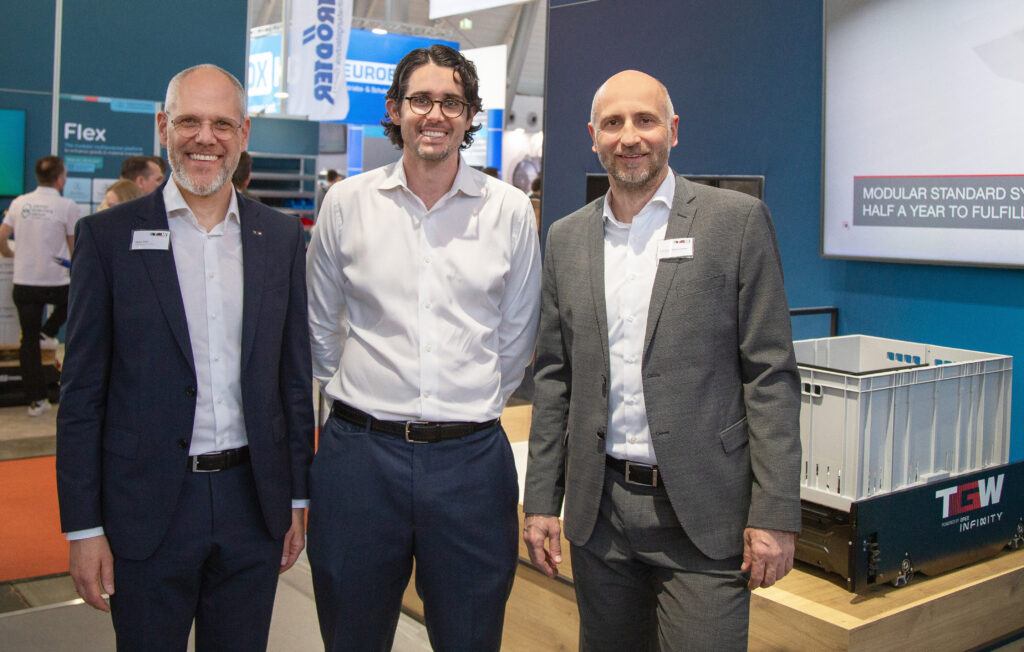
The two internationally active automation specialists recently signed a strategic partnership agreement. As part of the collaboration, TGW Logistics is channeling its experience into the further development of OPEX® Corporation‘s Infinity® automated storage and retrieval (AS/RS) technology, which will also be implemented in LivePick, TGW Logistics’ innovative new order fulfillment system. OPEX is a global leader in Next Generation Automation, developing advanced solutions for warehouse, document and mail automation. The family-run company, founded in 1975, is headquartered in the US and employs over 1,500 people on five continents. TGW Logistics was founded in 1969, has more than 4,400 employees and is counted among the leading global intralogistics specialists. The company is headquartered in Marchtrenk (Austria) but serves various noteworthy customers in the U S through its unit in Grand Rapids (Michigan), including Gap, Urban Outfitters, and Victoria’s Secret. Longstanding experience, shared values Not only do OPEX and TGW Logistics each boast approximately 50 years of experience in the automation industry, but they also share values and a strong focus on corporate culture. The award-winning OPEX Infinity AS/RS system represents unlimited flexibility and scalability in terms of throughput and storage capacity, making it the ideal solution for small and medium-sized fulfillment projects. Infinity robots can move freely along both the vertical and horizontal axes, ensuring highly efficient use of the available space. Infinity stands out from the competitors’ technology by providing up to 35 percent greater storage capacity within the same footprint, as well as up to 65 percent higher efficiency in terms of the routes the robots take through the rack. “OPEX is thrilled to be partnering with TGW Logistics to build upon our groundbreaking Infinity AS/RS technology,” states Alex Stevens, President, Warehouse Automation, OPEX. “We have always admired TGW’s technology, experience, and quality – by combining that with our innovation and product experience, this partnership is sure to result in full solutions that will delight our customers.” Collaboration milestone “We are very excited about our partnership with OPEX. Common values and a strong focus on corporate culture brought us to this strategic milestone,” affirms Christoph Wolkerstorfer, Chief Technology Officer of TGW Logistics. “With our experience as a systems integrator, we will bring fresh momentum to the optimization and further development of Infinity as part of this collaboration.”
AutoScheduler named winner of the SAP Innovation Awards 2024
AutoScheduler.AI, an innovative warehouse orchestration platform, announces that the company has been selected as a winner of the SAP Innovation Awards 2024. AutoScheduler won in the Partner Paragon category. AutoScheduler submitted the winning entry, “Game-changing warehouse planning and orchestration,” which stood out among nearly 160 submissions as one of the most captivating and inspiring examples of innovation. “We are truly honored to be selected for this prestigious award for our work for clients, which unlocks higher labor and equipment utilization, reduces labor costs, and increases order fulfillment,” says Keith Moore, CEO of AutoScheduler. “The SAP technology platform and solutions have simplified the development and rollout of AutoScheduler, easing integration and deployment in customer environments.” “Congratulations to the 2024 SAP Innovation Awards participants! Your incredible achievements in sustainability, adoption, AI, and all the other areas that help improve people’s lives embody the spirit of our cofounders’ vision and demonstrate the positive impact we can create together. Thank you for helping us continue to help the world run better,” says Juergen Mueller, Member of the Executive Board and Chief Technology Officer of SAP SE. The SAP Innovation Awards serve as a platform to showcase how SAP solutions enable SAP partners to differentiate themselves, achieve remarkable results, and adapt to customers’ ever-changing needs. Through the SAP Innovation Awards program, SAP aims to recognize forward-thinking customers and partners who have leveraged cutting-edge SAP products and cloud technologies, including Artificial Intelligence (AI) or generative AI. AutoScheduler.AI is here to make the warehouse sexy. It launched a warehouse orchestration platform, AutoScheduler, in August 2020 to help perform advanced warehouse planning with predictive decisioning and prescriptive analytics. Supply chain teams are often tasked with finding or creating novel solutions because so many sites struggle to manage and plan labor while increasing on-time and in-full (OTIF) delivery. With its deep background in machine learning, AutoScheduler provides value by ensuring every site has a perfect plan to deliver.
Trelleborg tires announces a global increase

Trelleborg Wheel Systems has announced that they will be implementing price increases effective May 2024. In a press release to Material Handling Wholesaler, it states starting from May 2024 Trelleborg tires will increase prices globally by up to 5% across all segments. This price adjustment is a result of strong inflation over the last two years, a rise in the cost of raw materials, and higher inbound logistic costs. Specific details regarding the actual price change will be communicated directly to customers by Trelleborg tire representatives in each market. Trelleborg tires is a global brand delivering advanced solutions for professionals in Agriculture, Material Handling, and Construction. Trelleborg anticipates customer needs with a wide range of high-performing tires and complete wheels for off-highway vehicles, improving productivity, efficiency, and environmental sustainability.