
New Thomson low-load Polymer Bushing Bearings
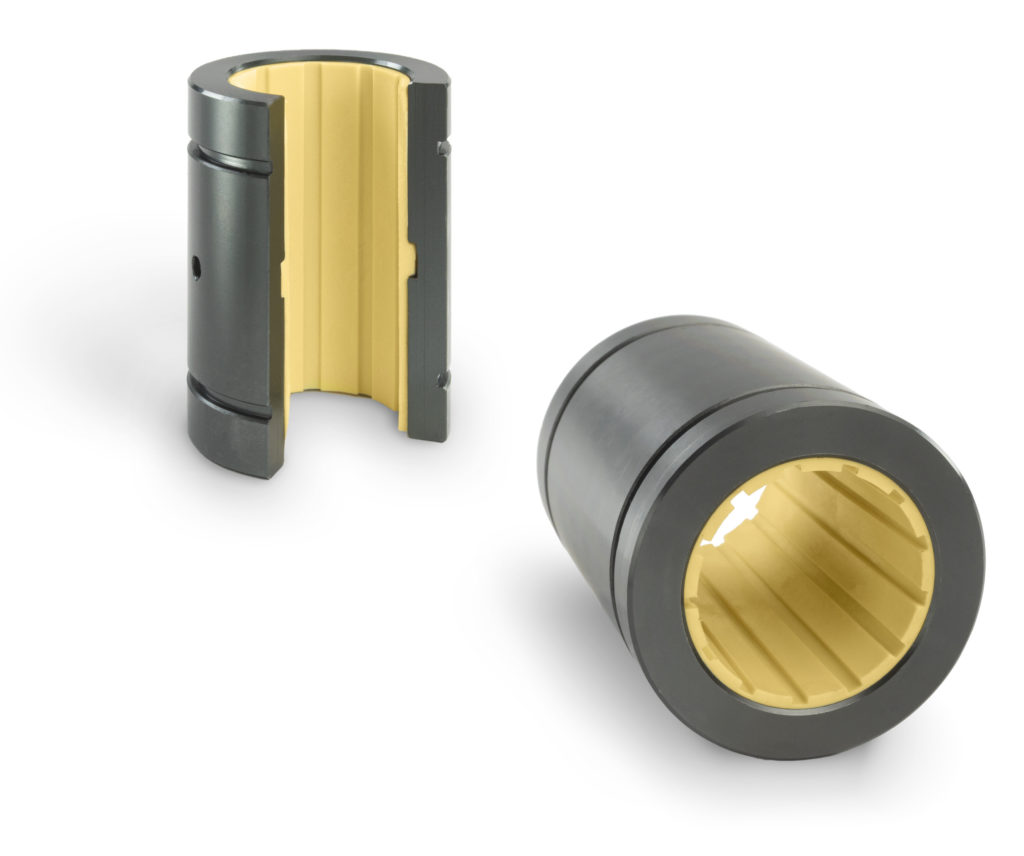
Thomson Industries, Inc., a manufacturer of linear motion control solutions, has added a polymer bushing to its line of state-of-the-art Ball Bushing® bearings. It expands the company’s extensive bearing portfolio, providing design engineers a new option that helps them avoid overdesigning for low-load applications. Thomson polymer bushing bearings provide a reliable solution for machines where moment load is non-critical (30-40 percent of linear applications) or contamination and temperature are concerns. These bearings are also useful for applications that require shafting that is not compatible with traditional Ball Bushings such as 316 stainless steel. Polymer bushing bearings can handle loads of up to 2,023 lbf (9 kN) and provide a corrosion-resistant alternative for low-load, low-speed applications in markets such as factory automation, robotics, health and fitness, medical automation, woodworking, packaging, food and beverage, and vending. “This new polymer bushing bearing expands the range of linear motion solutions that we offer to help our customers optimize their designs for performance and cost,” said Charles Isaac, Product Line Manager – Linear Bearings & Guides at Thomson. “This product adds to our portfolio by incorporating a metric plain bushing that also provides application flexibility for our customers.” Available in sizes of 6 to 50 mm (closed) and 10 to 50 mm (open), Thomson polymer bushing bearings resist dust and dirt, and operate maintenance-free with reduced noise in temperatures from -58˚F to 194˚F (-50˚C to 90˚C). They feature an anodized aluminum adapter and are available with aluminum pillow blocks. For more information on Thomson polymer bushing bearings, please click here – https://www.thomsonlinear.com/en/products/linear-bearings/polymer-bearings. The polymer bushing bearing is currently stocked in Marengo, IL, for fast delivery throughout North America.
Raymond Basics introduces Edge Lithium-ion Stacker

The Raymond Corporation announces the latest addition to its Raymond Basics product line with the Edge Stacker — a motorized, lithium-ion stacker with a 2,600-pound capacity. Ideal for light-duty applications, the Edge Stacker offers high maneuverability with the capability to lift loads as high as 140 inches. The Edge Stacker also features an electric lift, lower and travel to increase operator productivity as well as adjustable base legs to suit multiple pallet sizes and aisle widths. Available through Raymond’s e-commerce portal and a nationwide network of Solutions and Support Centers, the Edge Stacker and the entire Raymond Basics product line can be ordered and running quickly. Offering easy-to-use controls with enhanced ergonomic controls, like dual thumb controls for left- or right-handed users, the Edge Stacker is ideal for light-duty applications, including warehousing, distribution, home centers, and other facilities. The Edge Stacker also offers enhanced load stability and handling with its load backrest, which is included standard on all configurations. “The Edge Stacker, along with its budget-friendly price and short delivery time, helps customers perform a variety of tasks quickly and efficiently, giving operations a competitive advantage,” said Mike Distin, product manager for Raymond Basics. “The Edge Stacker offers enhanced productivity with electric travel, lift and lower as well as lithium-ion battery technology that offers faster charging and longer run-times.”
Nozomi Networks Labs Report: Ransomware Gangs and Supply Chain Vulnerabilities highlight risks as Law Enforcement fights back

While vulnerability disclosures increased 21% in the second half of 2021 and increasingly sophisticated criminal attacks made regular news, organizations are fighting back with targeted remediation efforts A new OT/IoT security trends report from Nozomi Networks Labs finds that while ransomware and Ransomware as a Service (RaaS) attacks continued to dominate cybercriminal activity in the second half of 2021, there was a slight uptick in state-sponsored actions as global tensions rise. Critical infrastructure such as healthcare, transportation, and food production is increasingly seen as highly vulnerable and lucrative targets based on their ability to disrupt society. More than 651 vulnerabilities were reported from July through December—a 21-percent increase over the previous six months. Supply chain vulnerabilities continue to offer the greatest opportunity to quickly spread damage across a wide range of products, service providers, or end-users. For the first time since Nozomi Networks began publishing the bi-annual report, there are early signs that defenders are maturing their strategies for security and resilience and maybe starting to gain an upper hand. In the second half of the year, international law enforcement agencies combined efforts to take down ransomware gangs, seize bitcoin bounties and make criminal arrests. And, in spite of predictions that the Apache Log4j vulnerability would be the most widely exploited security breach ever, the attacks have not seen the catastrophic loss that was predicted. “Security organizations and law enforcement are punching back,” said Nozomi Networks Co-founder and CTO Moreno Carullo. “We are seeing some good signs that more security professionals are modernizing their defenses to address both prevention and resiliency and that a post-breach mindset is paying off. Threats may be on the rise, but technologies and practices to defeat them are available now as we have greater insights into the nature of the vulnerabilities and attacks. We encourage more organizations to strengthen their security and situational awareness so they too are prepared in the face of an attack.” Nozomi Networks’ “OT/IoT Security Report” provides security professionals with the latest insights needed to re-evaluate risk models and security initiatives, along with actionable recommendations for securing critical infrastructure. This latest report includes: An overview of the threat landscape, such as: Notable ransomware updates An assessment of supply chain attacks in the second half of 2021 and The state of Access Brokers Markets The latest statics on ICS-CERT vulnerabilities – with a deeper dive into exploitation trends Remediation strategies to help ensure organizations stay ahead of emerging threats Related Resources: Read: OT/IoT Security Report Read the Blog Post: New Report: Trends and Countermeasures for Critical Infrastructure Attacks Sign Up for the Webinar: OT/IoT Security Review 2021 2H: Lessons for Critical Infrastructure
Mallard Manufacturing introduces new line of Ball Transfer Tables
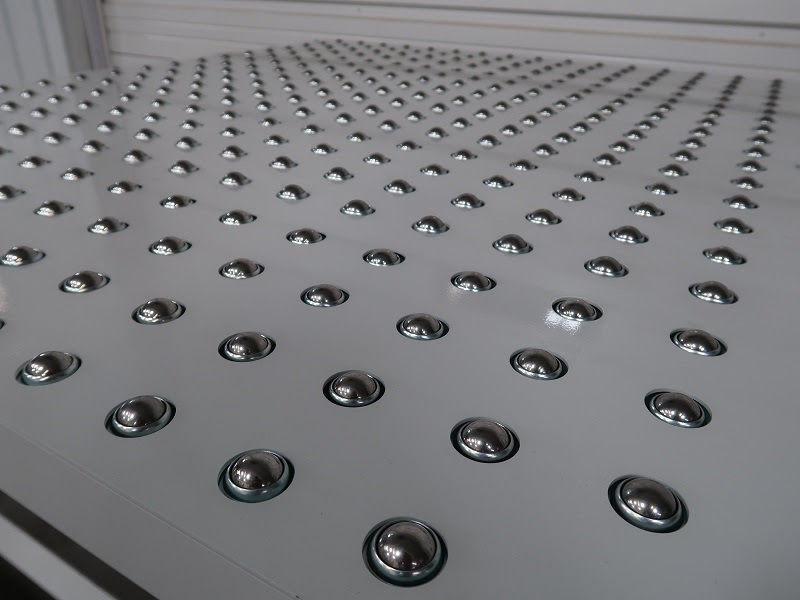
Gravity flow solutions manufacturer connects the Gravity Conveyor Dots to improve warehouse flow and workplace safety — Rotate, Transfer, and Push Heavy Pallets, Parts, and Inventory with Ball Transfer Tables Mallard Manufacturing, an industrial gravity flow solutions supplier, is excited to introduce a new product line of ball transfer tables as an extension of their popular gravity conveyor systems. Ball transfer tables are used to assist workers with manual handling and rotation of heavy pallets, parts, and inventory items. Ball transfer tables are wheel-embedded steel tables that assist workers in moving heavy items from one conveyor to another or from a conveyor to a workstation. Ball transfer tables can be integrated into a gravity conveyor line or used as a stand-alone workstation. Ball Transfer Tables Improve Productivity – 4 Common Configurations Improve inflow and outflow of pallets for assembly, pallet building, quality control inspection, and more Connect transition points of raised or floor-mounted conveyor lines for easy pallet rotation and transfer Improve ergonomics & productivity to minimize worker fatigue for heavy cartons & totes on raised workstations Maximize dock area for safer, more efficient staging & intake without forklifts Customers can work with the Mallard Manufacturing team to create a customized ball transfer table using 12” sections and a variety of features and options.
MyGovWatch.com expands AI-Powered Government leads platform to serve 200+ Industry Subcategories
No-Contract, No-Hassle, Industry-Targeted Leads from Every Level & Type of Government Buyer MyGovWatch.com, a government bid notification, and intelligence website have expanded its platform to more than 200 industry subcategories. At the same time, the company has announced users will now benefit from the deployment of a proprietary artificial intelligence (AI) engine to help route the exact right leads to companies large and small interested in government contracting opportunities. The site now features 24 top-level industry categories to include: Finance & Risk Marketing & Creative Services Supplies & Equipment Professional Services Arts & Culture Education & Training Food & Hospitality Government Support Health & Wellness Parks & Recreation Safety & Security Uniforms, Clothing & Laundry Construction & Trades Facilities, Property & Maintenance Agriculture & Natural Resources Waste & Disaster Management Fuel & Energy Aerospace & Defense Hardware & Industrial Infrastructure Transportation Information Technology Software Telecommunications Each top-level category contains up to 24 industry subcategories so that users can now set extremely granular preferences around their business interests in the B2G space in a way never before possible. Further, the AI engine learns as it goes, so that users benefit from continuous training on which procurement titles it routes to each of more than 200 industries. “These enhancements firmly position MyGovWatch to compete in the marketplace with anyone,” said Nick Bernardo, President, continuing, “I would like to thank our team for their amazing dedication to bring these enhancements to our users, and I am excited about future deployments we have in mind that will change the landscape of this space.” MyGovWatch has revolutionized how current and aspiring government contractors hear about and interact with leads by giving users the ability to get in where they fit it, through low-cost, no-contract monthly plans and transaction pricing on completing open records requests, for example. Whether you are a sole proprietor or large corporation, or anywhere in between, there is no better time to get started and compare us to your current provider. To get started with a 14-day trial, visit www.mygovwatch.com.
Robot sales in North America have strongest year ever in 2021
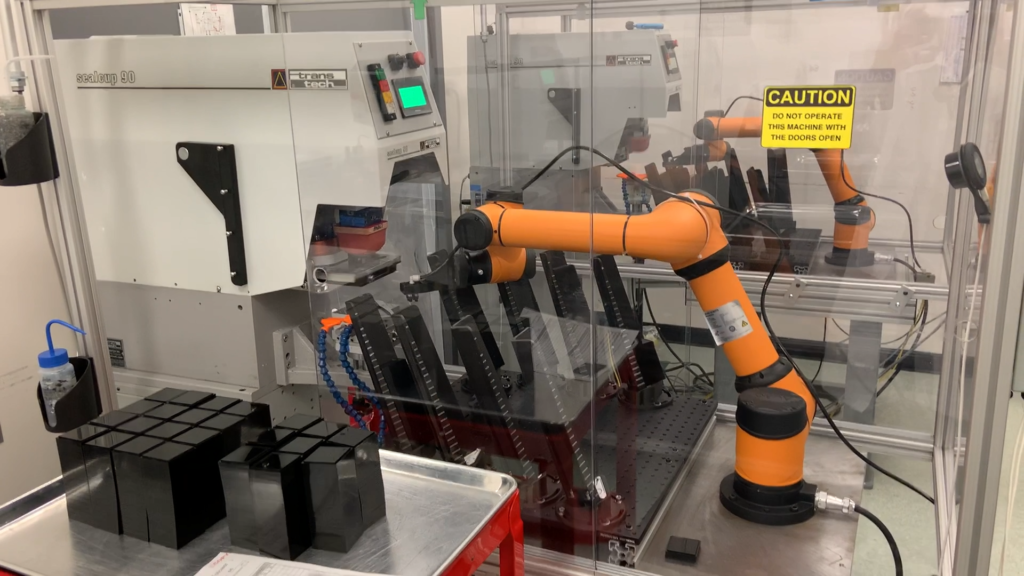
New Association for Advancing Automation (A3) report shows $2 billion in sales (39,708 units) in 2021 – up 28% over 2020 and 14% ahead of the previous high in 2017 Propelled by a surge in non-automotive sectors, the number of robots sold in North America set a new record in 2021, with 39,708 units sold at a value of $2 billion, a 14% increase over the previous high in 2017. According to new industry statistics released today by the Association for Advancing Automation (A3), the number of robots sold in 2021 rose 28% over 2020. Record robot sales in the fourth quarter of the year—up 9% over Q4 2020—demonstrated the strong momentum already realized through the previous nine months as more industries look to automation to increase productivity and alleviate ongoing labor shortages. “More industries recognized that robotics could help reverse productivity declines and fill repetitive jobs human workers don’t want. It is no longer a choice whether to deploy robots and automation,” said Jeff Burnstein, president of A3. “It’s now an absolute imperative. As we’ve long believed—and users continue to confirm—robots help companies compete, ultimately creating more jobs to handle their growth.” 2021 shows a continued trend of non-automotive ordering more robots Non-automotive orders now represent 58% of the North American total. Unit sales to non-automotive industries saw the following increases in 2021 over 2020: Metals: up 91% over 2020 Food and Consumer Goods: up 29% Semiconductors and Electronics/Photonics: up 2% Plastics and Rubber: up 4% Life Sciences/Pharma/Biomed: up 4% All Other Industries: up 65% “Improvements in technology, new financing models, and simpler applications continue to be positive trend lines leading into 2022, in particular helping small companies automate and join the global stage,” Burnstein added. “Hiring technicians and machine operators in the Bay Area is always difficult, and it became even harder during the pandemic,” said Joe Montano, president and CEO of Delphon, a customer of A3 member Rapid Robotics. “Meanwhile, a new generation of rentable robots had made the costs feasible for facilities like ours to make a measured entry into automation. By hiring robots to operate machines for pad printing and component cleaning, we were able to redeploy eight operators to other jobs and see a $70,000 return on investment in less than a year.” Q4 sales and value explained October through December of 2021 marked the highest and second-highest quarter on record for units and revenue, respectively. Non-automotive customers ordered 6,618 robots in Q4, which represents 61% of the total units ordered. Automotive-related customers purchased 4,211 units, 39% of total orders. The following non-automotive industries in Q4 saw increases over the same quarter in 2020: Metals: Up 23% Food and Consumer Goods: Up 14% Semi and Electronics/Photonics: Up 12% Plastics and Rubber: Down 25% All Other Industries: Up 74% Learn more at Automate, June 6-9, in Detroit; Registration open Registration for Automate 2022, North America’s leading automation trade show and conference, is open at https://www.automateshow.com. The event, scheduled for June 6-9 In Detroit, hosts the industry’s leading manufacturers and system integrators in robotics, machine vision, motion control, artificial intelligence, and smart automation.
Robroy Enclosures adds 1000 ton press to meet increasing customers’ needs
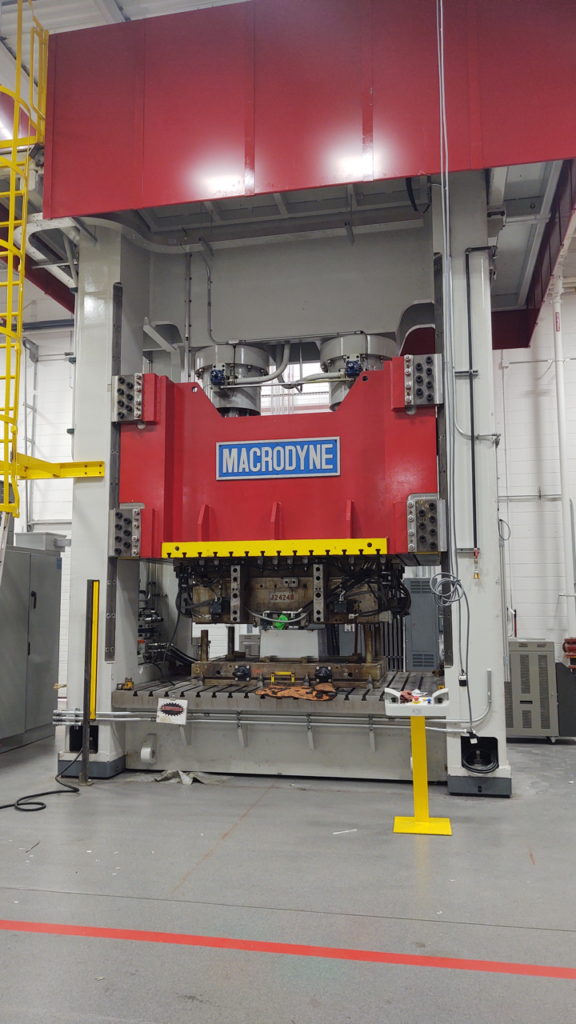
Robroy Enclosures® –- manufacturers of Stahlin: the world’s most specified fiberglass electrical enclosures; and AttaBox: innovative polycarbonate industrial enclosures – has acquired a new custom-built 1,000-ton hydraulic press featuring an extra-large platen. “We are fortunate to be experiencing a rapidly growing demand for large size non-metallic electrical and industrial enclosures,” explains Craig Mitchell, president of Robroy Enclosures®. “This new press gives us the capacity to meet the requirements of our customers and to provide the sizes of product they need, when and where they need those enclosures.” The new 1,000-ton press is fully operational. Facility modifications to accommodate the new capacity equipment were achieved without any disruptions to existing production or customer deliveries. Installation of the press also took into consideration the potential need for future production enhancements. Robroy Enclosures® offers the most extensive selection of non-metallic enclosures available for meeting the needs of diverse industries, interior and exterior applications, appealing aesthetics, and physical property performance standards including NEMA 4X and NEMA 6P integrity.
Güdel Americas provides Innovative Automation Solutions and support for the region

Güdel, a global manufacturer of linear motion modules, robot track motion units, and gantry robots and components, has announced the formation of Güdel Americas, which brings together Güdel’s existing entities in the United States and Mexico to better serve customers. This alignment, and a new regional strategy for growth, will provide customers in the Americas with improved responsiveness, access to spare parts, and local service and support. “The integration of our North American entities into Güdel Americas is the beginning of great things as we continue to provide high-quality, innovative solutions in the Americas,” says David Treutle, Managing Director. “This reorganization will bolster production capacity and reduce lead times.” Güdel Americas will focus on controls software engineering for the future development of the Güdel Global Controls Center of Excellence. The field service team will continue to provide the same high level of service and installation support it currently delivers while adding greater reach and response times throughout the Americas. Based in Langenthal, Switzerland, Güdel is part of a family-owned business in its third generation. The company was founded in 1954 and has grown from a single precision machine shop to a leading global automation solutions business with operations in more than 20 countries. Güdel is known for manufacturing a full line of high-performance linear motion components, which are the building blocks for reliable linear motion modules, gantries, and press automation systems. Güdel Americas’ locations in the United States and Mexico will provide agile, world-class engineering and manufacturing locally to serve customers and grow the company’s regional footprint. Güdel continues to develop new products with the customer in mind and make significant operational changes that enhance the overall customer experience. By adapting to market demands, the company will improve performance and flexibility to meet all requirements in a demanding business environment.
Civan’s OPA 6 Weld Dynamic Beam Laser wins Prism Award
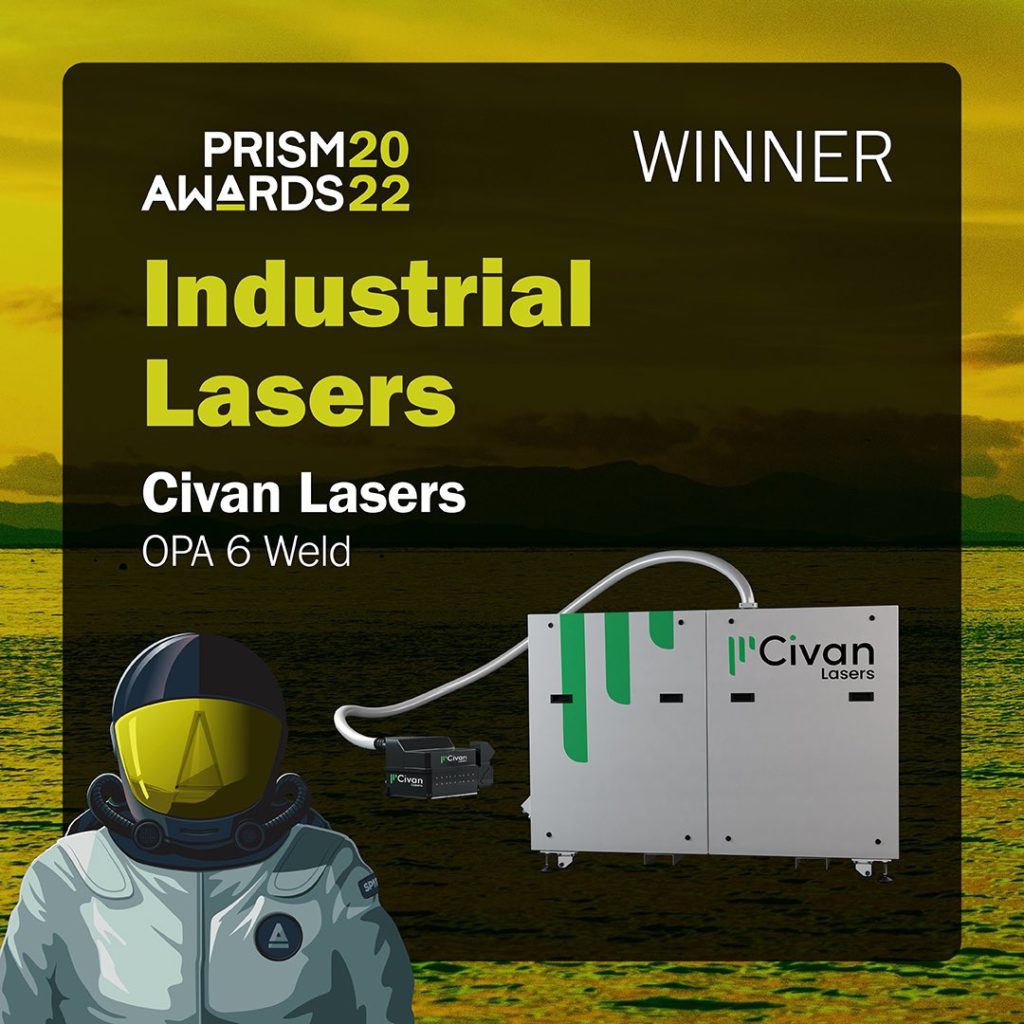
Civan’s OPA 6 Weld, an entirely new class of laser that modulates beam shape at MHz rates without any moving parts, has received the 2022 Prism Award for Industrial Lasers Civan Lasers has received the prestigious 2022 Prism Award in the industrial lasers category. Civan was recognized for its OPA 6 Weld, a 7–14 kW single-mode CW dynamic beam laser (DBL) last week following a festive reception during SPIE Photonics West, by SPIE, the international society for optics and photonics, and Photonics Media. Based on Civan’s patented coherent beam combination, the DBL modulates beam shape as desired at speeds up to hundreds of megahertz without any moving parts. This entirely new category of lasers uses optical phased array coherent beam combining to merge many single-mode laser beams into a larger beam. Each laser’s light overlaps with other beams in the far-field, creating a diffraction pattern that allows manipulation of the beam shape in real-time. Phase modulators control the individual beams, and the resulting interference pattern can be adjusted to maximize the beam spot position and produce various shape patterns inscribed by the beam’s motion. In addition to controlling beam shape, Civan’s DBL also enables control of shape frequency, shape sequence, and depth of focus. The ability to control these parameters is a powerful tool for optimization of evaporation in the capillary, flow in the molten pool, and solidification of the melt for any laser materials processing application. Such control does away with pore, spatter, and crack formation while increasing feed rates and speeds in welding and additive manufacturing applications. “We are honored to receive this prestigious award, as it substantiates that Civan Lasers is the only company in the world that has been able to commercialize coherent beam combining technology for high-power applications,” says Civan CEO Dr. Eyal Shekel. “It also validates the strong impact that our dynamic beam-shaping lasers will have in the industrial laser materials processing market by helping to not only improve welding feed rates and additive manufacturing speeds but also to make new applications possible.”
EP 251: Vimaan
In this episode, I was joined by the founder and CEO of Vimaan, KG Ganapathi. Vimaan has just recently come out of stealth and is utilizing computer vision to create wall-to-wall solutions for inventory tracking and quality issues. We discuss how Vimaan evolved, how the technology works, and why inventory control is so vital to an operation. Key Takeaways Vimaan has been in development since 2017 when they set out to initially come up with a drone solution. However, as they began to develop they noticed that so many processes in the warehouse were being automated yet inventory was being ignored. They recognized that they could utilize computer vision in development to address this issue. What they have come up with is a wall-to-wall computer vision system that can constantly track movements in whatever area it is set up in. This allows for exceptions to be caught immediately and then researched. One of the most important parts of an operation is the inventory and its accuracy. However, this often gets overlooked or put to the side with the resources being put to other departments. This can lead to a snowball effect which can lead to your inventory accuracy severely dipping. Having a system in place that can constantly monitor this helps to alleviate this issue and reduce the number of resources needed for inventory. It can also greatly improve your inventory accuracy over time due to constant monitoring. While the inventory accuracy part of Vimaan certainly peaks my interest, KG is quick to point out that it is not just for inventory accuracy. The computer vision system can be put into multiple different applications and can be used to determine quality items like damages as well. It can also be set up in areas like your receiving dock to verify quantities and that products are set up correctly. It is an incredibly versatile tool that is continuing to evolve and I’m very excited to see how it grows. Listen to the episode below and leave your thoughts in the comments. The New Warehouse Podcast EP 251: Vimaan
Kenzen climate tech names best new mobile app

Best Mobile App Awards has awarded Kenzen’s mobile app, which alerts workers when their bodies are under stress in hot conditions, its Best New Mobile App Award. Best Mobile App Awards judges review thousands of nominations and recognize new apps that are making big impacts. Apps are judged on usefulness, overall quality, uniqueness in the market, user interface, and design. The Kenzen app alerts workers when they need to rest, hydrate, and cool their bodies to prevent heat stress and fatalities in indoor and outdoor work environments. The app also alerts supervisors when workers are in danger. On-screen alerts indicate when an intervention is needed, and a second alert indicates when workers can safely return to the job. The Kenzen system is used by industrial companies in construction, manufacturing, firefighting, agriculture, utilities, transportation, and oil and gas. It is a SaaS system that includes a wearable device worn by workers that gathers physiological data that triggers alerts when the worker’s core body temperature is too high. The continuous monitoring system keeps workers safe and helps companies proactively manage risk and productivity. Data is used by Environmental Health and Safety (EHS) leaders to enhance heat safety across the company. The three views of data were designed by Kenzen to protect workers’ private health information.
Motion introduces Motion Automation Intelligence

MotionAi offers a tech-savvy, methodical approach to custom needs Motion Industries, Inc., a distributor of maintenance, repair, and operation replacement parts, and a premier provider of industrial technology solutions, has announced the formation of its automation business brand: Motion Automation Intelligence (MotionAi). The new brand is now represented by the logo: Comprising its highly specialized value-add engineering divisions—including AMMC, Axis, Braas, F&L, Integro, Kaman Automation and Numatic Engineering—MotionAi is a hi-tech automation solutions provider for industrial automation and emerging automation technologies with locations across the United States. Focused disciplines are robotics, motion control, machine vision, digital networking/IIoT, industrial framing, pneumatics, and custom mechatronic systems. Industries served include semiconductor, pharmaceutical, medical, logistics, automotive, and aerospace (along with many others) while applying the highest quality products and services with its engineered systems. “We approach each opportunity as consultants, then engineer the best solutions based on our customers’ unique needs,” said Aurelio Banda, Motion’s Group Vice President of Automation. “We partner closely with suppliers and customers on automation applications and product development projects to create a vital supplier-customer link. Our services range from the most simple to quite comprehensive, and there is a unique depth of talent in our group that succeeds across disciplines.” “The MotionAi team comprises the best of the best,” said Motion’s President, Randy Breaux. “Their top-level expertise provides each customer with the most effective solutions to meet business demands. Automation is the present and future, and we are excited to formally launch this new initiative and offer the latest innovations.”
CKF Systems join the UK Warehousing Association
CKF Systems are excited to announce that they have become the latest associate member of the UK Warehousing Association (UKWA). UKWA is Britain’s leading trade organization for the logistics sector, with over 800+ members. With regular news and several advisory boards filled with experts in their selected fields, all members of the association regularly receive accurate information on the current trends within the warehousing and logistics industries. CKF is a UK-based robotics and automation systems integrator who has vast experience serving the UK logistics industry enabling them to meet demand by offering increased agility, throughput, flexibility, and safety. Membership of UKWA further reinforces CKF’s commitment to UK logistics and will help them to continue to deliver high-quality solutions. Robots and automation are vital to ensure the logistics industry is prepared to thrive in an ever-changing landscape.
Nucor completes acquisition of California Steel Industries

Nucor Corporation announced today that it has successfully completed its acquisition of a majority ownership position in California Steel Industries, Inc. (CSI) by purchasing a 50% equity interest from a subsidiary of Vale S.A. (Vale) for a cash purchase price of $400 million, adjusted for net debt and working capital at closing, as well as a 1% equity ownership stake from JFE Steel Corporation (JFE). CSI is a flat-rolled steel converter with the capability to produce more than two million tons of finished steel and steel products annually. The company has five product lines, including hot rolled, pickled and oiled, cold rolled, galvanized and ERW pipe. Key end-use segments served by CSI include customers in the construction, service center, and energy industries. “We are excited to officially welcome our CSI teammates to the broader Nucor family,” said Rex Query, Nucor’s Executive Vice President of Sheet and Tubular Products. “This joint venture gives us a strong presence in the Western region and grows our ability to produce an even wider range of value-added sheet products for our modern economy.”
Global Forklifts Market Trajectory & Analytics Report 2021: Born Out of Necessity, Forklifts Surge Ahead on the e-Commerce Boom – ResearchAndMarkets.com

The “Forklifts – Global Market Trajectory & Analytics” report has been added to ResearchAndMarkets.com’s offering. Global Forklifts Market to Reach US$50.5 Billion by the Year 2026 Amid the COVID-19 crisis, the global market for Forklifts estimated at US$37.9 Billion in the year 2020, is projected to reach a revised size of US$50.5 Billion by 2026, growing at a CAGR of 5% over the analysis period. An increase in productivity, decrease in downtime, operator comfort, and reduced number of accidents and injuries are the other key factors fueling growth in the forklifts market. Booming e-commerce and retail businesses, flourishing automotive component manufacturing, growing consumable goods industry and rising construction industry are further augmenting demand for forklifts. Advancements in technology are paving way for the greater adoption of forklifts. The advent of intelligence forklifts, robotic lift trucks, forklifts with ultra-capacitors, fast charging battery-based forklifts, fuel cell-powered forklift trucks, and cost-effective and eco-friendly hydrogen power trucks are drastically influencing the growth opportunities in the forklifts market. The forklift truck market is receiving a major growth impetus from the increasing acceptance of electric vehicles as a result of ongoing technological advancements coupled with the rising cost of traditional fuels. Internal Combustion Engine (ICE), one of the segments analyzed in the report, is projected to grow at a 4.6% CAGR to reach US$35.5 Billion by the end of the analysis period. After a thorough analysis of the business implications of the pandemic and its induced economic crisis, growth in the Electric segment is readjusted to a revised 5.6% CAGR for the next 7-year period. Internal Combustion Engine (ICE) forklifts dominate the market as heavy-duty forklifts that find use in outdoor activity are typically driven by diesel. However, owing to the stringent regulatory emission norms for regulating CO2 emissions and relatively high maintenance costs, diesel forklifts are making way for electric forklifts that are powered by electricity. The rise in adoption of electric forklifts due to its benefits over internal combustion (IC) engines powered forklifts and increase in investments targeted at advancements in battery technology are poised to fuel the growth of electric forklifts in the near future. Retail & Wholesale (End-Use) Segment to Reach $18.5 Billion by 2026 Rapidly rising e-commerce and retail business, and reducing trade barriers between various regions across the world are significantly increasing the number of warehouses, which require forklifts to properly arrange the products. The surging demand from warehouses is propelling growth in the forklifts market. In the global Retail & Wholesale (End-Use) segment, USA, Canada, Japan, China, and Europe will drive the 3.82% CAGR estimated for this segment. These regional markets accounting for a combined market size of US$11.1 Billion in the year 2020 will reach a projected size of US$14.7 Billion by the close of the analysis period. China will remain among the fastest-growing in this cluster of regional markets. Led by countries such as Australia, India, and South Korea, the market in Asia-Pacific is forecast to reach US$2.4 Billion by the year 2026, while Latin America will expand at a 4.7% CAGR through the analysis period. The U.S. Market is Estimated at $10.8 Billion in 2021, While China is Forecast to Reach $8.9 Billion by 2026 The Forklifts market in the U.S. is estimated at US$10.8 Billion in the year 2021. The country currently accounts for a 27.5% share in the global market. China, the world’s second-largest economy, is forecast to reach an estimated market size of US$8.9 Billion in the year 2026 trailing a CAGR of 6.2% through the analysis period. Among the other noteworthy geographic markets are Japan and Canada, each forecast to grow at 3.6% and 4% respectively over the analysis period. Within Europe, Germany is forecast to grow at approximately 4.9% CAGR over the analysis period. The US and Europe represent the largest regional markets for forklifts. The encouraging scenario on the wholesale & retail distribution front coupled with anticipated robust demand for replacement of forklift trucks is expected to spiral demand for forklifts. Adoption of advanced technologies and the Industry 4.0 initiative by the governments will create growth opportunities for the forklifts market. Further, a thriving e-commerce market and surging demand for battery-operated forklift vehicles are expected to spur growth in the European market. Key Topics Covered: I. METHODOLOGY II. EXECUTIVE SUMMARY 1. MARKET OVERVIEW Proliferation of E-Commerce Solutions amidst COVID-19 Knock-On Effect of the Pandemic on Forklift Market Global Forklifts Market Struggles with Supply Side Shocks Flip Side of Material Handling Industry Explosion & Steep Demand for Forklifts Material Handling Equipment (MHE): An Introduction Forklift: Integral Part of MHE Types of Forklifts Counterbalanced Forklift Warehousing Forklifts Forklift by Fuel Types Internal Combustion Engine (ICE) Electric Forklift by Tonnage Capacity Classification by Forklift Classes Key Strategies to Ensure Safe Use of Forklifts in Work Environments Born Out of Necessity, Forklifts Surge Ahead on the e-Commerce Boom Prominent Factors to Turbocharge Global Forklifts Market Forklift Arena Keeps Buzzing with Latest Technological Trends Developed Markets: Traditional Revenue Contributors Developing Countries Turbo Charge Future Market Growth Internal Combustion Engine Forklifts Making Way for Electric Forklifts Retail & Wholesale End-Use Segment to Maintain its Dominance Competitive Scenario Recent Market Activity Select Innovations Global Competitor Market Shares 2. FOCUS ON SELECT PLAYERS (Total 81 Featured) Anhui Heli Co., Ltd. CLARK Material Handling Company (CMHC) Combilift Ltd. Crown Equipment Corporation Godrej Material Handling HANGCHA GROUP CO., LTD Hyster-Yale Materials Handling, Inc. Jungheinrich AG KION Group AG Komatsu Ltd. Lonking Holdings Limited Mitsubishi Logisnext Co., Ltd. Toyota Industries Corporation 3. MARKET TRENDS & DRIVERS Increasing Popularity of Fuel Cell-powered Forklifts to Drive Global Forklift Market Myriad Benefits to Broaden Battery-operated Forklifts Application Automated Forklifts Rise in Prominence Electric Forklifts Gain Traction Emphasis on Green Warehousing Steers Demand for Electric Forklifts Electric Forklifts Experience Impressive Makeover with Sophisticated Technology COVID-19 Glitches Hustle Forklift Users to Embrace Electric Versions Forklift Tires Market: Characterized by Growing Demand for Solid and Non-Marking Tires Lift Truck Become a Part of the Connected Enterprise Ecosystem Forklifts Emerge as an Important Material Handling System for the Logistics and Shipping
Rockford Systems introduces Protector™ Series Light Curtains with expanded features
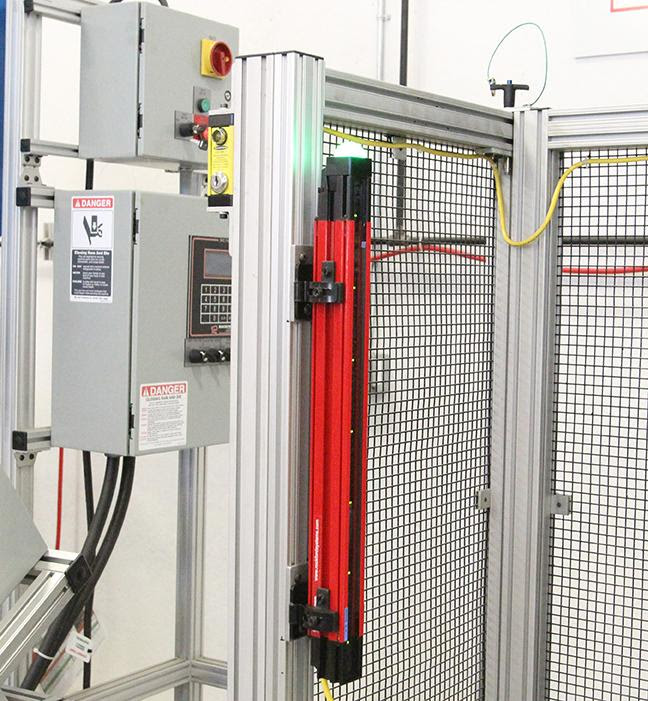
Reliable detection, advanced safety functions, combined with simplified selection, installation, and maintenance Rockford Systems, LLC has introduced its new Protector Series Light Curtains for safeguarding personnel near industrial machinery with the potential to cause injury. Protector Series Light Curtains feature bi-color alignment indicators, simplified resolution settings, automatic diagnostics, remote fixed blanking, and can be interconnected in a cascading configuration. Built for ease of use, they also provide for hassle-free installations that eliminate the software, DIP switches, and expensive components from the process. Brackets and connecting cables are all included, as a kitted solution, for faster, more cost-effective light curtain installations. “Protector Series Light Curtains are the latest example of Rockford Systems’ unmatched ability to provide end-to-end safety solutions, from industry-leading OSHA training and more than 6,000 innovative safeguarding products to comprehensive on-site audits,” said Matt Brenner, Vice President and General Manager-Rockford Systems Machine Safeguarding. ”Rockford Systems has drawn on decades of applications expertise to enhance the light curtain selection and integration process resulting in an improved overall user experience.” Faster Set-Up, Easier Maintenance Designed to reduce setup and maintenance time, Protector Series Light Curtains feature bright bi-color alignment indicators that run the length of the receiver window. In the event, a sensor is not aligned properly or if the window requires cleaning, green lights will switch to red to instantly identify the problem area. Optional remote indicators can be purchased for long-distance monitoring of light curtain status to further support safety and productivity goals. Protector Series Light Curtains employ dual-scan technology that makes its photodiodes highly immune to EMI, RFI, ambient light, weld flash, and strobe lights that may compromise sensor performance. Damage from impact is greatly reduced by a design that recesses the unit’s windows 5mm into the housing to prevent direct contact with the sensors. Emitters and receivers are both contained inside of 3mm thick industrial grade aluminum housings with durable metal end-caps. For those applications that require multi-sided protection where mirrors cannot be used, up to four Protector Series Light Curtain systems of any length, resolution, and beam number can be easily configured. Cascading Protector Series Light Curtains minimize wiring while simplifying the safety circuit, resulting in a lower Total Cost of Ownership. Protector Series Light Curtains are also ideal for industries subject to frequent washdowns or water sprays, such as food, beverage, and pharmaceutical processing. They are rated IP65/IP67 so they offer total protection from low-pressure water jets and more substantial liquid ingress or immersion. Simplified Ordering Customers can select whichever features best suit their application. Protector Series Light Curtain designs will accommodate more than 90% of all point-of-operation applications, coming in a choice of three common resolutions — 14mm (finger detection), 23mm (hand detection), and 40mm (body detection) — for each light curtain length. All three resolutions have a range of up to 12 meters (39 feet) coinciding with the needs of most manufacturing settings. Rockford System’s customer service professionals are ready to assist online, on-site, or over the phone in helping specify the proper light curtain for the application. Brenner commented: “As demand for machine safeguarding continues to expand, so does the need for manufacturers to employ the proven performance of light curtains as a risk reduction measure. Ensuring simple, yet advanced solutions in light curtains also extend to their selection, purchasing, and installation process.”
STXI Motion expands stepIM Family of Integrated Closed-Loop Servo-Steppers
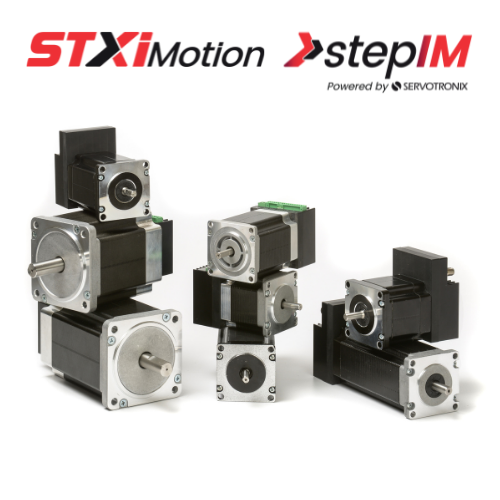
STXI Motion, a global motion control, and servo solution company, introduces the stepIM NEMA 17 EtherCAT model, the newest addition to its family of integrated closed-loop servo stepper motors. The IP65-rated stepIM NEMA 17 delivers an efficient and economical solution for applications requiring the performance of a servo at the price of a stepper. “The new stepIM NEMA 17 closed-loop stepper creates the ability to lose the cabinet and gain design flexibility in decentralized motion architecture applications, where space is a limitation and performance optimization is needed,” said Siegfried Pries, Product Line Manager of STXI Motion. Efficient and Affordable With a cost-effective design and a superior closed-loop servo control by Servotronix Motion Control, the stepIM closed-loop servo stepper is available in three sizes: short (97.4 mm motor length), medium (105.9 mm motor length), and long (120.4 mm motor length). The stepIM significantly enhances the performance of stepper motors when compared to conventional open-loop control. The integrated electronics control the stepper motor as a two-phase BLDC motor, implementing position servo loop, velocity loop, DQ current control, and additional algorithms. Closed-loop commutation, by means of an absolute single-turn encoder, ensures optimal torque utilization at any speed. Designed for Decentral Machine Architectures In addition, stepIM closed-loop steppers support decentralized machine architecture by allowing machine builders to get rid of the cabinet and enhance motor performance with no step loss. The integrated design also minimizes component and wiring requirements. Further, the stepIM can function as distributed I/O points, reducing machine complexity. “StepIM stepper motors provide designers high-torque, low-speed capabilities, eliminating the need for a gear while also allowing for high speeds in low torque ranges at an economical price point,” said Pries. Brake and gearbox options are available, providing a complete integrated axis solution. Looking Toward the Future True to its mission to provide unmatched service, support, and systems in the field of industrial automation, STXI Motion expects to launch a brand-new line of servIM integrated servo motors in Q2 2022. These motors have 60 mm or 80 mm flanges and are currently available for beta testing at select sites.
Jeff Born hired as Director of Procurement and Supply Chain Solutions for Tubelite, Alumicor and Linetec

Jeff Born has been named as the director of procurement and supply chain solutions overseeing North American activities for Tubelite Inc., Alumicor Ltd. and Linetec. Together, these three companies and their six manufacturing locations provide storefront and finishing solutions as part of Apogee Enterprises, Inc. All three procurement departments report to Born, as supervised by Dean Seger, vice president of the integrated supply chain, and guided by Apogee’s procurement operations director. Born draws from more than 20 years of multi-functional, multi-national experience leading supply chain planning, scheduling, capacity management, logistics, distribution, procurement, and warehousing. He is a member of the Association for Supply Chain Management (ASCM). Most recently, Born served as vice president of the global supply chain for Michigan-based medical device manufacturer, SunMed, LLC. Prior to this, he worked as operations manager for global furniture design and manufacturer, Steelcase Inc. Early in his career, Born started his professional work as an analyst at Grand Valley State University in Allendale, Michigan, while he was a student. He earned a Bachelor of Business Administration with an emphasis on marketing and finance. He was hired as an operations manager at Aspen Surgical Products, Inc. and later, as supply chain planning manager for multiple business segments at Amway.
Port of Long Beach creating nation’s largest Electric Truck Charging Network

Input from potential vendors, suppliers sought for clean air system The Port of Long Beach has issued an information request to assist in creating one of the largest U.S. networks of publicly accessible electric-charging stations for the heavy-duty, Class 8 drayage trucks that serve the port complex. Available here, the request asks for information on potential interest to install 100 chargers at up to four pre-identified sites. Responses are due by 4:30 p.m. Tuesday, March 29. Transitioning the drayage truck fleet serving the San Pedro Bay ports to zero emissions by 2035 is a central tenet of the Clean Air Action Plan Update, or CAAP, the shipping industry’s most aggressive effort to reduce the environmental impacts of goods movement. “It’s important for us to nurture the market for electric trucks if we are to meet the zero-emissions trucks goal,” said Port of Long Beach Executive Director Mario Cordero. “This is one of the project’s objectives, and it will also provide an overnight charging option for independent owner-operators who may not be able to charge their vehicles at home.” “Our environmental programs and initiatives have already cut diesel emissions from trucks by as much as 97%,” said Long Beach Harbor Commission President Steven Neal. “Initiatives like this are steps along the way to our ambitious zero-emissions goal. It will take ingenuity and continuing strong partnerships with the trucking and goods movement industry, but I am confident we will succeed.” The first two public charging stations for heavy-duty trucks in Southern California have been installed at the Terminal Access Center on Harbor Avenue and are expected to be available for drayage truck recharging later this month. Providing at least 100 charging stations by 2028 supports the CAAP zero-emissions goal for drayage trucks. The CAAP is a comprehensive strategy for accelerating progress toward a zero-emission future while protecting and strengthening the port’s competitive position in the global economy. Since 2005, the year before the plan was adopted, diesel particulate matter is down 90%, smog-forming nitrogen oxides have decreased 62%, and sulfur oxides have decreased 97%, all while container throughput has increased 21%.
U.S. Rail Traffic for January and the week ending January 29, 2022
The Association of American Railroads (AAR) has reported U.S. rail traffic for the week ending January 29, 2022, as well as volumes for January 2022. U.S. railroads originated 902,265 carloads in January 2022, down 3 percent, or 27,861 carloads, from January 2021. U.S. railroads also originated 1,001,443 containers and trailers in January 2022, down 14.6 percent, or 171,796 units, from the same month last year. Combined U.S. carload and intermodal originations in January 2022 were 1,903,708, down 9.5 percent, or 199,657 carloads and intermodal units from January 2021. In January 2022, six of the 20 carload commodity categories tracked by the AAR each month saw carload gains compared with January 2021. These included: coal, up 13,596 carloads or 5.6 percent; crushed stone, sand & gravel, up 4,384 carloads or 7.2 percent; and chemicals, up 1,099 carloads or 0.8 percent. Commodities that saw declines in January 2022 from January 2021 included: grain, down 15,396 carloads or 14 percent; motor vehicles & parts, down 11,559 carloads or 19.8 percent; and petroleum & petroleum products, down 9,509 carloads or 20.1 percent. “For most traffic categories, U.S. rail volumes this January were down compared to last year,” said AAR Senior Vice President John T. Gray. “That said, last January made for very difficult comparisons for a number of categories. For example, January 2021 was the best January for grain since 1990, and was also, at the time, the highest volume month ever for intermodal. Conversely, and more optimistically, this year’s January was the highest volume month ever for rail carloads of chemicals, providing a strong base for future growth in a critical commodity.” Excluding coal, carloads were down 41,457 carloads, or 6 percent, in January 2022 from January 2021. Excluding coal and grain, carloads were down 26,061 carloads, or 4.5 percent. Week Ending January 29, 2022 Total U.S. weekly rail traffic was 491,868 carloads and intermodal units, down 5.6 percent compared with the same week last year. Total carloads for the week ending January 29 were 235,203 carloads, up 1.5 percent compared with the same week in 2021, while U.S. weekly intermodal volume was 256,665 containers and trailers, down 11.3 percent compared to 2021. Six of the 10 carload commodity groups posted an increase compared with the same week in 2021. They included coal, up 6,211 carloads, to 67,825; nonmetallic minerals, up 3,063 carloads, to 27,703; and chemicals, up 958 carloads, to 34,977. Commodity groups that posted decreases compared with the same week in 2021 included motor vehicles and parts, down 2,540 carloads, to 12,904; grain, down 2,514 carloads, to 24,959; and petroleum and petroleum products, down 1,673 carloads, to 9,625. North American rail volume for the week ending January 29, 2022, on 12 reporting U.S., Canadian and Mexican railroads totaled 330,400 carloads, down 1.5 percent compared with the same week last year, and 337,564 intermodal units, down 10.6 percent compared with last year. Total combined weekly rail traffic in North America was 667,964 carloads and intermodal units, down 6.3 percent. North American rail volume for the first four weeks of 2022 was 2,562,997 carloads and intermodal units, down 10.9 percent compared with 2021. Canadian railroads reported 74,271 carloads for the week, down 9.5 percent, and 65,392 intermodal units, down 7.2 percent compared with the same week in 2021. For the first four weeks of 2022, Canadian railroads reported a cumulative rail traffic volume of 520,104 carloads, containers, and trailers, down 16.3 percent. Mexican railroads reported 20,926 carloads for the week, down 2.9 percent compared with the same week last year, and 15,507 intermodal units, down 13.4 percent. Cumulative volume on Mexican railroads for the first four weeks of 2022 was 139,185 carloads and intermodal containers and trailers, down 8.6 percent from the same point last year. To view the U.S. Rail Traffic graphs, click here.