
Seegrid launches online AMR knowledge base
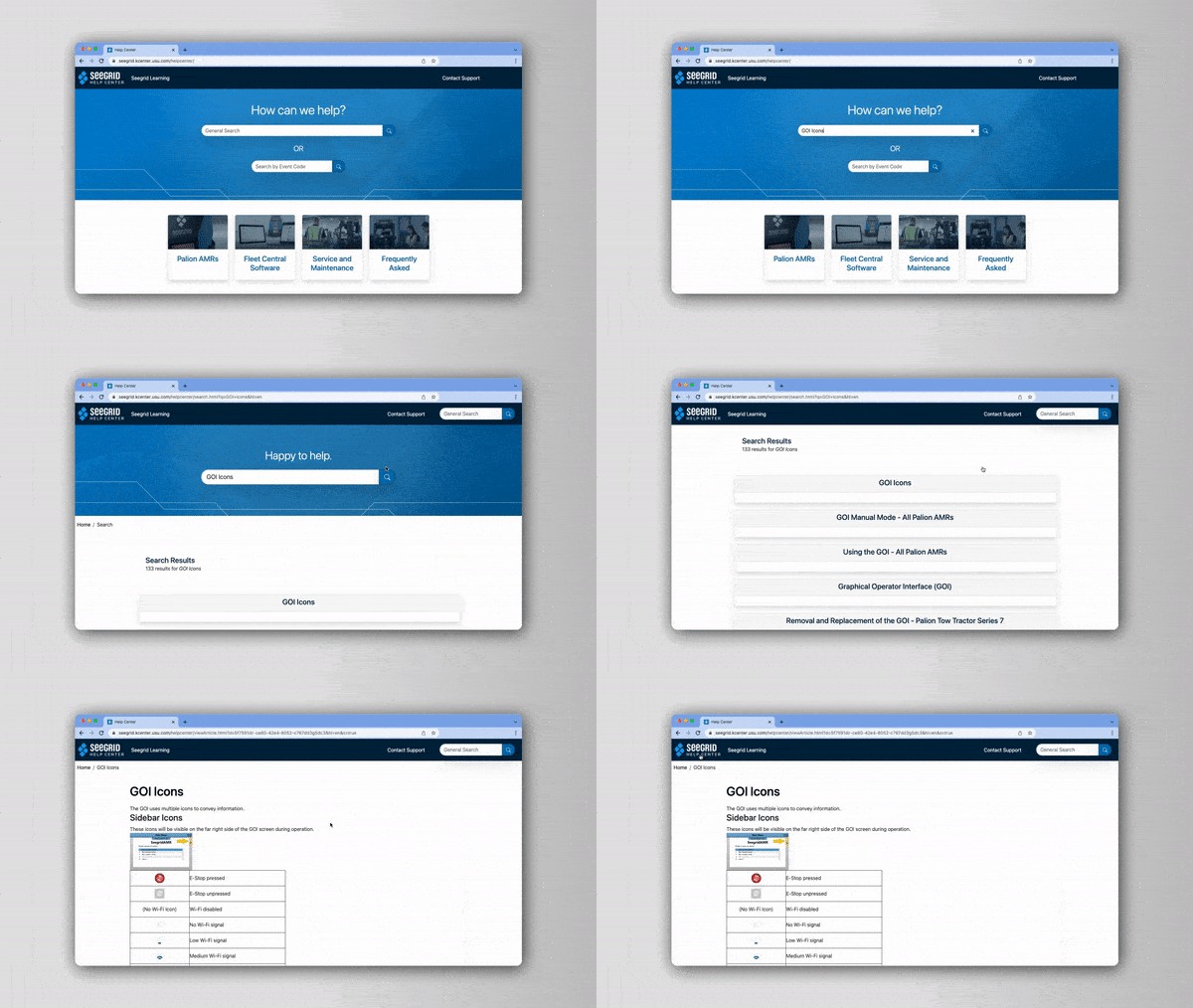
Seegrid Corporation, the manufacturer of autonomous mobile robots (AMRs) for material handling, has announced the launch of a new customer resource, Seegrid Help Center, an online knowledge base that gives Seegrid’s global logistics, e-commerce, and manufacturing customers exclusive access to specialized insights, product information, and innovative mobile automation use cases curated by Seegrid’s expert engineering, service, and support teams. “Our robots and software are proven, having safely driven more than seven million autonomous miles while moving billions of pounds of materials in our customers’ highly dynamic, complex industrial environments,” said Jim Rock, Chief Executive Officer at Seegrid. “Every autonomous mile and pound moved represents real-world knowledge and expertise, making Seegrid uniquely capable of helping our customers succeed with mobile automation.” Seegrid Help Center is a user-friendly, online knowledge base that complements the company’s robust training, service, and support offerings. The intuitive online platform offers a personalized experience for end-users and is available 24×7, providing the ability to self-serve on a wide variety of topics and categories, including AMR models, to support, optimize, and advance the use of their Seegrid mobile automation solution. “Our customers are always looking to stay ahead and safely raise productivity levels, and we are committed to enabling our customers to achieve these goals with automation,” said Rock. “Now, our customers can leverage Seegrid automation solutions for the competitive advantage while also funneling our extensive, collective expertise across entire networks of operators.” Providing timely, relevant, and expertly sourced answers to questions ranging from simple to complex, Seegrid Help Center enhances the company’s suite of expert automation services. Seegrid offers its customers a full-service support experience throughout the entire automation journey, from initial evaluation and solution recommendation to ongoing analysis and consultation of automation performance post-deployment. Seegrid recently received recognition for its industry excellence and best practices, being named a technology innovation leader by Frost & Sullivan, the #1 autonomous mobile robot provider in the US by Interact Analysis, and the #4 most innovative robotics company in the world by Fast Company.
BeerBoard names Josh Solomon Vice President of Channel Partnerships
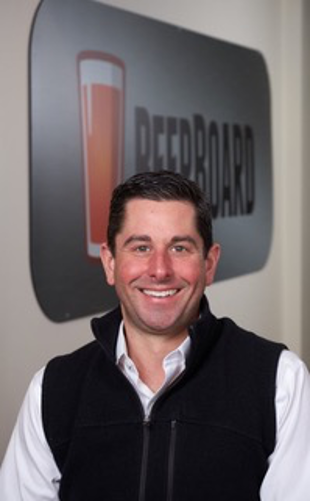
BeerBoard a provider of technology and automated business intelligence for the on-premise retail industry has announced that Josh Solomon has been named the company’s vice president of channel partnerships. Solomon has spent the last 16-plus years in various positions with the company, including sales, client relationship management, client support, and service and product validation/R&D. Most recently, Solomon focused his efforts to support BeerBoard’s National Accounts Division for concepts such as Buffalo Wild Wings, Twin Peaks, Main Event, World of Beer, TGI Fridays, American Social, Abby’s, Grub Burger Bar (now Hopdoddy Burger Bar), FAT Brands, Reach Restaurant Group and Smokey Bones, among others. Working closely with BeerBoard’s retail client-partners, Solomon has helped them realize the benefits of BeerBoard’s full technology stack, with an emphasis on automated ordering, automated inventory, and industry insights/data. “With the national rollout of SmartOrders and the integrations with scores of industry partners, we now need to dedicate a person to manage the success of our fast-growing Channel Partnership Network,” said John Boyle, BeerBoard’s Senior Vice President of Business Development. “With his industry knowledge and vast relationships, Josh is the right person to step into this role and drive the growth of our channel partnerships.” “BeerBoard’s proven track record of success, coupled with our strong retail, brewer, and distributor relationships, it is the right time to branch out to other industry providers and stakeholders to promote mutual benefits to the industry as a whole,” Solomon said. “We are excited to continue our next phase of growth through the expansion of current relationships and formation of new industry partners.” BeerBoard’s robust client list features high-profile independent groups and major chain operators across North America. Retailers include industry leaders Buffalo Wild Wings, Hooters, Twin Peaks, WingHouse, Mellow Mushroom, and TGI Fridays. BeerBoard also partners with major brewers including Molson Coors, Boston Beer, Constellation Brands, Lagunitas, Heineken, Diageo, and Yuengling.
U.S. Rail Traffic for the week ending May 14, 2022
The Association of American Railroads (AAR) has reported U.S. rail traffic for the week ending May 14, 2022. For this week, total U.S. weekly rail traffic was 505,120 carloads and intermodal units, down 5.4 percent compared with the same week last year. Total carloads for the week ending May 14 were 230,128 carloads, down 5.2 percent compared with the same week in 2021, while U.S. weekly intermodal volume was 274,992 containers and trailers, down 5.5 percent compared to 2021. Three of the 10 carload commodity groups posted an increase compared with the same week in 2021. They were nonmetallic minerals, up 1,570 carloads, to 33,344; farm products excl. grain, and food, up 993 carloads, to 16,257; and motor vehicles and parts, up 625 carloads, to 13,097. Commodity groups that posted decreases compared with the same week in 2021 included coal, down 4,317 carloads, to 64,015; grain, down 3,561 carloads, to 21,910; and metallic ores and metals, down 2,289 carloads, to 21,426. For the first 19 weeks of 2022, U.S. railroads reported a cumulative volume of 4,368,828 carloads, up 0.6 percent from the same point last year; and 5,001,231 intermodal units, down 6.9 percent from last year. Total combined U.S. traffic for the first 19 weeks of 2022 was 9,370,059 carloads and intermodal units, a decrease of 3.5 percent compared to last year. North American rail volume for the week ending May 14, 2022, on 12 reporting U.S., Canadian and Mexican railroads totaled 325,431 carloads, down 4.2 percent compared with the same week last year, and 367,153 intermodal units, down 4.2 percent compared with last year. Total combined weekly rail traffic in North America was 692,584 carloads and intermodal units, down 4.2 percent. North American rail volume for the first 19 weeks of 2022 was 12,770,815 carloads and intermodal units, down 3.9 percent compared with 2021. Canadian railroads reported 74,072 carloads for the week, down 5.1 percent, and 76,004 intermodal units, down 1.8 percent compared with the same week in 2021. For the first 19 weeks of 2022, Canadian railroads reported a cumulative rail traffic volume of 2,691,713 carloads, containers, and trailers, down 6.7 percent. Mexican railroads reported 21,231 carloads for the week, up 12.6 percent compared with the same week last year, and 16,157 intermodal units, up 9.5 percent. Cumulative volume on Mexican railroads for the first 19 weeks of 2022 was 709,043 carloads and intermodal containers and trailers, up 3.1 percent from the same point last year. To view the U.S. Traffic counts, click here.
ASSP announces 2022 Outstanding Safety Educator
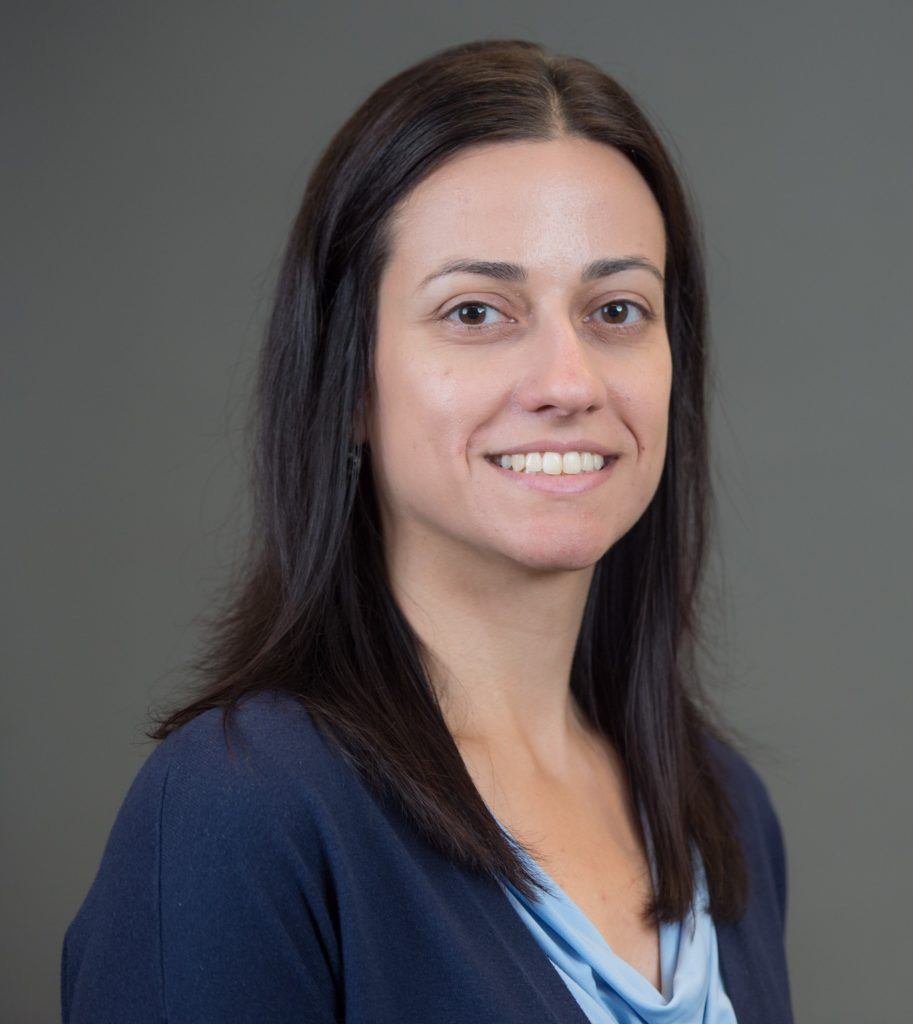
Lora Cavuoto, a widely respected educator in the occupational safety and health field and a member of the American Society of Safety Professionals (ASSP) for seven years, is ASSP’s 2022 William E. Tarrants Outstanding Safety Educator. Cavuoto, Ph.D., CPE, is an associate professor in the Department of Industrial and Systems Engineering (ISE) at the University at Buffalo in New York. She has been the director of the university’s occupational health and safety training program since 2017. Cavuoto has written nearly 70 journal articles, more than 30 conference proceedings, and many technical reports, in addition to delivering technical presentations at national and international conferences. Her research promotes healthier and more productive work environments by integrating human factors and ergonomics principles. A resident of South Wales in suburban Buffalo, Cavuoto joined the university in 2012 to strengthen its ergonomics research to prevent occupational injury and illness, and to teach courses in human factors engineering. In 2020, she received the school’s highest award for undergraduate teaching and mentorship. “Dr. Cavuoto not only embodies scientific excellence, creativity, and a commitment to education – she is also a leader and collaborator,” said Ann Bisantz, Ph.D., dean of undergraduate education at the university. “Her student evaluations are typically among the highest in the department, and among the best at the university overall.” Each of Cavuoto’s industry-funded research projects over the last five years has involved students, providing them with practical experience and exposure to the challenges faced in industries worldwide. “Dr. Cavuoto is one of the most impactful occupational safety and health scholars of her generation,” said Victor Paquet, Sc.D., professor, and chair of the university’s ISE department. “She has made significant educational and research contributions in ergonomics and biomechanics, assessment of work-related injury risk, use of wearable technologies to prevent injuries, and the improvement of patient safety through robotics and surgery design.” Cavuoto has mentored more than 40 students on senior capstone projects and dissertations aimed at solving occupational safety and health engineering challenges and better protecting workers on the job. “She instills an enthusiasm for student learning by carefully guiding students toward the right answers to complex problems,” Paquet said. “She strongly believes that being approachable and accessible are vital components of a successful learning environment. The way that Dr. Cavuoto operationalizes her teaching philosophies and dedication to her students has enabled her to become the exceptional teacher and mentor that she is today.” Cavuoto will be honored at ASSP’s Safety 2022 Professional Development Conference and Exposition, held June 27-29 in Chicago. The global event will bring together thousands of safety professionals to learn about best practices, industry trends, and the latest product innovations in the occupational safety and health field. Each year, ASSP honors a member who demonstrates outstanding achievement in occupational safety and health education. These top instructors help students reach their full potential and become results-producing safety professionals. ASSP’s Outstanding Safety Educator Award is named after William E. Tarrants, a pioneer in safety education who was an ASSP Fellow and president (1977-78).
KEEN Utility advances women in the trades through $1M pledge
She Builds Grants initiative supports nonprofits that empower and educate women pursuing careers in the trades KEEN Utility, the work boot division of KEEN Inc. (KEEN), launched the She Builds Grant Program to champion the next generation of tradeswomen. The program pledges $1M in much-needed product and financial support over the next five years to trailblazing nonprofit organizations in the United States and Canada dedicated to the empowerment and education of women seeking a career in the skilled trades. KEEN Utility announced the 2022 She Builds grants, selected by KEEN Utility and their fans, will go to Black Women Build-Baltimore, Girl’s Garage, Vermont Works for Women, Oregon Tradeswomen, and British Columbia Institute of Technology’s Trades Discovery for Women. Grants will help provide hundreds of thousands of hours in trade skills education, expansion of workplace inclusivity training, as well as women’s specific safety footwear. “Women are essential to the future of the skilled trades,” said Robin Skillings, VP/General Manager at KEEN Utility. “ Supporting organizations that are deeply dedicated to the empowerment and advancement of women in the trades is critical. Through the She Builds Grant Program, we are solidifying our commitment to their future, and the growth of the trades, one step at a time.” The She Builds Grant is funded through The KEEN Effect, part of KEEN’s larger mission to make Outside and the Trades accessible to all. KEEN has committed millions of dollars toward social and environmental justice since 2003. A leader in women’s safety footwear, KEEN Utility is uniquely positioned to champion the cause of welcoming more women into the trades and encouraging skills acquisition. The Tradeswomen Tested collection from KEEN Utility enlists the insights of tradeswomen working in a variety of professions from initial conception all the way through final product release and incorporates on-the-job feedback into future designs. By creating more inclusive and adaptive footwear built for and inspired by women in the trades, the brand established early on that the future of the trades is diverse and demands support. More information about KEEN Utility’s women’s specific styles can be found by visiting https://www.keenfootwear.com/work-tradeswomen-tested-collection/.
Community Impact Project lends assistance to My Friend’s House in Vacaville, CA
A partnership between the American Rental Association (ARA) Foundation and The Toro Company Foundation is bringing together rental businesses across the country to make improvements in their communities. The Community Impact Project initiative recently selected a project assisting My Friend’s House Shelter in Vacaville, Calif. My Friend’s House Shelter exists to meet the needs of homeless and at-risk young adults, ages 18-24. The program provides a low-barrier shelter and provides case management, connections to mentors, and access to essential goods and services like food, clothing, and toiletries. The shelter aims to connect with and begin serving the residents before they become victims of drugs, street gangs, incarceration, or homelessness. The Community Impact Project initiative involves both the ARA Foundation and The Toro Company Foundation with the dual purpose of community service and improvement as well as raising public awareness and demonstrating the advantages of equipment and event rental. More than 15 volunteers from area rental businesses and residents volunteered time and equipment to complete the two-day project on May 11 & 12. Work included converting the existing garage to an office space to accommodate more residents, yard beautification, and concrete repairs to make the property ADA compliant. Companies supporting the project include: Aaction Rents A Tool Shed Interstate 80 Forklift Expo Party Rentals Celebrations! Party Rentals and Tents NACH Marketing This is the third project completed in 2022 and the sixth in a series of 10 Community Impact Projects overall. Previous projects were organized in Cleveland, Ohio, Denver, Colo., St. Paul, Minn., San Antonio, Texas, and Safety Harbor, Fla. Future projects are slated for the remainder of 2022 including locations in Pennsylvania and New York. Each project is made possible through a $20,000 donation from the ARA Foundation and The Toro Company Foundation. This contribution provides the nonprofit organization the funds to purchase materials required to complete the project with any remaining funds going toward long-term project maintenance.
Kyocera strengthens its leadership team with the addition of new Vice Presidents of Software & ICT and Channel Sales
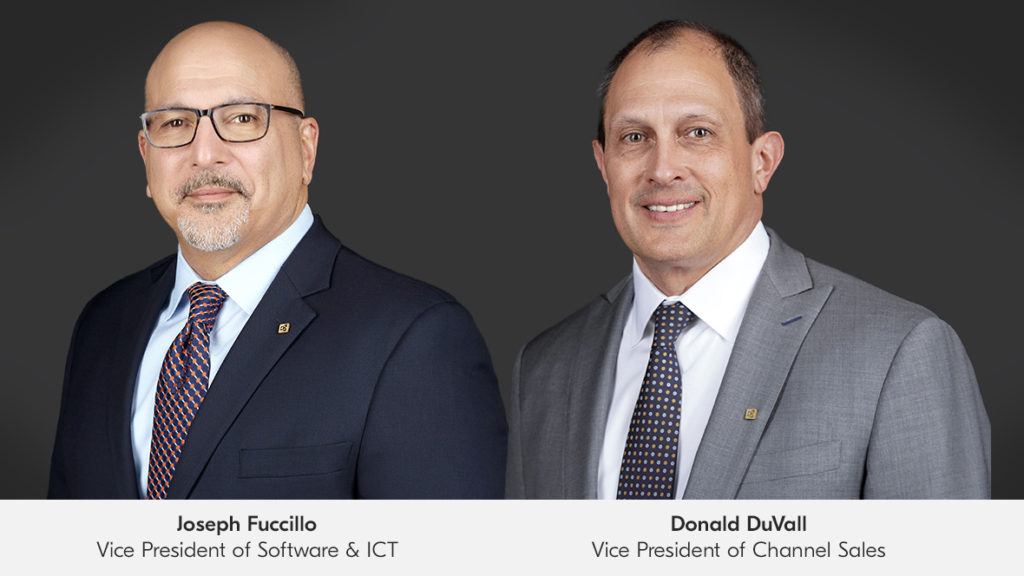
Kyocera Document Solutions America, Inc. has announced the appointment of Joseph Fuccillo as Vice President of Software & ICT, and Donald DuVall, as Vice President of Channel Sales. The duo arrives as the latest reinforcements to Oscar Sanchez’s team of experts, leading Kyocera with a diverse range of backgrounds. These two new faces bring vast experience in their fields and industries, to add to the team. It builds upon Sanchez’s renovation of Kyocera’s leadership team since his appointment as President & CEO in 2018. “It is a great source of pride and excitement for us to welcome Joe and Don to our team,” Sanchez said. “They are two very accomplished individuals who will help to guide the future of our organization, using their vast experience and first-class minds to bring new ideas to Kyocera. They will help our team to achieve all the objectives that we have outlined for the present, while also working alongside our leadership team to determine our vision for the future.” The arrival of Fuccillo builds upon the company’s increasing commitment to the world of ICT Services. Armed with experience as a leader of Managed and Professional Service at Hitachi Vantara/Hitachi Data Systems, a Fortune 500 company specializing in products and services for cloud computing, data center management, Internet of Things, data protection, and big data analytics, he comes well-equipped to lead Kyocera’s charge in the field. “Joe’s background is exactly the kind of area that we needed to strengthen. Managed IT and Communication Services will form a core pillar for the future of Kyocera, and Joe is the ideal leader to take on this exciting project of establishing Kyocera as a player in the industry, building upon our existing services and a team of experts,” Sanchez added. Channel Sales also remain a fundamental area within the company’s operations. Arriving with over 25 years of industry experience, DuVall previously led Konica Minolta’s dealer business unit and acted as Vice President of Sales for Impact Networking as he led their startup operation in Southern California. His proven track record in the industry and the perfect mix of experience on both the side of a manufacturer at Konica Minolta and the side of dealers with Impact Networking gives him a unique profile when it comes to establishing plans for Kyocera to give their partners exactly what they need to grow. “From the first time I spoke to Don, I was already immensely impressed by his knowledge of the industry and the channel. He knows and understands the importance of having committed partnerships with dealers of all shapes and sizes, and how to help dealers to achieve more. I’m already looking forward to seeing how we can put his knowledge to work within Kyocera,” Sanchez indicated. Both departments are essential to Kyocera’s long-term strategy of diversification of its product portfolio while building ever-stronger relationships with dealer partners across the U.S. With these arrivals, Sanchez and the existing leadership team will benefit from the innovation and impetus of proven industry leaders in their fields. The appointments also come at the perfect time, giving Fuccillo and DuVall time to get to grips with Kyocera, their new team, and stakeholders ahead of their REIMAGINE Dealer Conference to be held in San Antonio, Texas, in June.
Invest in employees this Supply Chain Professionals Appreciation Day
Supply chain professionals are facing many challenges right now—labor shortages, rising energy costs, and increased demand, just to name a few. Supply Chain Professionals Appreciation Day is an ideal time to remind warehouses and distribution centers that choosing more efficient, reliable equipment can have a big impact on their employees’ morale and productivity over time. “We want to thank the people who are working hard to keep our supply chains moving,” said Joseph Calhoun, director of off-road business development for the Propane Education & Research Council (PERC). “No doubt, it’s a tough time for them, and simply switching to propane-powered equipment is one way to help. For example, propane-powered forklifts offer versatility and consistent power, giving supply chain professionals many advantages that can make their jobs easier while increasing productivity.” Propane-powered forklifts offer 100 percent, reliable, consistent power during operation. One propane cylinder can last an entire eight-hour shift which reduces downtime and allows forklift operators to use their working time more efficiently. According to PERC, propane forklifts can push heavy loads at full capacity longer and at more consistent travel speeds compared with other types of forklifts. A PERC survey revealed that most forklift users operate their equipment both indoors and outdoors. Diesel forklifts can’t be safely used indoors due to their higher emissions profile, but propane forklifts run cleaner with lower emissions, making it possible to run them both inside and outside. And because propane can be used indoors and outdoors, it further simplifies the job for the worker by being able to seamlessly transition between spaces without needing to swap equipment. Other options, like electric forklifts, often can’t bring the power needed for larger jobs. Propane-fueled forklifts maximize productivity, especially for multi-shift operations, because they require less time to refuel than the time needed to recharge electric forklift batteries. Plus, propane-fueled forklifts can typically operate for a full eight-hour shift on one tank fill, whereas electric forklift operators may need to switch out the battery during a shift. Additionally, the purchase price of an electric forklift is 30 percent higher than that of a propane-powered one. Electric forklifts often require the costly installation of battery charging stations, which must be in a designated area of the facility. It’s important to note that charging stations may cause issues in some facilities and require costly service upgrades to accommodate the new power requirements. With propane forklifts, however, infrastructure requirements are minimal and facility managers can easily work with their propane supplier on the best location for their cylinder cage. “Propane makes the job of a supply chain professional easier,” Calhoun said. “Companies that invest in propane-powered forklifts are also investing in their employees, and that’s something that shows how much you value your crew not just on Supply Chain Professionals Appreciation Day, but all year long.”
Fenner™ Precision Polymers relocates corporate offices
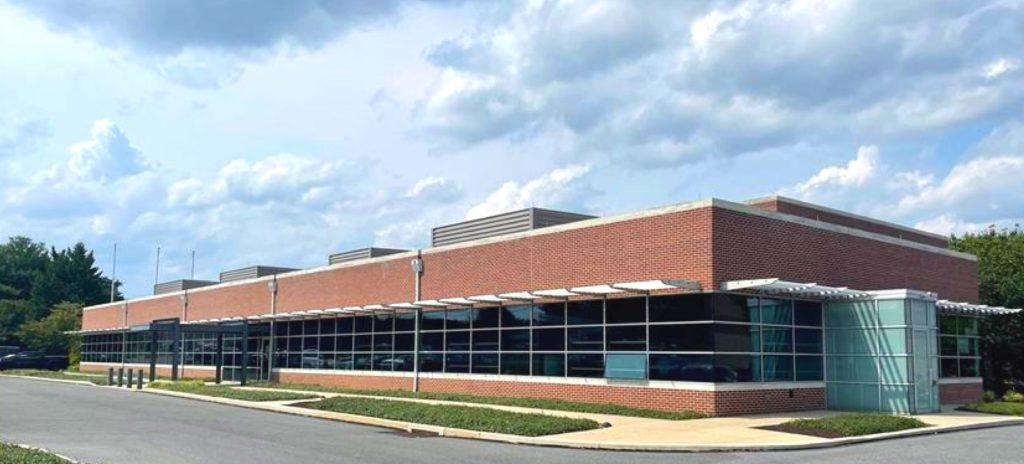
Fenner™ Precision Polymers, a Michelin Group Company and world provider in reinforced polymer technology announced the move of its corporate offices. The new location is in Manheim Township, will be at 187 West Airport Road in Lititz, Pa. Approximately 100 of Fenner’s office staff are expected to move into the new offices beginning fall of 2022. Ongoing construction updates will be underway in the space through October. The company anticipates that the remaining corporate staff will have relocated to the new facility by end of 2022. “This is a great location for us and one that is great for the business,” said Jack Krecek, Divisional Managing Director, Fenner Precision Polymers. “The West Airport Road location offers a convenient commute for employees that is just minutes away from the previous site. It also provides enhanced comfort and productivity advantages over the previous corporate headquarters. It’s a workplace in which staff will be more connected and better positioned to support our growth.” The enhanced office space brings to life the kind of environment that will attract and retain top talent in the Lancaster area. It features improved cross-functional collaboration inside the workplace and supports sustainability efforts externally, by reducing time and carbon emissions produced by travel between buildings and outside meetings. “Our relocation to the new facility marks yet another proud milestone along our journey to becoming a world-class manufacturing operation,” added Krecek. “We see it as a launch pad for innovation –increasing engineering jobs for an R&D center and creating new manufacturing jobs to support Fenner’s expanding operations.” Built in 1998, 187 West Airport Road sits on 2.94 acres. It is a 35,021 sq. ft. Industrial/Flex building consisting of office and warehouse space. Fenner and many of its brands have been members of Lancaster and Manheim communities for more than 100 years.
What the wave of retiring machinists means to plant safety
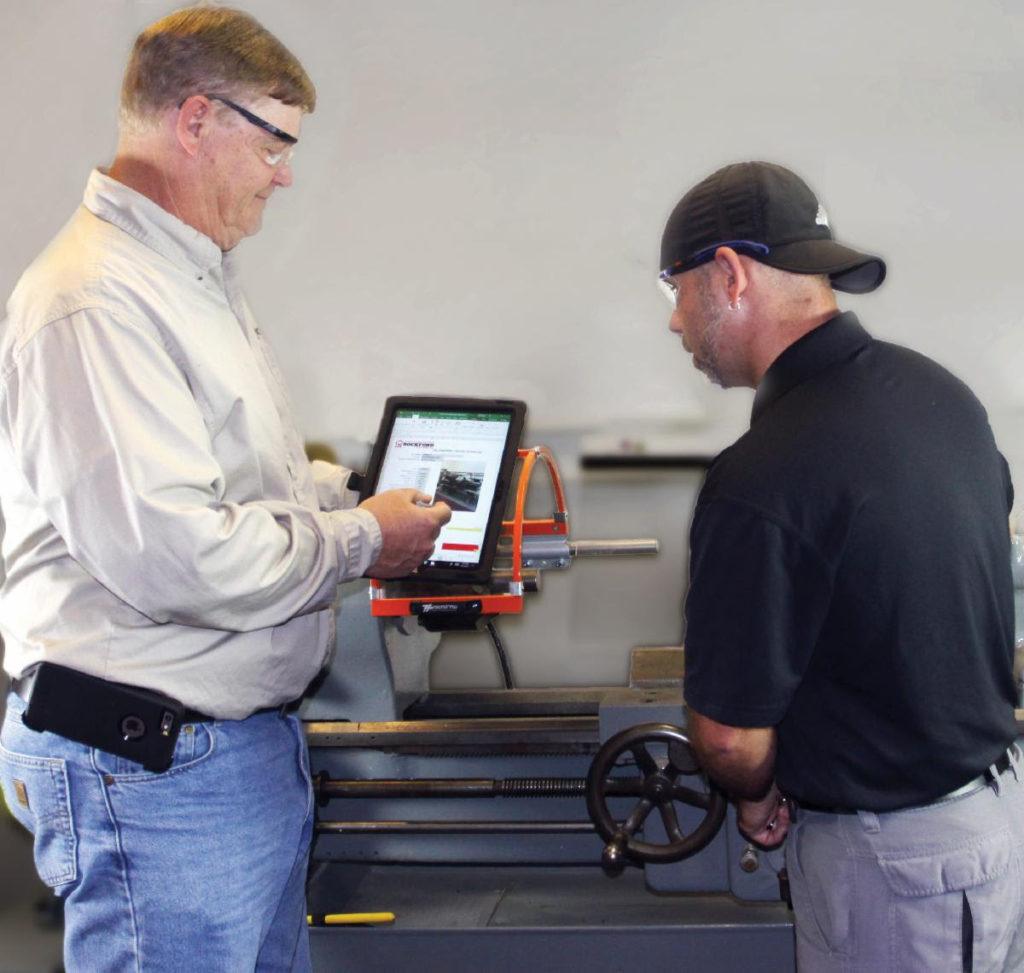
Within the next decade, approximately 2.7 million “Baby Boomers” (b. 1946-1964) will retire, thereby ensuring that tens of thousands of skilled, well-paid positions will become available without a ready supply of American workers to fill them. Statistics paint an especially gloomy picture for the manufacturing sector, a widening of the skills gap, and a possible dilution of existing training programs. Compared to the rest of the economy, the impact on manufacturing of this generational shift is oversized owing to two factors: One, despite increased efforts by colleges and vocational schools to train new manufacturing workers, available jobs still outpace qualified employees. And two, the existing manufacturing workforce is considerably older than the national employee average of 42 years. Currently, the average age of highly skilled manufacturing employees is 56, and nearly a third of all manufacturing professionals are over 50. As they retire, knowledge goes out the door with them. What are the implications of these trends for your plant’s productivity? How will it impact employee safety? What can you do to transfer knowledge from one generation to the next? Safety Knowledge Gap Besides having less experience operating machinery correctly, workers new to the job are often unsure about their safety rights and responsibilities or might feel uncomfortable speaking out about a potential hazard. They may also not have the proper training, so they underestimate the risks involved with operating high-speed machinery. A recent survey of machinists in North America exposed that 70% couldn’t recall receiving any formal training when they were first hired on. Equally troubling, the Millennials (b. 1980-1996), who are replacing baby boomers, are more apt to job hop — 90 percent expect to stay in a job for less than three years — leaving manufacturers with heightened turnover and a badly depleted knowledge base, especially when it comes to safety. The so-called “Great Resignation,” the unprecedented mass exit from the workforce spurred on by Covid-19, also has reduced the pool for skilled labor. Given all this, it probably comes an as little surprise that employees under the age of 25 are twice as likely to visit the emergency room for an occupational injury than those over 25. The dangers facing younger workers underscore the critical importance of machine safeguarding. The lathe, press or saw on the plant floor considered “safe” solely on the basis of being accident-free for many years is no guarantee that modern safety regulations and standards are being met. A machine mistakenly perceived as “safe” may be the most dangerous in your maintenance shop, or on your production floor. Safeguarding Assessment Faced with the wave of Baby Boomer retirements, many manufacturers are trying to hold on to their older workers, persuade some to return after retirement, or recruit those retired from other companies. Unfortunately, these steps only postpone the inevitable. A more meaningful first step is to conduct a thorough machine safeguarding assessment on your machinery. A machine safeguarding assessment draws on the expertise and experience of an outside company to identify and address machine hazards before they cause accidents. Over the course of a machine safeguarding assessment, detailed information is collected concerning each machine, how the operator interacts with the machine, and the process it is tied to. Hazardous areas are pinpointed on the machine and a hazard level is assigned to each machine. Evaluating this hazard level helps determine which safeguarding methods should be applied to each machine to make it safe. If a risk is not tolerable, safeguarding measures need to be applied that will reduce the risk to an acceptable level that is in accordance with applicable regulations and standards. The assessor should also accurately identify all costs associated with the final project. After installing safeguards, a follow-up assessment will be conducted to verify that risk levels have either been eliminated or reduced to a tolerable level. Transferring Tribal Knowledge Retirees won’t leave behind every bit of knowledge they’ve gained over the years, but capturing a majority of the important operational details will be beneficial down the road. Your organization needs to find ways of both learning and sharing this “tribal” knowledge before experienced machinists retire. One common way of doing so is implementing a structured training and mentoring program pairing young workers with senior people who are technically experts in complex machinery. Along with face-to-face training on the machinery, the experienced worker is there to answer questions about operating procedures, and to help the young worker learn how to operate the machinery correctly. Recognizing hazards and learning safe work practices must be a central part of training and mentoring programs so make sure they are given equal billing with productivity during conversations. Training and mentorship also play an important role in informing young workers about OSHA, every worker’s right to a safe workplace, as well as the right to refuse unsafe work. Once retired, the mentor can return on a part-time or as-needed basis to continue training new hires. Outside Training While older machinists certainly have the experience and technical knowledge, they may not know how to teach because they aren’t professional trainers or they can’t communicate effectively with a younger generation. Others may feel that training is an additional obligation that has been hoisted upon them when they are already crunched for time. Hiring an outside firm to teach your team about machine safety regulations and standards is another step toward overcoming dilution in training. Rockford Systems offers a variety of safety training courses, including Machine Safeguarding Seminars, Combustion Safety Training, NFPA 70E, and other courses at its Training Center in Rockford, Illinois. The popular 2-day seminars combine classroom discussion with live demonstrations to give the hands-on experience that new employees need. Once the seminar is complete, the employee will be better able to interpret the OSHA 29 CRF and ANSI series standards as they relate to their specific machine applications and production requirements. Can’t make it to Rockford? No problem. The seminars can be presented at your company and tailored to the types of machinery found at your plant.
RightHand Robotics debuts RightPick™ 3 at LogiMAT 2022

RightHand Robotics, a provider of data-driven, autonomous robotic picking solutions for order fulfillment, announces its debut at LogiMAT 2022, the international trade show for intralogistics solutions and process management. RightHand Robotics will be showcasing product demos in Hall 7 Stand A61 from May 31 – June 2 in Stuttgart, Germany. Last year, RightHand Robotics established a physical presence in Europe with the opening of its RightPick™ Center Europe in Nürnberg, Germany, designed to enable customers to easily test the company’s item-handling system. Earlier this year, RightHand Robotics announced a significant Series C funding round of $66 million led by top investors, with an eye toward global expansion. Further solidifying these efforts is the company’s recently launched Partner Integrator Program for robotic piece-picking deployments alongside complementary technologies to address the growing demand for order fulfillment. RightHand Robotics recently announced charter members Element Logic®, the world’s first and largest AutoStore™ partner, and Vanderlande, a global leader in warehouse automation. Through partner collaborations, one of RightHand Robotics’ customers includes apo.com Group, Europe’s most advanced online pharmacy. Given this success, the company is actively developing its partner network. “Our latest expansion and funding have accelerated plans for RightHand Robotics to be a leader in the European market. We are excited to be exhibiting our RightPick™ 3 solution at LogiMAT this year. Despite having production systems in Europe, we have not been able to showcase RightPick 3 in a public event due to COVID restrictions, so we are excited to see how new prospects and customers react to our latest generation. We intend to be at LogiMAT and other European trade shows for years to come to connect with future customers and industry leaders,” said Roderik Ter Beek, EMEA Region Manager of RightHand Robotics. At the show, attendees will have the opportunity to interact with the RightPick 3 system as it demonstrates model-free picking of a range of items with its multi-function smart gripper that combines sensing, suction, and compliant fingers. Attendees can also see the eOperator, Element Logic’s offering that enables automated handling of goods stored in AutoStore via the RightPick 3 core robotic picking technology and RightPickTM AI software. RightPick 3 is the world’s first autonomous piece-picking solution designed to be integrator-friendly with a modular, industrialized hardware design, well-defined software APIs, and compliance with international standards. RightPick 3 picks faster and handles an even broader range of items than before, with sophisticated features such as dense packing and damage-free item handling. The system provides integrators with industry-leading performance, reliability, and safety along with the flexibility and tools to jump-start their offering of automated piece-picking with confidence and at scale. Get in touch with us to schedule a meeting with RightHand Robotics at LogiMAT and learn if RightPick 3 is right for your firm through our Warehouse Innovators program. Visit RightHand Robotics in Hall 7 Stand A61 and watch a preview of RightPick 3 in action before the show.
ASSP honors Lyon for work on safety standards

The American Society of Safety Professionals (ASSP) has named Bruce K. Lyon, P.E., CSP, SMS, ARM, CHMM, the recipient of the 2022 Thomas F. Bresnahan Standards Medal for his extensive work in developing and advocating occupational safety and health standards. Lyon is vice president, of risk management services, at Brown & Brown Inc., an independent insurance brokerage firm. He also is an adjunct safety science professor at the University of Central Missouri. Lyon has more than 40 years of experience in directing safety and risk management for organizations in various industries. He specializes in risk assessment and management, safety management systems, ergonomics, and team-based problem-solving. “Bruce’s impact on workplace safety and health standards is significant, and thousands of people are safer on the job today due to his broad contributions,” said Georgi Popov, professor, and chair of the occupational risk and safety sciences program at the University of Central Missouri. “I can’t say enough about his value to the safety profession.” Lyon’s recent work in safety standards has been through his roles as chair of the U.S. Technical Advisory Group to TC 262 for the ISO 31000 Risk Management standards and vice-chair of the ANSI/ASSP Z590.3 Prevention Through Design Committee. Voluntary consensus standards help organizations in all industries become safer. An ASSP member since 1989, Lyon is working on a proposal to develop a technical report on prevention through ergonomics that will complement the popular prevention through design standards. He influenced many concepts and methods in that existing standard, ensuring it aligned with other global risk-based standards. Beginning in 2019, Lyon led the U.S. Technical Advisory Group in the development of the ASSP TR-31010-2020 Technical Report: Risk Management – Techniques for Safety Practitioners, published the following year. The technical report is specifically for safety professionals and includes 50 risk management tools. Lyon is a widely respected author who has written three books and many technical articles on risk. His books and articles are used by countless safety professionals and in university safety sciences and risk management courses, in addition to having appeared in ASSP’s flagship publication, Professional Safety. He has earned six technical writing awards from the journal’s editorial review board. “As a result of his extensive involvement in standards research, development, and consulting, Bruce has created several innovative techniques that are now registered with the U.S. Copyright Office,” Popov said. “His advanced methods are being used by occupational safety and health professionals around the world.” In 2021, Lyon was named Safety Professional of the Year in ASSP’s Risk Management Practice Specialty. He continues to present webinars, podcasts, and training courses on risk management principles and the application of safety standards. The Bresnahan Standards Medal recognizes ASSP members who actively participate in developing voluntary consensus standards that advance worker safety. The award is named in honor of Thomas F. Bresnahan, a former ASSP staff member and Fellow who reinvigorated the Society’s standards development program and helped position the organization for growth in this strategic area.
Women In Trucking Association publishes whitepaper on addressing Gender Bias and Harassment toward professional drivers
The Women In Trucking Association (WIT) has published a new whitepaper, “Addressing Gender Bias and Harassment in the Trucking Industry.” Gender bias and harassment have been primary concerns of current and prospective female professional drivers and deserve all stakeholders’ time and attention. While a majority of respondents (55 percent) indicated that the trucking industry overall is a safe one for women to be employed within, many report instances of being the recipient of verbally offensive comments or verbal threats within the last five years: In fact, 56 percent of drivers report they have been the recipient of verbally offensive comments more than once, while another 13 percent report it has happened to them earlier. Approximately 29 percent of respondents say they have not been on the receiving end of verbally offensive comments. In addition, approximately 28 percent say they have received verbal threats more than once and another 21 percent say it has happened to them once. Approximately 49 percent said they have not ever received a verbal threat on the job. Another area of concern by drivers responding to the survey is that they have either been the victim of unwanted physical advances or rape within the last five years: In fact, 39 percent of respondents say they have been the recipient of an unwanted physical advance more than once, and another 18 percent say they have experienced this one time on the job. Approximately 41 percent say they have not been the victim of an unwanted physical advance. Approximately four percent of respondents say have experienced rape while another two percent say they experienced rape more than once. Another six percent did not wish to answer. More than 37 percent of respondents reported their company either not having a harassment policy or being unsure of whether their company has one. “The Women In Trucking Association is dedicated to encouraging companies to create a safer work environment for women in our industry,” said Ellen Voie, president and CEO of WIT. There are a number of corporate policy recommendations on gender bias and harassment that Voie recommends: Implement and enforce workplace harassment policies specifically outlining what is and isn’t tolerated in the workplace and what consequences will come from violating the policy. All gender bias and harassment policies also should guarantee that employees who report gender bias and/or harassment won’t suffer adverse job consequences. These policies should be communicated to employees routinely, not just during initial training. Implement same-gender training programs, as driving training often requires spending long periods with a member of the opposite gender, and is a top area where gender bias and harassment are perpetuated. Employ more women in management roles, as company leadership staff that includes appropriate gender representation of its employee base is far more equipped to understand, address, and correct the many ways gender bias and harassment persist in the workplace. This whitepaper is the second of a series focused on safety and harassment issues for women in the transportation industry. To download a copy of the whitepaper, click here: https://www.womenintrucking.org/safety-harassment-series
Kassow Robots expands its reach in the Eastern U.S. with BlueBay Automation partnership

Kassow Robots, a developer of 7-axis cobots for machine tending, material handling, and related applications, has partnered with BlueBay Automation (Nashville, Tenn.), an industrial automation solutions provider. In applications with extremely tight spaces, robotic solutions are seldomly feasible. However, the Kassow Robots KR series of 7-axis lightweight collaborative robots enable BlueBay Automation customers to efficiently navigate light manufacturing operations in a wide variety of industries and applications including machine tending, palletizing, welding, automotive, packaging, and electronics. “Our broad product portfolio of 7-axis cobots and BlueBay Automation’s integration capabilities and extensive robot experience will help customers combat common industrial challenges, such as difficult retrofits, labor shortages, and continuous improvement efforts,” says Dieter Pletscher, the head of global sales at Kassow Robots. The KR series of 7-axis lightweight cobots provides a reach of about 3–6 feet (850–1800 mm) and payloads around 11–40 pounds (5–18 kg) to automate a variety of physically demanding and/or repetitive tasks. Additionally, each joint offers speed (225 degrees per second) to keep up with applications such as pick-and-place tasks, quality inspection, and palletizing. “We have been following our collaborative robot competitors closely as the market matures, and Kassow Robots’ 7th axis is a differentiator for overcoming payload and speed limitations,” says Pierre de Giorgio, CEO of BlueBay Automation. “All of Kassow Robots’ significant competitive advantages have set them apart from the rest of the market, so we wanted to get in on the ground level and become part of this story.” Flexible software programming and Kassow’s seventh axis enable continuous dispensing, welding, and material removal applications regardless of access angle, without the need to reorient the arm. The cobots are perfect for limited-space retrofits and a strong addition to BlueBay Automation’s flexible automation, robotics, motion control, and IIoT solutions. Meet Kassow Robots and BlueBay Automation at Booth 1452 at Automate, June 6–9 in Detroit.
Port of Long Beach has record-setting April

Preparations are underway for the anticipated summer surge of cargo The Port of Long Beach achieved its most active April, continuing a streak of single-month records set in 2022. Dockworkers and terminal operators moved 820,718 twenty-foot equivalent units of container cargo last month, up 10% from the previous record set in April 2021. Imports rose 9.2% to 400,803 TEUs, while exports were down 1.8% to 121,876 TEUs. Empty containers moved through the Port increased by 16.9% to 298,039 TEUs. “Cargo continues to move at a record-setting pace and may not slow down anytime soon,” said Port of Long Beach Executive Director Mario Cordero. “We are preparing for a likely summertime surge as China recovers from an extended shutdown due to COVID-19. Shippers are quickly moving imports and empties from the docks, terminals are staying open longer and we are working to finalize our new Supply Chain Information Highway data tracking solution.” “We are working closely with our industry stakeholders to quickly move the cargo off our docks and make room for the next wave of containers,” said Long Beach Harbor Commission President Steven Neal. “As the supply chain continues to catch up, the Port of Long Beach will continue to serve as a reliable partner in trans-Pacific trade.” The Port has withheld the start of a “Container Dwell Fee” that would charge ocean carriers for containers that remain too long on the docks. The San Pedro Bay ports – Long Beach and Los Angeles combined – have seen a 50% decline in aging cargo on the docks since the program was announced on Oct. 25. Shippers are anticipated to be busier than usual when pandemic-induced shutdowns are eventually lifted across China. Additionally, retail activity is leveling out due to inflation, but consumers are reshuffling their household budgets to allow for more spending on entertainment, restaurants, and other in-person services. The Port has moved 3,281,377 TEUs during the first four months of 2022, a 5.1% increase from the same period in 2021. For complete cargo numbers, visit polb.com/statistics.
EP 280: Caster Concepts

In this episode, I was joined by the VP of Sales at Caster Concepts, Doug Backinger. Caster Concepts is focused on all things casters and helping you to improve your workplace. We discuss what Caster Concepts does, how casters help to improve your operation, and some examples of how switching casters have helped companies improve. Key Takeaways Caster Concepts is focused on custom caster applications for your operation whether it is a manufacturing or warehousing operation. They specifically focus on the very heavy movement of materials up to 100,000 lbs. Casters are the wheels that we have on our various carts such as picking carts, material movement carts, or other rolling items. Their engineering team has brought some great innovations to the world of casters that has allowed for operations to take the movement of materials to a more efficient and safer level. The casters are able to displace weight and handle them in a much smoother motion allowing for freer movement of materials in your operation. Doug shares a great example of how Caster Concepts helped an automotive operation improve by allowing their carts to move 8 batteries instead of 4. While this may seem like a simple thing, the weight of the batteries was preventing them from moving their carts in a safe manner so they had to reduce the number of batteries they moved at a time causing more work and more time. With a switch to a different caster, they were able to prevent this and save the company approximately $4 million in upgraded equipment. These simple fixes need to be sought after and Caster Concepts can help you to realize them. In the discussion, you will hear how the right caster can have immense benefits. Not only will it allow for cost savings and efficiency gains as mentioned above but it also allows your workers to be safer and have an easier day. One of the comments from Doug is that oftentimes the feedback after the casters are installed is that they now need brakes on those casters because their equipment rolls so easily compared to the previous setup. Listen to the episode below and leave your thoughts in the comments. The New Warehouse Podcast EP 280: Caster Concepts
The Crosby Group and KITO CORPORATION to combine businesses in 2nd half of 2022

The Crosby Group, a global provider in lifting and rigging, and KITO CORPORATION, a material handling manufacturer with 90 years of experience in the development and production of hoists and cranes, have announced that they have entered into a definitive agreement to combine both businesses. The business combination will be effected through a cash tender offer by The Crosby Group to acquire all of the outstanding shares of KITO CORPORATION for JPY 2,725 per share, which represents a premium of 64.3% compared to KITO CORPORATION’s undisturbed closing price on May 13, and a 61.0% premium to KITO CORPORATION’s three-month simple average closing price. The tender offer is expected to be completed in the second half of this year, subject to customary closing conditions including regulatory clearances from relevant authorities. Until close, The Crosby Group and KITO CORPORATION will continue to operate as separate, independent companies. KITO CORPORATION also issued a press release statement of support for the planned transaction. The combined company will be better resourced, and ultimately better positioned to serve customers, team members, and communities globally through additional investment in products, people, and facilities. The combination will further foster innovation and enable customers to benefit from a broader portfolio of products across a global landscape as well as increased levels of service, support, and training. Additionally, the parties’ geographically complementary operations have the potential to accelerate growth through an expanded and diversified geographic footprint. Robert Desel, CEO of The Crosby Group, said: “This is an extraordinary opportunity to bring together two companies with differentiated, industry-leading capabilities, to create exceptional value for all stakeholders: team members, channel partners, end-users, and communities. We have long respected KITO CORPORATION as they exemplify our core values of safety, reliability, and innovation and are thrilled to combine with them to provide best-in-class products, solutions, and services for customers worldwide.” “The strategic wisdom and industrial logic of this combination are compelling. It will pair the highly complementary product portfolios of The Crosby Group and KITO CORPORATION and allow customers access to a broad selection of lifting and material handling solutions from one trusted manufacturer. Together, the companies will be able to accelerate innovation through increased investment in new product development and enable end-users to achieve higher levels of efficiency and safety through a better technical, application, and training support from a combined business.” Yoshio Kito, CEO of KITO CORPORATION said: “We believe this combination delivers tremendous value for all stakeholders. We couldn’t have imagined a better partner and we are confident that this combined business will build upon its great brands to best serve our customers, team members, and communities. We will work together to develop and expand our product offerings, differentiate ourselves based on our customer-first principle, and enhance our presence as a global leader.” SMBC Nikko served as lead financial advisor and Mizuho Securities USA LLC acted as a financial advisor, and Kirkland & Ellis and Mori Hamada & Matsumoto acted as legal advisors for The Crosby Group. Debt financing is being provided by UBS Investment Bank, KKR Capital Markets, and Sumitomo Mitsui Banking Corporation. Nomura acted as financial advisor and Nishimura & Asahi acted as legal advisor for KITO CORPORATION.
BeBop sensors introduces first Roboskin for human-like sensing of objects to any part of robots
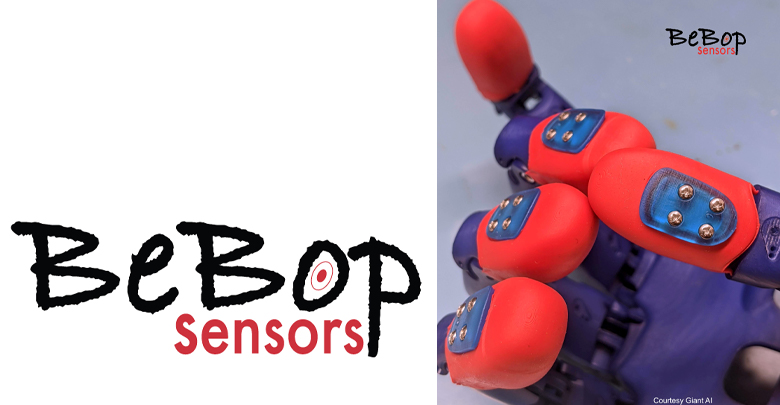
BeBop Sensors, Inc., the world provider of smart fabric sensor technologies, has announced the BeBop Sensors RoboSkin line of skin-like coverings for tactile awareness for humanoid robots and prosthetics. A true nervous system for robots at less than 1mm thick, RoboSkin is the only technology that fits all robotic body parts: limbs, fingers, feet, head, and torso, to make robots “feel” better. RoboSkin’s advanced fabric-based sensor skin can be shaped to any surface allowing quick tailoring to fit any robot, with spatial resolution and sensitivity that exceeds human abilities for a true partnership between humans and their robot helpers. The Missing Component to Make Robots More Human – the Sense of Touch Advances in robotics, such as vision and listening, are missing a key element — the sense of touch, essential for practical human/robot interaction. As robots are quickly becoming part of our world, they need to interact and learn by sense of touch and feel. Flexible, reliable, and highly proprietary, BeBop Sensors’ RoboSkin provides this essential touch factor, with technology based on BeBop’s fabric sensors, with millions of sensors in daily use throughout the world and over 30 U.S. and international patents. Humanoid Robots — a World Designed with and for Humans The Census Bureau predicts that for the first time ever, there will be more Americans over the age of 65 than under 18, with Japan having the oldest population with 30% over 65. In addition, “The Great Resignation” shows no sign of slowing down, with record numbers of people leaving the workforce. Human-like robots are stepping up to this urgent need, augmenting humans in the workplace, hospitals, and homes; with roles in healthcare, as domestic help, manufacturing, distribution, biohazards, and even in entertainment and companionship roles. A human shape ensures a robot should be able to perform any human task; fit through any door and use every human tool. Robots do not need to have the environment made around their needs — robots can do jobs humans want to avoid. Founder Keith McMillen said, “I have been working with roboticists refining our RoboSkinfor 10 years. We are pleased we can make this important contribution to the worldwide effort to bring humanoid robots into our lives to help people live longer, healthier, and more enjoyable lives.” RoboSkin is available immediately for a variety of applications in robotics and prosthetics, including biohazard, digital health, IoT, VR/AR, automotive, law enforcement, testing, and more. For more information, see the video: https://youtu.be/BWBUhcbEE50, website: www.bebopsensors.com. BeBop Sensors BeBop uses smart fabrics to create elegant sensor solutions for OEMs. Where things or people interact, BeBop Sensors comprehend force, location, size, weight, shape, and presence across any size, resolution, and geometry. BeBop technology is robust and proven with millions of sensors in daily use. Based in Berkeley, California, BeBop Sensors makes things knowable for product designers and visionaries.
Wreaths Across America and Young Marines enter partnership

Nonprofits agree to work together to help support common missions of teaching the next generation the values of leadership, citizenship, and freedom Yesterday, national nonprofits Wreaths Across America (WAA) and the Young Marines are proud to announce the signing of a Memorandum of Understanding (MOU) between the two organizations. The signing is to build a stronger awareness of each group’s common missions while supporting educational events throughout the nation. These events will help teach lessons of character and patriotism to the next generation. WAA’s Director of Military and Veteran Outreach, Joseph Reagan, and Young Marines National Executive Director Col. William Davis signed the MOU live as part of the Young Marines Adult Leadership Conference held in St. Charles, Missouri. To watch the video of yesterday’s signing, please click here or visit https://vimeo.com/709265876/c5414c677a . The MOU between the two groups outlines key agreements that establish a framework for cooperation between WAA and the Young Marines. This includes collaborative volunteer efforts to provide opportunities for joint community service activities that bring awareness to both groups’ missions throughout the country, and regular feature interviews on Wreaths Across America Radio. The interviews will highlight youth participants’ academic achievement, community service, good citizenship, and other attributes. “As a program whose core mission focuses on teaching the next generation the value of freedom, supporting and working with leadership groups like the Young Marines is critical to the future of this country,” said Karen Worcester, executive director, WAA. “These kids are learning not only what it means to be a productive member of society, but they are also learning that anyone can find a way to serve their community, and what it truly means to be an American.” “The Memorandum of Understanding solidifies the two organizations’ commitments to citizenship, leadership, and memorializing our nation’s veterans,” said Col William P. Davis USMC (Ret), national executive director and CEO of the Young Marines. “We were especially proud to host the signing at the Young Marines’ Adult Leadership Conference at which hundreds of volunteers were witnesses. The Young Marines and WAA are true partners who have analogous values.” Founded in 2007, and headquartered in Columbia Falls, Maine, WAA is best known for its annual wreath-laying ceremony at Arlington National Cemetery, and now at more than 3,100 participating locations nationwide. The organization’s yearlong efforts support its mission to Remember our fallen U.S. veterans, Honor those who served, and Teach the next generation the value of freedom. Young Marines has more than 238 units including thousands of youth members, most of whom have been placing veterans’ wreaths throughout the country for many years. The MOU will only heighten awareness of this task of respect and honor. The Young Marines is a youth education and service program for boys and girls, aged eight through high school graduation. The Young Marines promotes the mental, moral, and physical development of its members and focuses on teaching the values of leadership, teamwork, and self-discipline, so its members can live and promote a healthy, drug-free lifestyle.
Container Dwell Fee on hold through May 20

San Pedro Bay ports continue to monitor cargo flow The San Pedro Bay ports of Long Beach and Los Angeles will once again delay consideration of the “Container Dwell Fee” for another week, this time until May 20. Since the program was announced on Oct. 25, the two ports have seen a combined decline of 50% in aging cargo on the docks. The executive directors of both ports will reassess fee implementation after monitoring data over the next week. Fee implementation has been postponed by both ports since the start of the program. The Long Beach and Los Angeles Boards of Harbor Commissioners have both extended the fee program through July 28. Under the temporary policy, ocean carriers can be charged for each import container dwelling nine days or more at the terminal. Currently, no date has been set to start the count with respect to container dwell time. The ports plan to charge ocean carriers $100 per container, increasing in $100 increments per container per day until the container leaves the terminal. Any fees collected from dwelling cargo will be reinvested for programs designed to enhance efficiency, accelerate cargo velocity and address congestion impacts. The policy was developed in coordination with the Biden-Harris Supply Chain Disruptions Task Force, the U.S. Department of Transportation, and multiple supply chain stakeholders.