
Kito Crosby introduces the addition of Harrington brand hazardous location electric chain hoists
Kito Crosby introduces the addition of Harrington brand hazardous location electric chain hoists to their three-phase electric chain hoist line. These revolutionary hoists are designed for use in hazardous locations (HazLoc) where fire or explosion hazards may exist due to flammable gasses or combustible dust: These hoists are available in three different models for various hazardous location atmospheres: The RNER2 model is suitable for Class II Division 2 with protected dust groups F (coal) and G (grain). The RNER2B model is designed for Class I, II Division 1 with protected gas groups C (Ethylene) and D (Propane) and with protected dust groups F (coal) and G (grain). The RNER2D model meets the requirements for Class I Division 2 with protected gas groups of B (Hydrogen), C (Ethylene), and D ( Propane). Capacities range from 1 to 5 Tons with a standard 10’ lift and are available in either a top hook configuration or with a trolley if additional mobility is required. The RNER2 model’s standard configurations, including certain options, are certified and listed to applicable UL standards and marked UL. The RNER2B and RNER2D models are listed to applicable UL and CSA standards and bear the cULus mark. Standard premium quality features include low-headroom upper and lower limit switches, a long-life slip clutch protecting the hoist from damage, a super-strong nickel-plated load chain, and the industry-proven “The Guardian” Smart Brake Technology, our failsafe maintenance-free brake with a 10-year warranty.
Brass Knuckle® Slingshot™ glasses repel fog
Proprietary BK-Anti-FOG+ is 40 times stronger than the strictest standard One of the simplest, most effective weapons used by early man to repel foes was the slingshot. In that spirit, Brass Knuckle® Slingshot™ is a simple and effective way to fight back against fog, the foe of clear vision. With industry-leading BK-Anti-FOG+, these protective glasses have the best fog protection you can find, in a stylish-yet-straightforward package. The proprietary BK-Anti-FOG+ of Slingshot is fused directly to the lens, not sprayed on like cheaper alternatives. It delivers better and longer-lasting fog-free protection that is 40 times stronger than the toughest anti-fog standard in the world, EN 166/168. Slingshot is precision-engineered to be loaded with just the right amount of features to be both highly effective and exceedingly affordable. It’s fog-fighting eye protection that is wearable, looks great, and performs better than competing glasses at twice the price. Fog is an ever-present threat in work environments with extreme fluctuations in temperature and humidity. Slingshot fights back while also adding resistance to abrasion, chemicals, and UV rays including, ANSI Z87.1/U6 ultraviolet protection to eliminate 99.99% of damaging UV rays. Shatterproof lenses offer all-over eye protection, extra-chunky molded nosepieces create added comfort, and earpieces fit snugly at the ears without putting the squeeze on temples.
Driving efficiency in a changing logistics landscape
As companies focus on streamlining logistics and optimizing operations, the demand for material handling equipment tires continues to grow. Choosing the right tire has become crucial in this evolving industry, where the performance of material handling machines is only as good as the tires they rely on. “The global landscape of factories, warehouses, and logistics facilities has transformed significantly in recent years, pushing us to adapt quickly,” says Alessio Bucci, Product Marketing Director Trelleborg Tires. “Tire manufacturers need to be ready to meet these new demands, providing solutions that are both innovative and practical.” The disruptions caused by the COVID-19 pandemic prompted companies to rethink their networks, moving closer to consumers to ensure faster deliveries. At the same time, the surge in e-commerce has driven a boom in warehouse construction. These shifts have not only boosted the demand for material handling vehicles but have also highlighted the need for specialized tires to keep operations running smoothly. Today durability, wear resistance, and heat tolerance are top priorities, pushing tire manufacturers to innovate. This includes developing specialized compounds for specific applications and offering non-marking options for facilities that require cleanliness. As demands increase, the industry is constantly adapting to meet growing expectations. Adapting to changing needs: Trelleborg Tires’ XP tire range But how exactly are manufacturers effectively overcoming these hurdles? “Market solutions offered by tire manufacturers span from all-purpose, versatile options suitable for general use to highly specialized products for specific applications” continues Bucci. “Offering a diverse range of options in terms of intensity and compounds is key to helping operators face daily challenges in different material handling operations”. With this growing industry’s complexity, Trelleborg Tires has applied its expertise to develop the XP range, designed to provide the right solution for every intensity level. According to Bucci, “At the lower end, the XP700 is designed for low-intensity material handling operations that typically involve shorter cycle lengths and lower working times. Moving up the scale, the XP800 caters to medium-intensity applications, while the XP900 is suited for higher-intensity operations. At the top of the range, the XP1000 is specifically engineered for maximum-intensity applications in diverse environments such as large warehouses, where operations are super intensive with machines running continuous cycles, even across three shifts per day. These environments demand equipment that can handle maximum working time and cycle length, preventing overheating and ensuring tires’ durability. Additionally, during operations and complex maneuvers, stability and top cornering capabilities are crucial, providing superior traction and performance, while also ensuring comfort for the driver.” Customization to meet specific needs However, what sets the XP line apart is its vast array of compound options, allowing for customization to meet specific operational needs. “For every application, tires must be carefully designed and chosen to keep the material handling equipment running and reduce downtime for maintenance, while ensuring safety,” Bucci explains. The XP700, for instance, features a multi-purpose standard black compound, providing excellent performance both outdoor and indoor, with superior wear resistance and low rolling resistance. For facilities where cleanliness is a priority, the XP800 and XP900 come in a white non-marking compound, ensuring no marks on surfaces while maintaining durability and effective heat dissipation. The XP1000 range provides maximum adaptability, with specialized compounds like a conductive option to prevent electric shocks and a heat-resistant compound for high-temperature conditions. This versatility ensures that operators can maintain efficiency and safety across a variety of environments. “Minimizing downtime is crucial in today’s fast-paced logistics environment,” says Bucci. “That’s why we developed our Pit Stop Line technology—to give operators an easy way to plan tire replacements and avoid unexpected stoppages.” The Pit Stop Line technology is simple yet effective: as the tire wears, a prominent orange band becomes visible, indicating that 100 hours of service life remain. This feature helps operators schedule tire replacements accurately, reducing waste and avoiding downtime. The Future of Material Handling Tires As Bucci looks ahead, he notes that the challenges of the industry also present opportunities for growth and innovation. “Manufacturers must provide advanced solutions to help customers maximize their performance in all working conditions. They need to ensure that their tires are ready for the next generation of material handling vehicles and the intense work they will undertake.” The transformation of the material handling industry opens new avenues for tire manufacturers. As logistics operations become more complex, the demand for specialized, high-performance tires will continue to grow. Players like Trelleborg Tires are not just responding to changes; they are anticipating future needs, ensuring that their products are ready to support evolving logistics demands. “The future of material handling tires is not just about meeting today’s challenges, but about shaping what’s next. In this dynamic market, Trelleborg Tires is positioned to lead the way, supporting businesses with cutting-edge tire solutions that meet the challenges of today while preparing for the demands of tomorrow” concludes Bucci. As logistics evolve, the role of specialized tires will be more critical than ever in ensuring smooth, efficient operations across industries.
Pettibone Extendo 1536X Telehandler offers Pipe and Pole Baler attachment and high load capacity
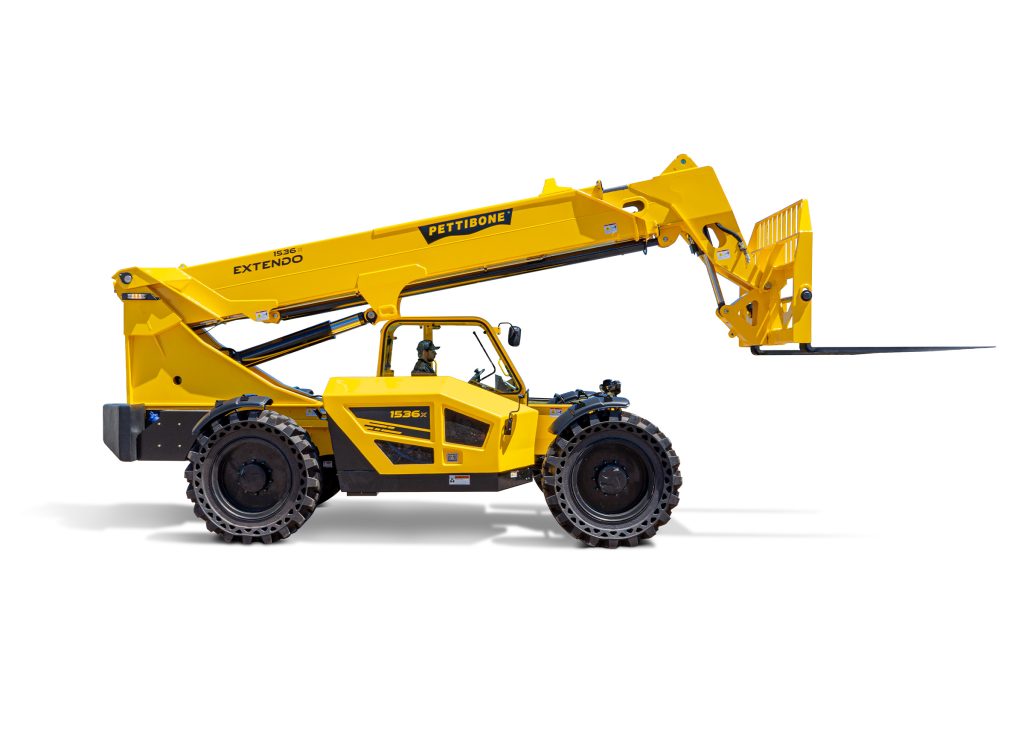
Pettibone introduces the Extendo 1536X telehandler to its X-Series product lineup. In addition to providing heavy-duty material handling performance on construction job sites, the 1536X is designed to operate with a baler attachment for industries that routinely move pipe or poles. The Extendo 1536X features a 2-section boom comprised of formed boom plates offering greater strength while reducing weight. The boom design gives the telehandler an impressive maximum load capacity of 16,000 pounds with standard fork frames. Even when extended to its maximum lift height of 36 feet, the machine can lift up to 13,000 pounds. The 1536X is powered by a 120-horsepower Deutz TCD 3.6 Tier 4 Final diesel engine. Mounted onto a side pod, the engine offers easy accessibility to components and daily service checks while allowing for exceptional curbside visibility and a ground clearance of 20 inches. The telehandler has a 30-gallon fuel tank and comes standard with foam-filled tires. For oil and gas market and utility industry operators, the 1536X offers a baler attachment, also commonly known as a pipe and pole grapple. The implement is explicitly designed for stockyards and other pipe and pole handling applications. When equipped with the baler, the machine delivers a maximum load capacity of 14,700 pounds. The Extendo 1536X comes standard with X-Command®, a Pettibone telematics program that offers real-time access to machine data, saving equipment owners and service technicians time and money. Built on Pettibone’s next-gen X-Series platform, the 1536X features an advanced boom design. Boom deflection is minimized for better control and accuracy when placing loads. Significant boom overlap provides smoother operation and reduces the contact forces on wear pads, thereby extending service life. An external, bottom-mounted extended cylinder further reduces the load on wear pads by up to 50 percent. The cylinder location provides improved service access to internal boom components. Fastener-less wear pads also simplify service, and heavy-duty extension chains help to ensure stable boom functions. Pettibone’s tried-and-true hydraulic circuit delivers exceptional controllability and operating feel while enhancing efficiency and cycle speeds. Cylinder cushioning dampens the end of strokes—both extending and retracting—to avoid the wear and tear of hard, jarring stops and help prevent the potential spilling of a load. The 1536X uses a single lift cylinder that improves operator sight lines and has twin hydraulic lines for tilt and auxiliary plumbing. The drivetrain and axles are optimized to provide more significant tractive effort with minimal tradeoffs on top-end speed. A pintle-hitch mount adds versatility for towing. Built for use on rough terrain, the machine offers full-time 4-wheel drive with a limited-slip front-axle differential. Tight-steer-angle capability provides an efficient turning radius. The Dana VDT12000 Powershift transmission offers three speeds: forward and reverse. The Extendo operator cab maintains Pettibone’s ergonomic seat, pedal, joystick, and steering wheel positions while optimizing line of sight in all directions. An analog/LCD gauge cluster comes standard, and an optional 7-inch digital display with an integrated backup camera is also available. The cab also offers enhanced climate control, flat bolt-in glass, a split-door design, an openable rear window, lockable storage under the seat, and water-resistant components for easy interior washdown. The all-steel fuel and hydraulic tanks are built to resist damage, and the lockable fuel fill is in a clean, accessible location. Options include solid tires, a sling hook for additional load security, a high-output LED lighting package, and a variety of attachments.
Fairlane Products bearing and stud mount rollers
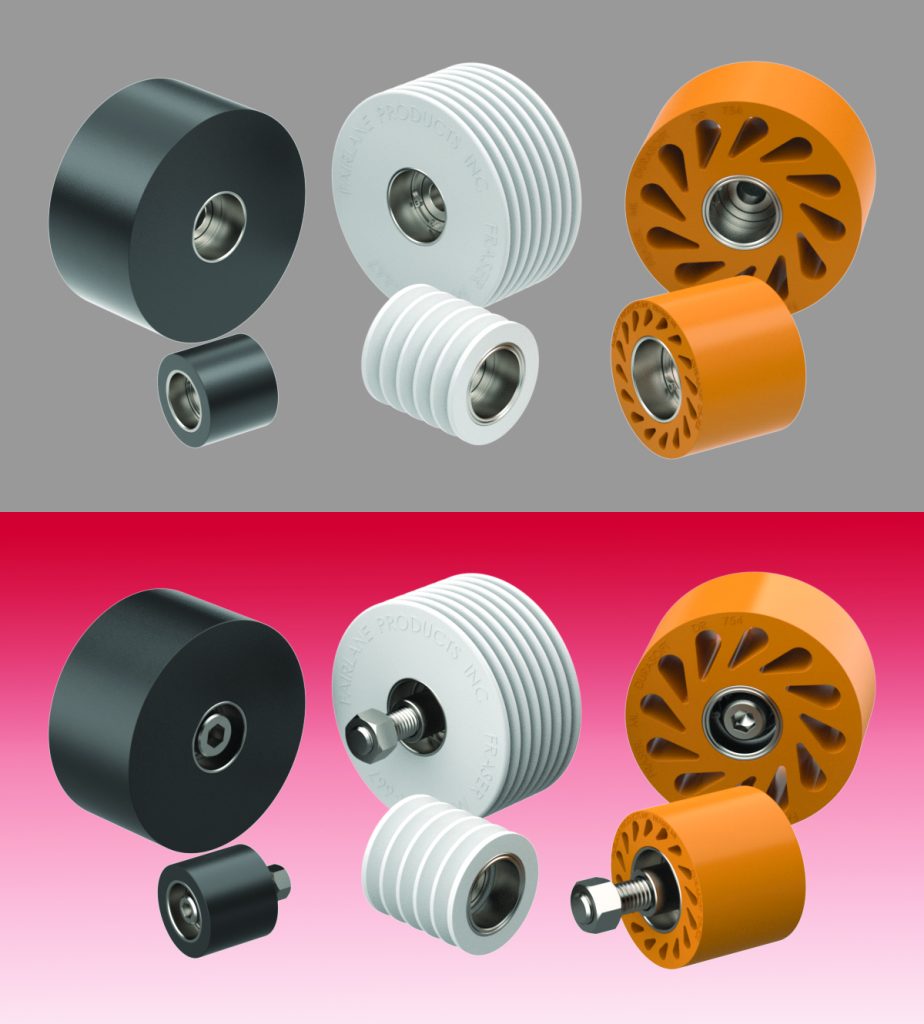
Fairlane Products, Inc. offers a complete line of both bearing mount and stud mount rollers. Rollers are designed to protect the delicate, the fragile, and the unusual from conveyors, guides and support to machines and assembly operations. Both the bearing and stud mount versions come in a variety of configurations: solid, finned and DuraSoft®, and in 20 to 95 durometers. The solid bearing mount, with diameters from 1.5 to 6 inches and widths from 1 to 2 inches comes in a smooth neoprene, nitrile or urethane surface that is permanently bonded to a steel insert with the bearings held into place with snap rings. Neoprene rollers are chemical resistant and non-marring. They are heavy-duty and ideal for harsh manufacturing environments. Nitrile rollers are also chemical resistant and non-marring. They are suitable for applications where part protection and appearance are critical. Urethane rollers are more rugged and wear-resistant than conventional rollers. The finned version, with diameters of 2 to 4 inches and widths from 1 to 2-inch also comes in neoprene, nitrile, or urethane. There are grooves on the surface and are permanently bonded to a steel insert with the bearings held into place with snap rings. The proprietary DuraSoft®, in diameters of 2.5 to 4 inches and widths from 1 to 2-inch has “teardrop” holes that allow the roller to flex for firm yet non-marring contact. They work in conveyance, fixturing, assembly, and materials handling. The rollers have a smooth surface and like the solid and finned versions are permanently bonded to a steel insert with the bearings held into place with snap rings. All solid-bearing mount rollers also come in precision bearing and precision sealed bearing varieties with similar diameters and widths. The stud mount rollers are rollers with bearings and mounting hardware is assembled with the hub in place. The hub extends from one side to the other. They also come in smooth neoprene, nitrile or urethane surfaces that are permanently bonded to a steel insert and are available in solid, finned, and DuraSoft®, versions. Their diameter and width are similar to the bearing mount rollers, but the thread hardware varies from 5/16-18 x 1.75 to 1/2-13 x 2.275. All stud mount rollers also come in precision and sealed bearing varieties. In addition to bearing mount and stud mount rollers, Fairlane Products also has a full line of round, square, and rectangular bumpers available. The company also designs and manufactures a wide range of work holding and positioning components, rollers, replaceable grippers, rest pads, and Swivots® — modular components for holding and positioning of irregular contour surfaces, quick releases ball lock pins, work holding grippers, TG GripSerts and GP-series gripper pads.
Six steps to adopting a culture of safety

Learn how to create a safe, productive workplace JLG Industries, Inc., an Oshkosh Corporation business and a manufacturer of mobile elevating work platforms (MEWPs) and telehandlers, offers a new whitepaper, Adopting a Culture of Safety, that outlines six steps companies can take to create a safe, productive workplace. Topics addressed in the paper are how to adapt EH&S programs to meet safety expectations, implement strategies for training, coordinate successful shift-to-shift handoffs, plan for emergencies, utilize signage to keep people informed and regroup to prevent repeat mistakes. Building on the concepts and strategies outlined in its earlier whitepaper, 10 Tips for Creating a Safety-Focused Work Culture, JLG points out in the Adopting a Culture of Safety whitepaper that creating and maintaining a workplace safety culture go beyond following OSHA standards, wearing personal protective equipment (PPE), following training videos, having safety captains and issuing incident reports. The most effective workplace cultures aren’t the error-free ones. They are the ones who are relentless in their effort to learn and improve from mistakes as they happen — and, most importantly, they work to prevent them from happening in the first place. In this new whitepaper, JLG offers immediate steps companies can take to adopt a safety culture within their organizations, making them a fundamental part of an organization’s operations and a critical component of the company’s long-term success.
Lithium Forklift Batteries are key to environmental sustainability in material handling

Material handling equipment has always been required to be efficient, reliable, and safe. However, as industries evolve, the focus on sustainability has become increasingly crucial. Today, every major industrial sector aims to lower its carbon footprint, reduce its environmental impact, and meet stringent regulatory targets—and the material handling industry is no exception. The growing demand for sustainability has accelerated the adoption of electric forklifts and lithium forklift battery technologies as pivotal solutions. In this blog, we’ll explore how electric forklifts and lithium forklift batteries are revolutionizing the material handling industry, offering power solutions that enhance both sustainability and performance. Switch from Fuel to Electrification: Powered by Forklift Batteries In the 1970s and 1980s, the material handling market was dominated by internal combustion (IC) engine forklifts. Fast forward to today, and the dominance has shifted to electric forklifts, partly attributed to more affordable and improved electrification technologies, reduced electricity costs, and the consistently high costs of petrol, diesel, and LPG. However, the most significant factor can be put down to the increasing concern over the emissions from IC engine forklifts. Many regions across the world are enacting regulations to reduce emissions. For instance, the California Air Resources Board (CARB) is working to help material handling operations retire internal combustion (IC) engine forklifts from their fleet gradually. The increasingly stringent regulations on air quality and risk management have made electric forklifts powered by batteries more favorable for businesses over internal combustion models. Compared with traditional diesel engines, forklift battery power solutions offer significant environmental benefits, drastically reducing air pollution and greenhouse gases and promoting a more sustainable way to industrial operations and logistics. According to the US Department of Energy, when used for over 10,000 hours, IC engine forklift trucks will generate 54 tons more carbon than electric forklifts. Lithium vs. Lead Acid: Which Forklift Battery is More Sustainable There are two main battery technologies that power electric forklifts: lithium-ion and lead-acid batteries. While batteries produce no harmful emissions during use, their production is associated with CO2 emissions. Lead-acid batteries generate 50% more CO 2 emissions over their life cycle than lithium-ion batteries and also release acid fumes during charging and maintenance. Therefore, lithium-ion batteries are a cleaner technology. Moreover, lithium-ion batteries feature higher efficiency, as they can typically convert up to 95% of their energy into useful work, compared to about 70% or even less for lead-acid batteries. This means electric forklifts powered by lithium-ion batteries are more energy-efficient than their lead-acid counterparts. Due to the longer lifespan of lithium-ion batteries, typically around 3500 charge cycles compared with 1000 to 2000 for a lead-acid one, the maintenance and replacement frequency are lower, which can lead to reduced future battery disposal concerns, aligning with businesses’ sustainability goals. As lithium-ion technology continues to improve with a reduced environmental footprint, it’s taking center stage in modern material handling. Choose ROYPOW Lithium Forklift Batteries to Go Green As a socially responsible company, ROYPOW is always committed to environmental sustainability. It has compared the carbon dioxide reduction of its lithium-ion forklift batteries with that of lead-acid batteries for clients. The result shows that these batteries can reduce carbon dioxide emissions by up to 23% annually. Therefore, with ROYPOW forklift batteries, Your warehouse isn’t just moving pallets; it’s moving towards a cleaner and greener future. ROYPOW forklift batteries use LiFePO4 cells, which are safer and more stable than other lithium chemistries. With a design life of up to 10 years and over 3,500 charge cycles, they provide long-lasting and reliable performance. The built-in intelligent BMS (Battery Management System) performs real-time monitoring and offers multiple safety protections. Additionally, the unique hot aerosol fire extinguisher design effectively prevents potential fire hazards. ROYPOW batteries are rigorously tested and certified to industry standards, including UL 2580 and RoHs. For higher-demanding applications, ROYPOW has developed IP67 forklift batteries for cold storage and explosion-proof forklift batteries. Each battery comes with a safe, efficient, and intelligent battery charger for enhanced performance. All of these powerful features ensure higher reliability, making them more sustainable in the long run. For forklift fleets seeking to replace lead-acid batteries with lithium-ion alternatives to support environmental initiatives and increase sustainability in the long term, ROYPOW will be your trusted partner. It offers drop-in-ready solutions that ensure proper battery fitment and performance without the need for retrofitting. These batteries comply with the BCI standards, set by the leading trade association for the North American battery industry. The BCI Group Sizes categorize batteries based on their physical dimensions, terminal placement, and any special features that could affect fitment. Conclusion Looking ahead, sustainability will continue to drive innovation in material handling, leading to greener, more efficient, and cost-effective power solutions. Businesses that embrace the integration of advanced lithium forklift battery technologies will be well-positioned to reap the rewards of a sustainable tomorrow. SOURCE: Jodie Miller, Managing Partner, ROYPOW
KEEN Utility introduces the new fan favorite San Jose 90°
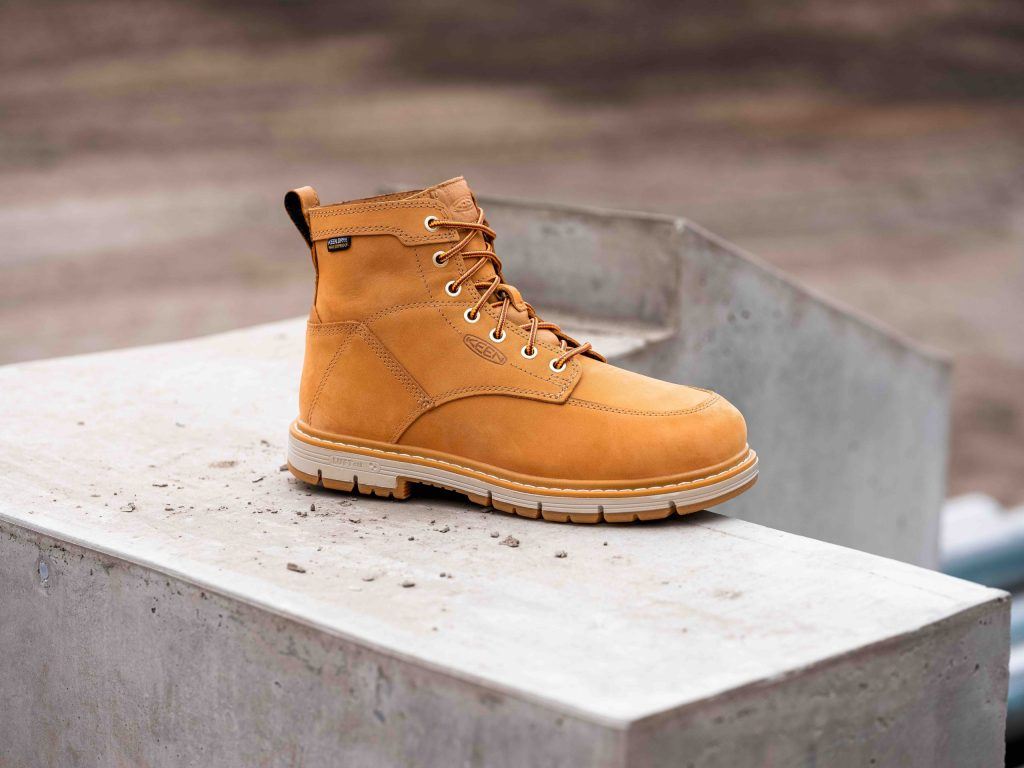
New for Fall ‘24, KEEN Utility introduces the new San Jose 90°. Featuring a 90° heel on the fan-favorite San Jose, this work boot provides additional stability on ladders, scaffolding, and soft surfaces. Product highlights include lightweight aluminum safety toes, premium all-leather upper, and KEEN.DRY waterproof, breathable membrane, and KEEN Luftcell air-infused cushioning. Razor siping on the rubber outsole ensures slip-resistant footing, especially on wet surfaces. Adding stability and grip to a well-loved style, the San Jose 90° is available in several colorways for both men and women.
Women In Trucking Association names Tracy Rushing as 2024 Influential Woman in Trucking
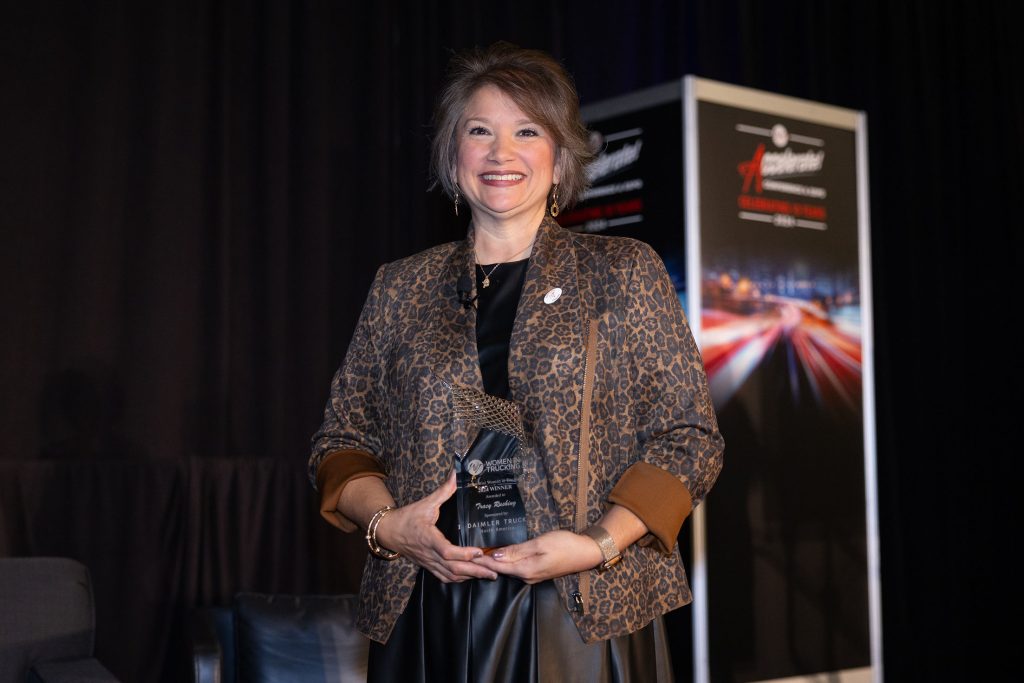
The Women In Trucking Association (WIT) presented Tracy Rushing, Executive Director of Safety and Recruiting, RE Garrison Trucking, Inc. with the 2024 Influential Woman in Trucking award. The award is sponsored by Daimler Truck North America (DTNA) and recognizes the achievements of female role models and trailblazers in the trucking industry. “Women In Trucking is honored each year to name a leader in our industry who demonstrates remarkable grit, talent and passion to advance opportunities for women in trucking,” said Jennifer Hedrick, WIT President and CEO. “We’re thrilled to give this honor to Tracy Rushing this year. Tracy’s commitment to this profession and desire to mentor future leaders is an example for all of us.” The winner was announced during the WIT Accelerate! Conference & Expo in Dallas, Texas. The announcement came after the panel discussion “Becoming an Influential Woman in Trucking.” Panelists consisted of the 2024 award finalists: Lisa Gonnerman, Vice President of Enterprise Services, TA Dedicated, and Sheri Aaberg, Chief Operating Officer, Transport Enterprise Leasing. The panel was facilitated by two 2024 WIT Top Women to Watch in Transportation: Kelley Martin, Director of Aftermarket, and Heather Callahan, Director of Logistics, both with DTNA. The conference session concluded with Rushing sharing HERstory with nearly 2,000 attendees. She began her career 30 years ago in a scale house and grew into leadership roles through perseverance, mentorship and a strong work ethic. She shared personal stories including her early years in trucking and the importance of relationships in the industry. She left the audience encouraged to find their “why” in trucking and strive to leave a legacy of support, inclusion, and opportunity for future generations of trucking professionals. “I’m incredibly grateful to be named 2024 Influential Woman in Trucking but this honor isn’t mine alone. It belongs to all the women who have paved the way and continue to push our industry forward. I’m just proud to be a part of this community of strong, dedicated women who work tirelessly to keep America moving. We’re all in this together, and I’m thankful every day that I get to be a trucker,” said Rushing. Rushing is an active member of the Society of Human Resources Management (SHRM), Truckload Carriers Associations (TCA) and the Alabama Trucking Association’s Safety & Maintenance Management Council (SMMC). She serves on the Risk Management Advisory Committee of the ATA Comp Fund (RMAC), the Women In Trucking Membership Committee and is the chair of the Truckload Carriers Association’s (TCA) Safety, Recruiting and Retention Committee. “This year, Daimler Truck North America attended the WIT Accelerate! Conference & Expo with the theme ‘one of many.’ It’s about being part of a larger community, not just the only one or the best one, but one of many. The finalists for the Influential Woman in Trucking Award embody this vision. Through their dedication and hard work, they are paving the way for women to excel and thrive in our industry,” said Kelley Martin, DTNA. “Additionally, I’d like to congratulate Tracy Rushing for being named the 2024 Influential Woman in Trucking. Her outstanding career and unwavering passion have made a lasting impact on the trucking industry and beyond and she is truly deserving of this prestigious honor.”
Bobcat machine IQ remote engine disable/enable available across additional equipment

Two-way functionality now available for select Bobcat Compact Excavators, Compact Wheel Loaders and Toolcat Utility Work Machines Bobcat Company has expanded its Machine IQ Remote Engine Disable/Enable technology to function with additional products in its lineup. Originally announced in June 2024 on select compact track loaders and skid-steer loaders, the technology can now be additionally used for select Bobcat compact excavator, compact wheel loader and Toolcat™ utility work machine models. Equipment owners for models that do not have telematics hardware factory-installed can purchase an aftermarket kit through their local dealer. The Remote Engine Disable/Enable feature allows customer users in North America and Europe to remotely disable and re-enable their machine’s engine through the Owner Portal or Machine IQ app. With Remote Engine Disable/Enable, owners and operators can disable their equipment’s engine with a few clicks, deterring theft and aiding in quick machine recovery. This feature is also valuable for rental businesses, enabling dealer owners to remotely stop equipment if rental agreement terms are not met. If unauthorized use is suspected, owners can log into their Bobcat Owner Portal or Machine IQ app to pinpoint the location of their equipment and choose to disable the engine. Upon executing the disable command, any attempt to start an engine in an off state will fail. If the machine is in operation, the engine will shift into de-rate mode. Remote Engine Disable/Enable is available for Machine IQ Health and Security subscribers with connected and compatible Bobcat machine(s).
Columbia/Okura launches innovative miniPAL® Cobot Rental Program
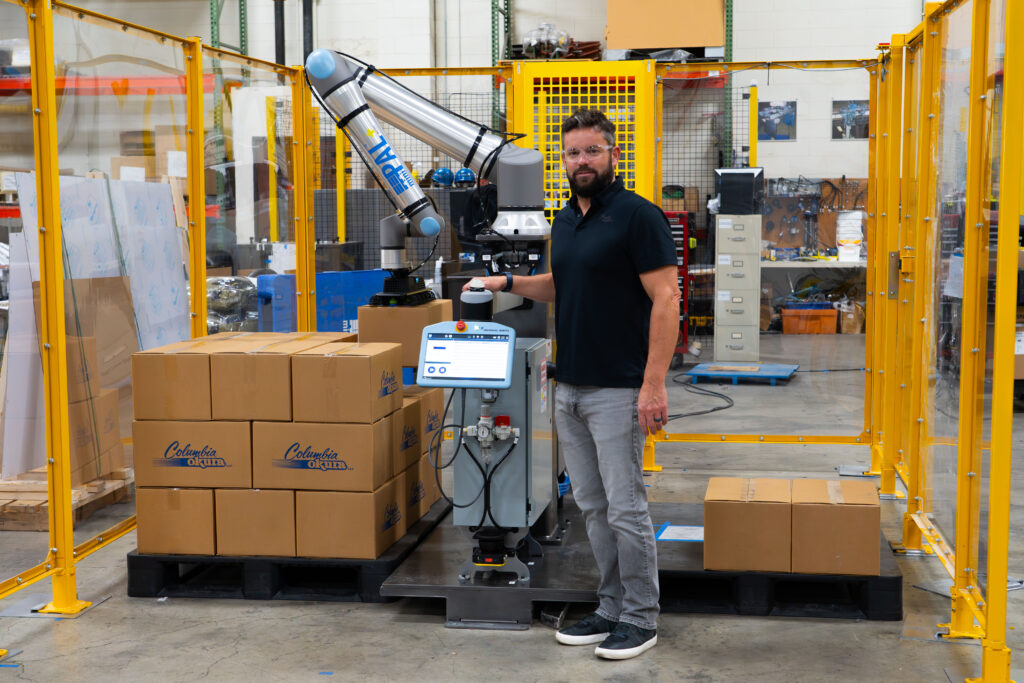
Flexible, scalable collaborative palletizing solutions now available for rent Columbia/Okura has announced the launch of its new miniPAL® Cobot Rental Program. This innovative program offers businesses a flexible and scalable solution to automate repetitive palletizing tasks. miniPAL The miniPAL® cobot rental program provides companies with access to advanced palletizing technology without the need for significant upfront capital investment. With its compact design, versatility, and ease of integration, the miniPAL® cobot can be quickly deployed to enhance efficiency and reduce labor costs. KEY BENEFITS OF THE miniPAL® COBOT RENTAL PROGRAM: Cost-effective: Minimal upfront capital investment Versatile: Compatible with various product types and packaging applications Compact: Easily integrates into existing systems, even in limited spaces SPECIFICATIONS: miniPAL® 20: 44 lb load capacity, 10’ x 11’ footprint, 48″x 48″ max pallet size, 80″ load height, up to 8 picks per minute Vacuum style end effector: Ideal for various product types Quick deployment: Pre-configured rental-ready units Applications: Cases, spot packs, trays, bundles, and plastic bags Pally software: Easy-to-use pattern-building software PROGRAM DETAILS: The initiation fee includes outbound shipping and deployment Minimum 3-month commitment with convenient monthly billing. Basic operator training included Pally palletizing software included “We’re thrilled to introduce our new miniPAL® Cobot Rental Program. This innovative solution addresses the growing need for flexible and affordable automation. By offering a rental option, we’re empowering businesses of all sizes to adopt collaborative robotics and boost their productivity without significant upfront costs.” – Michael Stuyvesant, Sales & Marketing Director By automating palletizing tasks, businesses can improve productivity, reduce errors, and free up their workforce to focus on more strategic activities. The miniPAL® cobot rental program offers a hassle-free solution that can help companies optimize their operations and achieve long-term success.
Russell named recipient of 2024 Wendy B. McDonald Woman of the Year Award

Cindy Russell, Continental, has been selected by the PTDA Foundation as the recipient of its 2024 Wendy B. McDonald Woman of the Year Award. The award recognizes a woman who established herself as a critical contributor to her company’s success in the past year and created positive change in the power transmission/motion control (PT/MC) industry at any level in her career. Russell was honored during the PTDA 2024 Industry Summit on October 25 at The Broadmoor in Colorado Springs, Colo. In 2023, Continental’s group sector, ContiTech, pivoted from a product-centric model to a customer and industry-focused approach. Russell, as head of Distribution for Canada, led ContiTech through its largest reorganization in history, ultimately achieving the largest sales in North America for industrial distribution and power transmission distribution businesses. “In 2023, when we needed Cindy’s leadership the most, she once again took our business and industry to new levels,” says Guy Enta, VP—Distribution Businesses, Continental. “She has a natural desire to work with people to find the best solutions where all involved win. Combined with her business sense, Cindy led Team Canada, from both a business and personal development perspective, to a great place in 2023. Her work helped advance not only the power transmission, but also our other distribution businesses.” Russell, who’s enjoyed a 29-year tenure with Continental, says her belief in the products and the company has been instrumental in forging strong customer relationships. “Be proud of what you do. When you believe in what you’re selling, it builds trust between you and the customer.”
Joe Glandorf Honored as 2024 Robert K. Callahan Advancing Leaders Award Recipient
Joe Glandorf, Continental ContiTech, has been awarded the 2024 Robert K. Callahan Advancing Leaders Award. The award recognizes up-and-comers in the power transmission/motion control (PT/MC) industry who demonstrate leadership and a desire to grow in all facets of their career. Glandorf accepted his award during the PTDA 2024 Industry Summit on October 25 at The Broadmoor in Colorado Springs, Colo. Beginning his career as a field sales representative in 2014, Glandorf rapidly climbed the corporate ladder. In 2023 he was named to his current role as head of Power Transmissions Solutions for Continental ContiTech. His strategic leadership on Continental’s Distributor Advisory Council has been instrumental in expanding the company’s market presence and reinforcing its position as an industry partner and leader. “Joe successfully repositioned power transmission as an untapped and significant player in solutions for our customers,” says colleague Kelly Bray, head of Marketing Communications. “Through his strategic vision and leadership, he identified new market opportunities and drove initiatives that highlighted the value and potential of our power transmission products.” Glandorf attributes much of his success and knowledge of the PT/MC industry to the leadership and mentorship he’s received. “The supervisors I’ve had in the past are the crux of it—they’re the best in the industry,” says Glandorf. “They taught me how to approach innovation and take what I learned to develop the new power transmission team.” The Robert K. Callahan Advancing Leaders Award was established in 2021 in honor of past PTDA Foundation president and 25-year PTDA Foundation Trustee Bob Callahan in recognition of Bob’s commitment to the advancement of new talent within the PT/MC industry.
NORD offers continuous learning opportunities to better service customers

NORD provides their Authorized Distributors, sales partners, and internal team members with valuable, comprehensive training to ensure they can better serve customers using NORD’s innovative drive solutions NORD DRIVESYSTEMS is a manufacturing company with a clear focus on customer needs. Their global network stretches across more than 80 countries to provide short delivery times, local customer support, and rapid service. They consistently seek new opportunities for growth and ways to better support their customers. One of these ways is continuous training for their internal teams as well as their network of Authorized Distributors and sales partners. As part of the internal sales team, NORD District Sales Managers (DSMs) receive all-inclusive training when they join the company to enable them to have a high degree of knowledge when visiting and assisting customers. Due to the continued growth of industries and NORD, they must remain current on product and industry knowledge by attending sales meetings, and internal and external trainings, as well as reading sales manuals, books, or trade journals. NORD recently hosted a two-day training for their entire sales team that discussed variable frequency drives, MAXXDRIVE industrial gear units, and interchanges. NORD works with a network of approximately 500 experienced and highly knowledgeable distributors across North America to provide customers with prompt service. To help distributors deepen their knowledge and understanding of NORD products and services, NORD offers in-person individualized training as well as hosts Open Training four times a year across the four assembly plants in the United States. The three-day sessions are led by NORD industry experts and cover NORD gear units, MAXXDRIVE industrial gear units, electric motors, electronic control products, and an overview of the myNORD online customer portal. The trainings also feature hands-on activities such as gear unit selections and building UNIVERSAL worm drives. Private training can be held where requested by the distributor such as their facility, an on-site location, at one of NORD’s facilities, or online. NORD will match the training curriculum to the distributor’s needs to ensure they are able to offer quality support to customers. In 2025, NORD will begin offering online seminars that cover gearboxes, motors, specific applications, and more. NORD’s trainings on the myNORD online customer portal are presented by the eBusiness team and showcases a comprehensive overview of their online tools. Attendees can expect to complete the training knowing how to size a unit for a new application, configure products, generate quotes with account-specific pricing, track existing orders, as well as navigate the Spare Parts Shop. Also covered is how to access previous order history, serial number documentation, and operation and maintenance manuals. These trainings are available to customers and distributors in person at a designated facility, during Open Distributor training at NORD facilities, or via an interactive online course.
ORBIS introduces 60×48 industrial pallet
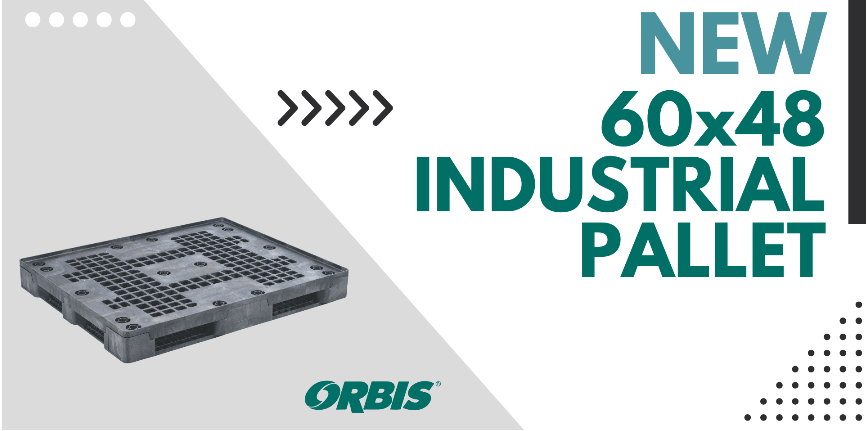
ORBIS® Corporation has announced its latest innovation in sustainable packaging materials by introducing a new 60×48 industrial pallet specifically designed to cater to the unique requirements of EV and powertrain applications. Manufactured through Structural Foam Injection, this pallet boasts exceptional durability and reliability, making it an optimal choice for use within the industrial and automotive sectors. It is well-suited for transporting powertrain and EV components such as modules and longer battery components. It offers compatibility with automation and edge-racking systems that enhance operational efficiency and versatility in handling and storage. “We’re so excited to introduce our new 60×48 as this reinforces our ongoing commitment to provide reliable and durable solutions for the EV and powertrain industries, said Bre Herbert, senior product manager. “With this new product, we’re able to offer enhanced load security and efficiency in handling and transportation.” Measuring 59.9×47.9 inches externally and 59.1×47.1 inches internally, this pallet features a continuous lip standing at 1 inch in height. This design enables edge-racking capability and the option to incorporate metal reinforcements for added strength. Additionally, it is compatible with totes, EPP or thermoform trays, providing a comprehensive solution. ORBIS also offers a 60×48 thermoform top cap to secure unit loads.
JLG names new leader for EMEAI

JLG Industries, Inc., a manufacturer of mobile elevating work platforms (MEWPs) and telehandlers, named Rogerio dos Santos Vice President EMEAI Region and Global Strategy / Mergers and Acquisitions for Access Equipment. In his expanded role, dos Santos will be responsible for profitable market share growth in the Europe, Middle East, Africa, and India (EMEAI) region in addition to his current roles leading strategy and mergers and acquisitions. Most recently, he led the integrations of Hinowa and AUSA, both European-based equipment manufacturers, into the Oshkosh Access segment’s portfolio of brands. dos Santos joined JLG in 2003 and has held a series of increasingly responsible roles during his tenure. Before joining the company, he worked for Case New Holland in Italy and Brazil, responsible for new product development of construction equipment machinery. “We look forward to the substantial contributions Rogerio will make in this position, bringing to the role his proven track record as a strategic leader and his extensive global experience,” says Mahesh Narang, executive vice president of Oshkosh Corporation and president of its Access segment, which includes JLG. dos Santos succeeds Karel Huijser, who will serve as an advisor to the company until April 2025. Huijser is also president of IPAF until March 2025. “Karel built a strong and diverse team in EMEAI who confidently drove success and managed through challenges,” continues Narang. “This foundation provides us a strong pathway to the future. We are grateful for his years of leadership.” Adds dos Santos, “We will continue to grow a strong regional base in EMEAI through investments in our team members, our customers, and our products, delivering purpose-built products best suited to the region’s needs.”
September 2024 Manufacturing Technology Orders jump as IMTS returns to Chicago

Orders of manufacturing technology, measured by the U.S. Manufacturing Technology Orders (USMTO) report published by AMT – The Association For Manufacturing Technology, totaled $450.6 million in September 2024. These orders for metalworking machinery increased 24% from August 2024 and increased 14.6% over September 2023 orders. Year-to-date orders reached $3.35 billion, a decline of 7.7% compared to the first three quarters of 2023. Orders in September 2024 were at the highest level of the year and 5.1% above an average September. While this may be a good sign for an industry looking to find a bottom after nearly three years of decline, the optimism comes with a major caveat: orders were 9.1% lower than in an average IMTS September. Orders tend to peak for the year in September of even years, when IMTS – The International Manufacturing Technology Show, the largest manufacturing trade show in the Western Hemisphere, is held in Chicago. However, this year’s lower-than-average order level may be due to many show attendees planning for longer investment timelines. Contract machine shops, the largest customer segment for manufacturing technology orders, increased their orders to the highest level since March 2023. These job shops are a major bellwether for the wider industry, as sudden demand from this segment indicates that OEMs are increasing orders from them to meet additional capacity needs. If this demand remains elevated, it will typically lead to later investments across customer industries. The aerospace sector pulled back orders by nearly a third from August 2023. This is no surprise because the Boeing machinist strike caused major disruptions to the industry’s output beginning in the latter half of September 2024. Since the strike lasted for the entirety of October 2024, we can expect a similar drop-off in orders in next month’s report. New orders from airlines continued to roll in throughout the strike, and with the strike ending in November, the industry is positioned to finish the year with additional investments should capacity utilization quickly return to its pre-strike level. Orders from the automotive sector have lagged for most of 2024. This changed in September when manufacturers of automotive transmissions increased orders to their highest level since August 2023. This investment is not surprising, as automakers have been reassessing their outlook for the electric vehicle market throughout much of the year. Throughout most of 2024, manufacturers hesitated to invest in manufacturing technology due to concerns over heightened interest rates and November’s U.S. presidential election. In September, the Federal Reserve cut rates after a year of its “higher for longer” monetary strategy to reduce inflation. We may not see the effects of this development until the October 2024 data is released, and the effects of a further rate cut and the effects of the presidential election may not be seen until the November data is released. While these political and economic events may prove consequential to buying decisions, another major factor that could spur additional investment in the remaining few months of 2024 is the next step in the phase-out of the bonus depreciation allowance from the Tax Cut and Jobs Act of 2017. While investments in capital equipment are subject to 60% additional depreciation in 2024, that bonus will decrease to 40% in 2025. As the gap in orders between 2023 and 2024 has narrowed over the last two months, the reduction in headwinds puts the manufacturing technology industry in a position to end the year strong.
Why Operationalizing Strategy isn’t about Communicating Proclamations

Here’s a line in a corporate strategy document from a multi-billion-dollar client I was working with a few years ago: “We need to focus on better understanding the evolving needs of our current and future customers and tailor solutions to meet those needs.” What the hell? Isn’t that what the company should do as just a basic, daily operating principle? That’s not a strategy; it’s a proclamation. Sure, it sounds nice, important, and like something “we should focus on.” But it doesn’t tell employees how. How you’ll identify unique customer needs and how you’ll uniquely tailor those solutions. I mean, if this is a strategy, I don’t know why I haven’t gone to every single client and told them this. Likely, they’d laugh in my face and tell me, “No shit – thanks for that insight.” Any CEO who says this crap to their board should be reprimanded at least and fired at worst. They don’t know anything about strategy. And if people don’t know how to craft a strategy, they’ll fill in templates with the obvious and give the company no true direction or advantage. In short, if your strategy makes statements that no one would refute, you haven’t made any real strategic choices at all. On the flip side, being too constrained will limit the organization’s opportunity to explore new ideas despite having the means and capacity to pursue them. Here’s another excerpt from that same corporate strategy: “We will generate salesperson success through improved onboarding and team selling.” Okay, but are onboarding and team selling the only barriers to salesperson success? How is “salesperson success” defined? What about other ways to support salesperson success? What about other departments’ contributions to generating salesperson success, not just the sales team’s efforts? Moreover, what problem is “improved onboarding” solving? Is the problem getting new salespeople productive more quickly? Or is it reducing salesperson attrition? These have wildly different solutions. What problem is “team selling” solving? Is it getting departments to communicate more effectively? Or is it uncovering hidden customer needs? Or something else? Again, there are different solutions to different problems. Without a clear understanding of the problems being addressed, the “actions” defined in the strategy can unintentionally cause the organization to spend resources on the wrong things. About the Author: Andrea Belk Olson is a keynote speaker, author, differentiation strategist, behavioral scientist, and customer-centricity expert.As the CEO of Pragmadik, she helps organizations of all sizes, from small businesses to Fortune 500, and has served as an outside consultant for EY and McKinsey. Andrea is the author of three books, including her most recent, What To Ask: How To Learn What Customers Need but Don’t Tell You. She is a 4-time ADDY® award winner and host of the popular Customer Mission podcast. Her thoughts have been continually featured in news sources such as Chief Executive Magazine, Entrepreneur Magazine, Harvard Business Review, Rotman Magazine, World Economic Forum, and more. Andrea is a sought-after speaker at conferences and corporate events throughout the world. She is a visiting lecturer and startup coach at the University of Iowa, a TEDx presenter, and TEDx speaker coach. She is also an instructor at the University of Iowa Venture School.
Inaugural PTDA Foundation Employee and Student Scholarship Recipients announced
The PTDA Foundation recognizes the urgent need for skilled professionals in the power transmission and motion control (PT/MC) industry. As such, it is committed to helping PT/MC employers further the education of current and upcoming talent by introducing two new scholarship programs. “We developed the PTDA Foundation scholarships to promote the study of a power transmission or motion control-related field in engineering, technology, or business. The PTDA Foundation was pleased by the reception and the number of employee and student scholarship applications received for our inaugural year of this program,” explained Matt Pavlinsky, PTDA Foundation President. The employee scholarship provides recipients with $2,500 to continue their education for further advancement in their PT/MC career. The 2024 recipients are: Kylie Hester, Regal Rexnord Ohio University, master’s of Business Administration Tom Ley, NORD DRIVESYSTEMS Madison College, professional certification in Project Management Brian Malambwe, Regal Rexnord Purdue University, bachelor’s degree in Engineering Science Emily Soller, Regal Rexnord University of Wisconsin-Madison, master’s of Business Administration “This scholarship will further my career by giving me the tools necessary to best facilitate projects,” says Tom Ley of Regal Rexnord, employee scholarship recipient. “It will help me become a value-added employee and learn how to better interface with professionals. My Project Management Professional certification will also help me provide excellent customer service by providing on time deliverables to our customers.” The student scholarship provides recipients with $3,000 toward their education in a PT/MC-related field. The 2024 recipients are: Josh Bourbeau, Bismark State College Field of Study: Engineering Justin Christensen, University of Nebraska Kearney Field of Study: Supply Chain Management/Technical Sales David Dell, Adrian College/North Dakota University Field of Study: Mechanical Engineering, Physics Caden Palamar, Frostburg State University Field of Study: Mathematics, Engineering Ria Sharma, Texas A&M University Field of Study: Engineering “What interests me about supply chain management and technical sales is the customer engagement and unique perspectives you gain from the people you interact with,” says Justin Christensen, student scholarship recipient. “Power transmission and motion control not only affect communities, but it also affects the world. This scholarship not only helps me financially, as I’m a first-generation college student, but it’s a great confidence booster.” Read more about each recipient online at ptworkforce.org/scholarships. Applications for 2025 scholarships will be available in January. The PTDA Foundation, funded solely by donations, was founded in 1982. Its core purpose is to champion education, outreach, and research initiatives relevant to the PT/MC industry that enhance industry stakeholders’ knowledge and/or professionalism and productivity. The PTDA Foundation is a not-for-profit, tax-exempt 501(c)(3) corporation; contributions are tax-deductible to the full amount allowed by law. For more information, visit ptworkforce.org.
Episode 536: Paving the way to warehouse sustainability with Green Building Initiative

In this episode of The New Warehouse Podcast, Kevin sits down with Megan Baker, Vice President of Engagement at the Green Building Initiative (GBI). GBI, a key player in green building certification, promotes sustainable building practices through its Green Globes Certification Program. Baker delves into GBI’s initiatives to improve sustainability, resilience, and health in commercial spaces, particularly on warehouses. With warehouses evolving beyond mere storage boxes, GBI’s approach encourages warehouse owners and developers to consider sustainable practices, from the materials they use to the infrastructure they support. Adapting Green Globes for Warehouse Sustainability GBI’s Green Globes certification offers flexible criteria tailored to various commercial buildings, including warehouses, which are typically designed to house goods rather than large teams of employees. Baker highlights the Core and Shell Program, which addresses unique warehouse needs, allowing developers to focus on sustainability features pertinent to their projects. “People often think warehouses have limited sustainability potential, but that’s far from the truth,” says Baker. “Elements like site enhancement, indoor air quality, material emissions, lighting, and energy-efficient equipment all contribute to a greener warehouse.” With GBI’s certification, developers can take these steps without incurring penalties for factors outside their control. The Regulatory Push and ESG Reporting Baker points out the increasing regulatory momentum around decarbonization goals, such as the U.S. Department of Energy’s zero-emission building standards. These are “major market drivers” pushing new and existing warehouse facilities toward sustainability compliance. Notably, she cautions developers to avoid overspending on Environmental, Social, and Governance (ESG) reporting at the expense of actual sustainability innovation, sharing that “a recent IBM study found that ESG reporting costs surpass sustainability innovation by 43%.” With policies like New York’s Local Law 97 enforcing penalties, Baker advises developers to invest in their assets’ long-term health rather than incur fines, effectively increasing the value of their properties while adhering to green standards. Sustainable Design, Cost Efficiency, and Future-Proofing Many assume that sustainability measures add to operational costs, but Baker argues this isn’t always the case. By implementing sustainability practices early in the construction process, developers can save on retrofitting expenses and enhance operational efficiency. “Putting in EV infrastructure while the ground is open,” she explains, “is much cheaper than ripping it up later.” Thoughtful decisions in sustainable building materials and efficient systems also foster resilience against extreme weather, reducing repair and insurance costs. “A sustainable design not only cuts operational expenses over time but can also make warehouses more resilient to weather and adaptable to future needs,” says Baker, encouraging warehouse owners to consider the broader value of green practices. Key Takeaways GBI’s Green Globes Core and Shell program addresses unique warehouse sustainability requirements. Decarbonization standards and regulatory policies are major drivers of sustainable warehouse practices. Sustainability features like EV infrastructure and energy-efficient systems save on long-term operational costs. Effective ESG reporting should support—not overshadow—meaningful sustainability actions. The New Warehouse Podcast Episode 536: Paving the way to warehouse sustainability with Green Building Initiative