
Cornerstone Automation Partners with Richard S. Burns & Company Inc. to Automate Patented Recycling Sortation Process for LEED Compliance
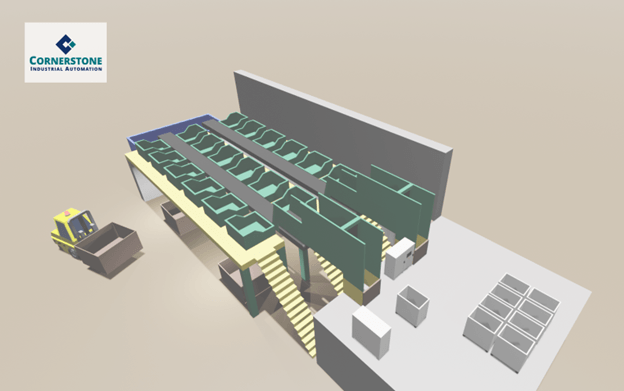
With the increasing emphasis on sustainability and recycling, Richard S. Burns & Company Inc. invented a patented system to help companies meet and document LEED Certification requirements. Cornerstone Automation was hired to automate portions of the process making it more sustainable and efficient Cornerstone Automation, a control system integration company based in Telford, PA, has announced the successful completion of the patented Tommy Cart® sortation solution for Richard S. Burns & Company Inc. Cornerstone’s role in automating their unique process included collaboration on the development of the software and designing and implementing the industrial controls required to manage the sortation of thousands of tons of construction waste and materials a day. Richard S. Burns & Company Inc. is a complete recycling and waste recovery facility out of Philadelphia, PA. They patented the Tommy Cart® solution, a highly maneuverable and effective alternative to dumpsters to provide a better alternative for loading out debris for any job site. The Tommy Cart® solution utilizes an automated lift and conveyor sortation system that tracks the collection and weights of all commodities and debris. Their one-of-a-kind process takes the weights of full individual bins of sorted commodities for each individual customer so that they have documentation to prove they are in compliance with LEED Certification requirements. Previous methods to track and weigh materials were not as accurate, and the manual sortation was much more cumbersome. “Cornerstone goes above and beyond the call of duty,” said Allen Burns, President of Richard S. Burns & Company Inc. “They’re a very resourceful group of people, and they’re very knowledgeable. They bring a lot to the table and the word “resourceful” just continually comes to my mind. Anytime we reach out to them they have an answer whether it’s something to do with our system or how to run better equipment.” “We were excited to work with Richard S. Burns & Company Inc. to automate their sortation process and are thrilled with its success,” said Alan Ferrin, President of Cornerstone Automation. “Automating portions of this process makes it more sustainable and efficient. This innovative solution ultimately costs less because it removes so much of the manual process, and is more accurate in terms of reporting than manually sorting all of that material.”
Signode to present end-to-end Automation and Packaging Solutions at PACK EXPO 2022
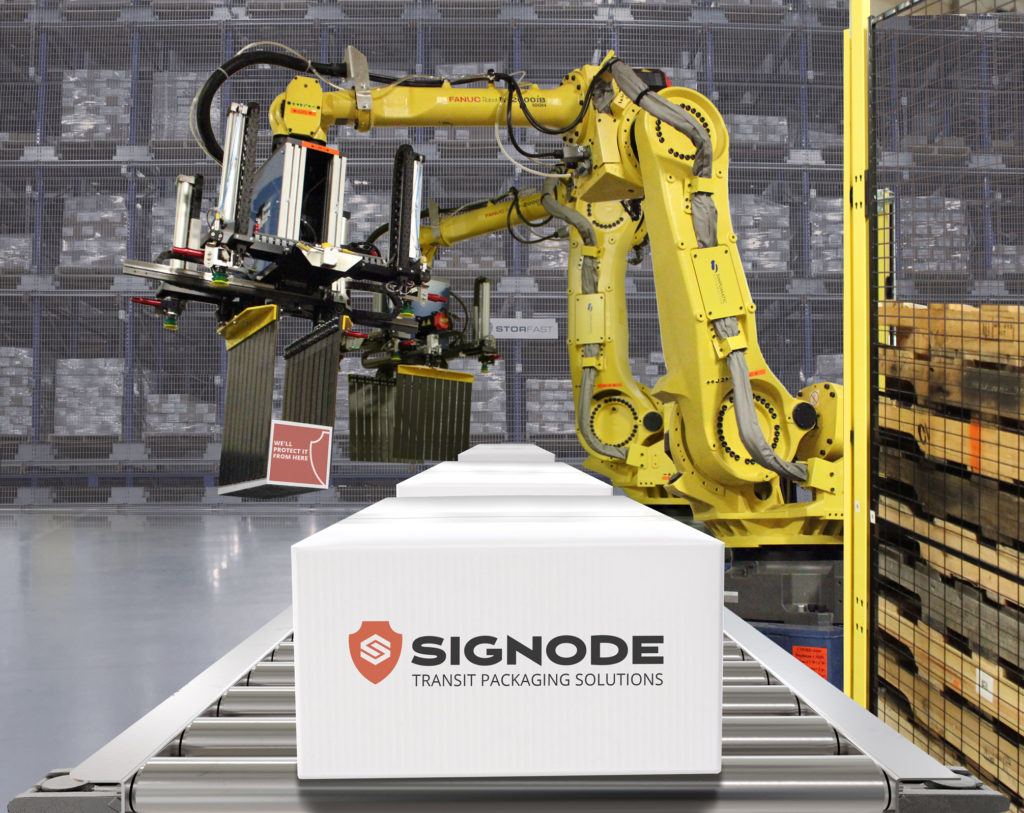
Signode will be featuring its “end-to-end” solutions at PACK EXPO 2022, to be held at McCormick Place in Chicago from October 23-26, 2022. Connected with live-stream video feeds, Signode will have booths in both the South Hall (Booth S-3742) and North Hall (Booth N-6015). Attendees will get a true feel for the packaging journey and the organization’s ongoing partnership with its global customers through Signode’s highlighted automation and packaging technologies. “The demand for increased automation is derived from multiple supply chain trends and challenges, but what it comes down to is our customers can’t afford for their product to be damaged before it gets to their customers,” said Mike Stein, Vice President, Marketing and Product Management, Signode. “Alongside a robust service team to help customers maintain and optimize their investment, Signode is able to provide a complete automation solution to maximize productivity, throughput, and uptime across industries.” Signode’s comprehensive suite of automated packaging equipment, tools, consumables, and warehouse automation solutions provide crucial support to the organization’s global consumers. The dual-booth Signode experience will provide a detailed look at how the organization serves the supply chain. The journey begins at booth S-3742 in the South Hall, where visitors have the opportunity to learn about the automated packaging solutions Signode provides to pack, unitize and protect products prior to transit. Among the solutions present, the PackPoint automated packaging system, LDX RTB 4.0 Semi-Automatic Random Case Sealer, Multi FleX1 Electric Hooder, and Signode’s Simplimatic® Pallet Transfer Autonomous Mobile Robot (AMR) will be featured. The PackPoint system combines five job functions into one, providing forming, packing, sealing, printing, and labeling all in one compact, streamlined unit. Configured to match production requirements, this system can be integrated with robotic picking and packing technology to increase efficiency. With belt speeds up to 155 feet per minute, the LDX-RTB 4.0 Semi-Automatic Random Case Sealer features patented technology that enables the processing of void-filled and over-stuffed cases with a pneumatic top cartridge. The robust design enables simplified maintenance and features case-hardened rollers and nonmechanical side rail actuation while delivering long performance and durability in the most demanding applications. The Multi FleX1 Electric is the latest addition to Signode’s popular Lachenmeier® brand of stretch hooders used around the globe for load containment. Featuring an electrically operated stretch frame and film handling system, its overall smaller footprint means that the Multi FleX1 Electric can also maximize valuable production floor space and be placed closer to a facility’s perimeter. Signode’s Simplimatic Pallet Transfer Autonomous Mobile Robot (AMR) is a fully integrated autonomous mobile robot (AMR) with a transfer conveyor. It facilitates easy integration of autonomous transfer pallets and gaylords in an existing facility. This system is made to dock to end-of-line roller or drag chain transfer conveyors and transfer loads automatically. It navigates autonomously throughout the facility without the aid of lines or magnetic strips and will actively reroute itself around obstructions in its path. Additionally, Signode will showcase a wide range of popular protective packaging options. From components used inside the box – providing edge and corner protection, cushioning, and crush resistance to products – to load-securing dunnage products safeguarding them through the entire transportation journey. Some of the protective product brands attendees will see highlighted include Shippers Dunnage Airbags, Multi-Wall Honeycomb, Angleboard® Edge Protection, and GatorStrap® Composite Lashing. In addition to the Signode solutions featured in the South Hall, the transit journey continues in booth N-6015 in the North Hall. Here, Signode will feature its end-of-line automation solutions for palletizing and storing products. Featured solutions include Signode’s Simplimatic® Essential Compact and Mixed Palletizers, the newly enhanced cart-based StorFast® ASRS system, and Signode’s Simplimatic® Universal Material Transfer Autonomous Mobile Robot. Signode’s Simplimatic Essential Compact and Mixed Robotic Palletizing Systems are engineered to load single or multiple pallets simultaneously. Signode offers palletizers in both conventional multi-axis as well as force-limiting collaborative varieties with payloads available ranging from .5 kg up to 700 kg depending on project need. All robotic palletizers are available with custom recipes to allow a single cell to handle multiple SKUs with variable stacking patterns. The StorFast ASRS system now operates at twice the speed, with improved control for acceleration and deceleration of the robotic carts. In addition, StorFast components can now handle pallets weighing up to 4,400 pounds and cold environment applications down to minus 13 degrees Fahrenheit. Signode has the capacity to design a complete operating system, with the StorFast ASRS system at its core, that manages the location of every pallet for optimal pallet flow and easily integrates with customers’ Enterprise Resource Planning, Order Fulfillment, and Warehouse Management Systems. The Simplimatic Universal Material Transfer Autonomous Mobile Robot (AMR) is a fully integrated AMR with a transfer conveyor. It facilitates the easy integration of autonomous transfer of tray, tote, pallets, boxes, and other materials in an existing facility. This system is made to dock to end-of-line conveyors or workstations and transfer the materials automatically. It can autonomously navigate throughout a facility without magnetic strips or lines and will reroute around obstructions. Companies of all sizes benefit from Signode’s Packaging Plus® Reliability Services Team. Employing more than 500 field service engineers and technicians around the world, they have the expertise provided by ongoing training and the latest technology tools to keep them efficient, effective, and engaged on behalf of the organization’s customers. As in the holistic approach to devising automation solutions, the Packaging Plus Reliability Services Team engages with customers to develop preventive, protective, and comprehensive care using a specially designed Performance Assessment Report.
MassRobotics announces collaboration with AMD to Advance Adaptive Computing in Robotics

MassRobotics, an innovation hub and startup cluster focused on the needs of the robotics community, today announced it is collaborating with AMD to introduce and deliver technologies to robotics startups. Through the industrial suite of AMD tools, platforms, and an accelerated app store designed for the robotics industry, robotics startups will be able to further develop innovative solutions around automation, mobility, AI, and machine vision-related applications. AMD, widely known for their FPGAs (field programmable gate arrays) and adaptive SoCs (system-on-chips), are bringing offerings, such as the Kria KR260 Robotics Starter Kit and Kria Robotic Stack (KRS), which are focused on bringing easy-to-integrate hardware acceleration of ROS 2 to MassRobotics resident startups. The AMD Kria robotics starter kit, tool flows, and accelerated libraries enable key functions, such as communication, control, vision, AI, safety, and security features in robotics systems to be targeted for intelligent factories, farms, warehouses, and hospitals. As the development platform for volume production Kria K26 SOMs (system-on-modules), the KR260 is built for robotics and multiple industrial applications, complete with high-performance interfaces and native ROS 2 support for ease of development by roboticists and software developers. MassRobotics startups can leverage pre-built Accelerated Applications for Kria SOMs from the AMD Xilinx App Store as a starting point for their ROS-centric development. The Kria KR260 has Ubuntu 2022.04 support from Canonical as well as ROS 2 support from Open Robotics. “Kria SOMs were developed to make the benefits of adaptive computing accessible to roboticists, software, and AI developers in small and medium-sized businesses,” said Chetan Khona, senior director of Industrial, Vision, Healthcare and Sciences Markets at AMD. “Our close work with MassRobotics builds on that mission and we look forward to enabling their resident startups with scalable, low-latency, and deterministic embedded computing technology as the de facto building blocks of next-generation robotics.” Deeply embedded in the robotics industry, AMD is also: A Gold Sponsor of ROSCon 2022, taking place in Kyoto Japan on October 19-21, 2022, an event to learn from and network with the ROS community Joining MassRobotics at its Robotics Engineering Career Fair on October 20, 2022, as part of RoboBusiness in Santa Clara, CA Based in the Boston area, MassRobotics is the first and largest independent nonprofit robotics startup escalator in the world whose mission is to grow and support robotics innovators and entrepreneurs. MassRobotics and its partners work together to enable robotics and related technologies to succeed as an industry.
Episode 325: Zebra’s Vision Study

On this episode of the new warehouse podcast, Mark Wheeler, Director of Supply Chain Solutions at Zebra, joins Kevin to discuss the results of Zebra’s vision study. Listeners may be familiar with Zebra’s core product lines, such as mobile computers, barcode scanners, and printers. In recent years, they have acquired Fetch Robotics and offered additional solutions such as machine vision, fixed industrial scanning, and software & analytics. Key Takeaways What is edge technology, you ask? Mark explains it is the technology that connects us to the physical world. The connection the human has with a scanner, sensor, or other mobile technology that connects what is physically happening on the floor back to the ERP, WMS, or TMS is edge technology. Each year, Zebra invests in a vision study to capture the voice of the market. To get an accurate pulse on the warehouse, Zebra intentionally sought out warehouse associates to participate in the survey. Mark shares results are similar to what you would expect regarding labor challenges and retaining talent. He felt the most significant revelation was the opinion of warehouse associates showing higher favorability towards technology than decision-makers. Employees not receiving a pay increase but finding increased job satisfaction because of the implementation of technology was most eye-opening to Kevin. Making people’s jobs easier through technology is a valuable path to improving employee satisfaction and productivity. This sentiment also speaks to the softening opinion that automation and robots will replace humans when most data points to a more collaborative future. Kevin and Mark discuss how many technologies, such as robotics and wearables, weren’t financially viable for smaller and medium-sized businesses in the past. Lower costs, enhanced capabilities, and the tight labor market have lowered the barrier of entry for SMBs. Improved accessibility allows them to harness the same efficiencies as more prominent players and compete effectively. Mark believes we will see continued applications of sensors and RFID as we move to this invisible supply chain. He sees cycle counting, for instance, as something that will be performed in real-time using some sort of sensor or scanning technology. He also feels that we will continue to see industries looking for ways to capture data constantly through scanning and then integrating other technologies, such as machine learning, for continuous improvement. Listen to the episode below and leave your thoughts in the comments. The New Warehouse Podcast Episode 325: Zebra’s Vision Study
Episode 324: Smart Warehousing and Big Data
Welcome to The New Warehouse podcast. If you are curious about big data in warehousing, this is the episode for you. Today, we’re excited to have Learie Hercules, aka “Herc” and CTO at Smart Warehousing, on the show. Smart Warehousing is a company that leverages big data infrastructure and machine learning to optimize the movement of products from A to B across its thirty-eight warehouses. Kevin and Herc discuss how cloud-based data storage and big data drive innovation in the warehousing space. Key Takeaways Herc explains what differentiates Smart Warehousing is its ability to service both direct to consumers and retailers. He adds that this also provides insight into what technologies retailers are introducing and how they approach the market. These insights help to inform Smart Warehousing as they build out their technology stack – giving them a competitive advantage. Since they have virtualized their capacity across their network and utilize demand forecasting models, they can place products closer to the consumer, which helps achieve cheaper price points. Kevin and Herc discuss the old-school mentality often found in warehousing and how that is shifting to a more technology-driven mindset. Startups, in particular, have been active in the warehousing space to solve many of the challenges in warehousing and capitalize on opportunities. Herc believes micro-fulfillment mobility will be the next big thing from a technology standpoint in material handling and warehousing. He also teases several exciting announcements from Smart Warehousing in the coming months. Herc believes Smart Warehousing’s distributive model saves companies a lot of money while decreasing their inventory footprint. He adds how retailers are navigating away from the traditional centralized distribution model because of the potential points of failure. Smart Warehousing distributes products based on zones, so if there is a disruption in one area, they can fulfill products from another location without impacting the customer. He believes this allows them to move products more efficiently and become a more resilient supply chain. Like Amazon, Smart Warehousing does the forecasting regarding where the inventory needs to be. When onboarding new customers, Smart Warehousing reviews the previous thirteen months of order history and runs its forecasting models. From there, the customer brings in their product, and Smart Warehousing takes care of the rest. They also discuss how AI and machine learning are changing the game for predicting demand, inventory, and safety stock levels to optimize orders. Herc explains how their architecture records every event in a warehouse, enabling them to fine-tune their algorithms continually. He adds how this is creating a whole new revenue model as they can create visibility platforms with their capability to ingest data from any source at high speed and process it in sub-seconds. We continue to see more robotics, AI, and machine learning applications in warehousing, and the labor challenges only drive up the demand. Listen to the episode below and leave your thoughts in the comments. The New Warehouse Podcast Episode 324: Smart Warehousing and Big Data
CSX contributes $200,000 to Hurricane Ian relief efforts
CSX Corp. will contribute $200,000 to support relief and recovery efforts underway in the Florida and South Carolina communities affected by Hurricane Ian. “CSX cares deeply about the communities where we operate and our thoughts are with all those in Florida and South Carolina that have been impacted by Hurricane Ian,” said Joe Hinrichs, president and chief executive officer of CSX. “We are pleased to make this contribution towards recovery efforts and to ensure the delivery of critical resources to our neighbors in these communities where so many of our CSX employees, customers, and partners call home.” American Red Cross will receive $150,000 of the contribution to support relief efforts throughout Florida and South Carolina, and Florida’s Disaster Fund will receive $50,000. Donations to the Red Cross will support the wide range of assistance underway, including working with community and government agencies to assess the damage and support emergency needs. The Red Cross is providing safe shelter, food, and health services to families who lost their homes and belongings. Florida’s Disaster Fund assists Florida’s communities as they respond to and recover during times of emergency or disaster by distributing funds to service organizations in impacted communities. CSX is also encouraging its employees to show their support by contributing to the CSX Employees Disaster Relief Fund, which provides financial assistance to employees who have suffered severe damage to their homes and property. The company will match employee contributions, dollar-for-dollar.
LANXESS selects Emerson for Advanced Automation Technology
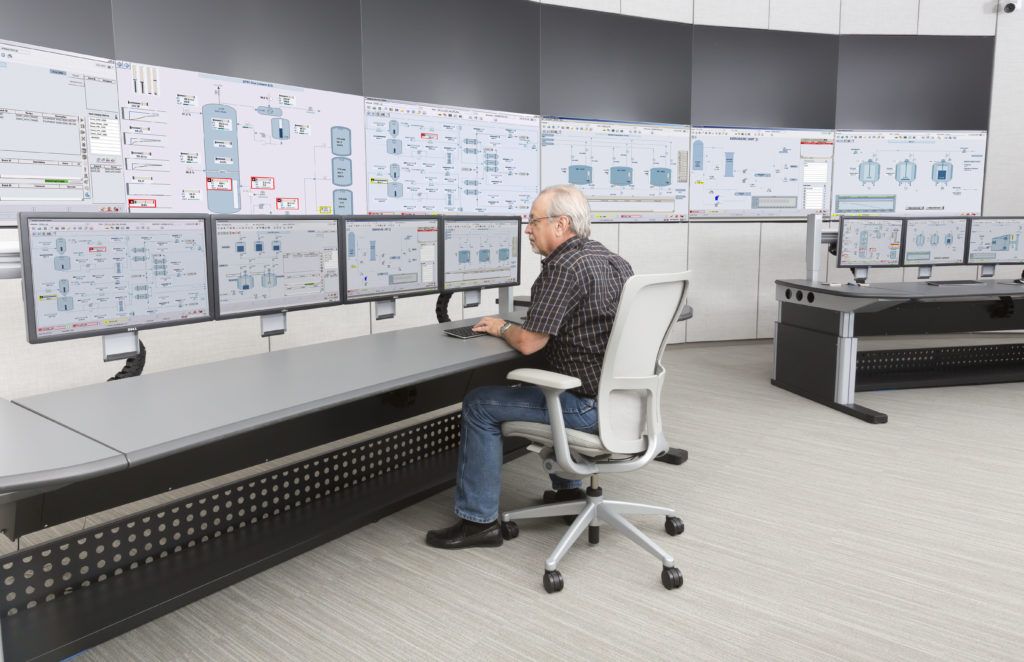
Emerson to supply control systems, software, and engineering services Specialty chemicals company LANXESS has selected Emerson, a global software and technology provider, as a Global Alliance Partner for automation technology, enhancing its existing long-standing relationship. By upgrading its control and safety systems, and digitally transforming its production facilities, LANXESS aims to optimize operational performance and support sustainability targets. The companies have signed an initial five-year global agreement. Emerson will help drive the adoption of advanced automation technologies and enable more efficient project implementation that will allow LANXESS to achieve shorter time-to-market for new products. “We are pleased to expand our collaboration with Emerson and work more closely to develop digital automation solutions that help improve operational performance. Emerson’s automation solutions will support us on our growth path and further drive the digital transformation of production at LANXESS,” said Marcel Beermann, head of global procurement and logistics at LANXESS. The agreement will be supplemented by joint projects to develop and implement applications and analytics software to identify opportunities for increased efficiency and performance, while also delivering on sustainability goals. “LANXESS and Emerson have enjoyed a successful relationship for many years,” said Mark Bulanda, executive president of Emerson’s Automation Solutions business. “This new agreement enables us to accelerate the implementation of advanced automation solutions and digitalize processes that increase operational efficiency, improve energy usage, and lower emissions.”
TAWI announces new mobile lifting solution for freight container unloading and portable lifting applications

TAWI, the inventor of the vacuum lift (also known as a vacuum tube lifter) has launched a new, portable vacuum lifter designed to be used inside of any ocean freight or box truck to reduce the manual lifting of materials during the loading or unloading process. This solution enables a more flexible workforce by reducing the need to team lift heavy objects while also minimizing the opportunity for injury. This is a faster, safer, and easier material handling method when compared to individual or team lifting of materials by hand. Capable of lifting materials up to 90 lbs (40 kg), TAWI’s Mobile High-Frequency Lifter (MHL for short) is comprised of a vacuum lifter integrated into a portable jib crane on a base plate. With its trigger-style controller, the operator can lift and move products without exerting any lifting force and at a faster rate than performed manually. The MHL features a patented jib arm for low overhead spaces which is capable of horizontally gripping packages or materials to remove them from the top of a container or box truck. The unit is free-standing and powered by either a 3-phase electrical or an optional battery pack for completely cordless mobility. The MHL comes with a standard base plate design that any common forklift or pallet jack can support. This mobilizes the MHL to move around your facility and can be deployed for applications beyond container loading and unloading. “Many businesses are seeing workforce issues in today’s complex economy. This can include locating, training, and retaining qualified material handling employees,” states Nick Hajewski, North American Marketing Director for TAWI. “A vacuum lift reduces this issue of locating human capital by reducing the number of material handlers needed to perform an existing task – especially when team lifting is required. It also opens these heavy lifting applications up to employees not physically capable of manual handling such weights, as the lift does the lifting for the operator – all the operator needs to be able to do is squeeze the control handle. So that’s the secret – less labor required, a faster performance due to a lack of physical fatigue, and at the end of the day, everyone is safer because they are not physically lifting the materials themselves.”
Plastics Industry Association names Mónica Mancilla Cooke Senior Director, Human Resources

The Plastics Industry Association (PLASTICS) has announced that Mónica Mancilla Cooke has been named Senior Director, Human Resources, effective immediately. “We’re building a larger, top-flight team at PLASTICS – it takes someone with Mónica’s HR expertise to help us ensure the success of our professional environment,” said Matt Seaholm, President and CEO of PLASTICS. “Mónica brings a wealth of compliance, talent recruitment, and development experience that will help PLASTICS continue to grow and thrive.” Cooke’s wide-ranging HR background comprises key roles in a variety of organizations in the Washington Association arena, including her work with the Information Technology Industry Council, American Petroleum Institute, and International Republican Institute. “I am humbled to be part of an organization that supports a workforce of nearly one million, that works to protect and promote the direction of the plastics industry,” said Cooke. “We have an exceptional team, and I am honored to have the opportunity to make a meaningful difference for PLASTICS.”
JLT Mobile Computers selected by leading European Switchgear Company A/S Løgstrup-Steel

Rugged vehicle-mounted terminals from JLT eclipse the performance of existing technology thanks to more reliable networking and more efficient operator interactions JLT Mobile Computers, a developer of reliable computing solutions for demanding environments, has proved critical to helping A/S Løgstrup-Steel conquer downtime issues in the warehouse, thanks to modern computer hardware and more robust and reliable plant-wide network connectivity. A/S Løgstrup-Steel is a leading Danish manufacturer and supplier of high-quality, low-voltage modular switchgear and switchboards. It designs and develops products that can be customized to suit a wide variety of roles in the data center, marine & offshore, energy & power transmission, building management, and manufacturing & process applications. With such a wide variety of use, cases come multiple and extensive bills of materials, all of which must be meticulously managed, re-stocked, tracked, and picked correctly for each product variant. To fulfill these criteria, A/S Løgstrup-Steel utilizes a central warehouse management system that interacts with forklift-mounted terminals. However, the terminals in the previous setup – introduced some years ago – faced difficulties switching between wireless access points as the trucks navigated the warehouse. The resultant crashes caused by the networking issues often entailed long reacquiring or re-boot procedures, all of which cut into the warehouse’s productive hours. The company needed to source a more reliable solution but had to maintain optimum operational throughput during any trial and installation periods, so contacted Danish warehouse IT specialist, Codeex, to help it evaluate several competing systems. Following extensive evaluation, the JLT1214™ rugged forklift computer from JLT proved to be an ideal solution, not just for its rugged design and operator interactions, but also due to its far superior networking capabilities. “We have a robust scheduling and management system, which can handle several orders at once,” explains Henrik Hansen, IT manager, A/S Løgstrup-Steel. “But with the terminals crashing, many of the efficiencies we gain through this software were being lost through the hardware’s failings. The JLT truck terminals supplied by Codeex worked flawlessly in relation to both our employees and the warehouse’s network connection. And the addition of a keyboard has sped up the operator’s interactions, so as well as preventing downtime, we have optimized our uptime too.” According to Anette Malmström, EMEA Business Unit Director at JLT: “Connectivity is the backbone of modern warehouse operations. It enables staff to connect to business-critical systems in real-time and move or pick items based on a prescribed list of actions or processes. Bad connectivity interrupts this seamless flow of goods in and deliverables out, causing frustration, a loss in productivity and ultimately, hitting the bottom line.” To deliver complete peace of mind, A/S Løgstrup-Steel was able to test the JLT terminals for a month to ensure that they were not only fit for purpose in their role as rugged vehicle-mounted terminals but also addressed the communication issues faced by the incumbent hardware. The unit on test was mounted on a shock- and vibration-damping RAM bracket and was equipped with a keyboard. Malmström stresses the importance of ‘try before you buy’ in terms of warehouse automation solutions. “We guide our customers through the steps they need to take to ensure the best possible performance and return on investment. Indeed, the testing itself is treated as part of the investment, with the mantra that you should try to identify issues as early as possible, before they become complex and potentially expensive to fix later.” The JLT1214 computer’s WLAN and Bluetooth both take advantage of JLT’s built-in highly sensitive Planar Inverted-F Antenna (PIFA) technology, designed for highly reliable wireless connectivity even in difficult environments with weak or uneven coverage. Like all JLT products, the JLT1214 logistics computer is built from the ground up to deliver maximum reliability and functionality in demanding environments. A high integration of features and a compact design provide for fast, reliable, and cost-effective installation, even in small spaces.
Hyster begins first-ever real-world pilot of hydrogen fuel cell-powered container handler at Los Angeles port

Hyster Company announces testing of a top-pick container handler powered by hydrogen fuel cells (HFC) at Fenix Marine Services in the Port of Los Angeles. Building on the industry standard Hyster® H1050-1150XD-CH top-pick container handler design, the truck is powered by two 45kw hydrogen fuel cells from Nuvera, a wholly owned subsidiary of Hyster parent company Hyster-Yale Group. A California Climate Investments grant awarded by the California Air Resources Board in 2018 helped support the development of the HFC-powered container handler. The HFC-powered top pick is designed to provide the zero-emissions benefits of a battery-electric option, with enough capacity to keep operators moving and avoid the need to stop in the middle of a shift to refuel or recharge. Refueling the top pick with hydrogen fuel is expected to take approximately 15 minutes, with the intention to provide eight to 10 hours of continuous run time, all while producing no harmful emissions – only water and heat. The hydrogen fuel cell works in tandem with an onboard lithium-ion battery to either power the equipment directly or charge the onboard battery. The top pick is also equipped with a patented Hyster® energy recovery system for electric container handlers that recovers and stores energy from lowering loads and braking. The Fenix Marine Services (FMS) container terminal, acquired in 2021 by the CMA CGM Group, a global player in sea, land, air, and logistics solutions, uses compressed hydrogen delivered on-site to fuel the top pick. “We are excited to participate in this pilot and implement another sustainable solution designed to help meet Clean Air Action Plan 2030 objectives. Exploring the use of hydrogen as a zero-emission fuel source is important for the entire transportation industry and is a perfect complement to the other alternative energy research and development projects our parent company, CMA CGM Group, is spearheading to protect the planet and reach net-zero carbon by 2050,” says FMS CEO Steve Trombley. To electrify higher-capacity equipment for port terminals, Hyster draws on extensive experience in electric truck design with the company’s line of smaller, lighter-capacity powered industrial trucks used in both indoor and outdoor settings. The company has recently launched lithium-ion powered forklifts with load capacities up to 36,000-pounds, and previously announced a pilot of a fuel-cell powered ReachStacker at the Port of Valencia, a fuel cell-powered empty container handler at a terminal in Hamburg, Germany, and a joint partnership to develop electric and hydrogen-powered terminal tractors. “Our mission is to provide the innovative technologies our customers need to help meet their goals for emissions reduction and performance. For some operations, lithium-ion power might be the answer, but for others, hydrogen is the right choice,” says Jan Willem van den Brand, director, of global market development, big trucks, Hyster. “The answer depends on so many factors like duty cycle, utility grid capacity, and fuel availability. Our customers deserve choices that allow them to build the right solution based on their needs – not shoehorning a single technology into their operation.” This project is part of California Climate Investments, a statewide initiative that puts billions of cap-and-trade dollars to work reducing greenhouse gas emissions, strengthening the economy, improving public health and the environment, and providing meaningful benefits to the most disadvantaged communities, low-income communities, and low-income households.
Plastics Industry Association names Charlotte Dreizen Director, Sustainability and Environment

The Plastics Industry Association (PLASTICS) just announced that Charlotte Dreizen has been named Director, Sustainability and Environment, effective immediately. As a member of PLASTICS’ sustainability team, Dreizen will conduct direct oversight of activities that encompass Operation Clean sweep (OCS), a program founded by PLASTICS and operated in partnership with the American Chemistry Council’s Plastics Division, in which companies that handle resin commit to protocols designed to help reach zero resin loss in operations. Charlotte will also lead the association’s efforts on educational programs and external efforts that prioritize the reduction of plastics in our environment. “I couldn’t be more thrilled for the opportunity to join PLASTICS and to lead Operation Clean Sweep,” said Dreizen. “Achieving zero resin loss is a mission-critical sustainability goal and I’m excited to support our membership throughout the supply chain in ensuring that no plastic pellet, flake, or powder enters the environment.” Dreizen’s background includes valuable experience supporting circular economy and net-zero carbon initiatives. Prior to her arrival at PLASTICS, she led the American Institute of Architects’ 2030 Commitment, empowering more than 1,100 firms nationwide, to measure progress towards carbon neutrality by tracking data for 3.5 billion gross square feet of construction. Dreizen has also managed recycling programs, policy, and education for the Washington, D.C. Department of Public Works’ Office of Waste Diversion, and supported manufacturers and brands in achieving their sustainability goals at the Sustainable Packaging Coalition. “In Charlotte we’ve found someone with hands-on experience in helping companies achieve real sustainability goals,” said Matt Seaholm, President and CEO of PLASTICS. “Charlotte stands out among experts with theories on sustainability and is already an invaluable asset to our members. Her public presence in providing guidance and tools to better understand the challenges with recycling is admired by professionals across our industry.” “Charlotte’s role is new to PLASTICS,” said Patrick Krieger, PLASTICS’ Vice President, sustainability. “Charlotte’s focus area demonstrates the importance the PLASTICS industry places on eliminating plastic waste in the environment and on Operation Clean Sweep, specifically. Our members want to be responsible stewards of the resources they use and the products they make.”
New dual gate safety system from Mezzanine Safeti-Gates ensures elevated ledges and pallet drop area are always protected

Total Control Access design prevents one gate from opening until the opposite gate is closed completely Mezzanine Safeti-Gates, Inc., an innovator in the design and manufacturing of pallet drop safety gates that provide fall protection in distribution centers, warehouses and manufacturing, and material handling facilities, has announced a new safety gate design, the Roly® Total Control Access (TCA) safety gate. The new safety system improves upon the original dual-gate design by ensuring that at least one gate is fully closed at all times, even as the opposite gate moves into position. The operation ensures that an elevated ledge is never left unprotected, providing employees with failsafe fall protection in any material handling environment. Originally custom designed in 2019 for a worldwide retailer, the TCA design has been adopted by many companies with high-volume fulfillment centers. The traditional Roly safety gate system uses two interconnected gates that work in tandem so that when one opens, the other closes at the same time. The new TCA design is also a dual-gate system, but if one gate is open, the opposite gate stays fully closed and is prevented from opening until the other is fully in the closed position. TCA gate operations are automatic and solely done through the technology within the system, so employees no longer are required to operate or touch the devices. “Like most of our standard safety gate models, the TCA gate started out as a custom design,” said Aaron Conway, president of Mezzanine Safeti-Gates, Inc. “Our engineering team worked with our customer to address their concerns about safety around pallet drop areas and the speed for which consumer retail fulfillment centers operate to create a new design. Over the last few years, we’ve made changes and improvements as additional customers implemented TCA systems into their facilities. Because of the success of the design in many customer fulfillment centers across the country, we knew many other applications can benefit from the extra protection this model provides.” Unlike other Roly safety gate models that use a chain system to connect the gates, the TCA design uses a proprietary connection and technology system that includes photo eyes and tension monitors that can detect and correct potential issues in the system, as well as products or debris on the floor that would block the gate from closing. If a gate were to get stuck or an error occurs, the system prevents the gate from dropping quickly and can automatically stop the gate movement. The TCA gate can include sensors to integrate it into the WMS and to communicate with AGVs or other robots used in the facility. Guarding to protect the technology is used throughout the design. Roly safety gates can be purchased in a variety of formats: manual operation, power operated with push button stations or remote control, and TCA. All models fully comply with OSHA’s Walking-Working Surface Fall Protection Standard as well as ANSI fall protection guidelines. Used in thousands of locations throughout the world, safety gate systems offered by Mezzanine Safeti-Gates are available in single and double-wide pallet widths, and can be customized to accommodate specific pallet widths, depths, and heights. All models, including safety gates for the loading dock and lifts, are available in powder-coated mild steel or electro-polished stainless steel.
Alternative Fuel Tax Credit retroactively extended for propane vehicles

Fleets can take advantage of the credits starting in 2022 The Propane Education & Research Council (PERC) is encouraging warehouse operations managers to take advantage of the Alternative Fuel Tax Credit, which was passed as part of the Inflation Reduction Act of 2022 (IRA) by the U.S. Congress on August 16, 2022. The bill extended the Alternative Fuel Tax Credit through 2024, which gives a 37-cent credit for each gasoline gallon equivalent of propane purchased in the transportation sector. This includes off-road vehicles like forklifts. The bill not only extends the credits through Dec. 31, 2024, but fleet owners can also apply for credits retroactively for any fuel purchases made in 2022. “Consumers and business alike rely on material handling operations to keep product moving,” Joe Calhoun, director of off-road business development at PERC said. “By extending tax credits, facilities that are using propane equipment can reap the financial benefits while staying productive and continuing to operate with a clean energy source.” Qualifying fleets should consult their tax advisers regarding any claims for credits or refunds.
Toyota Material Handling and group companies contribute $100,000 to American Red Cross in Hurricane Ian Relief
Toyota Group Companies partner together to support relief efforts across Florida and the Carolinas Toyota Material Handling (TMH), along with its partner companies, is donating $100,000 to the American Red Cross to support communities affected by the devastation of Hurricane Ian. Toyota Material Handling (TMH), The Raymond Corporation, Toyota Advanced Logistics/Bastian Solutions, Toyota Industries Commercial Finance (TICF), and Toyota Industries Commercial Finance Canada (TICFC), have come together to make the combined contribution to disaster relief. The devastation was left in the wake of Hurricane Ian. More than 1.7 million people are still without electricity while search and rescue crews are working around the clock to save those trapped by high waters. Central Florida continues to flood as many people face dreadful conditions. The American Red Cross was one of the first relief efforts in the area offering people a safe place to stay, a hot meal, and healthcare services. The American Red Cross continues opening shelters throughout Florida and the Carolinas while dozens of Red Cross response vehicles travel to the hardest hit areas to provide food and supplies where it is safe to do so. “As our relief efforts continue in response to the devastation caused by Hurricane Ian, we are grateful that Toyota Material Handling, and its affiliated companies, are partnering with us to provide vital aid and relief to the communities affected by this deadly disaster,” said Donna Colón, Executive Director, Southeast Chapter, American Red Cross – Indiana Region. “TMH has been a partner for years, and this generous gift will help us bring comfort and care to those impacted by this historic disaster. What a special way for TMH and its dealers to come together to help the American Red Cross alleviate suffering.” Dozens of blood drives have been canceled due to dangerous conditions and flood waters, leaving the Southeast in need of thousands of blood and platelet donations. This past week, TMH hosted a blood drive that collected 84 units of blood that will go directly toward the American Red Cross. “Toyota Material Handling not only supports the American Red Cross financially in these times of severe need but also with a large number of associate volunteers and regular blood drives,” said Bill Finerty, President and CEO of Toyota Material Handling. “We are proud to support disaster relief in Florida and the Carolinas as they continue to face hardship in the aftermath of Hurricane Ian. Toyota is committed to Helping People Carry the Load, whenever and wherever they may face that need.”
The #1 thing businesses get wrong during a recession
It seems like the question on most business owners’ minds at the moment is, “are we headed for a recession?” Regardless of the answer to that question, one true thing is that even in times of recession, there are businesses that continue to grow and ones that barely survive. Unfortunately, during tough times one of the first things that many businesses start to cut is their investment in the customer and employee experience. This is something that you should do as a last resort and it starts by understanding why. Research conducted over the last 2 years by multiple organizations shows that 30% of customers will leave an organization after just one bad experience. Who is delivering the bad experience, your Team Members of course? Let’s be clear, not every bad experience delivered by your Team is the fault of the employee, in most cases, it is the fault of the systems, processes, and/or the training they are provided. So, let’s assume that you can’t afford, or don’t want to lose 30% of your customers then turn your mind to how many customers you want to attract to your business. Consistently research shows that over 50% of customers will try another organization if they trust that their experience is going to be better than the one provided by their current supplier. Either way, you look at it there is a compelling reason to continue to focus on, and where possible, enhance the customer and employee experience. The good news is that once you’ve made the decision to continue to focus on the customer and employee experience there are just four areas that require your continued focus. 1 – Be Personal & Make It Relevant The most personal word to each of us is our name; using it is the fastest way to get someone’s attention, yet business systems are built around numbers. Further injecting the person’s name into the conversation, whether it be face-to-face, over the phone, or via a digital medium, is the first and easiest step in making the experience personal. Beyond the use of the individual’s name, you don’t need to spend millions on systems that allow for hyper-personalization but you do need to ensure that the communications you have with customers are relevant to them. At the very least start with grouping, your customer communications based on products enquired about or purchased. 2 – Keep Me (the customer & employee) Informed Think about your own shopping experience; you click the payment button and then what happens? How do you feel when there are regular updates on the progress of your order versus few or no updates? The simple rule here is to communicate often and in every message make it clear when the customer can expect the next communication from you. For example: thank you for your order, it is being processed and you can expect to hear from us within 72 hours with the shipping details, and so on. However, it is not only your customers that need to be kept informed. First, your Team Members need to have timely communication so that they can provide customers with the right information the first time. This is incredibly important when it comes to marketing and other public messages. Your Team Members would never be learning from a customer about the latest offer or problem before they have heard it internally. But it goes beyond just telling them about the offer/situation. You also should take the opportunity to reinforce how to deliver the marketing message or how to manage inquiries about the issue. 3 – Add Value Beyond The Sale To create a relationship that generates repeat and referral business, you need to be finding ways to continually add value. The easiest way to do this is to provide free, relevant, resources that help the customer get the full benefit of the purchase. An easy example in this space is to think of a customer taking delivery of a new car. The delivery day is full of excitement and a desire to get behind the wheel and experience the car. The customer probably is distracted and not listening to the instructions on how everything works. The leading Dealerships and Brands will communicate with the customer post-purchase to ensure that they are reminded about all the awesome features of the car so that they can maximize their enjoyment. It also creates a genuine reason for the brand to reconnect with their customer. Think about your own business, what could you be communicating post-purchase that will provide a genuine benefit to the customer and a reason for the brand to further build a relationship? 4 – Enable the Employee Employees turn up every day wanting to do great work and to do so they need their managers and leaders to enable their success. As a manager or leader in an organization enables the success of your employees by: Defining what great looks like; Remove or minimize friction for the employee delivering on great; and Celebrate publicly great work and coach privately when something doesn’t go to plan. As the economy goes through its cycles the above four principles will ensure that you continue to be a business that people want to spend their money with and tell their friends about while also attracting employees that want to be part of delivering a great experience. About the Author: Jason S. Bradshaw started his first business at the age of 14, differentiating himself by the service he provided. For the last 3 decades, he has worked with some of the world’s most recognizable brands, improving the experience to transform the business. Jason is a best-selling author and is considered a global guru on customer experience and a leading authority on experience management. www.jasonsbradshaw.com
WIKA Mobile Control launches new qSCALE I2 TH rated capacity indicator for telehandlers
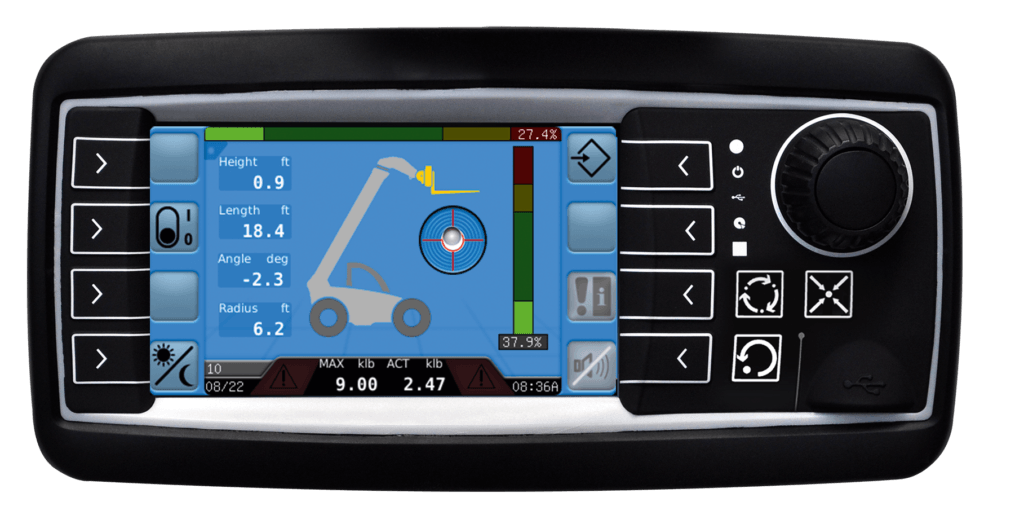
WIKA Mobile Control has introduced the qSCALE I2 TH rated capacity indicator (RCI). The qSCALE I2 TH RCI system was designed specifically for telehandlers and is suitable for both OEM and aftermarket telehandler applications. The qSCALE I2 TH features a user-friendly 4.3” color graphic display that provides the operator with actual and allowable load, boom length, boom angle, load radius & height. The system also includes a cable reel for measuring the length and angle of the boom and pressure sensors that measure the hydraulic pressure in the cylinders. Depending on specific requirements, three other optional system components are available. If a longitudinal load moment indicator or limiter is required, the rear axle sensor can be added to measure the strain on the rear axle. The gSENS WGX sensor can be added to indicate the tilt of the chassis. The system can be upgraded to a rated capacity limiter (RCL) by adding the cSCALE DIO module to lockout the machine in the event of an overload. One of the benefits of the RCI system is that it reduces operator error. While operating within the allowable range (determined by the load chart), the top bar graph on the display will be green. As the operator starts to reach the allowable limits, the bar graph will change from green to yellow. Once the limit is reached, an alarm will sound and the bar graph will turn red. If the cSCALE DIO module is installed, it will cut off the operator’s ability to telescope out and boom down if the limit has been reached. The system also enables the machine owner to maximize the machine’s lifting capacity. This ensures that the machine isn’t overworked and the operator isn’t lifting loads that they shouldn’t be. The integrated data logger tracks machine usage and helps to determine whether a machine has been misused. Using a USB stick, the data logger information can be extracted from the console to an Excel spreadsheet. The data logger provides a report that indicates machine productivity and any overload instances. Calibration can be done through the console without the need for additional software tools. To validate the calibration, several measurements have to be taken with known loads. With the addition of the rear axle sensor, the system reduces the risk of accidents from tipping and increases the operator’s stability awareness of the machine. When the operator is lifting a load and extending the boom, this extends the radius. As the boom is further extended, the right bar graph on the display will change from green to yellow as it gets closer to reaching the stability limit.
Lincoln Electric signs definitive agreement to acquire Fori Automation, Inc.

The acquisition will accelerate the automation growth Strategy with new complementary capabilities, expanded scale and international reach Lincoln Electric Holdings, Inc. announced that it has signed a definitive agreement to acquire Fori Automation, Inc. (“Fori Automation”). Fori Automation, a privately held automation engineering firm founded in 1984, is a leading designer and manufacturer of complex, multi-armed automated welding systems, with an extensive range of automated assembly systems, automated material handling solutions, automated large-scale, industrial guidance vehicles (AGVs), and end of line testing systems. Fori Automation primarily serves automotive and aerospace OEMs and is headquartered in Shelby Township, Michigan, the U.S.A. with additional operations in six international facilities across Europe, Latin America, and Asia. The acquisition will accelerate Lincoln’s Higher Standard 2025 strategic goal of achieving $1 billion in automation sales by 2025 with the addition of new and innovative automated capabilities including large-scale assembly, automated material handling solutions, and end-of-line testing systems. These complementary solutions will extend Lincoln’s market presence within the attractive automotive sector, better position Lincoln Electric to capitalize on accelerating investments in automotive EV platforms, and offer cross-selling growth opportunities to Lincoln’s industrial customers. The acquisition would also extend Lincoln’s automation footprint in South Korea and India and expand Lincoln’s existing presence in Europe, China, and Latin America. The Fori Automation acquisition is expected to increase Lincoln Electric’s annual automation sales by approximately $225 million at comparable EBIT margins to Lincoln Electric’s current automation portfolio and is expected to be accretive to earnings. “This transaction represents an exciting growth opportunity for both organizations by bringing together best-in-class automation platforms and engineering expertise to drive value for all of our stakeholders and accelerate our automation growth and resources to advance our Higher Standard 2025 strategy,” said Christopher L. Mapes, Lincoln’s Chairman, President and Chief Executive Officer. “Customers are increasingly investing in automation to efficiently grow their businesses, and our organizations are at the forefront of helping automotive, aerospace, and industrial customers achieve their operational goals.” The definitive agreement provides for a cash purchase price of $427 million, subject to a customary working capital adjustment. The Company intends to fund the transaction with cash on hand and arranged credit. The proposed acquisition is subject to regulatory approval and other customary closing conditions and is expected to close in the fourth quarter of 2022.
Pfannenberg celebrates 25th anniversary of North American Manufacturing

Pfannenberg, Inc., a global manufacturer of thermal management, signaling technologies, and packaged process chillers, announces the 25th anniversary of its United States manufacturing operations. A celebratory event will be held on November 9th, 2022, from 12-5 p.m. at the company’s facility at 68 Ward Road, Lancaster, NY. The event will feature a buffet meal, factory tours, and presentations by Andreas Pfannenberg, Owner – of Pfannenberg Group, Tobias Merle, CEO – of Pfannenberg Group, Earl Rogalski, President – of Pfannenberg Sales America, and Ronald Ruffino, Lancaster Town Supervisor. In announcing the celebration, Andreas Pfannenberg paid special tribute to the resources available in the Western New York Region that he says are a major contributor to the company’s success. “When we decided in the late 1990s to expand into North America from our roots in Germany, we understood that to successfully grow the business, products for North America needed to be designed and manufactured in North America.” He added, “The Buffalo area’s long and storied manufacturing history and reputation for a strong work ethic fit our needs and supports Pfannenberg’s high-quality reputation. Our North American growth is largely due to the willingness of the two cultures to work together in the spirit of learning.” Tobias Merle added, “As a German family business, we are proud to develop and produce our thermal management products in Lancaster, NY. Known for offering unique value and the highest standards, our product solutions and services are trusted by some of the largest, well-known companies from around the world. Our success for the last 25 years is based on a long-term vision of growth built around high-quality products manufactured in America, our skilled employees, and our reputation as a trusted advisor to our customers. As we look forward, we welcome anyone who wants to be part of this journey for the next 25 years.” Earl Rogalski, noted that it is an honor to be working alongside his Pfannenberg colleagues in the United States and around the world. “What makes this milestone achievement so special,” said Rogalski, “Is knowing the positive impact our colleagues are making and the solutions our products are providing – from critical life-saving infrastructure to clean drinking water. Few companies get an opportunity to celebrate 10 years, let alone 25 years. This is a fantastic achievement made possible by our dedicated and highly talented team.”
Quick and safe transport of AMRs between multiple floors
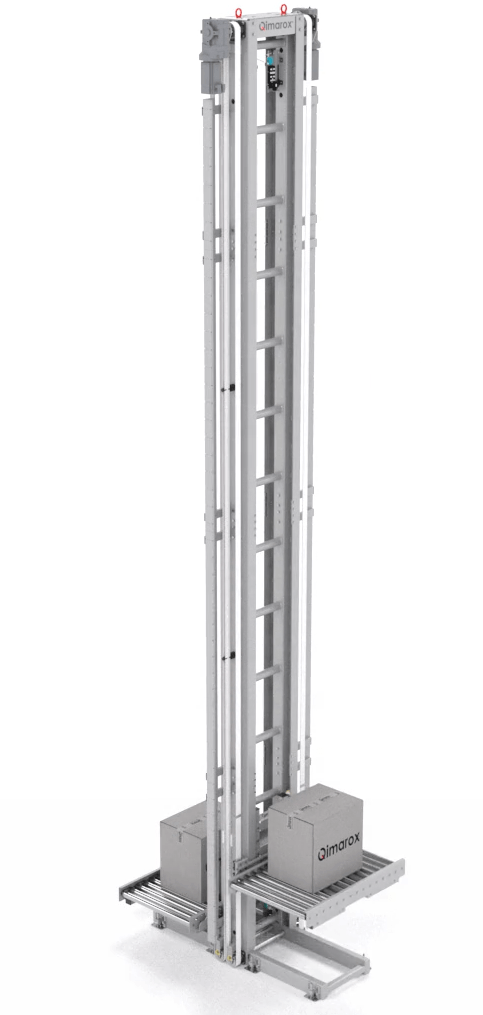
Qimarox introduces a vertical conveyor for AMRs Qimarox, a manufacturer of components for material handling systems, introduces a vertical conveyor for automated guided vehicles (AGVs) and autonomous mobile robots (AMRs). The Prorunner PR12 is ideally suited to transporting these vehicles between different floors. The high positioning accuracy, the rigidity of the construction, and the possibility of mounting a second carrier result in a safe and reliable high-capacity transport solution. Autonomous mobile robots (AMRs) are rapidly gaining in popularity. They are relatively cheap, flexible, and scalable. They can be easily deployed without having to modify the existing infrastructure. Since they can handle a large part of the internal transport, they allow people to work faster and more efficiently. However, AMRs and AGVs have always had one limitation: they were difficult to move between different floors. Qimarox’s Prorunner PR12 changes all that. The PR12 is a vertical conveyor that significantly extends the range of AMRs. By moving robots with or without cargo between floors, companies can further increase their deployability and flexibility. In other words, the PR12 allows companies to grow in height. The first machines have already been delivered to an e-commerce company. Safe and fast The Prorunner PR12 is a discontinuous vertical conveyor with a minimal footprint. Its rigid construction and high positioning accuracy make the PR12 highly suitable for transporting AMRs and AGVs. Since the tolerances in vertical and horizontal directions are less than 5 millimeters, the vehicles can drive on and off the platform without difficulty. The PR12 is equipped with contour monitoring: if the vehicle on the platform starts to slide or roll, the machine comes to an immediate stop. The Prorunner PR12 offers a high capacity. With a height difference of 2 meters, the PR12 makes no less than 400 cycles per hour. What makes the machine unique is the possibility of attaching two separately driven carriers to one column. This makes it possible to easily double the transport capacity while keeping the space requirement to a minimum. The vertical range of the Prorunner PR12 is up to 24 meters. A single machine can, therefore, easily serve three, four, five, or even more floors. Also for products Not only can the Prorunner PR12 be used for transporting AMRs and AGVs, but for products and load carriers too. In this case, the AMR and AGV platform can easily be replaced with a roller conveyor. If the PR12 is equipped with two carriers, any configuration is possible: two platforms, two roller conveyors, or a combination of one platform and one roller conveyor. Even if the logistics concept changes over time, the PR12 can easily be converted. Like all Qimarox material handling components, the Prorunner PR12 is modular, resulting in a high degree of configurability, competitive pricing, short delivery times, and low maintenance costs. By using a servo drive, the PR12 can be easily integrated into any demanding, dynamic and challenging system design. Key benefits: Extremely high positioning accuracy (servomotor) The robust column ladder design allows the lifting of heavy loads Fully standardized, user-friendly modular design High quality constructive finishing Top global brands standard components used Heavy duty option for weights up to 300 kg / 661 lb Suitable for AGV / AMR thanks to positioning accuracy Low maintenance requirements Available with independently driven 1 or 2 carriers Capable of handling pallet-sized products