
April 2023 orders total $336.7 Million the lowest order value since January 2021 following two record years

New orders of manufacturing technology totaled $336.7 million in April 2023, according to the latest U.S. Manufacturing Technology Orders Report published by AMT – The Association For Manufacturing Technology. April orders declined 38.7% from March 2023 orders and declined 34.4% from April 2022 orders. Year-to-date orders totaled $1.72 billion in 2023, 13.6% below the same period in 2022. “March has traditionally been one of the better months for manufacturing technology orders, so April is typically a ‘down month’; however, this April was disproportionately off,” said Douglas K. Woods, president of AMT. “March 2023 was only 2% down from March in the previous year, yet the decline between March and April in 2023 was over five times larger than the decline in 2022. The momentum of order activity is clearly not as strong through the second quarter as it was last year.” Job shops, the largest customer segment, decreased their orders by just under 39%, declining slightly more than the overall market from March to April. This is the largest monthly decline in orders from job shops since January 2017. In addition to job shops, the automotive sector significantly reduced their orders in April 2023 after an exceptional uptick in March. It should be noted that a good portion of the work contract machine shops do is on behalf of the automotive sector, so their parallel decline in orders is not unexpected. “Consistently high interest rates, ongoing inflation, and the looming threat of a recession have caused businesses to rethink their capital investment strategies,” said Woods. “Job shops, which are the largest consumers of manufacturing technology, are mostly small and medium-sized businesses who are particularly affected by price and interest rate pressures. “In addition to USTMO, several other industry metrics compiled by AMT are showing a slowdown in activity relative to March. Regardless of what the Federal Reserve does with interest rates later this week, their outlook on economic activity, coupled with the May USMTO numbers available shortly after, should give a good indication of how hot or cool the summer will be for the manufacturing technology industry.”
Raymond celebrates forklift operators for National Forklift Safety Day

Intralogistics solutions provider demonstrates commitment to supply chain workers through innovative, operator-first product and technology design As National Forklift Safety Day (NFSD) approaches, The Raymond Corporation — designer and manufacturer of some of the industry’s most intelligent intralogistics solutions and advanced material handling products — extends its thanks to and celebrates the thousands of forklift operators who work at every point along the global supply chain. “For more than 100 years, we’ve developed innovative tools and technologies that help move materials efficiently,” said Michael Field, president and CEO, The Raymond Corporation. “But at the heart of it all are the forklift operators themselves. That’s why we’re recognizing and thanking all the forklift operators who keep things moving. And it’s why we’re committed to offering solutions that help operators work more confidently and efficiently.” Among the worker-focused innovations Field cites are: Engaging Learning Programs. When operators understand and implement best practices to operate forklifts, they feel more confident and productive in the important work they do. Safety On The Move, Raymond’s industry-leading forklift operator training program, has helped employers protect their people, equipment and materials since its introduction. Additionally, Raymond’s Virtual Reality Simulator is a flexible, scalable teaching tool that uses the latest immersive technology to quickly increase new operator proficiency and continually expand operator skills for reduced turnover. Operator Assist and Automation Technologies. Operator assist technologies like Raymond’s Pick2Pallet™ LED Light System gives operators the tools to help them perform their jobs more efficiently and accurately. As an added benefit, these products and systems help reduce errors and bring new operators up to speed faster. At the same time, Raymond automation technologies can help by performing basic, repeatable tasks, freeing operators to focus on more value-added jobs. Comfort and Convenience Features. Even the smallest features can make a huge difference in an operator’s comfort. So whenever possible, Raymond designs features like padded lean points, vibration-dampening floor mats, accessory bars and USB charging ports — to help make long days more comfortable. Worker-focused Process Optimization. Nobody knows a process better than the people who do the work every day; that’s why Raymond Lean Management (RLM) is focused on empowering employees to spot inefficiencies and make improvements to the processes they follow and on improving morale and engagement through continuous collaboration between employees and management. “We believe it’s important to highlight the material handling, warehousing and distribution industry’s appreciation for its workers and operators,” Field said. “It’s that appreciation that shows up in equipment and product design, our work processes, and our dedication to continuous improvement.”
Supply Chain reliability deteriorates prompting pulling forward of orders ahead of peak season

69% of freight forwarders surveyed hopeful of container demand recovery in 2023, out of which only 18% expect demand to appear within 1-3 months 51% are “guestimating” without a clear outlook of timeline for container demand bounce back Average container prices plummet by up to 82% from 2021 at world’s busiest ports as shippers grapple with Sluggish Demand Eurozone inflation, US West Coast labor challenges and Panama Canal drought amongst key challenges for container logistics industry According to Container xChange‘s June Forecaster, the persistent decline in container prices is being accompanied by resurging supply chain disruptions such as the Panama Canal drought, labor strikes on the US West Coast, and a technical recession in the Eurozone. The forecaster also predicts a further slide in average container prices in the coming weeks, with no signs of container demand revival. The sentiment is reflected in a survey that Container xChange recently conducted (in May 2023) with the global freight forwarding community. About 69% of respondents (406 sample size) are hopeful of a container demand bounce back this year in 2023. Only 18% are hopeful of this revival in short term (1-3 months). And about 51% are “guestimating” without a clear outlook of timeline for container demand bounce back. Container xChange Peak season demand revival Survey 2023 “The supply-demand imbalance worsens with upcoming vessel deliveries and low scrapping rates. Spot rates are at pre-pandemic levels in most trades, and contract rates are sliding. Coupled with low demand, the industry continues to grapple with overcapacity of containers and vessel capacity. Now we have labour disruptions and the Panama Canal drought, which in normal circumstances would lead to an uptick in freight rates as they absorb effective capacity, but any significant price effect is now highly doubtful in the current market.” Shared Christian Roeloffs, cofounder and CEO, Container xChange. “For shippers this means that supply chain reliability will deteriorate again, potentially leading to a “pull forward” on orders. This in turn will likely “flatten out” any peak season and further decrease the likelihood of a freight rate increase in the second half of 2023,” Roeloffs added. No signs of container demand yet for peak season Container prices generally surge during the preparation for the peak season. So far, these prices have failed to pick up. A study of average container prices on the Container xChange platform indicates a disappointing revival of demand. Below is a table that compares average container prices across some of the busiest ports in the world from the Container xChange platform. The prices have fallen to the lowest levels in the last three years of comparison. Clearly, the data indicates poor demand for containers so far till June. New York witnessed the average price of 20 ft dry containers to reach $6500 in June 2021, which has now crashed by 82% to reach at $1175 in June (1st week) 2023. Similarly, Long Beach port saw average prices reaching a peak at $4118 in the beginning of August 2021, which has reduced by 65% to reach $1430 in May 2023. This persistent fall of average container prices comes at a time when the shipping industry prepares for a ‘supposed peak season’. Average Container prices expected to fall further The average price trends of subsequent months from 2022 indicate that, these prices further declined in the months of July – December at majority of these ports in that year. If the same trend continues, these prices could further fall. “There are enough and more reasons to be pessimistic. With the peak season coming, the industry sentiment is negative. The industry is waiting for a demand comeback which doesn’t seem anywhere on the horizon.” Bottom of spot freight rates reached? “In a highly competitive environment such as container shipping, the minimum offer price tends to gravitate towards the level of variable costs. In the case of container transportation, variable costs have surged by approximately 15-25% since 2019, depending on the trade lane” remarked Christian Roeloffs, CEO and co-founder of Container xChange. “Consequently, the lower limit of freight rates offered by carriers has also increased by 15-25%. This poses challenges for shippers who now face higher variable costs for transporting cargo. Despite the significant decline in average container rates from 2021 to 2023, reaching almost 85% reduction, the underlying variable costs remain elevated—which makes a significant additional and sticky decrease in spot freight rates unlikely while contract rates still have room for further depreciation.” Retail Sales lagging, US imports slump According to the National Retail Federation (NRF), US retail sales are slowing, and US container imports are on track to drop by more than 20% in the H1 2023. “Both the US and Eurozone markets are experiencing disturbances contributing to a significant loss in consumer confidence, creating a ripple effect. Since the pent-up demand observed in late 2021, the industry is waiting for a ‘demand comeback’, which seems less likely in the coming peak season. Ofcourse there will be some demand, but rather subdued.” Added Roeloffs. Eurozone ‘Technical’ Recession “The impact of inflation on the global supply chain can be significant and wide-ranging. Rise in input costs and costs of financing, change in consumer behaviour and changing trade behaviours will lead to a ripple effect on global supply chains, impacting the demand for certain products or industries. Business will need to adapt their production levels, inventory management, and distribution strategies accordingly,” added Roeloffs. “With consumer demand remaining persistently sluggish for the peak season, sticky inflation levels are poised to exert an additional detrimental effect on demand.” Roeloffs concluded. This month’s container logistics report, ‘Where are all the containers’ covers data and information in length and can be downloaded from here About Container xChange Container xChange is an online platform for container logistics that connects all relevant companies to book and manage shipping containers as well as to settle all related invoices and payments. The neutral online platform… Connects supply and demand of shipping containers and transportation services with full transparency on availability, pricing, and reputation, Simplifies operations from pickup to drop-off
Christmas peak has not been cancelled

It is now the time of year when many retailers and their supply chain partners will be starting to plan and secure their warehousing space and resource requirements for the Big One – the ‘golden quarter’ and the Christmas peak. Predicting requirements seven or eight months ahead is always a nightmare, and this year looks particularly fraught. There is, of course, a ‘cost of living crisis’ but strangely, although full figures are not yet in, it looks as though consumer spending in the Easter peak held up much better than expected – indeed, anecdotally it appears that some retailers and suppliers were short of stock as demand exceeded their somewhat gloomy expectations. Price inflation remains painfully high but may decline rapidly over the course of the year. Or we may be trapped in a rerun of the high-inflation Seventies – both views are available, often from the same economic forecasters. One rather firmer prognostication is that e-retailing seems to have found its new natural level – around a quarter of retail trade. So omnichannel is the way forward for many retailers, with the additional complexity that this brings to warehouse space planning. Given the uncertainties, many firms will have held back on committing to space for the winter peak, and some, with pressure on margins and anticipating subdued trading, will have decided not to renew leases on some of their existing estates. That is no bad thing – in our experience it very rarely makes sense for a business to scale its ‘permanent’ warehousing facilities to accommodate the highest peaks in demand. This ties up capital, or drains cashflow, whilst making an inefficient use of scarce and increasingly expensive labor and other resources during the off-peaks – which for many firms is most of the year. And this year, particularly, is not a good time to be entering into long-term space commitments. Despite some big names, especially in e-commerce, rationalizing their warehousing estate, quality space is still in short supply, whilst landlords are facing eye-watering increases in the interest they are paying. Unsurprisingly this is reflected in rents: the agents Colliers report that in 2022 there was a year-on-year increase of 10.5% in rents for large (100,000 sq ft plus) units, and a huge 13.2% on smaller and multi-let facilities and, say the agents “these will continue to rise, albeit at a slower pace”. Meanwhile, the bills for rates, electricity and other utilities, insurance and all the other costs of operating even a half-empty warehouse continue to increase. The solution is to adopt strategies that embrace and make a virtue of short-term leasing. While the headline rates per square foot may look high, the business is only paying these for the time that the space is needed, and in practice rates are often highly competitive as the space provider is keen to see any return on what an underutilized or idle asset is otherwise. Nor is the renter paying throughout the year to heat, light, staff and otherwise maintain largely empty space. And often, if a business moves in to take up another company’s spare capacity (which may be because that company is overprovided, or because its peak requirements are at a different time of year) many of the operating costs, perhaps even including labor and IT, are already paid for, so the renting company is charged something closer to the marginal rate rather than the full cost. It can even be that facilities are available already equipped with levels of productivity-enhancing IT and automation that the business would struggle to resource or justify on its own account. However, the flexibility offered by a strategy that includes short-term lets isn’t just for Christmas. It can allow a supplier or retailer to experiment – with new product lines, with new regional markets or new customers, with new distribution chain architectures, with different blends and approaches to the physical store/e-commerce balance – at relatively little long-term risk. Such a strategy may even lead to semi-permanent arrangements: an understanding that the business is intended to take the same space for the same three months every year. Bis Henderson Space has many years of experience in helping companies ‘right size’ their peak space requirements, and then securing the right temporary space: right in terms of cost, location, and facilities, from bare sheds to space in fully manned and equipped distribution centers. We have built an extensive network of space partners who, sometimes occasionally, sometimes predictably year-on-year, have more warehousing than they need. They are often keen not only on the extra income but for the productivity and efficiency improvements – such as being able to maintain a fully employed permanent staff – that full occupation of their facility can yield. We help companies find and implement mutually beneficial deals surprisingly quickly – but be warned: an increasing number of companies are now actively seeking the benefits of including short-term accommodation as part of their warehousing strategy – and Christmas is closer than you think! About the Author: Steve Purvis, Managing Director at Bis Henderson Space has many years’ experience in this market. We can help convert your seasonal space requirements from a firefighting emergency to a considered tactical response as part of your wider warehousing/fulfilment strategy. If you’d like to learn more please contact Rob McWriter, Business Development Director at Bis Henderson Space on [email protected] or 7836 572500
METTLER TOLEDO to exhibit at IFT annual meeting in Chicago

METTLER TOLEDO will showcase analytical instruments and balances with solutions for the food industry at IFT’s 2023 annual meeting in Chicago, IL on July 17th-19th in Chicago, IL The IFT annual meeting will take place July 17th-19th, 2023 in Chicago, IL. Share and be challenged by the latest research, innovative solutions, and groundbreaking thinking. Take advantage of limitless opportunities to make new connections and expand your professional contacts. As an exhibitor, METTLER TOLEDO will be showcasing highly sensitive and accurate analytical instruments and balances used for in-depth quality control to assure food safety and quality. The food and beverages industry faces many challenges – responding quickly to fast-changing consumer demands, increasing food safety and regulatory compliance requirements, and improving productivity while increasing product quality. At METTLER TOLEDO, we create complete weighing and measuring solutions and services that help enhance your business excellence. Make sure to stop by METTLER TOLEDO’s booth #1812 for a hands-on demonstration of the following products and solutions from the following product lines: Analytical and Precision Balances Moisture Analyzers pH Meters & Sensors UV/VIS Spectrophotometers Density Meters & Refractometers Titrators MyBrix Since 1939, IFT has been advancing the science of food and its application across the global food system by creating a dynamic forum where individuals from more than 90 countries can collaborate, learn, and grow, transforming scientific knowledge into innovative solutions for the benefit of people around the world. Registration and Information This tradeshow will be on July 17th-19th, 2023 at McCormick Place, 2301 S Lake Shore Dr., Chicago, IL. Learn more about our attendance at IFT 2023 IFT First 2022: Annual Event and Digital Expo.
SAKOR Technologies releases DynoLAB™ GenV next generation test automation controller
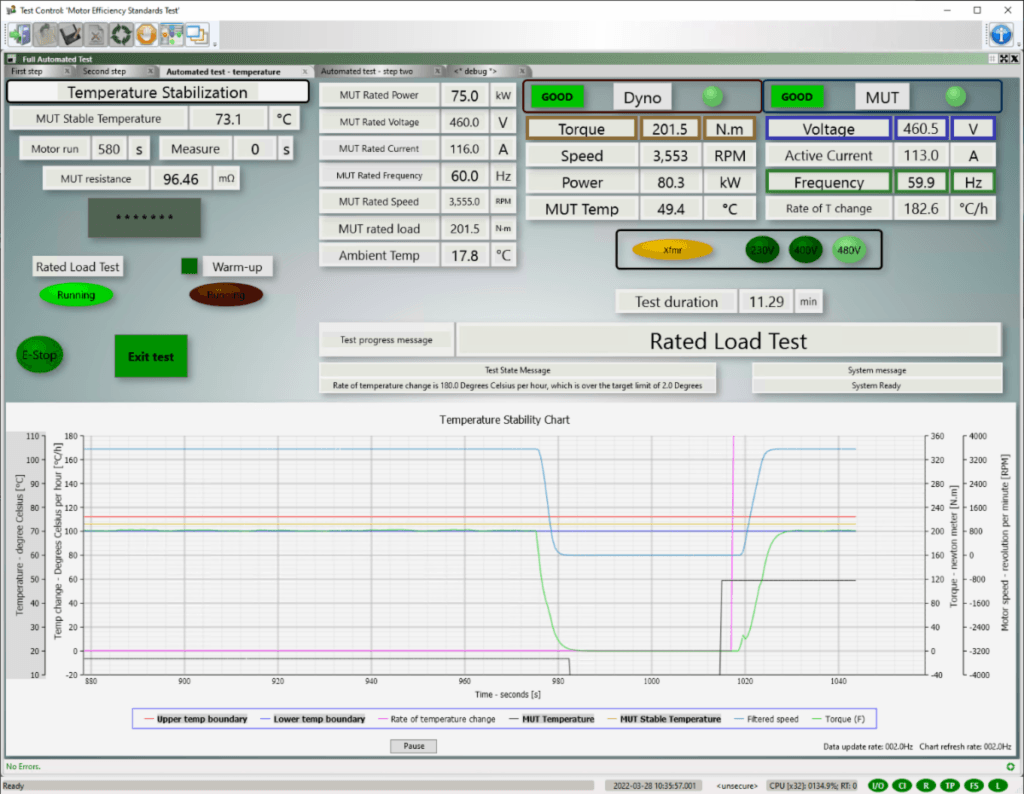
SAKOR Technologies Inc., has announced the release of the DynoLAB™ GenV next generation test automation controller, which allows even a non-programmer to implement complex test systems and testing standards. Delivering a new benchmark in modularity, performance, robustness, and expandability, DynoLAB GenV is built on the latest Windows technologies and development tools in full compliance with current information technology standards. The new DynoLAB GenV can be used with a wide array of hardware, including power analyzers, resistance meters, high potential (hi-POT) testers, ECU’s, video control units, and emissions analyzers. The fully networked test automation controller can operate several different devices independently, so users can perform multiple tests simultaneously, often with a single DynoLAB GenV controller. Each DynoLAB GenV execution unit is an independent module, which provides superior software robustness. The system is completely scalable, so performance takes advantage of faster processors, larger memory, and more processor cores as they become available. The powerful new automation controller features multi-monitor, multi-window, and multi-tabbed displays that allow the test sequence to be laid out in the most appealing and ergonomic manner. With its modern intuitive interface and powerful graphical test sequence editor, test engineers and technicians can easily design and implement complex automated test sequences without the need to learn a programming language or employ a professional programmer. Tests can be edited or created online or offline and the user interface and displays can be modified while the test is executing. Users can export test sequences, hardware channel sets, and unit definitions for offline test editing. SAKOR uses its advanced user experience feature to teach operators and engineers how to quickly configure and run tests. “We are excited about the launch of our new DynoLAB GenV product,” said Randal Beattie, president of SAKOR. “Building on our decades of testing experience, the new controller allows customers to automate much larger and more complex systems than ever before, with a cost and expandability not available in the market until now.”
Episode 392: Unlocking the potential of a circular supply chain in the warehousing Industry

In this episode of the New Warehouse Podcast, we’re delighted to have Sneha Kumari, Head of Industry Trends at Circular Supply Chain Network, as our special guest. The Circular Supply Chain Network is an international community of self-proclaimed “circular supply chain geeks” committed to expediting the shift toward a more sustainable future. Emphasizing environmental conservation, social accountability, business growth, and innovation, the Circular Supply Chain Network educates, builds connections, and encourages innovative solutions in circular supply chains. Sneha’s expertise in the field makes her the perfect guest to explore this emerging trend in the supply chain world. In addition to explaining the circular supply chain and its relevance to the warehousing industry, she shares the concept’s practical implications. What is the Circular Supply Chain Network and Its Objectives? Sneha explains that her company fosters a community that promotes circularity and sustainable supply chains. They strive to build a world where both nature and businesses thrive! Sneha’s passion for sustainability and supply chain aligned perfectly with the network’s mission. The network aims to bring industry leaders and startups together through events, blogs, and collaborations to share their efforts in creating a circular economy. They provide a platform for these changemakers to showcase their work and inspire others to adopt ciular practices. Differentiating Circularity from Sustainability Sneha highlights the importance of distinguishing circularity from sustainability. While sustainability encompasses a broader range of goals, circularity is a specific approach within the sustainability framework. She emphasizes that sustainability should not be reduced to recycling alone, as it encompasses social and environmental aspects beyond the supply chain. Sneha believes circularity falls under the sustainability umbrella but focuses on transforming linear supply chains into circular ones. Circular supply chains aim to maximize resource use, reduce waste, and leverage secondary and renewable inputs to generate value. It’s about re-imagining the entire supply chain and adopting a circular mindset. The Essence of Circular Supply Chain: Monetizing Waste and Maximizing Value Sneha dives into the core principles of circular supply chains. She presents a striking statistic: only 8.5% of materials used in supply chains are secondary or renewable. This alarming figure showcases the need to transition from a linear supply chain to a circular one. Sneha draws an analogy of the Earth as a warehouse, emphasizing that we must stop depleting its resources without replenishing them. Circularity aims to monetize waste and give materials a second life, creating a continuous flow of value. This approach requires collaboration, partnerships, and innovative technology to ensure materials and operations can serve as inputs for subsequent stages in the supply chain. Key Takeaways Circular supply chains offer a viable solution to the inefficient use of resources and the environmental challenges of linear supply chains. Creating secondary materials marketplaces can help procurement managers source more sustainable materials. Circularity should not be confused with sustainability, although it is a crucial component of the broader sustainability goals. Circular supply chains focus specifically on transforming the linear flow of materials into a circular and regenerative process. The warehousing industry has a significant role in embracing sustainability. By optimizing operations, minimizing waste, and seeking opportunities for collaboration and resource recovery, warehouses can contribute to the circular economy while reducing their environmental impact. The New Warehouse Podcast EP 392: Unlocking the Potential of a Circular Supply Chain in the Warehousing Industry
Big Joe releases new Spartan & Sprint Lithium Forklift Trucks

With the new Big Joe LXE50 Spartan and LVE35 Sprint now available, there has never been a better time for companies to go electric Big Joe Forklifts released two new lithium forklifts that are now available. The LXE50 Spartan and the LVE35 Sprint were uniquely designed from the ground up to help companies take maximum advantage of the latest in lithium-ion battery technology at a low cost of ownership. The new Spartan is a 5,000 lb. capacity cushion-tired model that shares the same design attributes as an internal combustion truck of the same capacity. The idea is that operations currently using LP or diesel trucks will now have an electric option that can keep up with their duty cycle requirements and fit right into existing applications without sacrificing operator comfort or requiring infrastructure like eye wash stations. Similarly, the new Sprint 3,500 lb. capacity three-wheel forklift will further accelerate the adoption of electric trucks for users in need of a smaller machine by removing the need for an external charger. The Sprint comes standard with a single phase 120vac onboard charger that can be upgraded to 240vac. This will delight short term rental customers and make deployments at customer sites far simpler and less expensive than typical electric forklifts. The Sprint and Spartan feature 80v AC drive systems powered by a 230AH or 460AH UL-recognized lithium battery, respectively, that are manufactured in-house. By vertically integrating lithium battery manufacturing, Big Joe trucks benefit from numerous design and power management advantages that allow its trucks to run longer and at a lower cost than competitive electric machines. When comparing these power system advantages to a competitive internal combustion truck, the economics of the Spartan and Sprint get even better, with the potential of reducing operating costs by over 50 percent. If up-time is a key consideration, there is no need to stress. With optional three-phase chargers, the Spartan and Sprint can be opportunity charged at a rate of up to 12 percent every 15 minutes. “We designed the new Spartan and Sprint to be lithium forklifts from the ground up to help companies transition and take full advantage of the promise of lithium technology,” said Big Joe’s Chief Marketing Officer, Bill Pedriana. “Running internal combustion forklifts and paying high fuel and maintenance costs just makes very little sense with options like this now on the market. These new machines are less expensive to operate, they can charge fast enough to keep up with just about any use case, and you lose virtually nothing in comfort or performance. Not to mention the fact that you no longer have to breath in fumes all day.” As standard equipment, additional features on these new Big Joe forklifts include a full light and turn signal package, dual drive motors for tight turning performance, comfortable ergonomic seating and controls and Bluetooth service connectivity through a premium digital display on the Spartan. Available options include non-marking tires, blue light, a variety of fork and mast sizes and 4th function hydraulics to support special attachments.
CSX announces $5 Million donation to the B&O Railroad Museum to launch a transformation of the campus in Southwest Baltimore
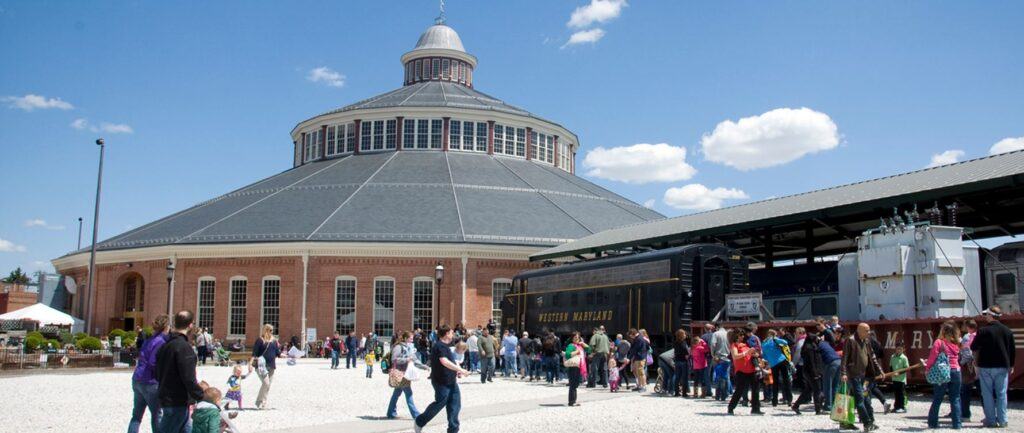
CSX Corp. has announced a gift of $5 million to the Baltimore and Ohio (B&O) Railroad Museum in Baltimore, MD towards the museum’s $30 million capital campaign in anticipation of the B&O railroad’s bicentennial anniversary in 2027. “CSX is proud to support the future of the B&O Railroad Museum and help expand its role in the community,” said Joe Hinrichs, CSX president and chief executive officer. “As the successor to the Baltimore and Ohio Railroad, CSX has been an integral part of the Maryland economy for generations. We are thrilled to be able to deliver this substantial contribution and serve as a catalyst of growth for this iconic institution and the Baltimore community.” The donation will be used to build the “CSX Bicentennial Garden,” an amphitheater and multi-use space that can host local organizations and hold community gatherings. This installation will serve as a vibrant event space and provide a fresh, new location to welcome visitors to the museum. CSX is the first corporate patron to pledge support for the campaign, which will improve the overall campus flow, add state-of-the-art educational space, including an Innovation Hall focused on present-day and future railroad technology, house extensive historical archives, and spark community economic development. “Today, we celebrate another great partnership between CSX and the State of Maryland as we honor the birthplace of American railroading, the B&O Railroad Museum,” said Governor Wes Moore. “This campus transformation will serve our administration’s goals of connecting institutions with their neighboring communities, expanding workforce training opportunities on campus, creating publicly accessible open space, and remodeling the South Car Works building, our nation’s oldest, continuously operating railroad repair facility as the new entryway to the Museum. Maryland will be ready to celebrate the 200th anniversary in 2027.” Baltimore built the first miles of America’s railroads. And for nearly 200 years CSX and the B&O Railroad have been essential to the growth of Baltimore’s economy and community. From the Howard Street Tunnel modernization project to preserving the city’s heritage at the historic B&O Railroad Museum, CSX continues to invest in and serve the community it has proudly called home for nearly two centuries. “We are profoundly grateful to CSX for their extraordinary commitment to the preservation and celebration of our nation’s railroad heritage,” said Kris Hoellen, executive director of the B&O Railroad Museum. “This significant contribution of $5 million dollars marks a milestone in our campaign towards transforming our campus in preparation for the 200th anniversary of American railroading in 2027. We thank CSX for their leadership to catalyze our campaign and for recognizing the importance of creating a beautiful, publicly accessible space in Southwest Baltimore – the CSX Bicentennial Garden.” Public-private partnerships helps the museum’s continued ability to tell the story of how railroading has shaped the history of America. With the inaugural contribution, CSX is encouraging fellow corporate partners to support the museum’s campaign – investing in Maryland and the future of Baltimore communities.
Toyota Material Handling celebrates the 10th Anniversary of National Forklift Safety Day

Toyota Material Handling is proud to celebrate the 10th annual National Forklift Safety Day by reinforcing the importance of operator safety training, technology, and forklift safety practices as more new operators join the workforce every year. National Forklift Safety Day, sponsored by the Industrial Truck Association, is an annual event that serves as the focal point for forklift manufacturers to educate customers, policymakers, and government officials about the safe use of forklifts and the importance of proper operator training. “At Toyota, we are dedicated to helping the material handling industry foster a culture of safety,” said Tom Lego, Toyota Material Handling’s Brand Ambassador. “Toyota understands that any enduring culture of safety has its foundation in knowledge and best practice sharing – or yokoten – by promoting respect for careful habits when commuting around a facility.” With involvement in National Forklift Safety Day since the inaugural event in 2014, Toyota Material Handling continues to innovate with product features to help support operators. Toyota’s latest technology, Smart Environment Sensor Plus™ (SEnS+), can assist operators in identifying a pedestrian or object behind their forklift. In addition to the system notifications, SEnS+ has industry-first features, including dynamic zoning, adjustable truck slowdown, and backward movement prevention. The SEnS+ zoning feature automatically adjusts the detection range of obstacles in a 130-degree field of view up to 32 feet away, and limits forklift movements by engaging in regenerative braking to slow the truck speed for pedestrians and objects in specific conditions. Most Toyota Forklifts come standard with the System of Active Stability™ (SAS), which instantaneously detects operational hazards prone to instability. SAS generates over 3,000 readings per second and can automatically stabilize the rear axle to help operators maintain lateral stability, reducing the overall risk of potential accidents. Both SEnS+ and SAS are part of Toyota Assist, a robust family of advanced features and options that work together to passively or actively assist forklift operability, productivity or situational awareness. “The operator is the most important component of a forklift,” Lego said. “Training and investing in these individuals is paramount, even for the most seasoned operators. There is always something new in this industry because each setting is unique and different. We build great trucks for many different applications using the best technology, but we find that proper training and ample opportunities to hone the skills of these essential workers are the most important investments in forklift safety.” Toyota works with customers to help instill a culture of safety in conjunction with Toyota Assist operator enhancements, free site surveys, consultations and operator training. All 230 dealers in Toyota’s nationwide dealer network offer training upon request.
KPI Solutions appoints Jason Boehl as Vice President, Enterprise Solutions

Jason will provide strategic direction for client automation design and systems integration to transform distribution and fulfillment operations. KPI Solutions (KPI), a supply chain consulting, software, systems integration, and automation supplier has announced that Jason Boehl has joined the company as Vice President Enterprise Solutions. In this role, Jason will optimize clients’ distribution, warehousing, and fulfillment operations by uniting data-driven designs and innovative engineering with high-performance automation technologies, powered by KPI’s proprietary OPTO software platform. “I’m thrilled to join the accomplished professionals at KPI Solutions as we successfully address clients’ most complex labor, capacity, and efficiency challenges,” said Jason. “In this time of supply chain disruption, we are dedicated to creating and ensuring value through customized and cost-justified automation that increases throughput capacity and boosts operational efficiency across the distribution process.” “We are excited to leverage Jason’s experience as we continue to provide critical design recommendations, holistic operational optimization, and risk mitigation for our clients,” said Ron Adams, Chief Commercial Officer at KPI Solutions. “Jason’s extensive background with transformative warehousing and distribution projects will guide the delivery of customized and innovative automation solutions that increase productivity and build long-term client value.” Jason joins KPI after nearly a decade of increasing responsibility at Honeywell Intelligrated where he most recently served as Executive Director, Solution Consulting and Data Analytics. With his 25+ years of industry experience, he also holds expertise in warehouse and transportation software, engineered labor standards, warehouse operations, and Six Sigma lean practices. KPI Solutions was formed in 2021 with the combination of Kuecker Logistics Group, Pulse Integration, and QC Software. In 2022, the company acquired Precision Distribution Consultants, SIMCOM Solutions, and Commonwealth Supply Chain Advisors.
JLG® X660SJ Compact Crawler Boom Lift — Get Straight to Work

The new straight-boom compact crawler lift model is now available JLG Industries, Inc. introduced its first straight-jib (SJ) compact crawler boom lift — the X660SJ. With 65-ft 7-in of platform height, 500 lbs of capacity for up to two workers, 39 ft of horizontal reach and indoor/outdoor versatility, the new JLG® X660SJ model is ideal for a wide range of applications, including arboriculture, painting, general maintenance, electrical, HVAC and window washing, on a variety of job sites, such as auditoriums, arenas, atriums and outdoor structures. “The X660SJ is designed with several unique features that are key to efficiently accessing work at height,” says Angela Patterson, JLG boom lift product management lead. “For example, the architecture of this new straight-boom compact crawler boom lift enables operators to reach full height more efficiently, while it’s crawler-mounted design and 40-percent gradeability mean the X660SJ can climb slopes with ease compared to standard lifts. And, its 2-ft 11-in profile and less than 7,400-lbs footprint allow operators to go more places around the job site, such as through gates and standard doorways to work in yards and public buildings.” Other performance-enhancing features the X660SJ is equipped with include: Envelope tracking operation for work alongside buildings, walls and other infrastructure. With a single control function, operators can boom up/down, while also telescoping out/in, so that the platform travels a path perpendicular to the ground Multiple position, one-touch self-leveling outriggers to provide flexibility to work in tight areas and to maximize the working envelope “Go Home” and “Back to Work” functions for ease of returning to stowed or recorded work position. Software optimizes the path to the stowed or saved work position based on machine stability The X660SJ comes standard with a Kubota® diesel engine, but an environmentally friendly lithium-ion battery and AC drive system option is available, as is JLG’s new bi-energy option. This alternative equips the JLG compact crawler boom lift with two (2) full-sized, independent power sources, combining an emissions-free lithium-ion battery pack with a dependable diesel engine, enabling operators to choose the best power source for the application — either the engine or the lithium-ion batteries. Common to all three power sources, all JLG compact crawler boom lifts available in North America, including the new X660SJ, come standard with fully synthetic biodegradable hydraulic fluid so it can be used with confidence in environmentally sensitive areas. Additionally, like JLG’s other compact crawler boom lift models, forklift pockets for loading and unloading for transportation are standard. Air/water/power lines to the platform, non-marking tracks for work on sensitive flooring, integrated front and rear LED lights for visibility and SkyGuard SkyLine™ enhanced control panel protection also come standard on the X660SJ. This new model also has similar components and serviceability features to JLG’s entire compact crawler boom lift product family, including the enclosed powertrack design, which protects machine components by reducing debris impact. “With the X660SJ, productivity is a top priority,” concludes Patterson. “This compact, low-weight straight-jib model will transform how facility and construction professionals get work done at height, indoors and outdoors.”
Hyster® trucks to use Rocsys robotic charging
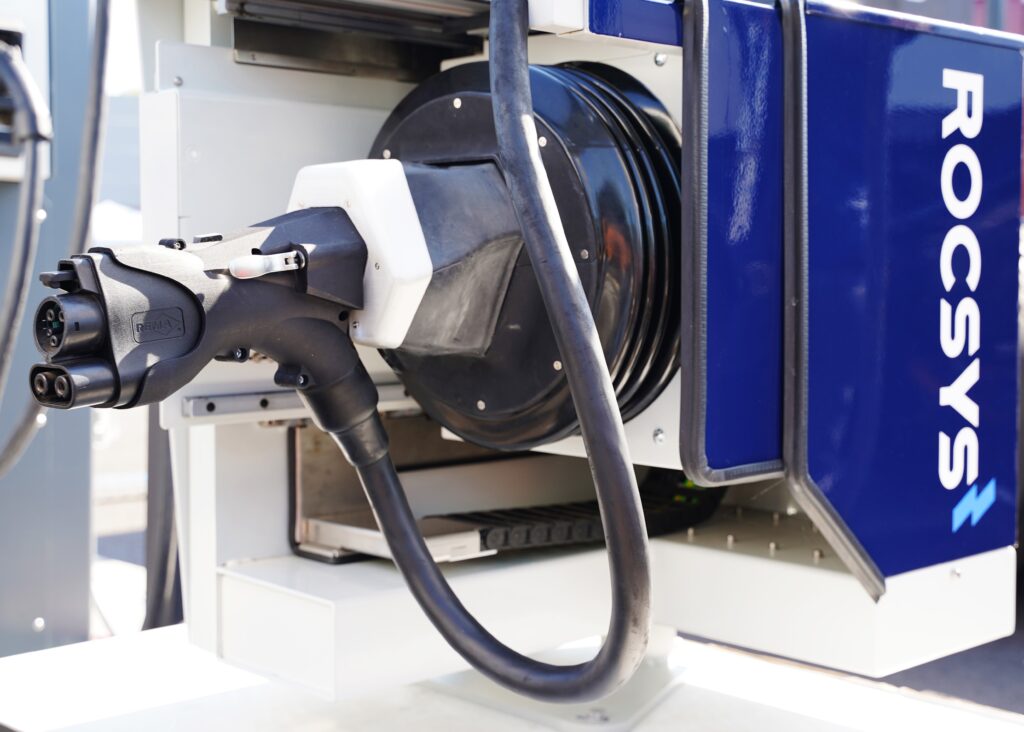
Ahead of TOC Europe 2023, Hyster confirms that Rocsys will provide autonomous charging solutions for selected Hyster® electric port equipment Rocsys will deliver its ROC-1 autonomous charging system for use with zero-emission Hyster Terminal Tractors, with the possibility to extend to other Hyster electric trucks. Using the robotic ROC-1 solution, parked machines can be both plugged in and charged automatically, helping to support efficiency and uptime in ports. “Rocsys is thrilled to introduce the first autonomous charger for Hyster. By harnessing cutting-edge soft robotics, AI technology, and continuous data-driven monitoring, we offer a reliable and secure charging solution,” says Crijn Bouman, CEO and Co-founder of Rocsys. Crijn continues: “The high power requirements of electric vehicles can result in heavy and inflexible charging cables, which may be challenging to handle. Our innovative system eliminates this issue, helping to support safety and efficiency without compromising performance.” The ROC-1 robotic charging solution works with any type of charger and can use a standard CCS (Common Charging System) inlet. The new Hyster Terminal Tractor, which previews at TOC Europe from June 13th – 15th, will also feature standardized CCS1 or CCS2 capabilities. This may help make the transition to electrics easier, while supporting scheduled and opportunity charging in operations. “One of our aims is to work with partners and champion new technologies that provide solutions to simplify the transition to electrification in ports and terminals,” says Jan-Willem van den Brand, Director Global Market Development at Hyster. “In working with Rocsys, we are helping our customers to explore the possibilities of robotic charging for electric trucks. If the autonomous charging route best suits their application needs, this integrated solution may make it simpler and quicker for them to get started,” he continues. As well as being an option for selected Hyster equipment, the ROC-1 autonomous charging system will also be implemented at the Hyster test center in Weeze, Germany. Rocsys will use the Hyster site to carry out autonomous charging demonstrations for zero-emission port equipment customers. This will enable further development of the system and help to verify the performance of robotic charging for operations in harsh environments. Learn more at TOC Europe from June 13-15, 2023. Visit Hyster at Stand C11 and Rocsys at Stand C10.
Is company gravity killing your organization?

Most business leaders stress the importance of understanding and responding to ever-changing customer needs to stay relevant and competitive. Yet why do so many companies spend the majority of their time focusing inward? We recently surveyed 50 business executives to understand their organizations’ strategic priorities. Among their top five, “customer” was by far the most-mentioned word. But the majority of these companies weren’t utilizing customer insights in their major business decisions and core processes – only customer-facing ones. That is, in four out of five companies, customer insights were only used to provide input to sales and marketing and did not directly impact their larger strategic agenda. So how do companies end up so isolated, even from their own customers? Think back on the last few “leadership” or “planning” meetings you attended. How much of the time was spent discussing internal issues and perspectives rather than external realities? In how many instances did customer insights change the opinion in the room? This is Company Gravity – the cultural pull that drives organizations to focus inward on their own perspectives and focus on the company’s interests and preferences over emerging customer needs. It is Company Gravity that creates organizational stagnation, resistance to change, and fear of the new – instead, clinging to the status quo. Company Gravity causes internal processes, policies, and systems to take priority over external forces, market share, and customer experiences. Of course, every company needs to ensure they’re following protocols, have checks and balances, and keep consistent with how business is done. But unless you are Walmart, you don’t have the luxury to simply force every customer and supplier to conform to the way you do things. You don’t have the luxury to only control costs to generate growth. An external perspective is essential to gain an advantage over the competition and get ahead of future risks. Getting the right insights in the door is crucial. This means looking beyond the obvious customer feedback and accessing new and underexploited data sources. It means learning to separate customer signals from noise. It means doing it not just sufficiently but better than the competition can. It means organizing customer insights so that they are easily accessible to all parts of the company and can be integrated into decision-making beyond the sales and marketing functions. It means reinforcing a customer-centric mindset and behavior by tying organizational performance metrics to the customer experience. (In fact, Amazon has nearly 80% of their performance metrics tied to the customers) Overcoming Company Gravity is not an easy feat, but it is essential for a company’s long-term survival. The more you engage with customers, the clearer the opportunities become and the easier it is to determine what your gravity-strapped competitors are overlooking. About the Author: Andrea Belk Olson is a keynote speaker, author, differentiation strategist, behavioral scientist, and customer-centricity expert.As the CEO of Pragmadik, she helps organizations of all sizes, from small businesses to Fortune 500, and has served as an outside consultant for EY and McKinsey. Andrea is the author of three books, including her most recent, What To Ask: How To Learn What Customers Need but Don’t Tell You, released in June 2022. She is a 4-time ADDY® award winner and host of the popular Customer Mission podcast. Her thoughts have been continually featured in news sources such as Chief Executive Magazine, Entrepreneur Magazine, Harvard Business Review, Rotman Magazine, World Economic Forum, and more. Andrea is a sought-after speaker at conferences and corporate events throughout the world. She is a visiting lecturer and startup coach at the University of Iowa, a TEDx presenter, and TEDx speaker coach. She is also an instructor at the University of Iowa Venture School. More information is also available on www.pragmadik.com and www.andreabelkolson.com.
Hubbell announces new Segment Leadership

Allan Connolly, current President of Hubbell Utility Solutions segment retiring Greg Gumbs appointed President of Hubbell Utility Solutions segment Mark Mikes appointed President of Hubbell Electrical Solutions segment Hubbell Incorporated (“Hubbell”) just announced that Allan Connolly, President of Hubbell Utility Solutions (“HUS”), will retire effective July 1, 2023. Greg Gumbs will serve as President of HUS upon Mr. Connolly’s retirement. The Company further announced today the appointment of Mark Mikes as President of the Hubbell Electrical Solutions (“HES”) segment. The retirement of Mr. Connolly and the appointments of Mr. Gumbs and Mr. Mikes are effective July 1, 2023. Allan Connolly joined Hubbell in 2018 as a result of the Aclara acquisition and has served as President of HUS since 2019. Gerben Bakker, Hubbell’s Chairman, President and CEO commented, “I would like to thank Allan for his contributions to Hubbell over the past five years. Under his leadership, Hubbell’s legacy power franchise and Aclara business merged together to create a leading platform of best-in-class utility solutions for our customers. His strategic vision for the business and passion for innovation helped drive a strong acceleration in the segment’s organic growth profile over the past several years. During Allan’s tenure, HUS delivered operating profit growth for our shareholders well in excess of double-digits on a compounded annual basis. I wish him all the best in his next chapter and thank him for his partnership.” Greg Gumbs succeeds Mr. Connolly as President of HUS with a proven track record of leadership and performance in the utility, electrical and automation industries. Mr. Gumbs has most recently been President and CEO – Bosch Rexroth North America since 2020, and prior to that held various senior leadership positions at Eaton Electrical and Rockwell Automation. “Greg is a strong leader who I am confident will build on a strong foundation and deliver continued outperformance for the business,” said Mr. Bakker. Mr. Bakker continued, “As grid modernization and electrification drive greater need for utility automation, Greg’s experience and skillset are uniquely suited to enable HUS to optimize our leading positions across components, communications and controls to deliver differentiated solutions for our customers. I look forward to him joining Hubbell’s leadership team.” Mark Mikes has been with Hubbell for over thirty years in various roles at Hubbell Power Systems (“HPS”), a division of HUS, which he has led for the last several years. Mr. Bakker commented, “Mark has a well-established track record of success at Hubbell. He played a major leadership role in our successful efforts to bring together a broad portfolio of acquired utility businesses under a unified, integrated business in HPS. Organized to compete collectively, HPS’s simplified operating structure has enabled us to consistently improve profitability and cash generation. Mark is the ideal leader to execute on a similar playbook at HES as we continue our multi-year strategy to improve the segment’s long-term growth and margin profile.” Mr. Bakker concluded, “Hubbell’s leading positions in front of and behind the meter strategically align our Utility Solutions and Electrical Solutions segments around attractive long-term trends in grid modernization and electrification. Our strategy is delivering strong results in the near-term, and we remain focused on delivering consistently differentiated performance for our shareholders and customers over the long-term. Hubbell is excited to announce today the appointments of our new segment leaders. Both Greg and Mark are committed to Hubbell’s core strategy, and both are well supported by experienced and talented teams that will help support their transitions to their new roles while ensuring Hubbell continues to drive value for all of our stakeholders.”
Episode 391: Barcode Depot saves warehouses time and money
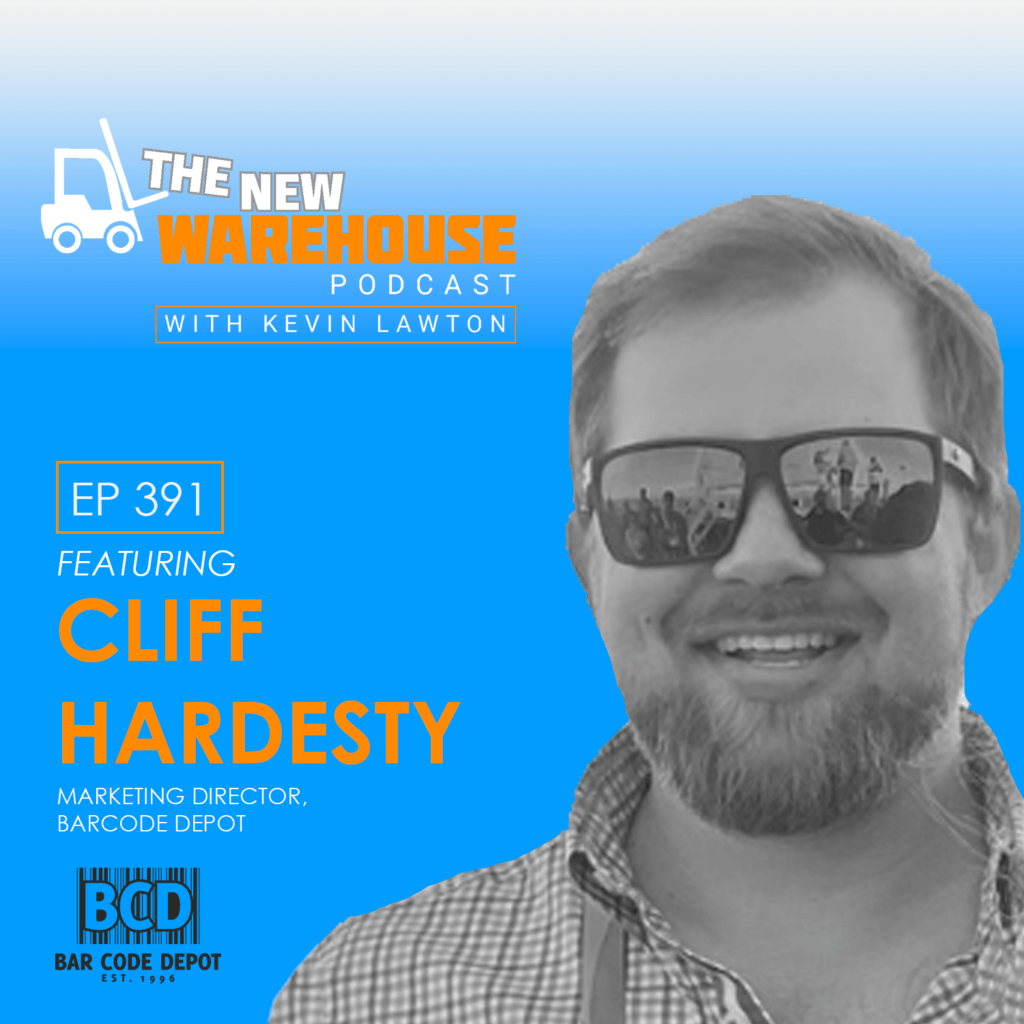
Welcome to a new episode of The New Warehouse Podcast! In today’s episode, Cliff Hardesty, the Marketing Director at Barcode Depot, joins the show. Barcode Depot, a family-owned company established in 1996, specializes in repairing and refurbishing barcoding equipment for various industries. Cliff and Kevin dive into warehouse equipment maintenance and explore how repair and refurbishment services can benefit operations in the long run. The Value of Repair and Refurbishment in the Warehouse Industry During economic downturns and periods of high inflation, many companies tend to stretch the lifespan of their equipment to cut costs. In warehouse operations, maintaining and replacing equipment can be a significant expense. Hardesty sheds light on the common practice of replacing damaged RF equipment and shares how Barcode Depot identified an opportunity in the market. He states, “We noticed that many customers were simply replacing their equipment when it broke down. We realized that by offering repair services, we could extend the lifespan of their existing equipment and help them save costs.” How Barcode Depot Extends the Equipment Lifespan One of the top advantages of repair services is the ability to extend the life of RF equipment. Hardesty emphasizes that Barcode Depot has customers using the same equipment for 10 to 15 years, thanks to their repair expertise. He explains, “We can exponentially expand the lifespan of current equipment, enabling customers to save money by avoiding costly replacements.” Additionally, the discussion touches on the benefits of refurbished equipment, which is an affordable alternative to buying new. Hardesty shares how Barcode Depot came through for a recent customer by finding refurbished mobile computers instead of new ones, saving them $15k, and delivering assurance with a six-month warranty. Barcode Depot on Implementing a Successful Repair Program Hardesty explains how Barcode Depot ensures a seamless repair experience for its customers. He highlights the expertise of their experienced team of technicians who possess in-depth knowledge of various equipment models. Barcode Depot also maintains a stockpile of commonly needed parts, allowing them to provide quick turnaround times for repairs. Hardesty emphasizes that their average turnaround time is within a week, compared to the month-long process often associated with sending equipment back to OEMs. Hardesty underscores the importance of quick repairs to minimize operational disruptions in supporting warehouse operations. Key Takeaways Repairing equipment is typically 25% cheaper and offers a cost-effective solution compared to outright replacements. Effective equipment repair can significantly expand its lifespan, resulting in considerable savings for warehouse operations. Opting for refurbished equipment is not only a cost-effective choice but also ensures faster delivery and comes with warranties, all without sacrificing functionality. The New Warehouse Podcast EP 391: Barcode Depot Saves Warehouses Time and Money
The future of Reverse Logistics
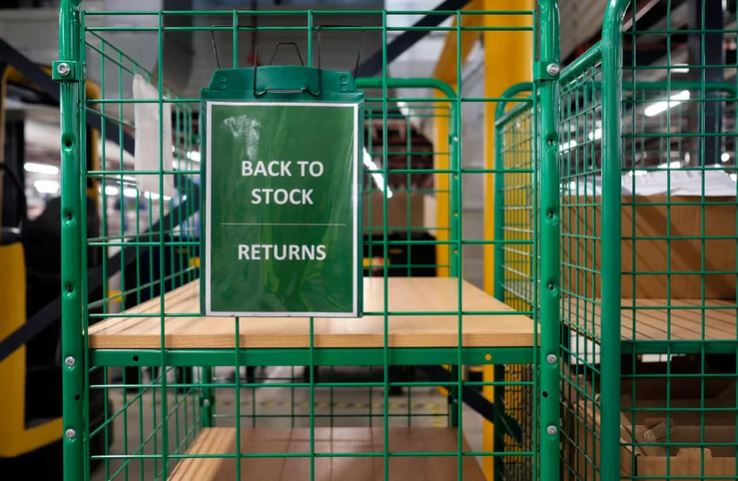
Managing returns has traditionally been treated as an afterthought. But with the rise in eCommerce sales, returns are sure to be substantial, which can lead to a poor customer experience and revenue losses. Many businesses are now placing more emphasis on handling returns, called the reverse logistics process. And some initiatives have come a long way. Here’s what those look like and what we might expect from the future of reverse logistics. What is Reverse Logistics? If logistics describes how products move through the supply chain from warehouses to consumers, reverse logistics details how things move in the opposite direction. In other words, it deals with products going from the customer back to the supplier for a number of reasons: Broken or damaged products Mistakes made in order fulfillment Customers changing their mind Product recalls Trade-in or recycling programs The reverse logistics process works by authorizing a product return, assessing product condition upon receipt, reclaiming any product value (adding it back to inventory, selling at a discount, etc.), and approving any customer refunds. Why Reverse Logistics Should Be a Priority With the rise of online sales, reverse logistics have become a major factor in doing business. In fact, the average eCommerce return rate ranges between 20-30%. According to Statista, returns of online merchandise in the U.S. alone amounted to nearly $213 billion in 2022. That’s a decrease of about 2% from the prior year, likely due to more businesses focusing on reverse logistics. It’s tough to discuss online sales without also addressing returns. eCommerce giants like Amazon have set the bar high by offering free, no-hassle returns to customers. This “Amazon Effect” means that many consumers are searching for similar experiences. In fact, over three-quarters of consumers will decline to do business with an online seller that doesn’t have a reasonable return policy. In addition to delivering a positive customer experience, making reverse logistics a priority just makes good business sense. When your company can efficiently repurpose returned goods, this can save what would otherwise be lost revenue. Also, a well-run reverse logistics process delivers valuable insights you can use to improve your business. The Future of Reverse Logistics According to Grandview Research, the reverse logistics market was worth about $840.7 billion in 2021. From 2022 to 2028, this figure is expected to expand by a compound annual growth rate (CAGR) of about 12.4%. The rising awareness among companies of the benefits of reverse logistics will continue to fuel growth and innovation in this area. And many of the innovations that are improving supply chain and warehouse efficiencies can also apply to reverse logistics. Here are a few of the things you can expect to see in reverse logistics in the coming years. Using RFID Solutions Without a robust reverse logistics plan in place, businesses would be unable to keep up with the volume of eCommerce returns. Fortunately, the same technology solutions that improve efficiency in the forward supply chain can help maximize processes and efficiency in reverse logistics. RFID, or radio frequency identification, is a technology that is beginning to replace traditional barcodes. Unlike barcodes, which must be read individually and only hold limited data, RFID tags can be read automatically as products move in either direction. They can also communicate more comprehensive data, such as product descriptions, dates, temperature, and more. Using RFID can simplify the reverse logistics process and save costs. It also provides a better customer experience as consumers want to be able to track their purchases and returns in real time. Leveraging Blockchain Technology Blockchain technology has the potential to revolutionize reverse logistics. It’s a decentralized digital ledger that records transactions without errors. It is a transparent and secure means of tracking the movement of returned products, better enabling businesses to manage their returns and recycling or disposal processes. Many businesses have yet to embrace blockchain. But that could change as the benefits of this technology become more clear. These include: Improved traceability — Using blockchain, businesses can create digital record histories for each product and show their movement through the supply chain. Increased efficiency — By using blockchain technology to automate certain parts of the reverse logistics process, you can reduce the time and cost of managing returns. Enhanced asset utilization — Blockchain technology can enable the reuse of returned products, which reduces waste and boosts asset utilization. Better transparency — Because blockchain technology creates a decentralized, transparent transaction record, it makes it easier to track the movement of products through the reverse logistics process. Focusing on Data-Driven Forecasting Making the most of things like RFID and blockchain requires embracing digital technology solutions throughout the supply chain. Things like a warehouse management system can help a business automate its processes and inject more visibility throughout the supply chain. Improved transparency allows businesses to adapt quickly to changes and optimize costs. If a large percentage of certain products are being returned due to defects or some other issue, this is something the business can address. Using an inventory management system to its full capabilities can save labor hours and reduce inventory carrying costs. Embracing Sustainability Today and in the future, more merchants will focus on sustainability as a way to differentiate their business and be better environmental stewards. Shoppers, particularly Gen Z, want to support these types of brands. When choosing which products to buy, 80% of customers will weigh sustainability in their decision, and one-third are willing to pay more for sustainable products. But, in addition to focusing on how products are made and fulfilled, your business should also take a look at sustainable reverse logistics. Analyze your returns process to see how it can be more environmentally friendly. Can you reuse packaging with returns? Instead of sending items to the landfill, can they be sold at a discount? If they are unusable, see if they can be recycled or repurposed. One of the main factors in supply chain management is logistics. But instead of simply focusing on getting products into customers’ hands, businesses must also figure out how to efficiently handle
BEUMER acquires The Hendrik Group Inc. environmentally friendly bulk material handling
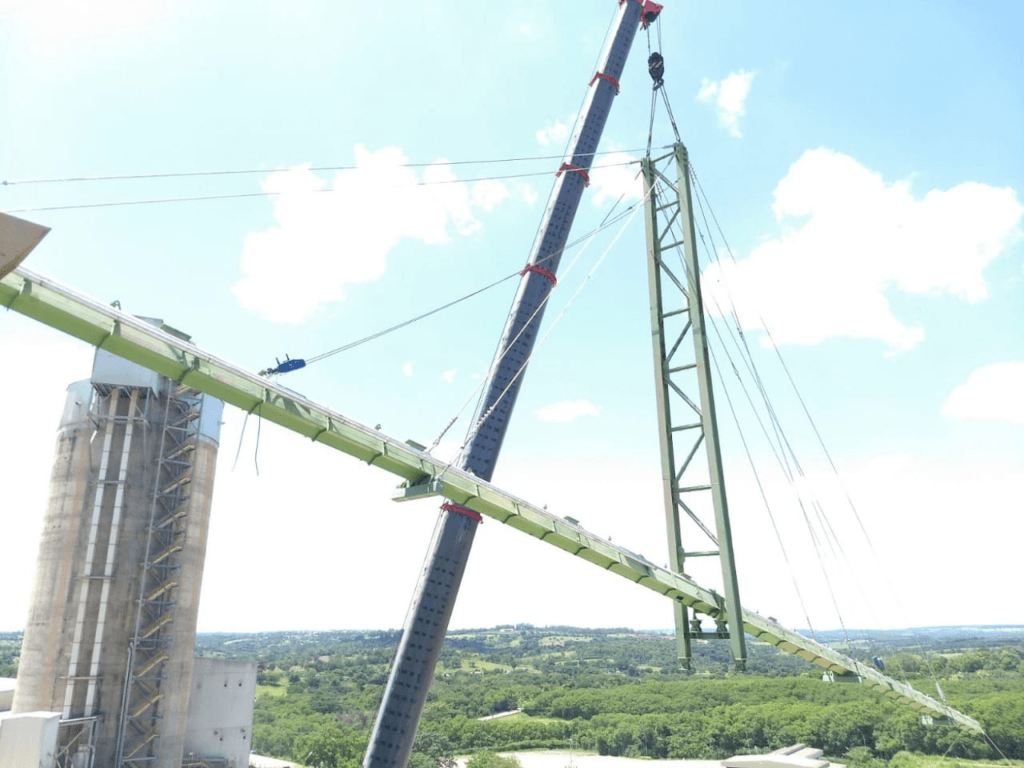
With the acquisition of one of the leading companies for air supported belt conveyors, The Hendrik Group Inc., the BEUMER Group is expanding its portfolio in the field of bulk material transport. In particular, the handling of alternative fuels and raw materials (AFR) confirms BEUMER’s commitment towards sustainability and is at the same time fully complementary to the current technologies offering ensuring an even broader customer benefit. The technology also generates additional potential in the field of bulk material handling of sensitive materials when it comes to preventing hazardous substances from being released into the environment. The BEUMER Group, aninternational manufacturer of intralogistics systems in the fields of conveying and loading systems, palletizing and packaging technology as well as sorting and distribution systems, is committed to sustainable corporate development. An important component of the high ecological standards that the specialist based in Beckum, Germany, has set for itself is its future-oriented conveying and system technologies for bulk materials. With the now completed acquisition of the Hendrik Group, a leading US manufacturer of air supported belt conveyors, BEUMER Group is expanding its portfolio and strengthening its market position in both the cement and the minerals and mining industry. Markus Schmidt, CEO of BEUMER Corporation in Somerset, New Jersey, USA, is very pleased with the acquisition: “The Hendrik Group specializes in the efficient and environmentally friendly transport of bulk materials. This aligns very well with our goals of bringing sustainable products to the market and improving our customers’ carbon footprint.” The BEUMER Group has been established in the market for decades with innovative bulk material technologies and the air supported belt conveyors ideally complements the BEUMER portfolio. In the very core of the technology an air cushion is used to support the belt and the load. The result is a weatherproof and dustproof transport solution that is quiet, clean and efficient. Founded in 1983 by Henk Hartsuiker and based in Woodbury, Connecticut, USA, the Hendrik Group has become one of the leading manufacturers in the bulk materials handling industry with customers all over the world. Operations Manager Rik Hartsuiker believes that his father’s many years of experience and expertise in air supported conveying technology are now in the best hands: “We hope my father’s legacy is safe in BEUMER’s care and are confident that they will be as committed to the further development of air supported conveying systems as we were.” “In recent years, we have often had constructive discussions with the Hendrik Group about international cooperation in the field of air supported belt conveying systems. The acquisition of this internationally successful company is the logical consequence of these constructive discussions,” adds Kay Wieczorek, Head of the Center of Competence (CoC) Product Business of the BEUMER Group. “The qualitative expansion of our products is a great opportunity for us: we will continue to develop the groundbreaking technology of air supported belt conveyors for our customers and in terms of sustainability.”
AAR reports Weekly Rail Traffic for May and the week ending June 3, 2023
The Association of American Railroads (AAR) has reported U.S. rail traffic for the week ending June 3, 2023, as well as volumes for May 2023. U.S. railroads originated 1,129,255 carloads in May 2023, up 0.8 percent, or 8,840 carloads, from May 2022. U.S. railroads also originated 1,190,553 containers and trailers in May 2023, down 11.1 percent, or 148,780 units, from the same month last year. Combined U.S. carload and intermodal originations in May 2023 were 2,319,808, down 5.7 percent, or 139,940 carloads and intermodal units from May 2022. In May 2023, nine of the 20 carload commodity categories tracked by the AAR each month saw carload gains compared with May 2022. These included: motor vehicles & parts, up 11,464 carloads or 17.0 percent; crushed stone, sand & gravel, up 10,207 carloads or 10.2 percent; and petroleum & petroleum products, up 3,968 carloads or 9.4 percent. Commodities that saw declines in May 2023 from May 2022 included: grain, down 12,916 carloads or 12.2 percent; coal, down 5,389 carloads or 1.7 percent; and all other carloads, down 2,528 carloads or 9.8 percent. “Roughly half of U.S. intermodal shipments are related to international trade, so what happens at ports is extremely important to railroads,” said AAR Senior Vice President John T. Gray. “U.S. port volumes, especially on the West Coast, have already been trending down for months and are a major reason why rail intermodal volumes have been on the decline in 2023.” Excluding coal, carloads were up 14,229 carloads, or 1.8 percent, in May 2023 from May 2022. Excluding coal and grain, carloads were up 27,145 carloads, or 3.9 percent. Total U.S. carload traffic for the first five months of 2023 was 4,938,897 carloads, up 0.7 percent, or 33,332 carloads, from the same period last year; and 5,124,695 intermodal units, down 10.9 percent, or 624,181 containers and trailers, from last year. Total combined U.S. traffic for the first 22 weeks of 2023 was 10,063,592 carloads and intermodal units, a decrease of 5.5 percent compared to last year. Week Ending June 3, 2023 Total U.S. weekly rail traffic was 439,601 carloads and intermodal units, down 5.7 percent compared with the same week last year. Total carloads for the week ending June 3 were 219,289 carloads, up 0.4 percent compared with the same week in 2022, while U.S. weekly intermodal volume was 220,312 containers and trailers, down 11.1 percent compared to 2022. Six of the 10 carload commodity groups posted an increase compared with the same week in 2022. They included motor vehicles and parts, up 3,017 carloads, to 15,500; nonmetallic minerals, up 2,522 carloads, to 31,663; and miscellaneous carloads, up 1,423 carloads, to 9,317. Commodity groups that posted decreases compared with the same week in 2022 included grain, down 6,615 carloads, to 15,945; coal, down 1,077 carloads, to 64,548; and chemicals, down 635 carloads, to 29,923. North American rail volume for the week ending June 3, 2023, on 10 reporting U.S., Canadian and Mexican railroads totaled 321,168 carloads, up 0.5 percent compared with the same week last year, and 302,681 intermodal units, down 8.8 percent compared with last year. Total combined weekly rail traffic in North America was 623,849 carloads and intermodal units, down 4.2 percent. North American rail volume for the first 22 weeks of 2023 was 14,186,594 carloads and intermodal units, down 4.1 percent compared with 2022. Canadian railroads reported 85,340 carloads for the week, down 2.4 percent, and 72,713 intermodal units, down 2.3 percent compared with the same week in 2022. For the first 22 weeks of 2023, Canadian railroads reported cumulative rail traffic volume of 3,518,660 carloads, containers and trailers, down 0.7 percent. Mexican railroads reported 16,539 carloads for the week, up 20.4 percent compared with the same week last year, and 9,656 intermodal units, up 2.4 percent. Cumulative volume on Mexican railroads for the first 22 weeks of 2023 was 604,342 carloads and intermodal containers and trailers, up 2.1 percent from the same point last year. To view the weekly rail charts, click here.
Zion Solutions Group drives growth in material handling automation amidst economic changes

Zion Solutions Group is steering the growth of material handling automation amidst evolving economic conditions. With a proven track record in full-service supply chain integration, Zion Solutions Group redefines the landscape of material handling automation, guiding businesses toward resilience and prosperity. As the United States faces rising labor costs, businesses are increasingly turning to automation. The latest ITR Report projects a mild recession in 2024 but also predicts a five-year recovery and growth plan, avoiding a scenario akin to the Great Recession. Concurrently, the surge in onshoring and nearshoring manufacturing facilities creates fresh opportunities for domestic manufacturing. In this landscape, Zion Solutions Group’s transformative integration of automated material handling takes center stage. “Now, more than ever, it is crucial to partner with a systems integrator like Zion. We understand that the world evolves every day, and companies that proactively embrace these changes emerge stronger, more nimble, and built to last. Leveraging our team’s expertise, industry partnerships, and advanced technologies, we help businesses reduce costs, enhance efficiency, and expedite time to market through automation. We believe our customers can gain a competitive advantage and effectively prepare for the growth that lies ahead in the material handling industry,” emphasized Jim Shaw, President of Zion Solutions Group. Zion Solutions Group empowers businesses with optimal material handling automation by seamlessly orchestrating people, robotics, software, and material handling systems through a unified platform, eliminating the need for fragmented and complex technologies. Implementing automated solutions streamlines tasks enhances employee satisfaction, and improves efficiency—a crucial advantage during economic uncertainty. Automation also drives business expansion, fosters job growth, and ensures process efficiency. “At Zion Solutions Group, we utilize the Zion Life Cycle, an industry-leading best practice that guides customers through transformative changes. We encourage our clients to plan ahead, confront uncertainty, and proactively embrace the necessary changes. Waiting until the change becomes unavoidable is not the optimal approach,” added Shaw. With over 90 years of industry experience, Zion Solutions Group stands at the forefront of the trending growth in material handling automation. By equipping businesses with automation, Zion Solutions Group empowers them with resilience and agility to navigate economic downturns successfully.